
Thriving in Shade: Indoor Houseplants for Low-Light Areas
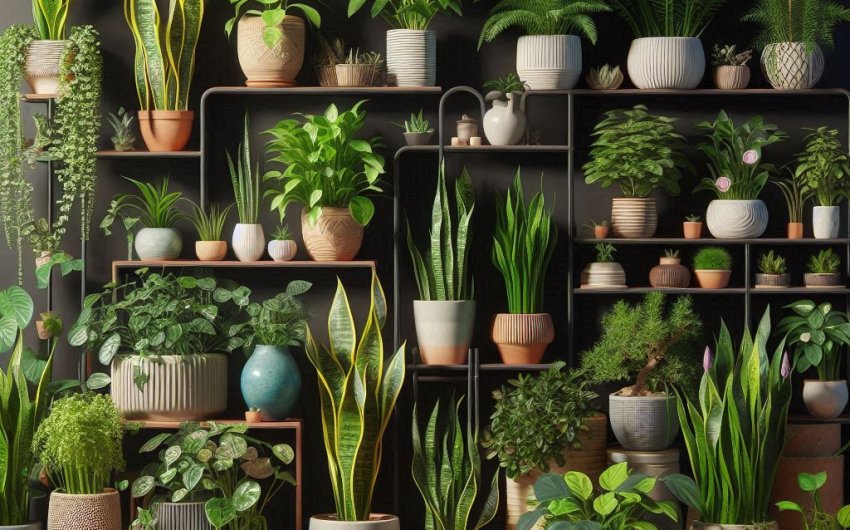
Illuminating dimmer corners of your home with vibrant foliage is entirely possible, even without abundant natural sunlight. For those with north-facing rooms, shaded apartments, or interior spaces far from windows, discovering houseplants that are genuinely thriving in shade opens up exciting possibilities for bringing greenery indoors. While no plant can survive in absolute darkness, many resilient species are remarkably tolerant of low-light conditions, offering lush beauty and air-purifying benefits where sun-loving plants would falter.
What Does "Low Light" Mean for Indoor Plants?
Before selecting plants, it's essential to understand what "low light" truly signifies in the context of indoor gardening, as absolute darkness is detrimental to all plants.
Understanding Light Levels Indoors
"Low light" indoors does not mean no light at all. All plants need some light for photosynthesis. Instead, it refers to areas that receive:
- No Direct Sunlight: The spot receives no direct rays from the sun throughout the day.
- Ambient Light: The primary light source is diffused, indirect light coming from a distance (e.g., across a room from a window, or from an artificial light source).
- North-Facing Windows: Generally provide the lowest intensity of natural light, offering indirect light for most of the day.
- Deep within a Room: Areas far from any window, or behind large furniture that blocks light.
Think of it as similar to the forest floor under a dense canopy – there's still light, but it's much dimmer and softer than direct sunlight.
Visual Cues for Low Light Areas
You can tell if a spot is low light by:
- Shadow Test: In the middle of the day, hold your hand a foot above where a plant would sit. If your hand casts a very faint, fuzzy, or barely visible shadow, it's a low-light area. If there's no discernible shadow, it's likely too dark for even "low-light" plants.
- Reading Test: If you struggle to comfortably read a book in that spot without turning on a light, it's a low-light area.
Why Some Plants Thrive in Low Light
Plants that thrive in low light have evolved adaptations that allow them to maximize what little light they receive. These adaptations typically include:
- Efficient Photosynthesis: They can photosynthesize efficiently at lower light intensities.
- Larger, Darker Leaves: Often, their leaves are larger and/or a darker green, which helps them capture more light (due to more chlorophyll).
- Lower Metabolic Rate: They have a naturally slower growth rate, meaning they require less energy (and thus less light) to sustain themselves.
- Native Habitat: Many originate from the understory of tropical forests, where they naturally receive diffused light filtered through the canopy above.
What Are the Top Houseplants for Low-Light Areas?
While "thriving" is a relative term in low-light conditions, these houseplants are remarkably tolerant and will maintain their beauty and health with minimal natural illumination.
1. Snake Plant (Sansevieria trifasciata)
The Snake Plant, also known as Mother-in-Law's Tongue, is renowned for its incredible resilience and striking, upright, sword-like leaves. It's often considered almost indestructible, making it perfect for beginners and low-light areas.
Why it's Perfect for Low Light
- Extreme Tolerance: One of the most tolerant plants of low light, it can survive in very dim conditions where almost no other plant would.
- Adaptable: While it will grow faster in brighter light, it happily tolerates a dark corner, a north-facing room, or a dim hallway.
- Air Purifier: Excellent at purifying indoor air, removing toxins like formaldehyde and benzene.
Care Tips for Low Light
- Watering: This is critical. In low light, Snake Plants need very little water. Allow the soil to dry out completely, and then stay dry for an extra week or two, especially in winter. Overwatering is the quickest way to kill it.
- Potting Mix: Use a well-draining succulent or cactus mix.
- Growth Rate: Expect very slow growth in low light.
- Example: A Live Snake Plant Laurentii is a popular variegated variety.
2. ZZ Plant (Zamioculcas zamiifolia)
The ZZ Plant is another highly popular choice for low-light situations, celebrated for its glossy, dark green, naturally waxy leaves and exceptional drought tolerance.
Why it's Perfect for Low Light
- Remarkable Resilience: Like the Snake Plant, it tolerates very low light levels exceptionally well, though it will grow slower.
- Drought Tolerant: It stores water in its thick rhizomes (underground stems), allowing it to go for long periods without water, which is a common issue in low-light settings where soil dries slowly.
- Low Maintenance: Needs minimal care, making it ideal for busy individuals.
Care Tips for Low Light
- Watering: Only water when the soil is completely dry, and then wait a bit longer. Err on the side of underwatering.
- Potting Mix: Use a well-draining potting mix.
- Growth Rate: Very slow growth in low light; new stems will emerge infrequently.
- Example: A Live ZZ Plant is an attractive addition to any dim corner.
3. Pothos (Epipremnum aureum)
Pothos, also known as Devil's Ivy, is a versatile and incredibly forgiving trailing plant with heart-shaped leaves. It's an excellent choice for hanging baskets or shelves where its vines can cascade.
Why it's Perfect for Low Light
- Highly Adaptable: Pothos can tolerate a wide range of light conditions, from bright indirect light to moderately low light.
- Vining Habit: Its trailing nature makes it perfect for filling vertical space or softening edges in dim areas.
- Hardy: Very resilient and recovers well from neglect.
Care Tips for Low Light
- Watering: Allow the top few inches of soil to dry out between waterings. In low light, this will take longer.
- Foliage Color: Variegated varieties (like 'Marble Queen' or 'Golden') may lose some of their variegation and turn greener in very low light.
- Growth Rate: Slower growth in low light; leaves may be smaller and vines longer.
- Example: A Live Golden Pothos Plant is a popular and easy-to-find variety.
4. Peace Lily (Spathiphyllum spp.)
The Peace Lily is a classic houseplant renowned for its elegant dark green leaves and striking white flower-like spathes. It's not only beautiful but also an excellent air purifier.
Why it's Perfect for Low Light
- Prefers Indirect Light: Peace Lilies naturally thrive in indirect light, making them well-suited for medium to low-light conditions. Direct sun will scorch their leaves.
- Dramatic Response: They are very communicative; they dramatically droop when thirsty, making watering cues easy to read.
- Air Purifier: Known for removing various indoor air pollutants.
Care Tips for Low Light
- Watering: Keep soil consistently moist but never soggy. In low light, check frequently as overwatering is a risk. Water when the top inch or two of soil feels dry.
- Humidity: Prefers higher humidity. Mist occasionally or place on a pebble tray.
- Flowering: May produce fewer or no flowers in very low light.
- Example: A Live Peace Lily Plant can add a touch of grace.
5. Cast Iron Plant (Aspidistra elatior)
The Cast Iron Plant lives up to its name, being exceptionally tough and tolerant of neglect, including very low light conditions. Its sturdy, dark green leaves are its main appeal.
Why it's Perfect for Low Light
- Ultimate Toughness: Arguably the most resilient low-light plant after the Snake Plant and ZZ. It tolerates deep shade, fluctuating temperatures, and inconsistent watering.
- Low Maintenance: Requires minimal attention.
- Hardy Foliage: Its broad, dark green leaves hold up well even in challenging environments.
Care Tips for Low Light
- Watering: Allow the soil to dry out significantly between waterings, especially in low light. Overwatering is its main enemy.
- Growth Rate: Very slow growth; new leaves emerge infrequently.
- Appearance: Its primary appeal is its lush foliage; it rarely flowers indoors.
- Example: A Live Cast Iron Plant will provide reliable green.
6. Lucky Bamboo (Dracaena sanderiana)
While commonly sold as "bamboo," Lucky Bamboo is actually a type of Dracaena. It's often grown in water, but can also be grown in soil, and tolerates low light well.
Why it's Perfect for Low Light
- Adaptable: Thrives in medium to low, indirect light. Direct sun will scorch its leaves.
- Unique Form: Its upright, often braided stems add a unique architectural element to spaces.
- Easy Care: Very low maintenance.
Care Tips for Low Light
- Water (in Water): If grown in water, change the water weekly with distilled or filtered water (chlorine can damage it). Ensure roots are submerged.
- Water (in Soil): If grown in soil, keep it consistently moist but not soggy.
- Growth: Slow growth in low light.
- Example: A Lucky Bamboo Plant can be a symbol of good fortune.
7. Aglaonema (Chinese Evergreen)
Aglaonema, or Chinese Evergreen, is a vibrant and diverse genus known for its stunning variegated foliage, making it one of the most colorful low-light options.
Why it's Perfect for Low Light
- Beautiful Foliage: Many cultivars offer splashes of pink, red, silver, or cream on their green leaves, providing color without needing flowers.
- Shade Tolerant: Naturally thrives in low to medium indirect light. The darker green varieties tolerate lower light best.
- Air Purifier: Also helps remove indoor air toxins.
Care Tips for Low Light
- Watering: Allow the top 1-2 inches of soil to dry out before watering again. Less water is needed in low light.
- Humidity: Prefers higher humidity; mist occasionally.
- Growth: Slow to moderate growth, depending on light.
- Example: A Live Chinese Evergreen Plant adds a splash of color.
8. Dracaena (Dracaena fragrans, Dracaena marginata, etc.)
Various species of Dracaena are excellent low-light tolerant houseplants, known for their distinctive upright growth habits and often colorful, strap-like leaves.
Why it's Perfect for Low Light
- Versatile: Many species and cultivars offer different forms and colors (e.g., 'Dragon Tree' for spiky leaves, 'Corn Plant' for broader leaves).
- Tolerant: Adapt well to low to medium indirect light, though colors may be less vibrant in very dim conditions.
- Air Purifier: Also effective at cleaning indoor air.
Care Tips for Low Light
- Watering: Allow the top few inches of soil to dry out between waterings. Be especially careful not to overwater in low light.
- Fluoride Sensitivity: Some Dracaena are sensitive to fluoride in tap water, causing brown tips. Use filtered water or rainwater if possible.
- Growth: Slower growth in lower light.
- Example: A Live Dracaena Marginata Plant is a popular choice for its slender form.
9. Parlor Palm (Chamaedorea elegans)
The Parlor Palm is a classic houseplant, offering delicate, feathery fronds that create a graceful, tropical feel even in dim environments.
Why it's Perfect for Low Light
- Shade Tolerant: Naturally grows in the understory of rainforests, making it perfectly suited for low to medium indirect light indoors. Direct sun will burn its fronds.
- Pet-Friendly: Non-toxic to cats and dogs, making it a safe choice for pet owners.
- Elegant Form: Adds a touch of refined beauty.
Care Tips for Low Light
- Watering: Keep the soil consistently moist but never soggy. Allow the top inch of soil to dry out slightly before watering again.
- Humidity: Prefers higher humidity; mist regularly, especially in dry indoor environments.
- Pests: Can be susceptible to spider mites if humidity is too low.
- Example: A Live Parlor Palm Plant brings a tropical vibe.
10. Prayer Plant (Maranta leuconeura)
The Prayer Plant is a beautiful, low-growing plant known for its strikingly patterned leaves that fold upwards at night, resembling praying hands.
Why it's Perfect for Low Light
- Prefers Indirect Light: Thrives in medium to low indirect light. Direct sun will scorch its leaves and cause the colors to fade.
- Colorful Foliage: Offers intricate patterns of green, red, pink, and cream, providing vibrant color without needing flowers.
- Unique Movement: The daily movement of its leaves is a fascinating characteristic.
Care Tips for Low Light
- Watering: Keep soil consistently moist but not soggy. Use distilled or filtered water as they are sensitive to chlorine and mineral buildup.
- High Humidity: Absolutely requires high humidity to prevent leaf crisping. Mist daily, use a humidifier, or place on a pebble tray.
- Growth: Forms a low, spreading mound, suitable for shelves or tabletops.
- Example: A Live Red Prayer Plant offers a dramatic display.
What Are General Care Tips for Houseplants in Low-Light Areas?
Even with a collection of shade-tolerant plants, their care needs subtle adjustments when placed in dimly lit environments.
1. Water Less Frequently
This is the most critical adjustment. Plants in low light conduct less photosynthesis and use significantly less water.
- Test Before Watering: Always allow the soil to dry out more thoroughly between waterings than you would for plants in brighter light. For many low-light tolerant plants, the top 2-3 inches of soil (or even more) should be dry before you water again.
- Avoid Root Rot: Overwatering is the number one killer of houseplants in low-light conditions because the soil stays wet for too long, leading to root rot.
- Drainage: Always ensure pots have excellent drainage holes.
2. Choose the Right Potting Mix
A well-draining potting mix is essential to prevent soggy conditions.
- Quality Mix: Use a high-quality, airy potting mix that drains well. You can amend a standard potting mix with perlite or coarse sand for extra drainage.
- Avoid Garden Soil: Never use heavy garden soil in pots, as it compacts and holds too much moisture, especially in low light.
3. Fertilize Sparingly (If at All)
Plants in low light grow slower, so they need far fewer nutrients.
- Reduce Frequency: If you fertilize at all, do so very sparingly. Perhaps once every 2-3 months during the active growing season (spring/summer), using a diluted liquid fertilizer (half or quarter strength).
- No Winter Fertilization: Do not fertilize plants in low light during the fall and winter months when growth is naturally slower.
- Too Much: Over-fertilization can lead to salt buildup in the soil and burn the roots of slow-growing plants.
4. Monitor Closely for Pests
Stressed plants are more susceptible to pests. Even though low-light plants are tough, still keep an eye out.
- Regular Inspection: Inspect leaves (especially undersides) and stems regularly for any signs of pests like spider mites (which thrive in low humidity), mealybugs, or fungus gnats (which indicate overly wet soil).
- Prompt Treatment: Address any infestations immediately with natural solutions like insecticidal soap or Neem oil.
5. Rotate Your Plants
Even in low light, some spots will be slightly brighter than others.
- Even Growth: Rotate your plants periodically (e.g., weekly or bi-weekly) to ensure all sides receive even light exposure. This helps prevent lopsided growth and stretching towards the nearest light source.
- Seasonal Adjustment: In winter, move plants closer to the brightest window available, and move them back slightly in summer if the light becomes too intense.
6. Consider Supplemental Lighting
If your "low light" area is truly very dim, and your plants are still struggling (stretching, pale leaves), supplemental lighting is the most effective solution.
- LED Grow Lights: Modern LED grow lights are energy-efficient and provide the full spectrum of light plants need for healthy growth.
- Timer: Use a timer to provide 12-16 hours of consistent artificial light per day.
- Placement: Position the grow light at an appropriate distance from the plant (check manufacturer recommendations), usually a few inches to a foot away. A Barrina LED Grow Light Bar is a popular, flexible option.
By selecting the right species and adapting your care routines, you can cultivate a beautiful and healthy collection of houseplants, ensuring your green companions are genuinely thriving in shade and bringing life to every corner of your home.