
Bring Your Houseplants Outdoors for Summer: Tips and Tricks
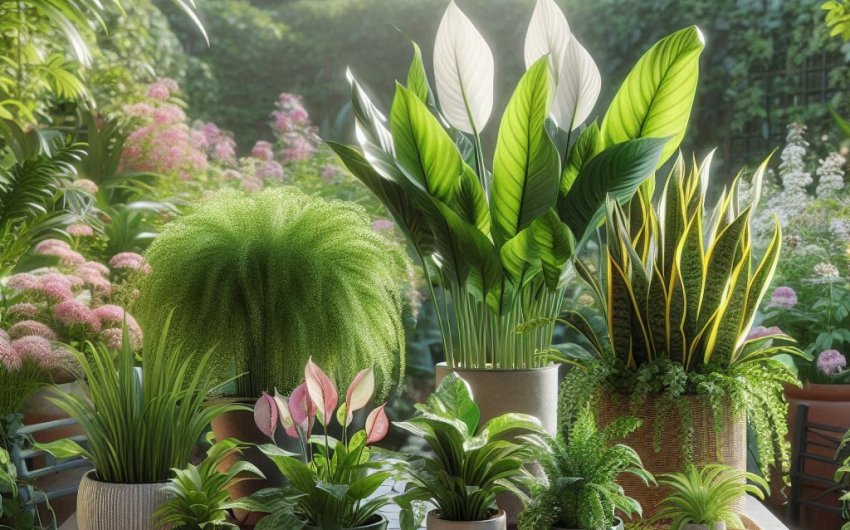
As warmer weather arrives and the days lengthen, many plant enthusiasts consider a seasonal change of scenery for their indoor green companions. Allowing your houseplants outdoors for summer can offer them a fantastic boost, promoting vigorous growth, stronger stems, and more vibrant foliage. However, simply carrying them out the door isn't enough; a careful transition and attentive care are crucial to prevent shock and ensure a thriving summer vacation for your beloved plants. This guide will provide you with all the tips and tricks to successfully move your houseplants outdoors and bring them back in, ensuring they flourish under the summer sun.
Why Bring Your Houseplants Outdoors for Summer?
Giving your indoor plants a summer vacation offers several significant benefits that they often can't achieve indoors.
Do Outdoor Conditions Benefit Houseplants?
The natural outdoor environment provides elements that are challenging to fully replicate indoors.
- Increased Light Intensity: Even a brightly lit indoor room cannot compare to the intensity of natural sunlight outdoors. This increased light encourages more robust growth, denser foliage, and often better flowering in appropriate plants.
- Better Air Circulation: Outdoor breezes provide constant airflow, which strengthens plant stems, helps prevent fungal diseases (by drying leaves faster), and discourages pests.
- Natural Humidity Fluctuations: While some indoor plants crave high, consistent humidity, outdoor humidity (especially during summer rains or dewy mornings) can be very beneficial, promoting lush growth.
- Rainfall: Natural rainwater contains beneficial trace elements and nitrogen (from lightning) that tap water often lacks. It also helps flush salts and minerals that can build up in potting soil from tap water and fertilizers.
- Boosted Growth: The combination of optimal light, fresh air, and natural elements often leads to a burst of growth, producing larger leaves and a healthier overall appearance.
Which Houseplants Benefit Most from Outdoor Time?
Not all houseplants are good candidates for an outdoor summer stay. Generally, those that originate from tropical or subtropical climates will appreciate the move.
- Good Candidates:
- Tropical Foliage Plants: Monstera, Philodendron, Pothos, ZZ Plant, Peace Lily, Chinese Evergreen, Snake Plant, Dracaena, Fiddle Leaf Fig, Croton.
- Succulents & Cacti: Most varieties will thrive with increased light (after proper acclimatization).
- Flowering Houseplants: Hibiscus, Gardenia, Jasmine, Begonia, Christmas Cactus (after blooming season).
- Herbs: Rosemary, Basil, Mint, Oregano that you keep indoors.
- Poor Candidates:
- Low-Light Plants: True low-light plants (e.g., Cast Iron Plant that prefer deep shade) might struggle even in indirect outdoor light.
- Delicate Plants: Highly sensitive plants, or those prone to stress, might be better left indoors.
- Pest Magnets: Some plants are naturally more attractive to outdoor pests, making the transition riskier.
What Are the Key Steps for a Smooth Transition Outdoors?
Moving plants from a stable indoor environment to the unpredictable outdoors requires careful planning and a gradual approach to prevent shock.
1. Timing is Everything: When to Move Them Out
- Wait Until Frost Danger is Gone: This is the most crucial rule. Ensure all danger of frost has passed in your area. Check your local extended forecast.
- Consistent Warm Temperatures: Nighttime temperatures should consistently stay above 50-60°F (10-15°C) for most tropical plants. For succulents, it's generally safer above 45-50°F (7-10°C). Cold shock can be very damaging.
- Acclimatization Period: Plan for a hardening off period, which is a gradual introduction to outdoor conditions, usually lasting 1-2 weeks. This prevents "sunburn" and transplant shock.
2. Hardening Off: The Gentle Introduction
Hardening off is the most critical step to prevent scorching and shock.
- Start in Shade: For the first few days, place your plants in a fully shaded, sheltered spot (e.g., under a dense tree, on a covered porch, or north-facing side of the house).
- Gradual Light Increase: Over the next 1-2 weeks, slowly increase their exposure to more light, moving them to a spot with dappled shade, then morning sun, and finally to their desired full sun spot if they are sun-loving species.
- Monitor Closely: Watch for signs of stress like yellowing leaves, scorched spots, or wilting. If you see signs of stress, move them back to a more shaded spot for a few days before trying again.
- Limit Initial Exposure: Start with just a few hours outdoors each day, gradually increasing the time. Bring them in at night if temperatures are still cool.
3. Pest Inspection and Treatment
Outdoor environments expose plants to a new array of pests.
- Inspect Before Moving: Before taking plants outside, thoroughly inspect them for any existing indoor pests. Treat any infestations.
- Pre-Emptive Treatment: Consider a preventative spray with neem oil or insecticidal soap, particularly on the undersides of leaves, to deter common outdoor pests. A good organic neem oil spray can be effective.
- Keep Isolated Initially: For the first few days outdoors, keep new arrivals separate from your established outdoor plants if possible, especially if you have a large garden.
4. Repotting or Fresh Soil
A healthy root system is crucial for outdoor success.
- Repot if Needed: If your plant is root-bound (roots circling the bottom of the pot) or has been in the same soil for a long time, repot it into a slightly larger pot with fresh potting mix before moving it out. This gives it ample room to grow.
- Fresh Potting Mix: Even if not repotting, topping up with fresh potting mix can provide a nutrient boost. Ensure the mix is well-draining.
5. Cleaning Your Plants
- Wipe Down Leaves: Give your plants a good wipe-down with a damp cloth to remove any dust and make them more efficient at photosynthesis. This also helps you spot pests.
What Are Important Care Tips for Houseplants Outdoors in Summer?
Once your plants are settled outside, their care routine will shift.
1. Increased Watering Needs
- More Frequent Watering: Outdoor conditions (wind, sun, heat) cause water to evaporate much faster than indoors. You will likely need to water your plants more frequently, possibly daily or every other day, depending on the plant, pot size, and weather.
- Check Soil Moisture: Always check the soil moisture before watering. Stick your finger 2-3 inches into the soil; if it feels dry, it's time to water.
- Deep Watering: Water thoroughly until water drains from the bottom of the pot.
- Rainfall: Don't rely solely on rainfall unless it's a long, soaking rain. Potted plants often don't get enough water from light showers.
- Drainage: Ensure all pots have proper drainage holes to prevent root rot. Consider elevating pots with pot feet to improve airflow and drainage. A set of plant pot feet can be beneficial.
2. Fertilizing More Regularly
- Active Growth: With increased light and warmth, plants will be in their active growing phase and will use more nutrients.
- Regular Feeding: Fertilize every 2-4 weeks with a balanced liquid houseplant fertilizer diluted to half strength, or follow the product's instructions for outdoor container plants.
- Flush Soil: Periodically flush the soil with plain water to prevent salt buildup from frequent fertilizing.
3. Monitoring for Pests
Outdoor environments are bustling with insects, some beneficial, some problematic.
- Daily Inspection: Make it a habit to check your plants daily for any signs of new pests (tiny bugs, sticky residue, chewed leaves, webbing). Early detection is key.
- Common Outdoor Pests: Aphids, spider mites, mealybugs, slugs, and snails can all become issues.
- Organic Pest Control: Treat infestations promptly with organic methods like insecticidal soap, neem oil, or simply spraying them off with a strong stream of water. Consider introducing beneficial insects if possible for large collections.
- Location: Placing plants on a patio or deck (rather than directly in garden beds) can sometimes reduce exposure to crawling pests.
4. Protection from Harsh Weather
- Wind: Strong winds can dry out plants quickly, break delicate stems, and even knock over pots. Place plants in a sheltered spot or use heavier pots.
- Heavy Rain: Excessive rain can lead to overwatering and root rot. Move plants under a porch or awning during prolonged downpours, or ensure your potting mix is extremely fast-raining.
- Storms: Bring plants indoors or move them to a very protected area during severe storms.
5. Proper Placement Outdoors
- Light Requirements: Always match the plant's light needs to the outdoor location.
- Full Sun Lovers (Succulents, Cacti, some tropicals like Hibiscus): Gradually move them to a spot that gets 6+ hours of direct sun.
- Bright Indirect Light Lovers (Monstera, Fiddle Leaf Fig, Peace Lily): Place them in a location that receives bright light but is protected from direct afternoon sun, such as under a tree, on a covered patio, or on the east side of your house.
- Shade Lovers (Ferns, Chinese Evergreens): Keep them in a consistently shady, well-sheltered spot where they get very little direct sun, perhaps a north-facing porch.
- Drainage: Ensure pots are elevated slightly off the ground to allow for proper drainage and air circulation.
What Are the Steps for a Safe Return Indoors in Fall?
Bringing your houseplants back inside is just as important as moving them out. A swift transition can shock them and introduce pests to your home.
1. Timing is Critical: When to Bring Them In
- Before Cold Snaps: Begin planning the move indoors when nighttime temperatures consistently drop below 50-55°F (10-13°C) for most tropical plants. For succulents, move them in before temperatures drop below 45°F (7°C).
- Monitor Forecasts: Watch the extended forecast closely for unexpected cold fronts or early frost warnings. It's better to bring them in a little early than too late.
- Gradual Acclimatization (Reverse Hardening Off): While less common, gradually re-acclimatizing them to indoor conditions can also help, by moving them to a shadier spot outdoors for a week or two before bringing them inside.
2. Thorough Pest Inspection and Treatment (Crucial!)
This is the most important step before bringing plants back inside to prevent an indoor pest infestation.
- Rinse Plants: Thoroughly rinse the entire plant (leaves, stems, undersides) with a strong spray of water from a hose to dislodge any hitchhiking insects.
- Inspect Closely: Carefully inspect every part of the plant – leaves (top and bottom), stems, soil surface, and pot for any signs of pests (spider mites, aphids, mealybugs, slugs, ants, etc.). Use a magnifying glass if needed.
- Treat Proactively: Consider a preventative spray with insecticidal soap or neem oil on all surfaces of the plant a day or two before bringing it in.
- Check the Soil: Carefully examine the top inch or two of soil for ants, slugs, or other critters. You might need to gently scrape off the top layer of soil and replace it with fresh potting mix.
- Soak if Necessary: For plants suspected of having soil pests, you can submerge the entire pot in a tub of water for about 15-20 minutes. This will often force out any hidden insects.
3. Prepare Their Indoor Spot
- Clean Location: Ensure their designated indoor spot is clean and ready.
- Humidity: Remember that indoor humidity will likely be much lower than outdoors. Prepare to provide extra humidity if needed (humidifier, pebble trays).
- Light: Find the brightest spot possible, as indoor light is always less intense.
4. Pruning and Cleaning
- Prune: Trim off any leggy growth, dead leaves, or damaged branches. This helps the plant adjust to lower indoor light levels.
- Clean Leaves: Wipe down all leaves with a damp cloth to remove any outdoor dust, dirt, or debris.
5. Monitor After Moving In
- Watch for Pests: Even with thorough inspection, some pests can sneak in. Continue to monitor your plants closely for the first few weeks indoors.
- Observe for Shock: Plants may show some signs of shock (yellowing leaves, leaf drop) as they adjust to the lower light and humidity indoors. This is normal, and they should recover.
By following these tips and tricks, you can confidently bring your houseplants outdoors for summer, providing them with a revitalizing natural boost, and then safely return them indoors, ensuring they remain vibrant and healthy members of your indoor green family year-round.