
Aquatic Houseplants: Grow Beautiful Plants in Water
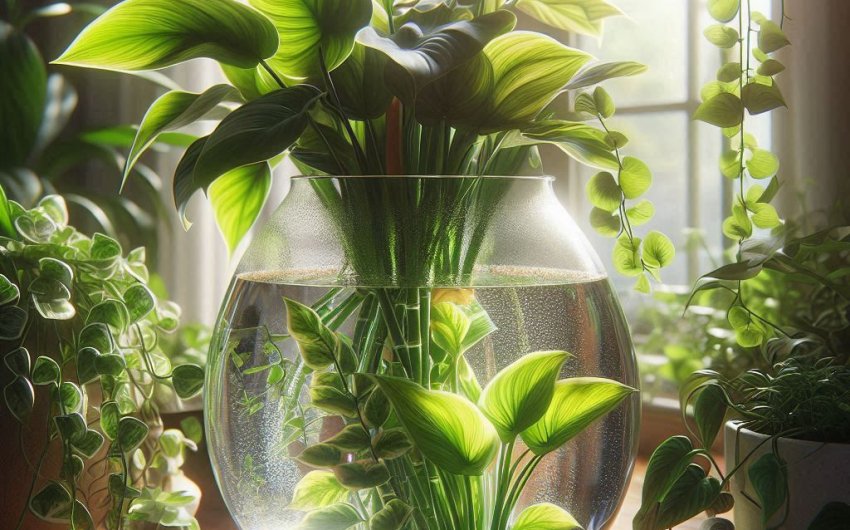
Cultivating aquatic houseplants offers a unique and captivating way to enhance your living spaces with lush greenery. This method, often referred to as hydroponics or passive hydroponics, allows you to grow stunning botanical specimens directly in water, bypassing the need for soil. From creating elegant displays to propagating new growth, tending to these plants in water simplifies care routines while adding a serene, natural aesthetic to any room.
What Are Aquatic Houseplants?
Aquatic houseplants are typically terrestrial plants that have adapted or can be easily adapted to grow with their roots submerged in water instead of soil. This cultivation method, often termed hydroponics or more specifically, passive hydroponics, eliminates soil-borne pests and diseases and can simplify watering. While some plants are naturally riparian (thriving near water), many common houseplants can successfully transition to a water-only environment with the right conditions and care.
How Does Growing Plants in Water Work?
Growing plants in water relies on the plant's ability to absorb essential nutrients directly from the water solution. Unlike soil, which holds nutrients in its particles, water-grown plants depend on dissolved minerals. When you place a plant cutting in water, it develops water roots, which are typically smoother and less branched than soil roots. These specialized roots are adapted to absorb oxygen and nutrients directly from the liquid. For long-term growth, you'll need to replenish nutrients, either by changing the water regularly or by adding a diluted liquid fertilizer.
Why Grow Aquatic Houseplants?
Opting for aquatic houseplants brings a host of advantages, making them an appealing choice for both novice and experienced plant enthusiasts. Their unique care requirements often simplify maintenance, while their aesthetic appeal adds a distinct touch to home decor. Embracing plants in water can also offer practical benefits, from pest control to air purification.
What Are the Benefits of Growing Plants in Water?
One of the most significant benefits of growing plants in water is the drastically reduced risk of common soil-borne pests like fungus gnats. Without soil, these nuisances have no breeding ground. Watering becomes simplified; you merely top up or change the water, eliminating the guesswork of when and how much to water. This method also creates beautiful, minimalist displays, showcasing the intricate root systems of your plants. Furthermore, some studies suggest that hydroponic plants can contribute to improved indoor air quality by effectively filtering airborne toxins, similar to their soil-bound counterparts.
Are There Any Downsides to Aquatic Houseplants?
While there are many advantages, some considerations come with growing plants in water. The main challenge is providing adequate nutrients, as water alone lacks the complete spectrum of minerals found in soil. This means you'll need to remember to add a diluted liquid fertilizer regularly. Also, some plants may not transition well from soil to water, and root rot can occur if the water isn't changed frequently enough or if there isn't enough oxygen in the water. Algae growth can also be an issue, especially in clear containers exposed to direct light, though this is primarily an aesthetic concern and usually harmless to the plant.
Which Plants Can Be Grown as Aquatic Houseplants?
Many popular houseplants are excellent candidates for becoming aquatic houseplants, thriving with their roots immersed in water. Selecting the right species is key to success, as some plants adapt much more readily to a hydroponic environment than others. These resilient plants can provide long-lasting beauty with minimal effort.
Easy-to-Grow Aquatic Houseplants
Several common and readily available plants are perfect for beginners venturing into hydroponics. These varieties are known for their robust nature and their ability to quickly develop healthy water roots.
- Pothos (Epipremnum aureum): Undoubtedly one of the easiest, pothos cuttings readily root in water and can thrive there indefinitely. Varieties like Marble Queen Pothos or Neon Pothos add vibrant color.
- Philodendron (Philodendron hederaceum): Similar to pothos, philodendrons, especially the heartleaf variety, are very forgiving. Their graceful vines look stunning cascading from a hanging vase.
- Lucky Bamboo (Dracaena sanderiana): Though not a true bamboo, Lucky Bamboo is almost exclusively sold and grown in water. It's an iconic aquatic houseplant known for its resilience and ability to be trained into various shapes.
- Spider Plant (Chlorophytum comosum): The "spiderettes" or baby plants produced by a mature spider plant are perfect for rooting directly in water, quickly developing a robust root system.
- Coleus (Plectranthus scutellarioides): While often grown outdoors, coleus cuttings root incredibly fast in water and can be kept as vibrant aquatic houseplants indoors, providing a splash of color.
- Impatiens (Impatiens walleriana): Many Impatiens varieties root quickly in water and can be grown as temporary or seasonal aquatic houseplants, bringing their delicate blooms indoors.
- Wandering Jew (Tradescantia zebrina): Known for its striking striped foliage, Wandering Jew cuttings readily root and can form beautiful trailing displays in water.
Other Popular Plants That Can Be Grown in Water
Beyond the beginner-friendly options, several other beloved houseplants can also adapt to a water-only lifestyle, offering more variety for your aquatic houseplant collection. These may require a bit more patience during the rooting phase or more attention to nutrient levels.
- Monstera (Monstera deliciosa/adansonii): Young Monstera cuttings, especially those with an aerial root, can be successfully rooted and grown in water, showcasing their iconic split leaves.
- Syngonium (Syngonium podophyllum): Also known as arrowhead plant, syngonium varieties are quite adaptable and can develop a good root system in water, offering diverse leaf shapes and colors.
- Begonia (Begonia spp.): Many begonia types, particularly cane or rhizomatous begonias, can be rooted in water. Their often colorful or textured leaves make for eye-catching displays.
- African Violet (Saintpaulia spp.): While a bit trickier, African Violet leaves can be rooted in water to produce new plantlets, showcasing their delicate blooms.
- Peace Lily (Spathiphyllum spp.): You can transition a Peace Lily from soil to water by gently rinsing the roots and placing the plant in a vase with water covering the root ball. Ensure the crown of the plant stays above the waterline.
- Dracaena (Dracaena spp.): Most Dracaena varieties, including Corn Plant (Dracaena fragrans) and Dracaena marginata, can be propagated and grown from cuttings in water, though they may be slow to root.
- Hoya (Hoya carnosa): Hoya cuttings can be rooted in water, though it might take a bit longer than some other plants. Once established, they can thrive as aquatic houseplants.
- Fittonia (Fittonia albivenis): Also known as Nerve Plant, Fittonia cuttings root readily in water and offer unique veined foliage for a terrarium-like display.
How Do You Set Up Your Aquatic Houseplant?
Establishing your aquatic houseplant is a simple process that involves selecting the right container, preparing your plant, and providing the initial water. Getting these steps right sets the stage for a healthy and thriving plant in water.
Choosing the Right Container
The vessel for your aquatic houseplant is not just functional; it's a key part of its aesthetic appeal. Choose containers that are clean, stable, and made from non-porous materials.
- Glass Vases and Jars: These are popular choices as they allow you to admire the developing root system. Clear glass also lets you easily monitor water levels and clarity. Consider a clear glass vase with a narrow neck to support the plant stem and keep it upright.
- Bottles: Repurposed glass bottles, such as wine or soda bottles, can make charming and eco-friendly containers.
- Ceramic or Opaque Containers: While you can't see the roots, opaque containers can help reduce algae growth as they block light. Ensure they are glazed inside to prevent water absorption.
- Decorative Planters (without drainage holes): Any watertight decorative pot can work, as long as it’s sealed and won't leak. Regardless of your choice, ensure the opening is appropriately sized for your plant, allowing it to be supported without the leaves being submerged.
Preparing Your Plant for Water
The preparation method depends on whether you are using a cutting or transitioning a soil-grown plant.
From Cuttings
Propagating from cuttings is the most common and easiest way to start aquatic houseplants.
- Take a Healthy Cutting: Use sharp, clean scissors or pruners to take a cutting from a healthy, mature plant. Aim for a stem section with at least 2-3 nodes (the bumps on the stem where leaves or roots emerge).
- Remove Lower Leaves: Strip off any leaves that would be submerged in water. Leaves left underwater will rot, contaminating the water and potentially harming the plant.
- Submerge Nodes: Place the cutting in your chosen container, ensuring at least one node is fully submerged in water. This is where the new roots will emerge.
From Soil-Grown Plants (Transitioning)
Some established soil-grown plants can be transitioned to water, though this can be more challenging and is not suitable for all species.
- Gently Remove Soil: Carefully remove the plant from its pot. Gently shake and rinse off as much soil as possible from the root ball. Be very thorough, as any remaining soil can decompose and foul the water.
- Trim Damaged Roots: Inspect the roots. Trim any dead, mushy, or damaged roots with clean scissors.
- Submerge Roots: Place the cleaned plant into your container, ensuring all roots are fully submerged. Keep the plant crown (where the stem meets the roots) above the water line to prevent rot. This method often comes with a period of shock for the plant as it adapts to a completely different environment, so some leaf drop or wilting is normal initially.
Adding Water and Initial Placement
Once your plant is prepared and in its container, it's time for the final touches.
- Use Dechlorinated Water: Fill your container with dechlorinated water. Tap water can be left out for 24-48 hours to allow chlorine to dissipate, or you can use filtered water. Avoid distilled water long-term, as it lacks essential minerals.
- Optimal Lighting: Place your aquatic houseplant in a location that receives bright, indirect light. Avoid direct sunlight, especially through clear glass, as it can heat the water, encourage algae growth, and scorch leaves. An east-facing window or a spot a few feet away from a south or west-facing window is often ideal.
- Avoid Drafts: Keep your plant away from cold drafts or sudden temperature fluctuations, which can stress the plant.
How Do You Care for Aquatic Houseplants?
Caring for aquatic houseplants is generally simpler than soil-based plants, but it still requires consistent attention to water quality, nutrient supply, and light conditions. Regular maintenance ensures your plants in water remain healthy and vibrant.
Changing Water and Fertilizing
The most critical aspects of aquatic houseplant care are managing water quality and providing nutrients.
- Regular Water Changes: Change the water completely every 1-2 weeks. This replenishes oxygen, removes any waste products, and prevents the buildup of harmful bacteria or algae. For established plants, you might get away with topping off more frequently and a full change every 3-4 weeks, but consistent changes are best.
- Nutrient Solutions: As water alone lacks sufficient nutrients for long-term growth, you’ll need to add a diluted liquid fertilizer designed for hydroponic plants. A general houseplant fertilizer can also work, but use it at a very diluted strength (1/4 to 1/8 of the recommended dose). Add this fertilizer with every water change, or every other water change, depending on the plant's needs and growth rate. Over-fertilizing can burn roots, so err on the side of caution. Consider a specific hydroponic plant food for optimal results.
Managing Light and Temperature
Light and temperature play crucial roles in the overall health of your aquatic houseplants.
- Light Requirements: Most aquatic houseplants thrive in bright, indirect light. Too much direct sun can scorch leaves, heat the water (potentially harming roots), and encourage rapid algae growth. Not enough light will lead to leggy growth and pale foliage. Rotate your plant periodically to ensure even light exposure. If natural light is insufficient, a grow light can provide supplemental illumination.
- Temperature Stability: Maintain a consistent room temperature, ideally between 65°F and 75°F (18°C and 24°C). Avoid placing plants near drafty windows, air conditioning vents, or heat sources, as sudden temperature fluctuations can stress them.
Cleaning and Maintenance
Regular cleaning helps prevent issues and keeps your aquatic houseplants looking their best.
- Container Cleaning: Whenever you change the water, take the opportunity to clean the inside of the container. Algae can build up, especially in clear vessels. Use a bottle brush or a soft cloth to gently scrub away any algae from the sides of the vase and the roots.
- Root Maintenance: Inspect the roots during water changes. Healthy water roots are typically white or light-colored and firm. If you notice any slimy, mushy, or dark roots, these indicate rot. Trim them off with clean scissors to prevent the rot from spreading.
- Dusting Leaves: Like all houseplants, aquatic houseplants can accumulate dust on their leaves. Gently wipe the leaves with a damp cloth to keep them clean and allow for efficient photosynthesis.
Troubleshooting Common Aquatic Houseplant Issues
While aquatic houseplants are generally low-maintenance, you might encounter a few common issues. Recognizing these problems and knowing how to address them quickly can prevent stress to your plants and keep your hydroponic system thriving.
Algae Growth
Algae is a very common issue, especially in clear glass containers exposed to light. It appears as a green or brownish film on the inside of the vase and on the roots.
- Cause: Too much light combined with the presence of nutrients in the water. Algae competes with your plant for nutrients.
- Solution: Move your plant to a location with less direct light. Consider using an opaque container or painting the outside of a clear vase to block light from the water. Regular water changes and cleaning the container thoroughly will also help control algae. A quick wipe down with a bottle brush during water changes is effective.
Root Rot
This is arguably the most serious problem for aquatic houseplants, where roots turn brown, black, or mushy, and often emit a foul odor.
- Cause: Lack of oxygen in the water (stagnant water), infrequent water changes, or too much organic matter (like rotting leaves) in the water.
- Solution: Immediately remove the plant from the container. Trim off all affected, mushy roots using clean, sharp scissors. Rinse the remaining healthy roots thoroughly. Clean the container and refill it with fresh, dechlorinated water. Ensure regular water changes (at least once a week) to provide fresh oxygen. For plants prone to root rot, consider a larger container that allows more water surface area for gas exchange, or use an air stone with a small aquarium pump to aerate the water.
Yellowing Leaves
Yellowing leaves can indicate a few different problems, depending on where the yellowing occurs.
- Cause (Lower Leaves): Often a sign of nutrient deficiency, especially nitrogen. It can also be a natural part of aging, where older leaves die off.
- Solution (Lower Leaves): Ensure you are regularly adding a diluted liquid fertilizer specifically formulated for houseplants or hydroponics. If it's just a few older leaves, it might be normal shedding.
- Cause (New Leaves or Overall): Can indicate over-fertilization (nutrient burn), lack of light, or in some cases, too frequent water changes causing nutrient shock.
- Solution (New Leaves or Overall): If recently fertilized, dilute the solution or skip a feeding. Move to a brighter location. If roots look healthy, continue with a regular water change schedule but ensure you are adding nutrients.
Stunted Growth or Lack of New Growth
If your plant isn't growing or producing new leaves, it might be lacking essential resources.
- Cause: Insufficient nutrients, not enough light, or incorrect water temperature.
- Solution: Review your fertilizing schedule; ensure you are using a balanced liquid fertilizer regularly. Move the plant to a brighter location with indirect light. Check that the room temperature is within the optimal range for the plant.
White Residue on Container or Roots
This is often mineral buildup from evaporated tap water.
- Cause: Hard water or infrequent water changes.
- Solution: This is generally harmless to the plant but can be unsightly. During water changes, scrub the container with a brush or a cloth dipped in white vinegar to remove the residue. Rinse thoroughly before refilling with water. Using filtered or rain water can also help reduce mineral buildup.
Propagating More Aquatic Houseplants
One of the most rewarding aspects of growing plants in water is how easy it is to propagate new plants from existing ones. This allows you to expand your collection, share with friends, or create fuller, more lush displays. Mastering the art of aquatic propagation is a simple yet satisfying skill.
Taking Healthy Cuttings
The success of your propagation hinges on taking the right kind of cutting.
- Node is Key: Always ensure your cutting includes at least one node (the small bump or joint on the stem where a leaf or aerial root emerges). This is where new roots will form. For many plants like pothos or philodendron, each node can potentially form a new plant.
- Clean Cut: Use sharp, clean scissors or pruning shears to make a clean cut just below a node. This minimizes damage to the plant and reduces the risk of infection.
- Ideal Length: Aim for cuttings that are 4-6 inches long, with 2-3 leaves remaining at the top. Remove any leaves that would be submerged in water to prevent rotting.
Rooting Process and Patience
Once you have your cuttings, the rooting process is generally straightforward but requires patience.
- Initial Water: Place the prepared cuttings in a glass container filled with clean, dechlorinated water. Ensure at least one node is fully submerged.
- Optimal Environment: Position the container in a spot with bright, indirect light and stable room temperature. Avoid direct sunlight, which can scorch the delicate new roots.
- Regular Water Changes: Change the water every few days, or at least once a week, to keep it fresh and oxygenated. This prevents stagnant water and promotes healthy root development.
- Patience is a Virtue: Rooting times vary greatly among plant species. Some plants, like pothos or spider plants, may show roots within a week or two. Others, like Monstera or Hoya, can take several weeks or even months. Resist the urge to pull out the cutting daily to check for roots, as this can disturb the delicate process.
- Adding Rooting Hormone (Optional): For stubborn plants or to speed up the process, you can dip the cut end of the stem in a rooting hormone powder before placing it in water. While not necessary for most common aquatic houseplants, it can increase success rates.
What to Do After Rooting?
Once your cuttings have developed a robust root system (typically 1-2 inches long), you have a few options:
- Keep Them in Water: Many plants, especially pothos, philodendron, and Lucky Bamboo, can happily live in water indefinitely, as long as you continue to provide nutrients through liquid fertilizer.
- Pot Them in Soil: If you prefer, you can transition your rooted cuttings to soil. Choose a small pot with drainage holes and a well-draining potting mix. Gently plant the cutting, being careful not to damage the fragile new roots. Water thoroughly after potting and keep the soil consistently moist for the first few weeks as the plant acclimates.
- Combine for Fuller Displays: Once you have several rooted cuttings, you can combine them in a larger vase or pot to create a fuller, more impactful aquatic houseplant display. This is particularly effective for vining plants.
Creative Displays for Your Aquatic Houseplants
Beyond simply placing them in a jar, there are numerous creative ways to showcase your aquatic houseplants, transforming them into captivating decor elements that complement any interior design. From minimalist arrangements to elaborate multi-plant setups, the possibilities are vast.
Minimalist Glass Displays
The simplicity of glass allows the plant itself to be the star, highlighting its roots and foliage.
- Single Stem in a Vase: An elegant and timeless look. Use a slim glass vase with a narrow opening to support a single cutting of pothos, philodendron, or Lucky Bamboo. This works beautifully on shelves, desks, or windowsills.
- Group of Bottles: Collect various clear glass bottles of different shapes and sizes (e.g., old perfume bottles, vintage soda bottles). Place a single cutting in each and group them together for a varied yet cohesive display.
- Test Tube Stands: For a scientific yet chic look, use a test tube stand to hold multiple small cuttings. This is perfect for propagating many new plants or displaying different plant varieties side-by-side.
Hanging Displays
Elevate your aquatic houseplants with hanging containers, adding greenery at different eye levels.
- Macrame Hangers: A classic way to display plants, macrame hangers can hold glass bowls or vases, creating a bohemian vibe.
- Glass Terrariums with Hooks: Some enclosed glass terrariums come with hanging loops. Fill them with water and your chosen aquatic plants for a self-contained, suspended mini-ecosystem.
- Wall-Mounted Propagation Stations: Many modern designs feature wooden boards with small glass tubes that can be mounted on a wall, turning propagation into living art.
Incorporating Decorative Elements
Enhance the visual appeal of your aquatic houseplant displays with complementary natural or artificial elements.
- Pebbles or Marbles: Add a layer of clean, decorative pebbles, glass beads, or aquarium gravel to the bottom of your vase. This provides stability for the plant, covers the lower stem, and adds a decorative touch. Ensure they are inert (won't leach chemicals) and thoroughly cleaned before use.
- Activated Charcoal: A small layer of horticultural activated charcoal at the bottom can help keep the water cleaner and reduce odors, though it's not strictly necessary with regular water changes.
- Floating Elements: For larger, open containers, consider adding small floating elements like a single smooth stone or a piece of polished driftwood (ensure it's safe for aquatic use).
- Submersible Lights: For an evening glow, a small, waterproof submersible LED light can illuminate the roots and water, creating a mesmerizing effect.
Grouping and Layering
Create a dynamic display by grouping multiple aquatic houseplants or combining them with other decor.
- Plant Trays: Arrange several aquatic plant containers of varying heights on a decorative tray. This creates a cohesive centerpiece for a table or sideboard.
- Bookcase or Shelf Arrangements: Integrate your aquatic houseplants into your existing decor by placing them strategically on bookshelves, alongside books and other decorative objects.
- Terrarium-Style Bowls: Use a wide, shallow glass bowl to create a mini aquatic garden. You can have multiple rooted cuttings, some pebbles, and perhaps a small piece of Lucky Bamboo, all within one vessel.
Embracing the world of aquatic houseplants opens up endless possibilities for integrating nature into your indoor environment, effortlessly growing beautiful plants in water.