
Bedroom Houseplants: Promote Relaxation and Better Sleep
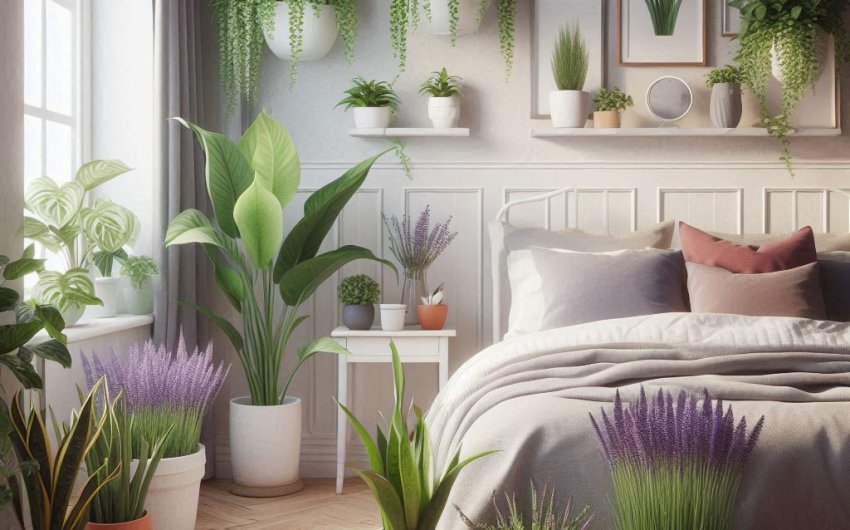
Our bedrooms are meant to be sanctuaries, spaces where we can unwind, destress, and prepare for a restful night's sleep. While comfortable bedding and a peaceful atmosphere are essential, the presence of living greenery can significantly enhance this tranquil environment. Adding bedroom houseplants offers more than just aesthetic appeal; certain plants possess unique qualities that can actively promote relaxation, purify the air, and even contribute to better sleep quality. It’s a natural and beautiful way to transform your sleeping space into a haven of calm, inviting deeper rest and rejuvenation.
Why Are Bedroom Houseplants Good for Relaxation and Sleep?
The idea of bringing plants into the bedroom might seem simple, but the benefits extend far beyond just adding a touch of green. Specific types of bedroom houseplants can genuinely impact your well-being, helping you unwind at the end of the day and potentially leading to more restorative sleep. It's about creating a holistic environment that supports your body's natural sleep cycles.
How Do Plants Affect Your Mind and Body?
The positive effects of plants on human well-being are increasingly recognized, and these benefits are especially valuable in the bedroom:
- Stress Reduction: Studies have shown that interacting with plants or simply being in their presence can lower cortisol levels (the stress hormone) and blood pressure. The calming green color and connection to nature can soothe the mind, making it easier to de-stress after a long day. This is a key reason for houseplants for better sleep.
- Improved Mood: Plants can create a more positive and peaceful atmosphere. Their vibrant life and natural beauty can uplift spirits and reduce feelings of anxiety, setting a serene mood conducive to sleep.
- Aesthetic Appeal: A well-placed plant adds natural beauty, texture, and a touch of organic life to a bedroom, making the space feel more inviting, comfortable, and personalized. This enhanced aesthetic contributes to a sense of calm.
- Connection to Nature: For those living in urban environments or apartments, bedroom houseplants provide a vital connection to the natural world, which can be grounding and calming.
- Positive Distraction: Focusing on the simple beauty and growth of a plant can draw attention away from stressful thoughts or worries, aiding in the transition to a relaxed state before sleep.
Can Plants Really Purify the Air?
Yes, plants are natural air purifiers, and this benefit is particularly important in an enclosed space like a bedroom where you spend many hours.
- NASA Clean Air Study: This famous study in the 1980s highlighted how certain houseplants are incredibly effective at removing common indoor air pollutants (Volatile Organic Compounds or VOCs). These pollutants can off-gas from furniture, carpets, paints, cleaning products, and even electronics, potentially affecting sleep quality and overall health.
- VOC Removal: Plants absorb carbon dioxide and release oxygen during photosynthesis. But they also absorb harmful VOCs like:
- Formaldehyde: Found in furniture, carpets, glues, and some fabrics.
- Benzene: Found in plastics, dyes, detergents, and synthetic fibers.
- Trichloroethylene (TCE): Found in paints, varnishes, and adhesives.
- Xylene and Toluene: Found in paint thinners, glues, and printing inks.
- Oxygen Release (Primarily during the day): While plants release oxygen primarily during the day (photosynthesis), some plants (succulents, snake plants) perform a different type of photosynthesis (CAM photosynthesis) and release oxygen at night, which can be a minor added benefit in the bedroom.
- Improved Respiratory Health: Cleaner air can reduce allergens and irritants, making it easier to breathe, which is fundamental for good sleep.
Choosing bedroom plants for air purification can actively contribute to a healthier sleeping environment.
Do Plants Compete for Oxygen at Night?
This is a common concern, but it's largely a myth that bedroom houseplants will "steal" your oxygen at night.
- Respiration vs. Photosynthesis: Plants perform photosynthesis during the day (absorbing CO2, releasing O2). At night, they respire (absorbing O2, releasing CO2), just like humans.
- Minute Amounts: The amount of oxygen a few houseplants consume at night through respiration is absolutely negligible compared to the oxygen you're breathing in a typical room. A sleeping human consumes far more oxygen than several plants combined. You'd need a jungle-dense room full of plants for it to have any noticeable impact on oxygen levels.
- Overall Benefit Outweighs: The air-purifying benefits, humidity regulation, and psychological effects of plants far outweigh the tiny amount of oxygen they respire at night.
So, don't worry – your bedroom houseplants are there to help, not hinder, your sleep!
What Are the Best Houseplants for a Bedroom?
When selecting bedroom houseplants, consider their air-purifying qualities, low-light tolerance, ease of care, and their overall calming effect. The goal is to choose plants that contribute to a serene atmosphere without adding stress to your routine.
Top Choices for Air Purification and Low Light
These plants are champions at cleaning the air and are very forgiving with light conditions, making them ideal for many bedrooms.
- Snake Plant (Sansevieria trifasciata):
- Why it's great: One of the easiest plants to care for, tolerant of very low light, and exceptionally good at removing formaldehyde, benzene, trichloroethylene, and xylene from the air. Crucially, it converts CO2 to oxygen at night via CAM photosynthesis, making it a stellar bedroom plant for air purification.
- Care: Thrives on neglect. Water only when the soil is completely dry. Less is more with watering.
- Placement: Perfect for a bedside table, dresser, or even a floor corner. A Snake Plant in a pot is an excellent starter.
- ZZ Plant (Zamioculcas zamiifolia):
- Why it's great: Another nearly indestructible plant that tolerates incredibly low light and infrequent watering. It's a powerhouse at removing xylene, toluene, and benzene. Its waxy, upright leaves have a sleek, modern look.
- Care: Water sparingly, allowing soil to dry out completely. Very sensitive to overwatering.
- Placement: Any low-light corner or spot where you want a reliable green presence.
- Pothos (Epipremnum aureum):
- Why it's great: Incredibly versatile and forgiving. Tolerates a wide range of light (low to bright indirect). Excellent for removing formaldehyde, benzene, carbon monoxide, and xylene. Its trailing vines look beautiful on shelves or hanging baskets.
- Care: Water when the top inch or two of soil is dry. Prune to encourage bushier growth.
- Placement: Hanging from the ceiling, on a tall dresser, or trailing from a shelf.
- Spider Plant (Chlorophytum comosum):
- Why it's great: Easy to care for, a classic houseplant, and effective at removing formaldehyde and xylene. Produces "spiderettes" (baby plants) that are fun to propagate. Looks great in hanging baskets.
- Care: Water when the top inch of soil is dry. They appreciate moderate humidity.
- Placement: Hanging basket, shelf, or bedside table.
Plants Known for Promoting Relaxation and Fragrance
Some plants offer the added benefit of pleasant aromas or specific calming properties.
- Lavender (Lavandula angustifolia):
- Why it's great: Famous for its soothing fragrance, which is known to reduce stress and anxiety and promote sleep.
- Care: Needs very bright, direct light (full sun if possible indoors), well-draining soil, and excellent air circulation. Can be tricky indoors without enough light.
- Placement: Best on a sunny windowsill. Consider a potted lavender plant for its aroma.
- Jasmine (Jasminum polyanthum or grandiflorum):
- Why it's great: Its sweet, intoxicating fragrance is known to calm the nervous system, reduce anxiety, and improve sleep quality.
- Care: Needs bright, indirect light, consistent moisture, and often a trellis or support to climb. Can be high maintenance.
- Placement: Near a window where you can enjoy its scent.
- Peace Lily (Spathiphyllum spp.):
- Why it's great: Elegant white "flowers" (actually modified leaves), excellent air purifier (removes ammonia, benzene, formaldehyde, trichloroethylene), and increases room humidity, which can help with breathing while sleeping.
- Care: Prefers bright, indirect light. Keep soil consistently moist but never soggy. Will dramatically droop when thirsty but perks up quickly after watering.
- Placement: On a dresser, nightstand, or floor if larger.
- Aloe Vera (Aloe barbadensis miller):
- Why it's great: Not just attractive, but its gel is famous for soothing burns and skin irritations – and it purifies the air (formaldehyde, benzene).
- Care: Needs bright, direct light. Very drought tolerant; water only when soil is completely dry.
- Placement: Sunny windowsill.
Other Great Bedroom Plant Choices
These offer beautiful foliage and are generally easy to care for, contributing to a calm ambiance.
- Chinese Evergreen (Aglaonema spp.):
- Why it's great: Beautiful patterned leaves (silver, pink, red varieties), tolerant of low light, and an excellent air purifier (formaldehyde, benzene). Very hardy.
- Care: Water when the top inch or two of soil is dry. Tolerates inconsistent watering better than some.
- Placement: Anywhere from a dim corner to a bright, indirect light spot.
- Prayer Plant (Maranta leuconeura):
- Why it's great: Beautifully patterned leaves that fold up at night (like hands in prayer) and unfold in the morning. Adds unique movement and color.
- Care: Needs bright, indirect light and high humidity. Keep soil consistently moist. Can be a bit more finicky with humidity than other "easy" plants.
- Placement: On a nightstand or shelf where you can observe its movement.
- Philodendron (Heartleaf Philodendron - Philodendron hederaceum):
- Why it's great: Classic trailing vine with heart-shaped leaves, very similar to Pothos in terms of easy care and adaptability, and good for purifying air.
- Care: Tolerates low to bright indirect light. Water when the top inch or two of soil is dry.
- Placement: Hanging basket, high shelf. A small Philodendron plant fits many spaces.
How to Care for Bedroom Houseplants for Optimal Health?
Proper care ensures your bedroom houseplants thrive, continue to purify the air, and contribute to a relaxing atmosphere. While each plant has unique needs, general guidelines apply, focusing on optimal conditions within the bedroom environment.
What Are the Best Watering Practices?
Watering is crucial. Overwatering is the most common killer of houseplants, but underwatering also stresses them.
- "Finger Test" is Key: Don't water on a fixed schedule. Instead, stick your finger 1-2 inches deep into the soil. Water only when the soil feels dry to the touch for most plants. For succulents like Snake Plant and ZZ Plant, let the soil dry out almost completely. Peace Lilies prefer to stay more consistently moist.
- Water Thoroughly: When you do water, water until excess drains from the bottom of the pot. This ensures the entire root ball gets hydrated.
- Drainage is Essential: Always use pots with drainage holes! Never let your plant sit in standing water in its saucer, as this leads to root rot. Empty saucers after 15-30 minutes.
- Consider Light: Plants in brighter spots will need more frequent watering than those in dimmer areas of your bedroom.
- Use Filtered Water (for sensitive plants): For plants like Peace Lily or Prayer Plant, sensitive to chlorine and fluoride, use filtered, distilled, or rainwater. A Brita water filter pitcher can be helpful.
How Should You Manage Light and Placement?
Bedroom lighting varies widely, so matching the plant to the light is essential.
- Assess Light: Observe your bedroom throughout the day.
- South/West-facing windows: Offer bright, direct light. Good for succulents, Aloe Vera, Lavender.
- East-facing windows: Offer bright, indirect morning light. Ideal for most Pothos, Philodendron, Peace Lily, Spider Plant.
- North-facing windows/Interior rooms: Offer low light. Perfect for Snake Plant, ZZ Plant, Chinese Evergreen.
- Rotate Plants: Periodically rotate your plants a quarter turn to ensure all sides receive even light, promoting balanced growth.
- Avoid Drafts: Keep plants away from drafty windows, air conditioning vents, or heating vents, as sudden temperature changes can stress them.
What About Humidity and Air Quality?
Bedrooms can be dry, especially with heating or AC.
- Increase Humidity: For humidity-loving plants, consider placing them on a pebble tray filled with water (ensure the pot sits on the pebbles, not in the water). A small cool-mist humidifier, such as a small cool mist humidifier, near your plants can also make a big difference. Misting offers a temporary boost.
- Air Circulation: Good airflow is important to prevent stagnant, humid conditions that can lead to fungal issues. Avoid overcrowding plants.
- Clean Leaves: Regularly wipe dust off plant leaves with a soft, damp cloth. Dust can block pores and reduce the plant's ability to photosynthesize and purify air.
How About Fertilizing and Pruning?
These maintenance tasks contribute to the long-term health and beauty of your bedroom houseplants.
- Fertilizing:
- When: Fertilize only during the active growing season (spring and summer).
- Type: Use a balanced liquid houseplant fertilizer at half or quarter strength, or a slow-release granular fertilizer.
- Frequency: Generally every 2-4 weeks for liquid, or as directed for slow-release. Less is more in the bedroom where growth might be slower.
- Avoid: Do not fertilize in fall and winter when most plants are dormant.
- Pruning:
- Remove Dead/Yellow Leaves: Snip off any dead, yellowing, or damaged leaves with clean scissors. This directs the plant's energy to healthy growth and improves appearance.
- Shape: For trailing plants, prune back long vines to encourage bushier growth.
By providing consistent and thoughtful care, your chosen bedroom houseplants will not only look beautiful but also actively contribute to a more peaceful, clean, and restful sleeping environment.