
Low-Light Houseplants: A Guide to Thriving in Shade
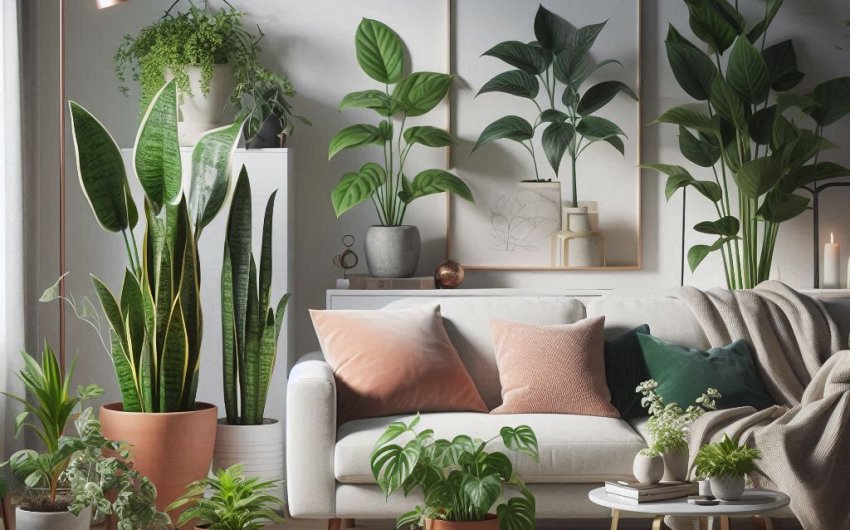
For many aspiring plant parents, the dream of a lush indoor jungle often bumps up against the reality of limited natural light. Not every home boasts south-facing windows, and sometimes, the perfect spot for a plant is simply a dimly lit corner or a shaded shelf. This common challenge often leads to frustration, as many popular houseplants require abundant sunshine to truly thrive. But here's a secret: a surprising number of green companions actually prefer to stay out of the spotlight.
Low-light houseplants are the unsung heroes of interior design, offering the beauty and air-purifying benefits of nature without demanding a prime, sun-drenched spot. These resilient botanical wonders are perfectly adapted to environments where light is scarce, drawing their energy from diffused illumination and tolerating conditions that would cause more sun-loving species to languish. They open up a world of possibilities for decorating those challenging, darker areas of your home or office, transforming once-empty spaces into vibrant, living accents.
This comprehensive guide will illuminate the path to successfully caring for houseplants in shade. We'll delve into understanding what "low light" truly means indoors, identify the best species that are genetically wired to thrive in these conditions, and provide essential care tips to ensure your shadowy green friends not only survive but genuinely flourish. Get ready to discover the magic of bringing natural beauty to every corner of your home, proving that even in the dimmest spots, your plants can truly thrive.
What Does "Low Light" Actually Mean for Houseplants?
When a plant tag says "low light tolerant," it doesn't mean "no light." It's important to understand what "low light" actually means in the world of houseplants to set your plants up for success.
Understanding Light Intensity Indoors
Natural light inside our homes is much weaker than outdoor light, even on a cloudy day.
- Bright Direct Light: Sunlight coming straight through a window, hitting the plant leaves without any filter. This is like standing outside in full sun. (Most low-light houseplants do NOT want this.)
- Bright Indirect Light: A bright room, usually near a window, but where the sun's rays don't directly touch the plant. The light might be filtered through a sheer curtain, or the plant is a few feet away from a very sunny window. This is the ideal light for many common houseplants.
- Medium Indirect Light: A spot further away from a window (4-8 feet), or in a room with a window that gets less intense light (like an east-facing window). The room is still well-lit during the day, but there's no bright glare.
- Low Light: This is a spot that receives very little natural light.
- Far from a Window: A corner 10-15 feet away from even a bright window.
- North-Facing Window: A room with only a north-facing window, which gets the least intense and indirect light all day.
- Blocked Light: A spot blocked by heavy curtains, furniture, or other buildings outside.
- Hallways or Bathrooms with Small Windows: Often very dim.
What Low-Light Tolerant Plants Do
Low-light houseplants are typically those that, in their natural habitat, grow on the forest floor, under the canopy of larger trees. They are adapted to:
- Utilize Diffused Light: They can efficiently use the scattered light that filters through leaves and branches.
- Slow Growth: They generally grow much slower in low light because they are producing less energy through photosynthesis. This means they need less water and less fertilizer.
- Survival vs. Thriving: While they can survive in low light, many will thrive (grow faster, show more vibrant colors, produce more leaves) in medium or even bright indirect light. Think of low light as their survival mode.
How to Test Your Light (The Book Test)
A simple way to tell if a spot is "low light" or "medium light" is the Book Test:
- Hold a book (or your hand) up in the spot where you want to place the plant.
- If you can read the book easily and clearly, it's at least medium light.
- If you can barely read the book, or it's hard to make out the words, it's a low light spot.
Understanding this distinction helps you pick the right plant for the right spot, ensuring your houseplants thrive in shade rather than just struggling to survive.
What Are the Best Low-Light Houseplants?
These houseplants are truly superstars at thriving in low light conditions, making them perfect for those challenging dim corners or rooms with limited natural light.
1. Snake Plant (Sansevieria trifasciata)
- Why it's a top choice: The absolute champion of low-light tolerance. It's incredibly resilient and almost impossible to kill.
- Appearance: Upright, sword-like leaves, often with green and yellow or silver patterns.
- Air Purifier: Famous for removing toxins like formaldehyde, benzene, and trichloroethylene from the air, and uniquely, it releases oxygen at night (a CAM plant).
- Care tips:
- Water: The biggest mistake is overwatering. Allow the soil to dry out completely between waterings, especially in low light (this might mean every 3-6 weeks, or even longer in winter).
- Soil: Needs well-draining succulent/cactus potting mix.
- Placement: Can sit far from a window, in a north-facing room, or in a dim hallway.
- Look for: Varieties like 'Laurentii' (yellow edges), 'Zeylanica' (dark green mottled), or 'Moonshine' (silvery green). A Snake Plant Laurentii live plant is a classic.
2. ZZ Plant (Zamioculcas zamiifolia)
- Why it's a top choice: Another incredibly tough and drought-tolerant plant. Its glossy, deep green leaves grow on upright stems, giving it a striking architectural look.
- Appearance: Thick, waxy, dark green leaves on upright stalks.
- Resilience: Stores water in its thick rhizomes (underground stems), allowing it to go for long periods without water.
- Air Purifier: Also helps remove toxins like xylene, toluene, and benzene.
- Care tips:
- Water: Even more tolerant of neglect than a Snake Plant. Water only when the soil is bone dry. Overwatering is the only real way to kill it.
- Light: Thrives in low light but will grow faster in medium to bright indirect light. Avoid direct sun.
- Warning: All parts of the plant are mildly toxic if ingested, so keep away from pets and curious children.
- Look for: Standard green ZZ plant, or the darker 'Raven' variety. A healthy ZZ plant live plant will quickly become a favorite.
3. Pothos (Epipremnum aureum)
- Why it's a top choice: A classic trailing vine that is incredibly adaptable and forgiving. Its cascading foliage makes it great for shelves or hanging baskets.
- Appearance: Heart-shaped leaves, often variegated with splashes of yellow ('Golden Pothos') or white ('Marble Queen', 'N'Joy').
- Air Purifier: Filters formaldehyde, benzene, and xylene.
- Easy to Propagate: Cuttings root easily in water.
- Care tips:
- Light: Tolerates low light but the variegation will be more pronounced in medium to bright indirect light. In very low light, leaves might become plain green.
- Water: Water when the top few inches of soil feel dry. It will tell you it's thirsty by slightly drooping.
- Warning: Mildly toxic if ingested.
- Look for: Golden Pothos live plant for easy trailing.
4. Peace Lily (Spathiphyllum)
- Why it's a top choice: Elegant plant known for its beautiful white "flowers" (actually modified leaves called spathes) and glossy green foliage.
- Appearance: Dark green leaves and white, flag-like blooms.
- Air Purifier: Filters a wide range of toxins, including formaldehyde, benzene, and trichloroethylene.
- Humidity Indicator: Its leaves visibly droop when thirsty, making it easy to know when to water.
- Care tips:
- Light: Prefers medium to low indirect light. Direct sun can scorch its leaves. Too low light will reduce flowering.
- Water: Likes consistently moist soil, but not soggy. It will droop dramatically when thirsty, but perks up quickly after watering.
- Warning: Mildly toxic if ingested.
- Look for: Various sizes, from tabletop to large floor plants. A Peace Lily live plant adds elegance.
5. Cast Iron Plant (Aspidistra elatior)
- Why it's a top choice: Lives up to its name – incredibly tough and long-lived. It can truly survive in very neglected, dark corners.
- Appearance: Long, dark green, leathery leaves that emerge directly from the soil.
- Extreme Tolerance: Tolerates low light, infrequent watering, varying temperatures, and even some dust and pollution.
- Care tips:
- Light: Happy in low light to medium indirect light. Avoid direct sun.
- Water: Water when the top few inches of soil are dry. It's better to underwater than overwater.
- Growth: Very slow growing.
- Look for: A robust Cast Iron Plant for a truly unkillable option.
These five are excellent choices for anyone looking for low-light houseplants that truly thrive in shade, bringing beauty and fresh air to the dimmest spots in your home.
What Are Essential Care Tips for Low-Light Houseplants?
While low-light houseplants are tough, they still need the right care to truly thrive in shade. Their needs are often different from sun-loving plants, especially when it comes to watering.
1. Watering: The Biggest Difference!
- Less is More: This is the most crucial tip. Plants in low light use water much, much slower than plants in bright light because they are photosynthesizing less and water evaporates slower.
- Avoid Overwatering: Overwatering is the number one killer of low-light plants. If the soil stays soggy, roots will suffocate and rot.
- Check Before You Water: Don't water on a schedule. Always check the soil moisture first. Stick your finger 2-3 inches deep into the soil. For most low-light plants, allow the top few inches (or even the entire pot, depending on the plant type like ZZ or Snake Plant) to dry out completely before watering again.
- Thorough Watering: When you do water, water thoroughly until you see water draining from the bottom of the pot. Then, discard any excess water in the saucer.
2. Potting Mix and Drainage
- Well-Draining Soil: Always use a good quality, well-draining potting mix. For many low-light plants (like Snake Plants, ZZ Plants), a succulent or cactus mix is ideal, or you can amend regular potting soil with extra perlite or pumice to improve drainage.
- Drainage Holes: Your pot must have drainage holes. If your decorative pot doesn't have one, plant your houseplant in a slightly smaller nursery pot with drainage holes and place that inside the decorative pot. Never let the plant sit in standing water.
3. Fertilizing: Go Easy!
- Rarely Needed: Because low-light plants grow much slower, they don't use up nutrients quickly. Most low-light houseplants need very little, if any, fertilizer.
- When to Fertilize (If At All): If you choose to fertilize, do it only during the active growing season (spring and summer) and only once or twice a year, if that.
- Dilution: Always dilute your liquid fertilizer to half or even quarter strength of what the bottle recommends. Too much fertilizer can burn roots and cause salt buildup.
4. Cleaning the Leaves
- Remove Dust: Even in low light, dust can accumulate on plant leaves. This dust can block the limited light available to the plant and hinder photosynthesis.
- How to Clean: Gently wipe the leaves with a soft, damp cloth or sponge every few weeks or months. This keeps them clean and allows them to absorb light efficiently.
5. Temperature and Humidity
- Stable Temperatures: Most low-light houseplants prefer average room temperatures (65-75°F or 18-24°C). Avoid sudden drops or cold drafts, which can stress them.
- Humidity (Generally Not Critical): Unlike many other tropical plants, most popular low-light plants (Snake Plant, ZZ Plant, Pothos, Cast Iron Plant) are quite tolerant of average household humidity levels and don't require extra misting or humidifiers. Peace Lilies prefer slightly higher humidity but are still adaptable.
6. Repotting
- Infrequent: Because they grow slowly, low-light plants don't need frequent repotting. Only repot when they are clearly root-bound (roots coming out of drainage holes) or the pot is bulging.
- Size: When repotting, only go up one pot size (e.g., from 6-inch to 8-inch). A pot that is too large holds too much soil, which stays wet longer and increases the risk of root rot.
By following these tailored care tips, you can ensure your low-light houseplants not only survive but truly thrive in shade, bringing continuous greenery and life to every corner of your home.
Can I Use Artificial Light to Help Low-Light Houseplants?
Even though low-light houseplants are adapted to dimmer conditions, providing them with some artificial light can actually help them grow faster, develop more vibrant colors, and stay healthier overall. It's not about making them suddenly sun-lovers, but giving them a boost!
Why Consider Grow Lights for Low-Light Plants?
- Enhanced Growth: While they tolerate low light, more light (even artificial) means more energy for the plant to perform photosynthesis. This leads to faster, more robust growth.
- Maintain Variegation: For plants like Pothos or ZZ 'Raven', brighter (but still indirect) light often helps maintain or even enhance their beautiful variegation or dark leaf colors. In very low light, these patterns can fade.
- Prevent Stretching (Minor Etiolation): Even tough low-light plants can show subtle signs of stretching in truly dark corners. Supplemental light helps keep them compact.
- Year-Round Consistency: In regions with dark winters, grow lights can provide consistent light levels when natural light is very limited.
Types of Artificial Lights to Consider
You don't need a super powerful, expensive grow light for most low-light houseplants.
- LED Grow Lights (Full Spectrum):
- Best Choice: These are the most energy-efficient, longest-lasting, and produce very little heat.
- Full Spectrum: Look for "full spectrum" LEDs. This means they emit light across the entire color spectrum that plants need for growth. Many basic LED grow light for houseplants are perfect.
- Wattage: You don't need very high wattage for low-light plants. A 10-20W full-spectrum LED bulb might be plenty for one or two plants.
- Fluorescent Lights (T5 or T8):
- Good Option: These are also effective and more affordable than some LEDs. T5 or T8 fixtures (long tube lights) are often used for shelving units.
- Color Temperature: Look for "daylight" or "cool white" bulbs (5000K-6500K), which mimic natural sunlight.
- Regular LED Bulbs (with caution):
- Some brighter "daylight" (5000K+) household LED bulbs can provide some benefit if they are very bright (high lumens) and placed close to the plant. However, they are not designed for plants and won't be as effective as dedicated grow lights.
How to Use Grow Lights Effectively
- Distance: Place the light relatively close to the plant, typically 1-2 feet (30-60 cm) above the foliage. For weaker bulbs, you might need to go closer. Watch your plant for signs of stress (scorching) if too close.
- Duration: Most low-light houseplants will benefit from 8-12 hours of supplemental light per day.
- Timer: Use a simple grow light timer to ensure consistent light duration and make your life easier.
- Observe Your Plants: Always watch how your plants respond. If they start to look pale, yellow, or leggy, they might need more light. If they look stressed or burnt, move the light further away.
Even for plants that thrive in shade, a little boost from artificial light can unlock their full potential, resulting in bushier, more vibrant, and healthier low-light houseplants.
How Can I Decorate with Low-Light Houseplants?
Low-light houseplants offer fantastic opportunities to add greenery and style to areas of your home where other plants wouldn't dare to venture. Their versatility allows for creative decorating.
1. Elevate with Shelves and Plant Stands
- Vertical Greenery: Use wall-mounted shelves, floating shelves, or tiered plant stands to add layers of greenery to empty walls or corners.
- Trailing Plants: Pothos and ZZ plants look amazing cascading down from a high shelf. Place a ZZ plant or a Snake Plant on a taller plant stand to add height and draw the eye upwards in a dim corner.
- Example: A multi-tiered plant stand for indoor plants can hold several plants.
2. Hanging Baskets
- Maximize Space: If floor or shelf space is limited (common in smaller bedrooms or apartments), hanging baskets are perfect for trailing low-light plants.
- Window Placement: Hang them near windows (but not necessarily in direct sun) to make the most of vertical light.
- Plants: Pothos and Spider Plants are ideal for hanging baskets due to their vining or arching growth habits. A macrame plant hanger for indoor plants adds a boho touch.
3. Bathroom Oasis
- Humidity (Bonus for some): Bathrooms often have higher humidity, which some low-light plants like Peace Lilies appreciate.
- Placement: On the counter, windowsill (if not too dark), or a small shelf. Snake Plants and ZZ Plants are also great choices for bathrooms due to their low-light and low-water needs.
4. Grouping for Impact
- Create a Cluster: Instead of scattering single plants, group a few low-light plants together. This creates a fuller, more impactful display and can even help create a micro-climate of slightly higher humidity.
- Vary Heights and Textures: Combine upright Snake Plants with trailing Pothos or a mounding Peace Lily for visual interest.
5. Choose the Right Pots
- Complement Your Decor: Select pots that match your room's style. Ceramic, terracotta, or modern minimalist planters can elevate the look of even the simplest plant.
- Color Contrast: A vibrant green plant in a bright white or terracotta pot can really pop in a darker space.
- Drainage is Key: Always ensure pots have drainage holes, regardless of their aesthetic appeal. A stylish ceramic pot with drainage hole is essential.
6. Consider Tall Floor Plants
- Fill Empty Corners: For larger, empty corners or next to furniture, a large Snake Plant or ZZ Plant can act as a striking floor plant, adding a vertical element and natural texture.
By thinking creatively about placement and pairing your low-light houseplants with complementary containers and decor, you can transform even the dimmest areas into vibrant, living spaces that truly thrive in shade.