
Shade-Loving Houseplants: Perfect for Dark Corners
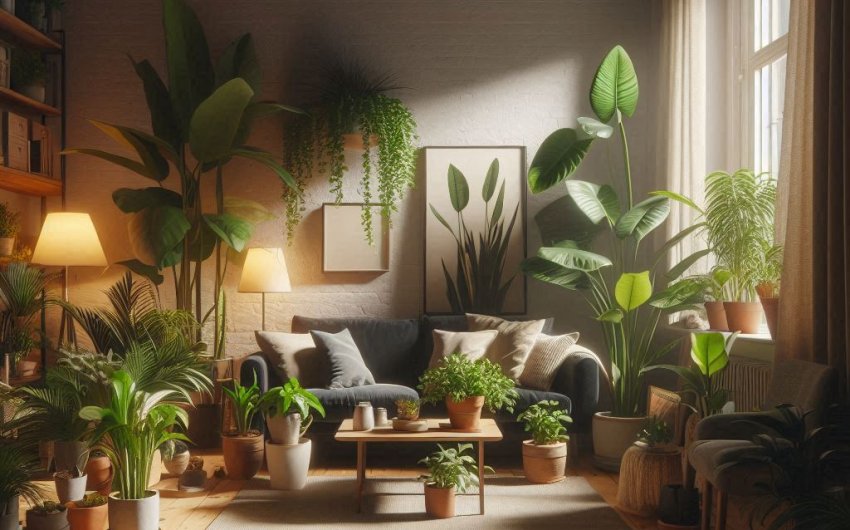
One of the most common challenges for aspiring indoor gardeners is finding plants that thrive in less-than-sunny spots. Not every home is blessed with abundant south-facing windows, and many rooms feature cozy corners or north-facing exposures that receive limited natural light. Far from being a hindrance, these darker nooks present a wonderful opportunity to introduce greenery with shade-loving houseplants. These resilient beauties are perfectly adapted to low-light conditions, transforming dim areas into lush, vibrant displays.
Shade-loving houseplants aren't just survivors; they are often incredibly beautiful, with diverse foliage, unique textures, and air-purifying qualities. They offer a fantastic way to add life and warmth to even the gloomiest corners of your home, proving that you don't need a sun-drenched conservatory to enjoy the benefits of indoor plants. This guide will unveil the best choices for low-light environments and provide essential tips for their care, ensuring your darkest corners become thriving havens of green.
What Does "Low Light" Mean for Houseplants?
Understanding what "low light" truly signifies in the context of houseplant care is the first step to successful indoor gardening, especially for shade-loving houseplants. It's a common misconception that "low light" means "no light," but plants still need some light to survive and thrive.
Defining Light Levels in Your Home
When discussing light for houseplants, we're talking about the intensity and duration of indirect natural light. Direct sunlight means the sun's rays directly hit the plant, often for several hours a day. Indirect light means the light is diffused, either by passing through a sheer curtain, bouncing off a wall, or coming from a window that doesn't get direct sun.
Here’s a simple breakdown of indoor light levels:
- Bright, Direct Light: South-facing windows (in the Northern Hemisphere) typically receive direct sun for several hours a day. Plants that love this are often succulents, cacti, and many flowering plants. (Not for shade-lovers!)
- Bright, Indirect Light: This is usually the brightest area in a room without direct sun hitting the plant. Think of a few feet away from a south or west-facing window, or near a large east-facing window. Many common houseplants thrive here.
- Medium Light: Areas further from a window (5-8 feet away) or rooms with only north-facing windows. This light is consistent but not intense. Plants here can typically handle some shade.
- Low Light: Areas that receive very little natural light. This could be a north-facing window in a room with an overhang, a corner far from any window, or a room with only very small windows. In low light, you typically can't read a book comfortably without turning on a lamp during the day. This is the realm of true shade-loving houseplants.
What Happens to Plants in Low Light?
Plants need light for photosynthesis, the process where they convert light energy into chemical energy (food) for growth.
- Survival vs. Thriving: Even shade-loving houseplants need some light to photosynthesize. In extremely low light, plants will merely survive, not truly thrive. Their growth will slow dramatically, and they may show signs of stress.
- Adapting to Low Light: Plants adapted to low light (like those from forest understories) have evolved to be very efficient at capturing the minimal light available. They often have darker green leaves (more chlorophyll), larger leaves, or thinner leaves to maximize light absorption.
- Signs of Insufficient Light (Even for Shade Lovers):
- Leggy Growth: Stems stretch out with long spaces between leaves as the plant "reaches" for light.
- Small, Pale Leaves: New leaves are smaller than old ones and lighter in color, indicating insufficient chlorophyll production.
- Dropping Leaves: Especially lower leaves, as the plant sacrifices old growth to conserve energy.
- Lack of Variegation: Variegated (two-toned) leaves may lose their patterns and turn solid green in an attempt to produce more chlorophyll.
- No New Growth: The plant simply stops growing.
When choosing a shade-loving houseplant, understand that "low light" means consistently dim, indirect light, not complete darkness. Even these adaptable plants need a baseline of ambient light to be healthy and beautiful.
What Are the Best Shade-Loving Houseplants?
For those darker corners or north-facing rooms, specific houseplants truly shine. These resilient beauties are not only tolerant of low light but often thrive, bringing lush greenery and vibrant life to otherwise dim spaces.
1. Snake Plant (Sansevieria trifasciata)
- Why it's Good for Low Light: One of the absolute champions of low light. Native to arid regions, it stores water in its thick, succulent leaves and can tolerate long periods of low light. It can survive in remarkably dim corners.
- Appearance: Striking, upright, sword-like leaves, often with green and yellow or white variegation. Available in various heights and leaf patterns.
- Care Tips:
- Watering: Very forgiving of neglect. Water thoroughly, then let the soil dry out completely between waterings, especially in low light where water evaporates slowly. Overwatering is its main killer.
- Light: Tolerates low light to bright indirect light. Avoid direct scorching sun.
- Temperature: Average room temperatures (65-80°F / 18-27°C).
- Pros: Extremely low maintenance, air-purifying, drought-tolerant, visually striking.
- Cons: Overwatering is the biggest risk.
- A Sansevieria plant is an excellent first choice.
2. ZZ Plant (Zamioculcas zamiifolia)
- Why it's Good for Low Light: Another virtually indestructible plant, the ZZ plant thrives on neglect and can handle very low light levels due to its thick, waxy leaves and rhizomes (underground stems) that store water.
- Appearance: Glossy, dark green, oval-shaped leaves growing along upright, arching stems, giving it a lush, tropical look.
- Care Tips:
- Watering: Water sparingly. Let the soil dry out completely between waterings. When in doubt, wait longer.
- Light: Tolerates very low light, but will grow faster in medium indirect light.
- Temperature: Average room temperatures.
- Pros: Extremely drought-tolerant, very low maintenance, resistant to pests, air-purifying.
- Cons: Overwatering is the only real threat.
- A ZZ plant adds a touch of modern sophistication.
3. Pothos (Epipremnum aureum)
- Why it's Good for Low Light: Pothos is incredibly adaptable and can tolerate a wide range of light conditions, from low to bright indirect. Its trailing vines make it versatile for shelves or hanging baskets.
- Appearance: Heart-shaped leaves, often variegated with splashes of yellow (Golden Pothos) or white (Marble Queen Pothos). Green varieties are most tolerant of lowest light.
- Care Tips:
- Watering: Water when the top 1-2 inches of soil are dry. Less frequent watering in lower light.
- Light: Tolerates low to bright indirect light. Variegation may lessen in very low light.
- Temperature: Average room temperatures.
- Pros: Very easy to grow, tolerant of neglect, versatile trailing habit, air-purifying, easy to propagate.
- Cons: Can get leggy in very low light; toxic if ingested by pets.
- A Golden Pothos plant is a beginner's favorite.
4. Philodendron (Heartleaf Philodendron - Philodendron hederaceum)
- Why it's Good for Low Light: Similar to Pothos in its ease of care and adaptability to low light, making it a classic choice for dim spots.
- Appearance: Glossy, heart-shaped leaves, typically dark green, on long, trailing vines.
- Care Tips:
- Watering: Water when the top inch of soil is dry.
- Light: Tolerates low to bright indirect light.
- Temperature: Average room temperatures.
- Pros: Very easy to grow, resilient, versatile, air-purifying.
- Cons: Can get leggy in very low light; toxic if ingested by pets.
- A heartleaf philodendron adds a lush touch.
5. Peace Lily (Spathiphyllum)
- Why it's Good for Low Light: Known for its dramatic wilting when thirsty (making it easy to tell when to water!) and its beautiful white "flowers" (actually modified leaves called spathes) that bloom even in lower light.
- Appearance: Glossy, dark green leaves on long stems, with elegant white spathes.
- Care Tips:
- Watering: Water when the plant starts to droop slightly. Keep soil consistently moist, but not soggy.
- Light: Prefers low to medium indirect light. Direct sun can scorch leaves.
- Temperature: Prefers warmer, humid conditions (65-80°F / 18-27°C).
- Pros: Beautiful blooms even in low light, very communicative when thirsty, air-purifying.
- Cons: Can be sensitive to chlorinated water (let tap water sit for 24 hours), toxic if ingested by pets.
- A Peace Lily plant brings elegance.
6. Cast Iron Plant (Aspidistra elatior)
- Why it's Good for Low Light: Its name says it all – tough as cast iron! This plant is incredibly resilient and can tolerate very deep shade, cold drafts, and neglect.
- Appearance: Large, dark green, broad, leathery leaves on upright stems.
- Care Tips:
- Watering: Allow soil to dry out between waterings. Less frequent watering in low light.
- Light: Tolerates deep shade to low light. Avoid direct sun.
- Temperature: Tolerates a wide range of temperatures, including cooler conditions.
- Pros: Extremely hardy, highly tolerant of neglect and very low light, pest-resistant.
- Cons: Slow grower, can be expensive for larger plants.
- A Cast Iron plant is ideal for truly challenging spots.
7. Dracaena (various species like 'Janet Craig', 'Limelight', Mass Cane)
- Why it's Good for Low Light: Many Dracaena varieties are remarkably adaptable to lower light levels, thriving in spots where other plants would struggle.
- Appearance: Varies greatly by species, from tall, upright stems with strap-like leaves (e.g., 'Mass Cane') to bushier forms with broad, colorful leaves (e.g., 'Janet Craig Compacta', 'Limelight').
- Care Tips:
- Watering: Water when the top 1-2 inches of soil are dry. Sensitive to fluoride in tap water (can cause brown leaf tips).
- Light: Prefers medium to low indirect light.
- Temperature: Average room temperatures.
- Pros: Air-purifying, architectural forms, can grow quite tall, wide variety of leaf patterns.
- Cons: Sensitive to fluoride; toxic if ingested by pets.
- A Dracaena 'Janet Craig' plant is a resilient choice.
By choosing from these resilient and beautiful shade-loving houseplants, you can bring life and vibrancy to any dim corner of your home, enjoying the benefits of indoor greenery without the need for constant sunlight.
How Do I Care for Shade-Loving Houseplants?
While shade-loving houseplants are generally forgiving, understanding their specific needs in a low-light environment is key to ensuring they don't just survive, but truly thrive and maintain their beauty.
1. Watering (The Most Critical Aspect in Low Light)
This is where most people go wrong with low-light plants.
- Less is More: In low light, water evaporates much slower from the soil. Therefore, shade-loving houseplants need significantly less frequent watering than plants in brighter conditions.
- Check Soil Moisture: Never water on a schedule. Always check the soil moisture before watering. Stick your finger 1-2 inches into the soil. For most shade-lovers, allow the top 1-2 inches (or even more for Snake Plants and ZZ Plants) to dry out completely before watering again. For some, like Peace Lilies, you water when they just start to show a slight droop.
- Avoid Overwatering: This is the number one killer of shade-loving plants. Constant wetness leads to root rot, where roots suffocate and die, leading to yellowing leaves, wilting (ironically, similar to underwatering!), and eventually plant death.
- Drainage: Ensure your pots have drainage holes and that excess water drains away completely. Do not let plants sit in standing water in their saucers for prolonged periods. A good plant drainage saucer helps contain drips.
2. Light Requirements (Even for "Shade-Loving" Plants)
- "Low Light" ≠ "No Light": Even shade-loving plants need some ambient light for photosynthesis. Don't put them in a closet! They will survive longest in spots with consistent, diffused indirect light.
- Rotate Periodically: Rotate your plant every few weeks to ensure all sides get even light exposure, preventing it from leaning or growing lopsidedly.
- Signs of Too Little Light: If your plant starts getting leggy (stretching towards light), new leaves are smaller or paler than older ones, or variegated leaves lose their patterns, it's a sign it needs a slightly brighter spot.
- Supplemental Lighting (Optional): If a corner is truly dark, even a small, inexpensive LED grow light bulb placed above the plant for 8-12 hours a day can make a huge difference in its vitality, even for low-light plants.
3. Temperature and Humidity
- Average Room Temperatures: Most shade-loving houseplants prefer average indoor temperatures between 65-80°F (18-27°C). Avoid placing them near cold drafts from windows or vents, or near heat sources like radiators.
- Humidity: While many are tolerant, a little extra humidity is generally appreciated, especially by plants like Peace Lilies.
- Grouping Plants: Grouping plants together slightly increases local humidity.
- Pebble Trays: Place pots on a pebble tray with water (ensure the pot itself isn't sitting in water).
- Misting (Use with Caution): Misting can temporarily raise humidity, but if not done correctly (fine mist, good air circulation), it can encourage fungal diseases on leaves.
4. Fertilizing (Less Frequent in Low Light)
- Reduced Needs: Because plants grow slower in low light, their nutrient needs are also lower. Over-fertilizing can burn roots.
- Frequency: Fertilize much less frequently than recommended for brighter conditions. For most shade-lovers, once every 2-4 months during the active growing season (spring/summer) is plenty, or even less often.
- Type: Use a balanced liquid houseplant fertilizer diluted to half or quarter strength. Avoid fertilizing at all during fall and winter when growth naturally slows down.
5. Repotting
- Infrequent: Because they grow slower, shade-loving houseplants typically need to be repotted less often than fast-growing plants in bright light – usually every 2-3 years, or when they become root-bound.
- Signs: Roots circling the pot, water running straight through, plant drying out very quickly between waterings.
- Soil: Use a good quality, well-draining indoor potting mix.
6. Cleaning Leaves
- Dust Accumulation: Dust can accumulate on leaves, especially in dim corners, blocking the minimal light available for photosynthesis.
- Wipe Leaves: Regularly wipe leaves gently with a damp cloth to keep them clean and maximize light absorption.
By focusing on less frequent watering, providing consistent (even if dim) light, and reducing fertilization, you can ensure your shade-loving houseplants flourish, bringing vibrant greenery and a touch of nature to every corner of your home.