
How Do You Care for an Aloe Vera Plant?
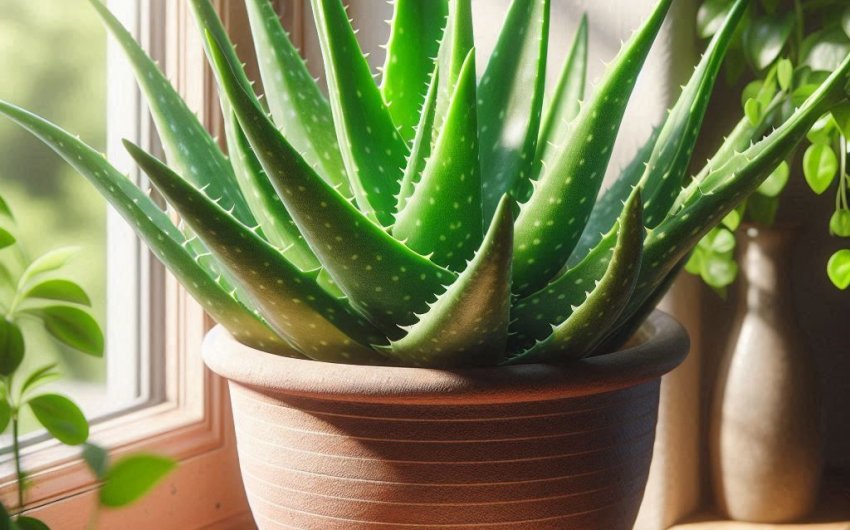
An Aloe Vera plant (Aloe barbadensis miller) is much more than just a beautiful succulent; it's a living first-aid kit, revered for centuries for the soothing gel contained within its fleshy leaves. Its striking, architectural form and low-maintenance nature make it a popular choice for both seasoned gardeners and beginners alike. However, while generally forgiving, knowing how to care for an Aloe Vera plant properly is essential to ensure it thrives, produces ample healthy leaves, and continues to be a ready source of its remarkable medicinal properties.
What Makes the Aloe Vera Plant So Special?
Before diving into the specifics of care, let's appreciate why the Aloe Vera plant stands out among houseplants.
What Kind of Plant is Aloe Vera?
Aloe Vera is a succulent, meaning it has adapted to store water in its thick, fleshy leaves. It belongs to the Asphodelaceae family (formerly in the lily family) and is native to arid regions, primarily the Arabian Peninsula.
- Rosette Growth: Its leaves grow in a rosette pattern, fanning out from a central stem.
- Distinctive Appearance: Leaves are typically grayish-green, often with jagged edges and small, soft "teeth." Some varieties may have white flecks.
- Medicinal Properties: The clear gel inside the leaves is famous for its anti-inflammatory, soothing, and healing properties, commonly used for burns, cuts, and skin irritations.
Why is Understanding its Natural Habitat Important?
Knowing that Aloe Vera hails from hot, dry, and sunny environments gives us crucial clues about its indoor care requirements.
- Abundant Sunlight: In its native habitat, it receives ample direct sunlight.
- Well-Draining Soil: It grows in sandy, rocky soils that drain water quickly. It cannot tolerate standing water.
- Drought Tolerance: Its water-storing leaves allow it to survive long periods without rain.
What are the Benefits of Having an Aloe Vera Plant at Home?
Beyond its aesthetic appeal, an Aloe Vera plant offers practical advantages.
- Natural First Aid: The most well-known benefit. A broken leaf provides instant access to a soothing gel for minor burns, sunburns, insect bites, and skin irritations.
- Air Purification: Like many succulents, Aloe Vera can help purify indoor air by absorbing certain toxins. It's also unique among plants in that it releases oxygen at night, making it a good choice for bedrooms.
- Low Maintenance: Once you understand its basic needs, it's one of the most forgiving and resilient houseplants.
- Easy to Propagate: It readily produces "pups" or offsets, making it easy to grow new plants for free and share with friends.
What Are the Essential Care Requirements for Your Aloe Vera Plant?
Providing the right environment for your Aloe Vera will ensure its long-term health and vitality.
How Much Light Does an Aloe Vera Plant Need?
- Bright, Direct Sunlight is Best: Aloe Vera loves sunshine. Place your plant in the brightest spot you can offer indoors. A south or west-facing window that receives several hours of direct sun is ideal.
- Acclimatization: If moving an aloe from a lower-light spot to intense direct sun (or outdoors for summer), do so gradually over a week or two to prevent sunburn.
- Signs of Too Little Light: If your aloe isn't getting enough light, its leaves may appear pale, thin, or stretched out (etiolated), and growth will be stunted.
How Do You Water an Aloe Vera Plant Correctly?
This is the most critical aspect of Aloe Vera care, as overwatering is the leading cause of problems.
- "Soak and Dry" Method: The golden rule for succulents. Water thoroughly until water drains from the bottom of the pot. Then, allow the soil to dry out completely, and stay dry for a few days, before watering again.
- Frequency: The frequency will vary greatly depending on light, temperature, humidity, and pot size. In summer, you might water every 2-4 weeks. In winter, when the plant is dormant, you might water only once a month or even less.
- The Finger Test: Stick your finger 2-3 inches deep into the soil. If it feels completely dry, it's time to water.
- Signs of Overwatering: Leaves become soft, mushy, yellow, or translucent, often accompanied by root rot (black, mushy roots and a foul smell from the soil).
- Signs of Underwatering: Leaves will thin, curl inwards, or shrivel as they use up their stored water. They'll perk up quickly after watering.
- Avoid Wet Leaves: Try to water the soil directly, avoiding getting water trapped in the rosette (center) of the plant, especially in cooler weather, as this can lead to rot.
What Kind of Soil and Pot Should You Use?
- Extremely Well-Draining Potting Mix: This is absolutely crucial for Aloe Vera. Standard potting soil holds too much moisture.
- Recommended Mix: Use a specialized cactus and succulent potting mix.
- DIY Mix: You can create your own by mixing regular indoor potting soil with coarse sand, perlite, or pumice (a 1:1 ratio of potting soil to grit is a good starting point). A bag of succulent and cactus mix is readily available.
- Drainage Holes are Essential: Always, always use a pot with at least one drainage hole. Water must be able to escape freely to prevent root rot.
- Pot Material: Unglazed terra cotta pots are often ideal for Aloe Vera because they are porous and allow excess moisture to evaporate through their sides, helping the soil dry out faster. A terra cotta plant pot is a great choice.
- Pot Size: Choose a pot that is appropriate for the size of your plant and its root ball. Aloes like to be slightly root-bound, and their roots tend to grow outwards rather than deep. Too large a pot will hold too much moisture.
What About Temperature and Humidity?
- Warm Temperatures: Aloe Vera prefers warm temperatures, ideally between 65-80°F (18-27°C). Protect it from frost, as it is not cold-hardy.
- Low Humidity: Unlike many tropical houseplants, Aloe Vera thrives in low to average indoor humidity. It does not require misting.
- Air Circulation: Good airflow helps dry the soil and prevents fungal issues.
How and When Do You Fertilize an Aloe Vera Plant?
- Sparingly and During Growing Season: Aloe Vera is not a heavy feeder. Fertilize sparingly, usually once a month during its active growing season (spring and summer).
- Diluted Fertilizer: Use a balanced liquid houseplant fertilizer (e.g., 10-10-10 or 5-10-10) diluted to half or quarter strength.
- Avoid Dormancy: Do not fertilize in fall and winter when the plant is dormant. Over-fertilizing can lead to salt buildup and root burn.
What Are Important Maintenance Tasks for Your Aloe Vera Plant?
Beyond basic care, a few tasks will keep your aloe thriving and producing those valuable pups.
1. Repotting Your Aloe Vera
- When to Repot: Repot your Aloe Vera when it becomes root-bound (roots are circling the pot or growing out of drainage holes) or when it has produced a significant number of "pups" that are crowding the pot. This is usually every 2-3 years.
- Timing: The best time to repot is in spring or early summer, during its active growing period.
- Process:
- Gently remove the plant from its old pot.
- Carefully separate any "pups" (baby plants) if you wish to propagate them (see below).
- Inspect roots and trim off any dead or mushy roots.
- Replant the main plant (and pups) in a slightly larger pot (or separate pots for pups) with fresh, well-draining cactus/succulent mix.
- Don't water immediately after repotting; wait a few days to a week to allow any damaged roots to heal and reduce the risk of rot.
2. Propagating Aloe Vera (Separating Pups)
One of the most rewarding aspects of Aloe Vera care is how easily it propagates from offsets, also known as "pups" or "babies."
- Identify Pups: Look for small, miniature aloe plants growing at the base of the mother plant.
- Process:
- Gently remove the mother plant from its pot.
- Carefully separate the pups from the mother plant's root system. Try to keep as much of the pup's own roots intact as possible. Sometimes you can gently twist and pull; other times, a clean, sharp knife may be needed to sever a connecting rhizome.
- Allow to Callus (Optional but Recommended): For pups with significant root cuts, let them sit in a dry, warm place for 1-2 days to allow the cut surface to callus over. This helps prevent rot.
- Pot Up:** Plant each pup in its own small pot (3-4 inches) with well-draining cactus/succulent mix.
- Water Sparingly: Don't water immediately. Wait 3-5 days to a week after potting to give the pup time to establish and reduce rot risk. Then, water sparingly until established.
3. Harvesting Aloe Vera Gel
One of the main reasons to grow it!
- Select a Mature Leaf: Choose a thick, mature outer leaf from the base of the plant.
- Cut Carefully: Use a clean, sharp knife to cut the leaf close to the stem. Avoid cutting into the stem itself.
- Drain Sap: Hold the cut end downwards for 10-15 minutes to allow the yellow, bitter aloin (latex) to drain out. This substance can be irritating.
- Extract Gel: After draining, slice off the green skin of the leaf, revealing the clear gel inside. You can then scrape out the gel.
- Storage: Store fresh gel in an airtight container in the refrigerator for up to a week, or freeze it in ice cube trays for longer storage.
What Are Common Problems with Aloe Vera and How Do You Fix Them?
While generally resilient, even Aloe Vera plants can face issues.
1. Mushy, Yellow, or Translucent Leaves
- Cause: Almost always severe overwatering and root rot.
- Solution: Immediately stop watering. Remove the plant from its pot. Inspect roots: if they are black and mushy, trim them off with clean shears. Repot into fresh, dry, well-draining soil. Do not water for at least a week, then resume infrequent watering. This problem is very serious and can be difficult to recover from if severe.
2. Brown or Crispy Leaf Tips/Edges
- Cause: Typically underwatering or sometimes too much direct, harsh sunlight (sunburn).
- Solution: Check soil moisture. If dry, water thoroughly. If in intense midday sun, move to a spot with slightly less direct light.
3. Leaves Thinning or Curling Inwards
- Cause: Underwatering. The plant is using up its stored water reserves.
- Solution: Water thoroughly. The leaves should plump up within a day or two.
4. Leaves Turning Brown/Reddish and Hard
- Cause: Too much direct, intense sunlight (sunburn). The plant is trying to protect itself.
- Solution: Move the plant to a spot with bright, indirect light or provide some afternoon shade.
5. Stunted or Leggy Growth
- Cause: Insufficient light. The plant is stretching towards light sources.
- Solution: Move to a brighter location with more direct sun.
6. Pests (Mealybugs, Scale)
- Cause: Less common, but possible, especially if other plants nearby have them.
- Symptoms: White, cottony masses (mealybugs), or small, raised, brown bumps on stems and leaves (scale).
- Solution: Dab mealybugs with a cotton swab dipped in rubbing alcohol. Scrape off scale. For larger infestations, use an organic insecticidal soap or neem oil spray, following directions.
By understanding its simple needs for plenty of sun, infrequent watering, and well-draining soil, you'll find that knowing how to care for an Aloe Vera plant is quite easy, and you'll soon have a thriving, beautiful, and incredibly useful plant to enjoy for many years.