
How Do You Care for a Spider Plant?
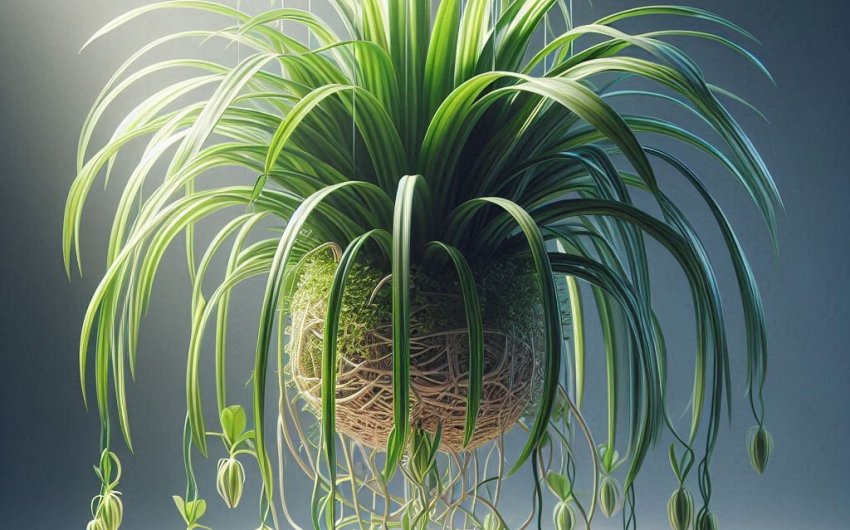
Few houseplants combine ease of care with such charming visual appeal as the Spider Plant (Chlorophytum comosum). With its arching, variegated leaves and characteristic "spiderettes" (baby plants) dangling from long stems, it brings a cheerful, lively touch to any indoor space. Often one of the first houseplants a beginner gardener acquires, the Spider Plant has earned its widespread popularity not just for its beauty but also for its remarkable resilience and forgiving nature. It's a plant that actively signals its needs, making it an excellent learning companion for those new to green thumbs.
If you're wondering how do you care for a Spider Plant to keep it vibrant and producing those delightful plantlets, you're in the right place. This comprehensive guide will walk you through all the essential aspects of Spider Plant care, from understanding its light and watering needs to common problems and, of course, the joy of propagation. Get ready to cultivate potted perfection and watch your Spider Plant flourish, adding a touch of green splendor to your home with minimal fuss.
Why Is the Spider Plant So Popular?
What Are the Aesthetic Qualities of a Spider Plant?
The aesthetic qualities of a Spider Plant are a major reason for its enduring popularity, bringing a unique visual charm to any interior.
- Arching, Cascading Foliage: Its long, slender leaves grow in a fountain-like clump and gracefully arch downwards, making it perfect for hanging baskets where its foliage can truly cascade. This adds a soft, organic line to interior spaces.
- Variegated Patterns: Most popular Spider Plant varieties feature striking variegated patterns – typically a central green stripe flanked by creamy white or yellow margins, or vice versa. This variegation adds brightness and visual interest compared to solid green foliage.
- "Spiderettes" (Baby Plants): The distinctive "spiderettes" (or plantlets) that dangle from long, arching stems are arguably its most charming feature. These miniature versions of the parent plant create a whimsical, playful look and give the plant its common name.
- Versatile Display: Can be displayed in hanging baskets, on shelves (allowing its "legs" to trail), or on pedestals. Its relatively compact root system also makes it suitable for desktop pots.
- Bright and Cheerful: Its bright green and white/yellow colors bring a fresh, cheerful vibe to any room, easily complementing various decor styles.
These unique visual traits make the Spider Plant a delightful and dynamic addition to houseplant collections.
Is the Spider Plant Easy to Care for Beginners?
Yes, the Spider Plant is widely considered one of the easiest houseplants to care for for beginners, earning it a spot as a top recommendation for new plant parents.
- Forgiving Nature: It tolerates a range of conditions and can forgive occasional lapses in care (like missing a watering or not having perfect light). It's quite resilient.
- Communicates Needs: The Spider Plant is good at signaling its needs. For instance, its leaves will start to look dull or slightly limp when thirsty, and bounce back quickly after a good drink. Brown tips can indicate specific issues like fluoride buildup (easily addressed).
- Adaptable to Light: It thrives in bright, indirect light but tolerates moderate to low light conditions, making it suitable for many indoor environments.
- Pest Resistance: Generally resistant to most common houseplant pests, reducing the need for constant monitoring or chemical interventions.
- Easy to Propagate: The plantlets it produces are incredibly easy to root, providing a fun and rewarding way for beginners to experience plant propagation.
Its forgiving nature and clear communication make the Spider Plant an ideal choice for building confidence in houseplant care.
How Does the Spider Plant Improve Air Quality?
Beyond its aesthetic appeal and ease of care, the Spider Plant is also known for its ability to improve indoor air quality, contributing to a healthier living environment.
- NASA Clean Air Study: The Spider Plant was famously highlighted in NASA's Clean Air Study as one of the most effective houseplants for removing common indoor air pollutants.
- Removes Common Toxins: It's particularly effective at absorbing:
- Formaldehyde: Found in furniture, cleaning products, and synthetic fabrics.
- Xylene: Emitted from rubber, leather, and paints.
- Carbon Monoxide: Although plants are not a substitute for carbon monoxide detectors, they do take in carbon dioxide and release oxygen through photosynthesis.
- Humidification: Like other plants, Spider Plants release water vapor into the air through transpiration, which can help increase indoor humidity levels, especially beneficial in dry winter months.
While no single plant can completely purify a room, a collection of Spider Plants (and other air-purifying houseplants) contributes to a fresher, healthier indoor atmosphere.
What Are the Ideal Conditions for a Spider Plant?
What Kind of Light Does a Spider Plant Need?
Light is a crucial factor for a Spider Plant's health and vigor. Understanding what kind of light a Spider Plant needs ensures it thrives.
- Bright, Indirect Light (Ideal): The ideal light for a Spider Plant is bright, indirect light. This means it receives ample ambient light throughout the day but is shielded from direct, harsh sunlight.
- Examples: Near an east-facing window (receives gentle morning sun), a few feet back from a south or west-facing window (especially with a sheer curtain), or in a brightly lit room.
- Tolerates Moderate to Low Light: Spider Plants are quite tolerant and can survive in moderate to low light conditions. However, in low light, their growth will be slower, and the variegation on the leaves may become less pronounced (they might revert more to solid green). They may also produce fewer "spiderettes."
- Avoid Direct, Intense Sun: Direct, harsh afternoon sunlight (especially from a south or west-facing window) can scorch the leaves, leading to brown or bleached patches. Morning sun is usually fine.
- Signs of Incorrect Light:
- Pale or Bleached Leaves: Too much direct sun.
- Lack of Variegation/Darker Green: Too low light.
- Few/No "Spiderettes": Too low light.
Proper light placement is key to a vibrant, productive Spider Plant.
What Is the Ideal Temperature and Humidity Range?
Spider Plants are adaptable, but they do have an ideal temperature and humidity range that helps them flourish.
- Temperature: They prefer average room temperatures, generally between (65^\circ\text{F}) and (80^\circ\text{F}) ((18^\circ\text{C}) and (27^\circ\text{C})).
- Avoid Extremes: Protect them from sudden drafts (especially cold drafts from open windows/doors in winter) and extreme heat or cold. Do not place them directly next to heating or cooling vents.
- Humidity: Spider Plants appreciate moderate to high humidity, although they are quite forgiving in average home humidity levels.
- Optimal Range: Ideally, humidity between 40% and 60% is best.
- Signs of Low Humidity: Brown tips on leaves can sometimes be a sign of very low humidity, especially when combined with other factors like fluoride in water.
- Solutions for Low Humidity: If your home is very dry, you can mist the leaves occasionally (though this provides only a temporary boost), place the pot on a pebble tray with water, or group it with other plants to create a localized humid microclimate. A Room Humidifier for Plants is the most effective solution for dry indoor air.
Maintaining these conditions supports overall plant health.
What Kind of Potting Mix and Drainage Are Essential?
Choosing the right potting mix and ensuring proper drainage are absolutely essential for a Spider Plant's health, particularly to prevent overwatering issues.
- Potting Mix:
- Well-Draining, All-Purpose Potting Mix: Spider Plants thrive in a standard, good quality, well-draining potting mix designed for houseplants. Look for mixes that contain ingredients like peat moss or coco coir (for moisture retention) along with perlite or vermiculite (for aeration and drainage).
- Avoid Garden Soil: Do NOT use heavy garden soil, as it compacts easily in pots, retains too much moisture, and can introduce pests and diseases.
- Drainage:
- Drainage Holes: Your pot absolutely must have drainage holes at the bottom. Without them, excess water will sit in the pot, leading to root rot, which is a common killer of Spider Plants.
- Avoid Standing Water: Never let your Spider Plant's pot sit in standing water in its saucer for extended periods. Always discard excess water after watering.
A good Indoor Potting Soil with Perlite will provide the ideal environment.
How to Choose the Right Pot Size?
Choosing the right pot size is important for a Spider Plant's long-term health and growth.
- Not Too Big: Avoid placing a small Spider Plant in a very large pot. A pot that is too large will hold too much potting mix relative to the plant's root system. This excess soil will stay wet for too long, significantly increasing the risk of overwatering and root rot.
- Go Up 1-2 Inches: When repotting, choose a new pot that is only 1-2 inches larger in diameter than the current pot.
- Signs of Needing a Repot:
- Roots growing out of drainage holes.
- Water runs straight through quickly after watering (indicating the pot is mostly roots, not soil).
- Stunted growth despite good care.
- Plant becoming top-heavy.
- Bulging pot: If roots are expanding and distorting the pot.
- Frequency of Repotting: Spider Plants tend to grow relatively quickly and can become root-bound within 1-2 years. Plan to repot them every 1-2 years into a slightly larger pot, or when you see the signs.
The right pot size prevents overwatering and promotes healthy root growth.
How Do You Water and Fertilize a Spider Plant?
What Is the Ideal Watering Schedule for Spider Plants?
The ideal watering schedule for Spider Plants involves finding a balance: keeping the soil consistently moist but never soggy, and allowing it to dry out somewhat between waterings.
- The "Finger Test": This is your best guide. Stick your finger about 1-2 inches deep into the potting mix. If it feels dry, it's time to water. If it still feels moist, wait.
- Water Thoroughly: When you do water, water slowly and thoroughly until you see water draining from the bottom of the pot. This ensures the entire root ball is moistened. Discard any excess water from the saucer after about 15-20 minutes.
- Frequency Varies: The actual frequency will vary depending on your specific conditions:
- More frequent: In warmer, brighter conditions; smaller pots; during active growing season (spring/summer).
- Less frequent: In cooler, lower light conditions; larger pots; during dormancy (fall/winter).
- This could range from once a week to every 2-3 weeks.
- Signs of Thirst: Leaves will look dull and slightly limp, losing their crispness. They will quickly perk up after watering.
Overwatering is a bigger threat than underwatering for Spider Plants.
How and When to Fertilize a Spider Plant?
Fertilizing a Spider Plant provides the necessary nutrients for vigorous growth and the production of abundant "spiderettes."
- When to Fertilize: Start fertilizing during the active growing season (spring and summer), when the plant is actively putting out new leaves and "spiderettes." Reduce or stop fertilizing in fall and winter when growth slows down.
- Type of Fertilizer: Use a balanced liquid houseplant fertilizer (e.g., 10-10-10 or 20-20-20 NPK).
- Dilution: Spider Plants are not heavy feeders and can be sensitive to fertilizer burn. Dilute the fertilizer to half strength (or even quarter strength for very frequent applications).
- Frequency: Fertilize every 2-4 weeks during the active growing season.
- Always Water Before Fertilizing: Always water your Spider Plant thoroughly before applying liquid fertilizer. Applying fertilizer to dry soil can cause root burn.
A consistent, diluted fertilizer routine will support healthy, lush growth.
What Are Common Problems and Solutions for Spider Plants?
How to Fix Brown Leaf Tips on a Spider Plant?
Brown leaf tips on a Spider Plant are a very common complaint, and they can be caused by several factors, often related to water quality or low humidity.
- Causes:
- Fluoride and Chlorine in Tap Water: This is often the primary culprit. Spider Plants are sensitive to chemicals in tap water.
- Low Humidity: Very dry indoor air can cause tips to brown and become crispy.
- Underwatering: Infrequent or insufficient watering can lead to tips browning as the plant dehydrates.
- Salt Buildup from Fertilizer: Accumulation of mineral salts from fertilizer in the potting mix.
- Over-fertilization: Direct fertilizer burn.
- Old Age: Older leaves will naturally show some browning as they age.
- Solutions:
- Use Filtered Water: Water your Spider Plant with distilled water, rainwater, or tap water that has been left out for 24-48 hours (to allow chlorine to dissipate). A Water Filter Pitcher can also be used.
- Increase Humidity: Mist regularly, use a pebble tray, or group with other plants.
- Water Consistently: Ensure thorough and regular watering (using the "finger test").
- Flush the Soil: Periodically (e.g., every few months), thoroughly flush the potting mix with plain water to leach out accumulated fertilizer salts.
- Fertilize Properly: Use diluted fertilizer and avoid over-fertilizing.
- Trim Tips: You can trim the brown tips off with clean, sharp scissors, following the natural shape of the leaf, but avoid cutting into the green tissue.
Addressing these issues will help keep your Spider Plant's foliage crisp and green.
What to Do If My Spider Plant Is Not Producing "Spiderettes"?
If your Spider Plant is not producing "spiderettes," it's usually an indicator that conditions are not quite optimal for this energy-intensive process.
- Causes:
- Too Young: Young Spider Plants often need to mature a bit before they start producing "spiderettes." Give them time.
- Insufficient Light: This is a very common reason. Spider Plants need bright, indirect light to have enough energy for propagation. In low light, they prioritize basic survival.
- Not Root-Bound Enough: Paradoxically, Spider Plants sometimes produce more "spiderettes" when they are slightly root-bound and have filled their pot. This can be a signal that they want to reproduce.
- Nutrient Deficiency/Under-fertilization: Not enough energy for "spiderette" production.
- Too Much Nitrogen: Sometimes, excessive nitrogen can promote leafy growth at the expense of "spiderettes."
- Temperature Stress: Extreme heat or cold can inhibit "spiderette" production.
- Solutions:
- Increase Light: Move to a brighter location or add supplemental grow lights.
- Consider Repotting (or delaying): If the plant is very small in a large pot, it might be putting energy into roots. If it's healthy but not making "spiderettes," and not yet root-bound, a slightly smaller pot might encourage them (though be careful not to root-bound too severely).
- Fertilize Properly: Ensure regular, diluted feeding during the active growing season.
- Patience: Sometimes, it just takes time for the plant to feel mature and ready.
Providing optimal conditions, especially bright light, usually encourages a prolific display of "spiderettes."
How to Treat Common Pests on Spider Plants?
While Spider Plants are generally resilient, they can occasionally suffer from common pests, especially if stressed.
- Spider Mites: (Ironically named!) These tiny arachnids thrive in hot, dry conditions.
- Signs: Tiny yellow or white stippling on leaves, fine webbing (especially on undersides).
- Treatment: Blast with a strong stream of water (especially undersides). Increase humidity around the plant. Use insecticidal soap or neem oil spray.
- Aphids: Small, soft-bodied insects clustering on new growth, causing sticky honeydew.
- Treatment: Hose off with water. Wipe off with a damp cloth. Use insecticidal soap or neem oil.
- Mealybugs: White, cottony masses in leaf axils or on stems.
- Treatment: Dab directly with a cotton swab dipped in rubbing alcohol. For heavier infestations, use insecticidal soap or neem oil.
- Fungus Gnats: Tiny flying insects usually indicating overwatering.
- Treatment: Allow soil to dry out more between waterings. Use yellow sticky traps or Bacillus thuringiensis israelensis (Bti) biological control. A Yellow Sticky Traps for Fungus Gnats can catch adults.
Regular inspection (e.g., during your weekly watering check) and immediate action are key to keeping pests under control.
How Do You Propagate Spider Plants?
What Are the Best Methods for Propagating "Spiderettes"?
Propagating "spiderettes" (or plantlets) is one of the easiest and most rewarding aspects of Spider Plant care. You can create new plants with very little effort.
- Method 1: Water Propagation (Easiest):
- Select a "spiderette": Choose a "spiderette" that has developed at least a few small leaves and some aerial roots (tiny nubs starting to form at the base).
- Snip from parent: Snip the "spiderette" off the long stem (stolon) from the parent plant.
- Place in water: Place the base of the "spiderette" (where the aerial roots are) into a small jar or glass of water. Ensure the leaves stay above the water line.
- Change water: Change the water every few days to keep it fresh.
- Root development: Roots will usually develop within 1-3 weeks.
- Plant in soil: Once roots are about 1-2 inches long, plant the rooted "spiderette" into a small pot filled with potting mix.
- Method 2: Direct Soil Propagation:
- Select a "spiderette": Choose a "spiderette" with aerial roots.
- Snip or keep attached: You can either snip the "spiderette" off the parent plant or leave it attached to the stolon for even better success (the parent plant continues to provide nutrients).
- Plant in soil: Plant the base of the "spiderette" directly into a small pot filled with moist potting mix, ensuring the aerial roots are covered. If left attached, place the small pot next to the parent plant.
- Water and monitor: Keep the potting mix consistently moist. Once you feel resistance when gently tugging, roots have formed. If still attached to the parent, you can then snip the stolon.
Both methods yield new plants readily.
How to Care for New Spider Plant Cuttings?
Caring for new Spider Plant cuttings (or rooted "spiderettes") ensures they develop into strong, independent plants.
- Water Propagation (Once Roots Form):
- Transition to soil: Once roots are 1-2 inches long, gently plant them into a small pot (e.g., 4-inch diameter) with well-draining potting mix.
- Initial Watering: Water thoroughly after planting.
- All New Plantings (Soil-Based):
- Consistent Moisture: For the first few weeks to a month, keep the potting mix consistently moist (but not soggy) to help the roots establish. This might mean watering every few days initially.
- Bright, Indirect Light: Place the new plant in bright, indirect light. Avoid direct, harsh sun, as the young plant is vulnerable.
- No Fertilizer (Initially): Do not fertilize for at least 4-6 weeks after planting in soil, as the potting mix will contain enough nutrients, and fertilizer can burn sensitive new roots.
- Patience: The plant will take some time to establish and start putting out vigorous new growth.
Once established and growing actively, transition them to the regular Spider Plant care routine.
When Can I Share My Spider Plant Babies?
You can share your Spider Plant babies (rooted "spiderettes") once they have developed a strong, established root system and are putting out new leaves.
- Established Roots: The key is that the new plant should have a robust root system that fills a significant portion of its small pot (e.g., 4-inch pot). You should see new leaves actively growing.
- Independent Growth: The baby plant should be clearly growing independently and not showing signs of stress.
- Gift-Ready: Once these criteria are met, your Spider Plant baby is ready to be gifted to friends, family, or fellow plant enthusiasts! It makes a wonderful, easy-to-care-for gift that carries a little piece of your own green splendor.
Sharing your Spider Plant babies is a delightful way to spread the joy of houseplant care.