
How Do I Care for a Philodendron Plant?
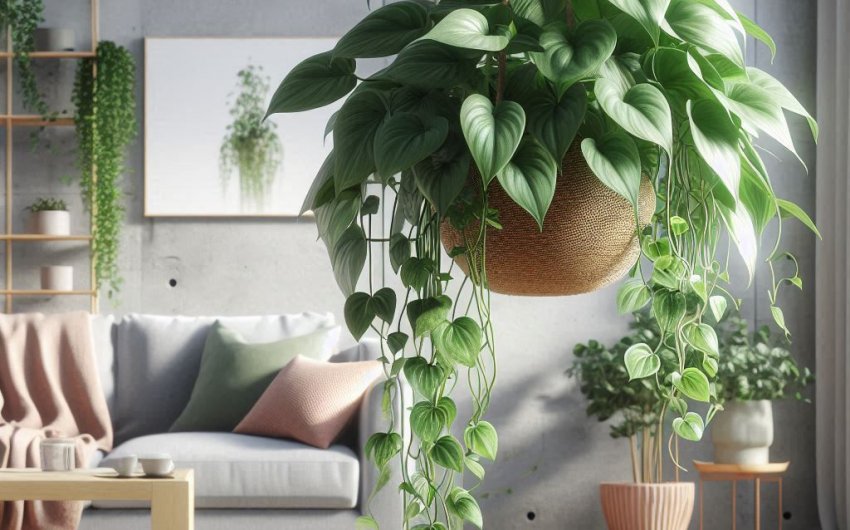
Bringing vibrant greenery into our homes can transform any space. Plants add life, purify the air, and create a sense of calm. Among the vast array of houseplants, the Philodendron stands out as a true classic. With its lush foliage, graceful vining habits, and remarkable adaptability, it has been a beloved indoor companion for generations. Whether it's cascading from a hanging basket, climbing up a moss pole, or simply sitting as a bushy accent on a shelf, a Philodendron plant brings effortless tropical charm to any room.
While its beauty is undeniable, some might wonder about the care requirements for a Philodendron plant. The good news is, most varieties are incredibly forgiving, making them an excellent choice for both beginner and experienced plant parents. Understanding their basic needs will ensure your Philodendron thrives, rewarding you with abundant, healthy leaves. We'll explore everything you need to know about caring for your Philodendron plant, from finding the perfect spot to keeping its foliage vibrant and full, ensuring it remains a lush focal point in your home.
What is a Philodendron Plant?
The name "Philodendron" comes from the Greek words "philo" (love) and "dendron" (tree), meaning "tree-lover." This refers to their natural habit of growing on or around trees in their native habitats. The genus Philodendron is vast, encompassing hundreds of species, offering a huge diversity in leaf shape, size, and growth habit.
What Makes Philodendrons So Popular as Houseplants?
- Ease of Care: Many Philodendron varieties are remarkably low-maintenance and forgiving, making them perfect for beginners. They tolerate a range of conditions and bounce back well from minor neglect.
- Adaptability to Indoor Conditions: They thrive in typical indoor temperatures and humidity levels, adapting well to homes and offices.
- Versatility in Display:
- Trailing: Many species have long, vining stems perfect for hanging baskets or spilling from shelves.
- Climbing: With support (like a moss pole or trellis), vining types will climb, creating a vertical statement.
- Bushy/Upright: Some species grow in a more compact, upright, or bushy form.
- Lush Foliage: Their leaves are generally glossy and attractive, providing abundant green life.
- Air Purification: Like many houseplants, Philodendrons are known to help remove certain toxins from indoor air.
- Variety: The sheer diversity of leaf shapes (heart-shaped, deeply lobed, oval), sizes (from tiny to very large), and colors (various greens, bronze, reds, variegation) means there's a Philodendron for every taste.
What are the Common Types of Philodendrons Grown as Houseplants?
While there are hundreds of species, a few are particularly popular for indoor cultivation:
- Heartleaf Philodendron (Philodendron hederaceum, often sold as Philodendron cordatum): This is the classic vining Philodendron with glossy, heart-shaped leaves. It's incredibly resilient and tolerates a wide range of light conditions. Cultivars include:
- 'Green': The standard, solid green.
- 'Brasil': Green leaves with a variegated splash of lime green or yellow in the center. A very popular variety, you can often find a Philodendron Brasil Plant.
- 'Micans': Velvety, dark green leaves with bronze or reddish undersides, often with a slightly iridescent sheen.
- Split-Leaf Philodendron (Monstera deliciosa): While often called Philodendron, this iconic plant with large, deeply cut leaves is technically a Monstera. It requires similar care and is also very popular.
- Pink Princess Philodendron (Philodendron erubescens 'Pink Princess'): A highly sought-after climber with dark green leaves splashed with vibrant pink variegation. It commands a higher price but is stunning.
- Xanadu Philodendron (Philodendron xanadu or Thaumatophyllum xanadu): A bushy, upright Philodendron with deeply lobed, glossy green leaves. It does not vine and grows into a compact shrub.
- Moonlight Philodendron (Philodendron 'Moonlight'): A hybrid with bright, glowing chartreuse-green leaves that remain vibrant even as they mature. Bushy, non-vining habit.
It's important to note that Philodendron plants are toxic if ingested by pets or humans, causing oral irritation and digestive upset. Always keep them out of reach of curious chewers.
What are the Light Requirements for a Philodendron Plant?
Light is a crucial factor for your Philodendron plant's health and growth. Getting it right helps your plant produce those lush, vibrant leaves.
How Much Light Does a Philodendron Need?
Philodendron plants generally prefer bright, indirect light. This means:
- Not Direct Sun: Avoid placing your Philodendron in direct, intense sunlight, especially hot afternoon sun (e.g., in an unobstructed south- or west-facing window). This can scorch their leaves, causing yellowing, browning, or crispy spots.
- Bright, but Filtered: Think of their natural habitat under the canopy of larger trees in the rainforest. They get plenty of light, but it's filtered or dappled.
- Ideal Spots:
- A few feet away from a south- or west-facing window.
- Near an east-facing window (receives gentle morning sun).
- Near a north-facing window (provides consistent, but lower, indirect light).
- Under a sheer curtain in a sunny window.
What Happens with Different Light Conditions?
- Too Much Light (Direct Sun):
- Leaves will look bleached, faded, yellow, or develop crispy brown spots (sunburn).
- Growth may slow as the plant stresses.
- Too Little Light (Low Light):
- Leggy Growth: Stems become long and stretched out with widely spaced, small leaves as the plant "reaches" for light.
- Slow or Stunted Growth: The plant will essentially stop growing.
- Loss of Variegation: For variegated varieties (like 'Brasil' or 'Pink Princess'), the colorful patterns might fade or disappear, and the leaves will become plain green.
- Increased Vulnerability: More susceptible to pests and disease when stressed.
Should You Use Supplemental Lighting?
If you don't have a naturally bright spot in your home, especially during darker winter months, supplemental lighting can be very beneficial for your Philodendron plant.
- Type of Light: Use an LED Grow Light for Houseplants or high-output fluorescent lights.
- Duration: Provide light for 10-14 hours per day.
- Placement: Position the light a few inches to a foot above the plant, adjusting as it grows.
By providing optimal light conditions, your Philodendron plant will grow lush, vibrant foliage and maintain its beautiful variegation, adding tropical charm to your home.
What are the Watering and Humidity Needs for a Philodendron Plant?
Correct watering is crucial for your Philodendron plant's health, as both overwatering and severe underwatering can cause significant problems. Humidity also plays a role, especially for these tropical beauties.
How Often Should You Water a Philodendron?
- "Feel the Soil" Rule: This is the most important rule. Do not water on a fixed schedule. Instead, check the soil moisture.
- Method: Stick your finger about 1-2 inches deep into the potting mix. If it feels dry to the touch, it's time to water. If it's still moist, wait.
- Thorough Watering: When you do water, water deeply until you see water draining from the bottom of the pot. This ensures all the roots get moisture. Discard any excess water from the saucer after 15-30 minutes to prevent the plant from sitting in stagnant water.
- Drainage Holes: Always ensure your pot has adequate drainage holes. This is absolutely non-negotiable for preventing soggy soil and root rot.
- Adjust for Season/Growth:
- Active Growing Season (Spring/Summer): You'll likely need to water more frequently as the plant is actively growing and water evaporates faster.
- Dormancy/Winter: Reduce watering frequency significantly. The plant's growth slows down, and water evaporates slower in cooler, darker conditions. Overwatering in winter is a common killer.
- Signs of Incorrect Watering:
- Overwatering: Leaves turning yellow (especially lower leaves), feeling soft or mushy; wilting even when soil is wet; foul odor from soil.
- Underwatering: Leaves drooping, curling, or shriveling; becoming crispy; entire plant looks limp; soil pulling away from the pot edges.
What About Humidity for Philodendron Plants?
Philodendron plants are tropical natives and thrive in high humidity. Most indoor homes, especially in winter with heating systems running, have very dry air.
- High Humidity Preferred: Aim for humidity levels of 50% or higher if possible.
- Signs of Low Humidity: Brown, crispy leaf tips or edges, especially on newer growth, or a general dullness to the foliage. Increased susceptibility to spider mites.
- How to Increase Humidity:
- Pebble Tray: Place the pot on a saucer filled with pebbles and a shallow layer of water. Ensure the bottom of the pot does not sit directly in the water. As the water evaporates, it creates a more humid microclimate around the plant. You can use a dedicated Plant Humidity Tray.
- Humidifier: For significant and consistent humidity, a Room Humidifier is the most effective solution, especially if you have many tropical plants.
- Grouping Plants: Grouping your Philodendron plant with other houseplants can slightly increase local humidity through their combined transpiration.
- Misting (Limited Effectiveness): While some people mist their plants, it provides only a very temporary boost in humidity. For consistent humidity, other methods are more effective. Also, frequent misting can sometimes encourage fungal issues if leaves stay wet for too long in poor air circulation.
By carefully managing watering and providing sufficient humidity, you'll create an environment where your Philodendron plant feels right at home and thrives.
How Do You Fertilize and Prune a Philodendron Plant?
Proper feeding and pruning are important for keeping your Philodendron plant lush, full, and vibrant. These practices encourage strong growth and maintain its beautiful form.
Do Philodendron Plants Need Fertilizing?
- Moderate Feeders: Philodendron plants are moderate feeders. They benefit from regular fertilization during their active growing season.
- When to Fertilize: Fertilize during spring, summer, and early fall when the plant is actively growing. Reduce or stop fertilizing in late fall and winter when growth naturally slows down due to lower light levels and cooler temperatures.
- Type of Fertilizer: Use a balanced liquid houseplant fertilizer (e.g., a 10-10-10 or 20-20-20 NPK ratio).
- Dilution: Always dilute the fertilizer to half or even quarter strength as recommended on the package. Philodendron plants are sensitive to over-fertilizing, which can burn the roots and damage the plant.
- Frequency: Fertilize every 2-4 weeks during the active growing season.
- Organic Options: Top-dressing with a thin layer of Worm Castings or Compost every few months provides gentle, slow-release nutrients without the risk of chemical burn.
How to Prune a Philodendron Plant?
Pruning is essential for keeping your vining Philodendron plant looking full, bushy, and to control its size.
- For Bushiness: To encourage a fuller, bushier plant, regularly pinch back the growing tips of the stems. Snip or pinch off the very end of a stem just above a leaf node (where a leaf or aerial root grows from the stem). This stimulates new growth to emerge from that node, leading to more branching.
- For Trailing/Vining Control: If your Philodendron plant is getting too long or unruly, you can cut the stems back to your desired length. Cut just above a leaf node or a branch junction.
- Remove Dead or Damaged Growth: Throughout the year, remove any yellow, brown, dried, or damaged leaves and stems. This keeps the plant tidy and directs energy to healthy parts.
- Rejuvenation Pruning: If your Philodendron plant has become very leggy or sparse, you can prune it back more aggressively (e.g., cutting stems back by half or more) to encourage a flush of new, bushier growth from the base. Do this in spring during active growth.
- Use Clean Tools: Always use clean, sharp Pruning Snips for Houseplants to make clean cuts and prevent disease.
Should You Provide Support for Vining Philodendrons?
For vining Philodendron types (like Heartleaf Philodendron), providing vertical support can encourage larger leaves and a more impressive display, mimicking their natural climbing habit.
- Moss Poles: A Moss Pole for Climbing Plants is ideal, as the aerial roots can attach to it, helping the plant grow upwards.
- Trellises or Stakes: Simple trellises or stakes can also provide support.
- Benefits: Encourages the plant to produce larger leaves (especially on certain varieties) and creates a dramatic vertical element.
Regular feeding and consistent pruning are key maintenance tasks that will ensure your Philodendron plant remains a vibrant and captivating houseplant.
What are Common Problems and Solutions for a Philodendron Plant?
Even with attentive care, your Philodendron plant might face a few common problems. Knowing what to look for and how to respond will help keep your plant healthy and thriving.
Why are My Philodendron Leaves Turning Yellow or Brown?
This is a very common issue with Philodendron plants, and often points to watering problems.
- Overwatering (Most Common Cause): If leaves are turning yellow (especially lower leaves), feel soft or mushy, and the soil is consistently wet, it's very likely overwatering. This leads to root rot, which starves the plant.
- Solution: Stop watering immediately. Allow the soil to dry out significantly. Ensure excellent drainage. If severe, you might need to repot into fresh, dry potting mix and remove any rotten roots (soft, black, mushy).
- Underwatering: If leaves are wilting, drooping, curling, or shriveling, and turning crispy brown, especially along the edges, and the soil is bone dry, the plant is severely underwatered.
- Solution: Water thoroughly immediately until water drains from the bottom. Establish a more consistent watering routine.
- Low Humidity: Brown, crispy leaf tips or edges, even with proper watering, often point to low humidity.
- Solution: Increase humidity around the plant with a pebble tray or humidifier.
- Too Much Direct Sun: Yellowing leaves that look bleached, faded, or have crispy brown scorch spots indicate too much direct, intense sun.
- Solution: Move the plant to a brighter, but indirect light location.
- Nutrient Deficiency (Less Common): If overall growth is stunted and older leaves are yellowing despite proper watering, it could be a nutrient deficiency.
- Solution: Repot with fresh potting mix or apply a very diluted fertilizer during the growing season.
- Normal Aging: Older, lower leaves will naturally yellow and die off as the plant grows new ones. This is normal, just remove them.
Why is My Plant Leggy or Not Growing?
- Lack of Light (Most Common Cause): If stems are stretching out with widely spaced, small leaves, or the plant has no new growth, it's not getting enough light.
- Solution: Move to a brighter location with indirect light. Consider adding a Grow Light for Houseplants. Prune back leggy growth to encourage bushiness.
- Pot Size: If the plant is severely root-bound, it may stop growing.
- Solution: Repot into a slightly larger pot if roots are circling the bottom.
- Nutrient Deficiency: If the plant has been in the same pot for a long time and never fertilized, it might need nutrients.
- Solution: Repot with fresh potting mix or apply a very diluted fertilizer during the growing season.
What About Pests on Philodendron Plants?
Philodendron plants can occasionally attract pests, especially if stressed.
- Common Pests: Spider mites (tiny dots, fine webbing, especially in dry conditions), mealybugs (small, white, cottony masses in leaf axils), and sometimes aphids or scale.
- Prevention: Regularly inspect your plant, especially the undersides of leaves, when watering or cleaning.
- Solutions:
- Isolate: Immediately isolate any infested plant to prevent spread.
- Physical Removal: For light infestations, wipe with a damp cloth, or dab mealybugs directly with a cotton swab dipped in rubbing alcohol.
- Organic Sprays: For more persistent issues, spray thoroughly with Insecticidal Soap for Houseplants or neem oil, covering all leaf surfaces (top and bottom). Repeat applications every 5-7 days for several weeks to break pest life cycles.
By being vigilant, consistently monitoring your Philodendron plant for these common issues, and responding quickly, you can keep your beloved Philodendron healthy, vibrant, and continuously beautiful, gracing your indoor space with its lush, tropical charm.