
How Often Should I Water My Rubber Plant?
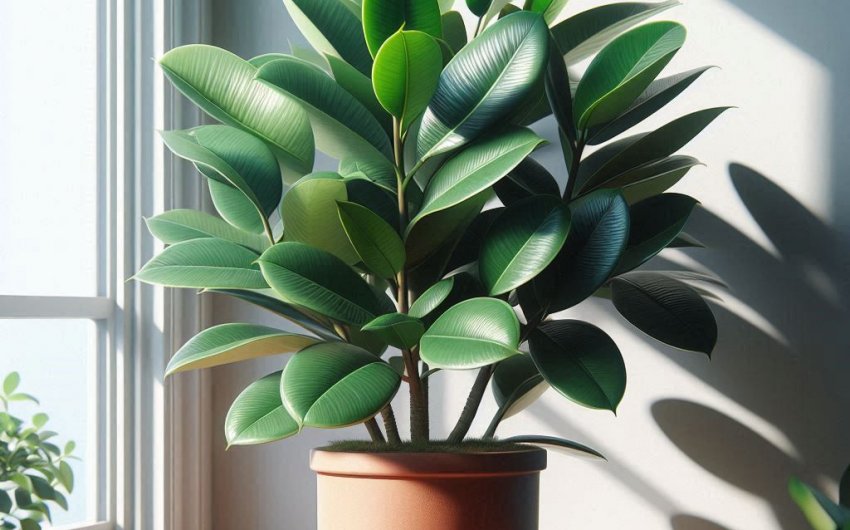
The Rubber Plant (Ficus elastica) is a truly iconic houseplant, cherished for its large, glossy leaves and impressive stature. With its striking presence, whether a deep, rich green, a variegated mix of cream and green, or a beautiful burgundy, it adds a touch of classic elegance to any indoor space. Native to tropical regions of Asia, where it can grow into an enormous tree, the Rubber Plant has adapted remarkably well to life indoors, becoming a popular choice for both seasoned plant enthusiasts and eager beginners looking to add a touch of lush greenery to their homes. Its relatively easy-care nature makes it a forgiving choice, but like all plants, it has specific needs that, when met, allow it to truly thrive.
One of the most common questions and a leading cause of problems for Rubber Plants stems from watering. Finding the right balance between too much and too little water can be tricky, as both overwatering and underwatering can lead to stress, yellowing leaves, and ultimately, a struggling plant. Unlike some houseplants that loudly declare their thirst, the Rubber Plant's signals can be subtle, making it essential for owners to understand its preferred hydration schedule. Mastering the art of watering your Rubber Plant is key to maintaining its health, vibrancy, and continued growth, ensuring it remains a majestic focal point in your indoor jungle.
Why is Watering So Crucial for Your Rubber Plant?
Water is life for plants, and for a Rubber Plant, the correct amount and frequency of watering directly impact its health, growth, and appearance. Getting it wrong can lead to serious problems.
How Does Overwatering Harm a Rubber Plant?
This is the biggest killer of Rubber Plants. Giving them too much water, or watering too often, is far more damaging than giving too little.
- Root Rot: When the soil stays wet for too long, oxygen can't reach the roots. Roots need oxygen to "breathe" and absorb water and nutrients. Without oxygen, they essentially drown and begin to rot. Root rot is a fungal disease that rapidly spreads, turning roots mushy and black. Once roots rot, the plant can no longer take up water, even if the soil is wet, leading to wilting and eventual death. You can sometimes smell a musty odor from root rot.
- Yellowing Leaves: One of the first signs of overwatering is often yellowing leaves, especially older, lower leaves. These leaves may also feel soft and limp.
- Leaf Drop: As root rot progresses, the plant will start dropping leaves, sometimes seemingly healthy ones, in an effort to save itself.
- Stunted Growth: Even if the plant doesn't die, overwatering will lead to very slow or no new growth.
- Pest Attraction: Constantly wet soil can also attract certain pests, like fungus gnats, which thrive in damp conditions. A soil moisture meter can help prevent overwatering.
What are the Signs of Underwatering?
While less common to kill a Rubber Plant outright than overwatering, underwatering also causes significant stress and visible symptoms.
- Drooping Leaves: The most obvious sign is drooping leaves that feel stiff, not limp. The leaves might start to curl inwards or wrinkle slightly.
- Crispy Edges: The edges or tips of the leaves may become dry and crispy, turning brown.
- Slowed Growth: New growth will slow down or stop entirely.
- Stunted Leaves: Any new leaves that do emerge might be smaller than usual.
- Hard, Compacted Soil: The soil in the pot will be very dry, hard, and may even pull away from the edges of the pot.
- Leaf Drop (sometimes): In severe cases, the plant might drop its lower leaves as it sacrifices them to conserve moisture.
- Solutions: If you see these signs, give the plant a good, thorough soak until water drains from the bottom. If the soil is very compacted, bottom-watering (placing the pot in a basin of water for 20-30 minutes) can help.
How Does Watering Relate to Root Health?
The roots are the lifeline of your Rubber Plant, absorbing water and nutrients.
- Oxygen for Roots: Roots need oxygen to function. When soil is saturated with water, all the tiny air pockets are filled with water, depriving roots of oxygen.
- Nutrient Uptake: Healthy roots are essential for taking up nutrients from the soil. Damaged or rotting roots cannot perform this vital function, even if nutrients are present.
- Water Transport: Water absorbed by the roots travels up through the plant to the leaves via the stem. If roots are compromised, this transport system breaks down, leading to symptoms like wilting even with wet soil. This is why good potting soil for houseplants is essential for proper root development.
How Do I Know When My Rubber Plant Needs Water?
Forget schedules! The best way to water your Rubber Plant is by checking the soil. This is the single most important watering tip.
The Finger Test: Your Best Friend
This simple test is the most reliable way to gauge your Rubber Plant's moisture needs.
- How to Do It: Stick your finger (or a wooden chopstick) about 2-3 inches deep into the soil. For larger pots, go even deeper, 3-4 inches.
- What to Look For:
- If the soil feels damp or moist at that depth, wait to water.
- If the soil feels dry at that depth, it's time to water.
- Consistency: Do this test every few days. The frequency will change based on the season, light, and humidity. It's more reliable than a fixed schedule.
What About a Soil Moisture Meter?
A soil moisture meter can be a helpful tool, especially for beginners or those who prefer a more precise reading.
- How It Works: Insert the probe into the soil to get a numerical reading of the moisture level.
- Interpretation: Most meters have a scale (e.g., 1-10, or dry/moist/wet). Learn what level your Rubber Plant prefers (usually on the "moist" side, not completely dry or soaking wet).
- Benefits: Takes the guesswork out of watering and can help prevent both over and under-watering. It can reach deeper into the pot than your finger. A good quality houseplant moisture meter can be a wise investment.
- Limitations: Meters can sometimes give false readings if they hit a large piece of root or air pocket. Always cross-reference with the finger test if unsure.
Should I Lift the Pot to Check its Weight?
This is an advanced but very effective technique, especially for experienced plant parents.
- The Concept: A dry pot is significantly lighter than a freshly watered one. By consistently lifting your Rubber Plant's pot, you'll eventually learn to "feel" when it's dry enough to water.
- How to Practice: Lift the pot immediately after you've given it a good soak and let it drain. Feel its weight. Then, check it every few days. You'll notice it gets lighter as the soil dries out.
- Benefits: This method gives you a full picture of the pot's moisture content, not just the top few inches.
- Limitations: Requires a bit of practice and consistent effort to develop the "feel." Not practical for very large, heavy plants.
How Should I Actually Water My Rubber Plant?
Once you determine your Rubber Plant is thirsty, the way you water it is just as important as the timing.
How Much Water Should I Give?
- Water Thoroughly: When it's time to water, give the plant a good, thorough soaking. Pour water slowly and evenly over the entire surface of the soil until you see it draining freely from the drainage holes at the bottom of the pot.
- Ensure Drainage: It's crucial that excess water can drain away. Never let your Rubber Plant sit in standing water. Empty any excess water from the saucer or cachepot after about 30 minutes.
- Benefits of Thorough Watering: This ensures that all the roots, including those at the bottom of the pot, get access to water. Light, frequent sips of water only moisten the top few inches, leaving the lower roots dry and forcing them to grow towards the surface, making the plant less resilient. A long-spout watering can makes this easier.
Is Bottom Watering a Good Option?
Bottom watering can be an excellent method, especially if your soil has become very dry and compacted, or if you prefer to avoid wetting the leaves.
- How to Do It: Place the pot (with drainage holes) in a sink, tub, or a larger container filled with about 1-2 inches of water.
- How It Works: The soil will absorb water upwards through the drainage holes by capillary action.
- When to Stop: Let the pot sit for 20-30 minutes, or until the top surface of the soil feels visibly moist.
- Benefits: Ensures thorough saturation, reduces compaction, and prevents water from pooling on the leaf surface (which can sometimes lead to leaf spots).
- Limitations: Takes longer than top watering. Still need to ensure all excess water drains out afterwards.
What Kind of Water is Best?
- Tap Water: Most Rubber Plants do fine with regular tap water.
- Chlorine/Chloramine: If your tap water is heavily chlorinated or contains chloramines, you can let it sit out for 24 hours to allow some chemicals to dissipate, or use a water filter for plants. However, most Ficus elastica are not particularly sensitive.
- Fluoride: Some studies suggest Ficus species can be sensitive to fluoride, leading to leaf tip burn. If this is an issue, consider using distilled or rainwater.
- Room Temperature: Always use room-temperature water. Cold water can shock the plant's roots.
What Factors Influence How Often My Rubber Plant Needs Water?
There's no single "every X days" rule for watering because several environmental and plant-specific factors play a role.
How Does Light Affect Watering Needs?
Light is one of the most significant factors influencing your Rubber Plant's watering frequency.
- Bright Light: Plants in bright, indirect light (their ideal condition) will photosynthesize more actively and use more water. They will dry out faster and need more frequent watering.
- Low Light: In lower light conditions, the plant's metabolic processes slow down, and it uses much less water. Overwatering is a much greater risk in low light. The soil will stay wet for longer. If your plant is in a low-light spot, you will water much less often.
- Direct Sun: While Rubber Plants prefer bright, indirect light, a brief period of direct morning sun can cause them to dry out faster. A plant light meter can help you measure the light intensity.
How Do Temperature and Humidity Influence Watering?
Your home's environment plays a big role.
- Higher Temperatures: In warmer rooms, water will evaporate from the soil and transpire from the leaves more quickly. This means your plant will dry out faster and need more frequent watering.
- Lower Temperatures: In cooler rooms, water loss will be slower, and the soil will stay wet for longer. Reduce watering frequency in cooler conditions.
- Lower Humidity: Dry air (common in heated or air-conditioned homes) increases transpiration from leaves, making the plant use water faster. You might need to water more often.
- Higher Humidity: Humid environments slow down water loss from leaves, meaning the plant uses less water, and the soil dries slower. Reduce watering frequency. You can check your home's humidity with a hygrometer.
What About Potting Mix and Drainage?
The soil and pot your Rubber Plant is in are critical for drainage and moisture retention.
- Well-Draining Potting Mix: Rubber Plants need a well-draining potting mix that allows excess water to flow through quickly while still retaining some moisture. A good mix typically includes peat moss, perlite, and/or bark. If your mix is too dense (e.g., heavy garden soil), it will retain too much water, leading to root rot.
- Pot Size: A smaller pot will dry out faster than a larger one because it holds less soil. When you repot into a larger pot, the watering frequency will decrease.
- Pot Material:
- Terracotta/Clay Pots: These are porous, meaning they absorb and release moisture through their walls. This helps the soil dry out faster, which is generally good for Rubber Plants to prevent overwatering. Plants in terracotta will need more frequent watering than those in plastic.
- Plastic/Glazed Ceramic Pots: These are non-porous and retain moisture much longer. You will water less frequently in these types of pots.
- Drainage Holes: Non-negotiable! The pot MUST have drainage holes at the bottom. Without them, water will sit and suffocate the roots. If your decorative pot doesn't have holes, use it as a cachepot (an outer decorative pot) and keep your plant in a smaller plastic nursery pot with drainage holes inside it. A potting mat makes repotting cleaner.
How Do Seasons Affect Watering Frequency?
The seasons dictate the Rubber Plant's growth cycle, directly impacting its water needs.
- Growing Season (Spring and Summer): This is when your Rubber Plant is actively growing, putting out new leaves and shoots. It will use more water and need more frequent watering. This is also when you should consider fertilizing.
- Dormancy (Fall and Winter): Growth slows down significantly, or even stops, in the cooler, darker months. The plant's water needs decrease dramatically. This is the time when overwatering is most common. You will need to water much less frequently. It's not uncommon to go weeks between waterings in winter.
What Are Other Important Care Tips for Rubber Plants?
Beyond watering, a few other factors are essential for a thriving Rubber Plant.
What Kind of Light Does a Rubber Plant Need?
Light is just as important as water for a Rubber Plant's health and appearance.
- Bright, Indirect Light: This is the sweet spot for Rubber Plants. Place them near a bright window (east or west-facing are often ideal, or a south-facing window with sheer curtains). They like a lot of light but prefer to avoid direct, intense afternoon sun, which can scorch their leaves.
- Too Little Light: In low light, the plant will become leggy, new leaves will be small, and variegated varieties may lose their vibrant colors. It also increases the risk of overwatering.
- Too Much Direct Light: Can cause leaf burn (brown spots or crispy edges) and faded leaf color. A grow light for indoor plants can supplement natural light in darker rooms.
What Temperature and Humidity Do They Prefer?
Mimicking their tropical origins helps Rubber Plants thrive.
- Temperature: They prefer consistent temperatures between 60-75°F (15-24°C). Avoid sudden drops in temperature or placing them near cold drafts (e.g., leaky windows, AC vents).
- Humidity: While they tolerate average household humidity, they love higher humidity (above 50%).
- Increase Humidity: You can mist the leaves (though this provides only temporary relief), use a pebble tray (a saucer filled with pebbles and water, ensuring the pot doesn't sit directly in the water), or use a room humidifier. Higher humidity can also help deter spider mites.
Do Rubber Plants Need Fertilizer?
Yes, during their active growing season.
- When to Fertilize: Fertilize every 2-4 weeks during the spring and summer growing season.
- Type of Fertilizer: Use a balanced liquid houseplant fertilizer, diluted to half strength.
- Avoid Fertilizing When Dormant: Do not fertilize in fall and winter when growth slows down, as the plant cannot absorb the nutrients and it can lead to salt buildup in the soil.
- Signs of Deficiency: Yellowing leaves or stunted growth can indicate a need for fertilizer (after you've ruled out watering issues). A liquid houseplant fertilizer is easy to use.
When Should I Repot My Rubber Plant?
Rubber Plants generally don't need frequent repotting.
- Signs of Being Root-Bound: When you see roots growing out of the drainage holes, growth has slowed significantly, or the plant seems to dry out incredibly quickly, it might be time to repot.
- Frequency: Typically every 2-3 years for young, fast-growing plants, and every 3-5 years for mature plants.
- Pot Size: Move up to a pot only one size larger (e.g., from an 8-inch to a 10-inch pot). Too large a pot holds too much soil and moisture, increasing the risk of overwatering.
- Fresh Potting Mix: Always use fresh, well-draining potting mix for Ficus when repotting.
What Are Common Problems and How Do They Relate to Watering?
Many issues with Rubber Plants can be traced back to incorrect watering, but other factors can contribute.
Why Are My Rubber Plant's Leaves Turning Yellow?
Yellowing leaves are a very common symptom with Rubber Plants and are often linked to watering issues.
- Overwatering: This is the most common reason, especially if the yellowing starts on older, lower leaves and they feel soft or mushy. The roots are struggling to get oxygen.
- Underwatering: Less common, but severe underwatering can also cause yellowing, usually accompanied by crispy or drooping leaves.
- Nutrient Deficiency: If newer leaves are yellowing or the overall color is pale, it could be a nutrient deficiency (e.g., nitrogen or iron). This often happens when a plant needs fertilizer or has been in the same soil for too long.
- Natural Aging: It's normal for a few older, lower leaves to yellow and drop off occasionally as the plant grows and sheds older foliage.
- Solutions: First, assess your watering habits. Adjust as needed. Check for root rot. If healthy, consider light fertilization during the growing season.
Why Are Leaves Dropping?
Leaf drop can be alarming but is often a symptom of stress.
- Overwatering: The leading cause. If leaves drop and the soil is wet, it's likely root rot.
- Underwatering: Severe underwatering can also cause leaves to drop, especially lower ones.
- Sudden Environmental Changes: Rubber Plants dislike sudden changes. Moving the plant to a new location with different light, temperature, or humidity can cause shock and lead to leaf drop.
- Drafts/Cold Spots: Exposure to cold drafts or very cold temperatures can cause leaves to drop.
- Pests: Certain pests, like spider mites, can cause severe stress and lead to leaf drop in heavy infestations.
- Solutions: Identify the stressor and correct it. Be patient, as it takes time for the plant to recover.
What About Brown Spots or Crispy Edges?
These usually indicate insufficient moisture, either in the soil or air.
- Underwatering: The soil is too dry, and the leaves are dehydrating. The tips and edges are the first to suffer.
- Low Humidity: Very dry air can cause leaves to transpire too much water, leading to crispy edges, even if the soil moisture is adequate.
- Sunburn: Direct, intense sunlight can scorch leaves, causing brown, crispy patches.
- Salt Buildup: Accumulation of mineral salts from tap water or over-fertilizing can cause brown tips. Flush the soil periodically by watering thoroughly until water drains for several minutes.
- Solutions: Adjust watering frequency to keep soil consistently moist but not soggy. Increase humidity. Move plant out of direct sun. Flush soil if necessary.
Why is My Rubber Plant Not Growing?
Stagnant growth is a clear sign that something in your Rubber Plant's environment isn't ideal.
- Insufficient Light: The most common reason for slow growth after watering. Rubber Plants need bright, indirect light to fuel robust growth.
- Underwatering: Chronic underwatering can stunt growth as the plant doesn't have enough water for cell expansion.
- Overwatering/Root Rot: Damaged roots cannot support new growth, so the plant may survive but remain stagnant.
- Nutrient Deficiency: If the plant has depleted nutrients in its soil, it won't have the building blocks for new growth.
- Pot Size: If the plant is severely root-bound, it doesn't have space to grow.
- Solutions: Review all aspects of care: light, water, fertilizer, and pot size. Ensure they are optimized for your plant's needs. A plant growth stimulant can offer a boost after correcting issues.