
How Often Should I Water My Boston Fern?
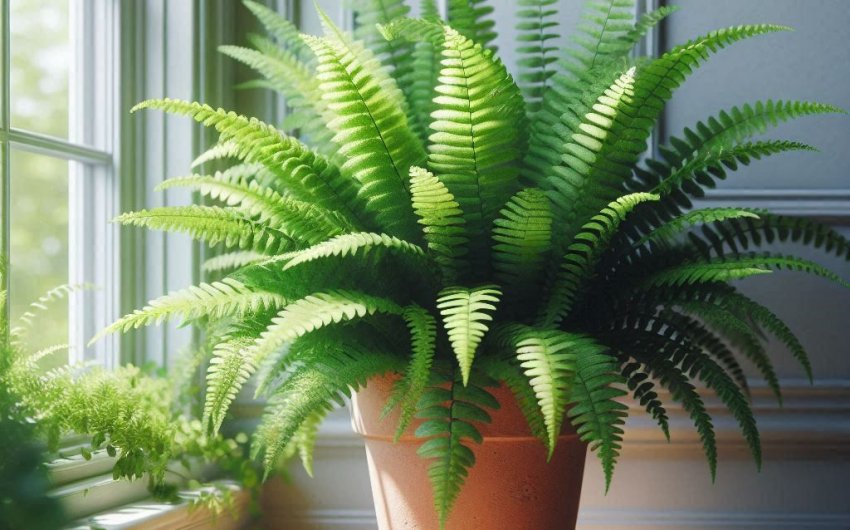
Boston ferns are a classic choice for bringing lush greenery into homes. With their graceful, arching fronds, they add a touch of natural elegance to any space. Yet, their beauty often comes with a bit of a challenge, especially when it comes to watering. Many new plant parents find themselves scratching their heads, wondering if they're giving their fern too much, or not enough, to drink. It's a common dilemma, as these beautiful plants can be quite particular about their hydration. Finding that perfect balance is key to keeping your Boston fern vibrant and healthy. Understanding their needs means stepping into their world, mimicking the humid, consistent moisture levels they'd naturally enjoy. Let's unravel the mystery of watering, ensuring your Boston fern flourishes, becoming that stunning focal point you envisioned.
What Factors Influence How Often My Boston Fern Needs Water?
Watering a Boston fern isn't a one-size-fits-all situation. There's no magical "water once a week" rule that applies to every plant in every home. Instead, how often your fern needs a drink depends on several important factors. Thinking about these elements will help you truly understand your plant's unique needs, leading to healthier, happier fronds. It's like checking the weather forecast before deciding what to wear; you wouldn't wear a heavy coat on a hot day, and you wouldn't water your fern the same way if it's in a drafty spot versus a cozy, humid corner.
What is the humidity level in your home?
Boston ferns are native to tropical and subtropical regions. This means they absolutely love humidity. In their natural homes, the air is thick with moisture. Inside your house, especially during winter months when heaters are running, the air can be very dry.
- High humidity: If your home has naturally high humidity (maybe you live in a very humid climate, or you run a humidifier near your fern, like the LEVOIT Humidifier for Plants), the soil will dry out slower. This means you won't need to water as often. The moisture in the air helps keep the plant hydrated.
- Low humidity: In dry environments, your fern will lose water through its leaves (a process called transpiration) much faster. This makes the soil dry out more quickly, and your fern will need more frequent watering to stay healthy. Low humidity is a major reason why Boston ferns struggle indoors, often leading to crispy fronds.
How much light does your Boston fern receive?
Light is a crucial part of a plant's energy production. The more light a plant gets, the more it "works," and the more water it uses.
- Bright, indirect light: This is ideal for Boston ferns. In this setting, the plant is actively photosynthesizing, using water at a consistent rate. You'll likely need to water more regularly than if it were in a darker spot. However, "bright" doesn't mean direct sunlight, which can scorch the delicate fronds.
- Low light: In a shadier spot, your fern will grow slower and use less water. Overwatering is a bigger risk here, as the soil will stay wet for longer periods. If your fern is in a very dim corner, you'll need to water much less often.
- Temperature changes: Also consider how light influences temperature. A sunny window might get very warm, causing the plant to dry out faster, even if the light itself isn't direct.
What is the temperature of your home?
Temperature directly impacts how quickly water evaporates from the soil and how fast your plant uses water.
- Warm temperatures: If your home is consistently warm (especially above 75°F or 24°C), your fern's metabolism speeds up, and water evaporates faster from the soil. This means you'll need to water more frequently.
- Cooler temperatures: In cooler rooms (below 65°F or 18°C), plant processes slow down, and evaporation is reduced. The soil will stay wet for longer, so you'll need to water less often. Avoid extreme cold, as Boston ferns are sensitive to chilling.
What type of pot and potting mix are you using?
The materials and structure of your plant's home play a huge role in water retention and drainage.
- Pot material:
- Terracotta pots (unglazed clay) are porous, meaning they breathe. Water evaporates through the sides of the pot, causing the soil to dry out faster. If your fern is in a terracotta pot, you'll generally need to water more often.
- Plastic pots and glazed ceramic pots are non-porous. Water can only evaporate from the soil surface and through the plant itself. This means the soil stays wet for longer, and you'll water less frequently.
- Pot size: A larger pot holds more soil, which holds more water. A smaller pot holds less, drying out faster. As your fern grows, a larger pot might mean less frequent watering, but also a higher risk of overwatering if the fern's roots haven't filled the space.
- Drainage holes: This is non-negotiable! Excellent drainage is vital for Boston ferns. A pot without drainage holes will lead to waterlogged soil and root rot very quickly. Always ensure your pot has at least one good drainage hole. Consider a Plant Pot with Drainage Hole if your current one lacks them.
- Potting mix: The quality and type of potting mix (or potting soil) significantly affect water retention and drainage.
- A well-draining, airy mix (often containing perlite, vermiculite, or peat moss) will drain quickly, reducing the risk of root rot but requiring more frequent watering.
- A heavy, dense mix (like plain garden soil) will hold too much water, leading to soggy conditions and suffocation of roots. Always use a good quality houseplant potting mix that is specifically designed for moisture-loving plants but still offers good drainage. Look for a mix that's light and fluffy.
What is the current season and growth stage of your fern?
Plants have cycles, and their water needs change with them.
- Spring and Summer (Growing Season): This is when your Boston fern is actively growing, producing new fronds, and expanding its root system. Its metabolism is high, and it uses a lot of water. During these months, you'll likely need to water more frequently.
- Fall and Winter (Dormant Season): As days shorten and temperatures drop (even indoors), most houseplants, including Boston ferns, enter a period of dormancy or slower growth. Their water needs decrease significantly. Watering too much during this time is a common cause of issues like root rot. You'll need to reduce your watering frequency.
- New vs. Established Ferns: A newly repotted fern might have different watering needs as it settles in. Established, large ferns will generally use more water than small, young ones because they have more foliage and roots.
By considering all these factors together, you can stop guessing and start truly understanding what your Boston fern needs. It's about being observant and responsive to your plant, rather than sticking to a rigid schedule.
How Can I Tell When My Boston Fern Needs Water?
Forget the calendar! The best way to know when to water your Boston fern is by listening to the plant itself and checking its potting mix. Relying on a schedule often leads to either overwatering or underwatering because, as we discussed, many factors can change how quickly your fern uses water. Learning to read the signs is the most important skill for a thriving fern.
Feel the Soil
This is the most reliable method for almost any houseplant. Your fingers are the best moisture meters!
- Insert your finger: Stick your index finger about 1 to 2 inches (2.5 to 5 cm) deep into the potting mix. For smaller pots, 1 inch might be enough. For larger pots, go a little deeper.
- What to feel for:
- Moist: If the soil still feels damp or cool at that depth, wait to water.
- Dry: If it feels dry to the touch, it's time to water. The soil might even feel crumbly or pull slightly away from the edges of the pot.
- Consistency is key: Check the soil every few days, especially when you're first learning your fern's rhythm. You'll quickly get a feel for how long it takes for your soil to dry out under your specific home conditions.
Lift the Pot
Another good indicator of soil moisture is the weight of the pot.
- Lift the pot when it's dry: After your fern has gone a few days without water, and you know the soil is dry, lift the pot to feel its weight. It will feel noticeably lighter than when it's fully watered.
- Lift the pot after watering: Water your fern thoroughly until water drains out. Then, lift the pot again to feel its weight when it's fully saturated.
- Compare: Over time, you'll learn to recognize the "dry" weight versus the "wet" weight. When your pot feels light, it's a good sign it needs water. This method works especially well for smaller to medium-sized ferns.
Observe the Fronds
Your Boston fern's fronds will often give you visual cues about its hydration levels, though these are usually signs of stress and mean you've waited a bit too long or are watering incorrectly.
- Drooping or wilting fronds: This is a classic sign of underwatering. The fronds will look limp and sad, lacking their usual perky stiffness. Don't confuse this with completely crisp, dead fronds, which are often a sign of chronic dryness or very low humidity.
- Crispy, brown tips or edges on fronds: While this can be a sign of very low humidity, it can also indicate underwatering, especially if the browning is widespread and the fronds feel dry to the touch. It means the plant isn't getting enough moisture to transport to the tips of its fronds.
- Yellowing fronds (especially lower ones) with soft, mushy stems: This is a strong indicator of overwatering and potential root rot. If the soil is consistently soggy, the roots can't breathe, and they start to die. The plant then can't take up water, leading to yellowing and wilting, paradoxically, as if it were underwatered. If you see this, check the soil immediately.
- Overall lack of vigor: If your fern just looks generally unhappy, not growing well, or losing its vibrant green color, it's a good time to assess your watering routine, along with light and humidity.
Use a Moisture Meter (Optional, but Helpful)
While your finger is often the best tool, a moisture meter can be a useful aid, especially if you're new to plant care or have many plants.
- How to use: Insert the probe of the moisture meter deep into the soil (about two-thirds of the way down for larger pots).
- Read the display: The meter will give you a reading, usually on a scale from 1 (dry) to 10 (wet).
- Interpretation: For Boston ferns, you want the reading to drop to about 3 or 4 (slightly dry to moist) before watering again. Avoid letting it hit 1, which means bone dry, and avoid keeping it consistently at 7-10, which means soggy. A reliable option is the XLUX Soil Moisture Meter.
- Caveat: Moisture meters measure moisture, not the actual water content plants can access. Always double-check with your finger, especially when you're first learning to use one. Some cheaper meters can also be unreliable.
By combining these methods – primarily the finger test and lifting the pot, backed up by visual cues – you'll develop a keen sense of your Boston fern's watering needs. It's an ongoing learning process, but a rewarding one that leads to a flourishing plant.
What is the Best Way to Water My Boston Fern?
Once you've determined that your Boston fern needs water, knowing how to water it effectively is just as important as knowing when. The goal is to thoroughly saturate the root ball without leaving the plant sitting in standing water, which can quickly lead to root rot. Think of it like giving your fern a good, long drink, not just a sip.
Use Lukewarm Water
Extremes in water temperature can shock your plant's roots.
- Cold water: Directly from the tap, cold water can be a shock, especially to tropical plants like Boston ferns. It can stress the roots and slow down water absorption.
- Lukewarm water: Always use room temperature or slightly lukewarm water. Let tap water sit out for a few hours to allow any chlorine to dissipate and to reach ambient temperature. Alternatively, use filtered water or rainwater.
Water Thoroughly Until It Drains
This is the golden rule for most houseplants, including Boston ferns.
- Apply water slowly: Pour water evenly over the surface of the potting mix. Don't rush it; let the water soak in gradually.
- Ensure drainage: Continue watering until you see water flowing freely out of the drainage holes at the bottom of the pot. This ensures that the entire root ball has been moistened. For very dry soil, the water might run straight through at first. If this happens, wait a few minutes, let the water soak in, and then water again. This indicates the soil has become hydrophobic (repels water).
- Catch excess water: Place the pot on a saucer or in a cachepot (decorative pot without drainage) to catch the excess water.
Empty the Saucer Immediately
This step is absolutely critical for preventing root rot.
- Do not let your fern sit in standing water: After watering, allow the pot to drain for about 15-30 minutes. Once it has finished dripping, empty any excess water from the saucer or cachepot. Boston ferns hate having their "feet wet." Prolonged exposure to standing water deprives roots of oxygen, causing them to suffocate and rot. This is one of the most common mistakes leading to Boston fern decline.
Consider Bottom Watering
Bottom watering can be a very effective method for Boston ferns, especially if your soil has become a bit hydrophobic or if you want to encourage deeper root growth.
- How it works: Place the potted fern (ensure it has drainage holes!) into a larger tray, sink, or basin filled with 1-2 inches (2.5-5 cm) of lukewarm water.
- Allow to soak: Let the plant sit in the water for 15-30 minutes, or until the top of the soil feels damp to the touch. The soil will absorb water upwards through the drainage holes by capillary action.
- Drain thoroughly: Once the topsoil is moist, remove the pot from the water and let it drain completely before returning it to its spot.
- Benefits: This method ensures even moisture distribution throughout the pot and encourages roots to grow downwards in search of water. It also keeps the foliage dry, which can help prevent fungal issues.
Increase Humidity (and How it Relates to Watering)
While not a direct watering method, increasing humidity is intrinsically linked to your fern's water needs and overall health. Higher humidity means your fern loses less water through its leaves, which can slightly reduce the frequency of watering.
- Misting: Regularly misting your fern's fronds with lukewarm water can provide temporary humidity. However, misting alone is often not enough to meet the high humidity needs of a Boston fern, and can sometimes encourage fungal diseases if air circulation is poor. Use a fine mist sprayer, like the Mister Spray Bottle.
- Pebble tray: Place the fern's pot on a tray filled with pebbles and water. Ensure the bottom of the pot is above the water level, not in it. As the water evaporates, it increases humidity around the plant.
- Humidifier: The most effective way to increase humidity, especially in dry homes, is to use a room humidifier. Place it near your fern to create a consistently moist environment. This directly impacts how often your plant actually needs water by reducing its water loss to the air.
- Group plants: Grouping several plants together can also create a microclimate with slightly higher humidity, as plants release moisture through their leaves.
By following these best practices, you'll be able to water your Boston fern effectively, ensuring it receives the right amount of hydration for its lush, vibrant growth without succumbing to the common pitfalls of over or underwatering. It's all about observing, understanding, and responding to your plant's needs.
What Are the Signs of Overwatering My Boston Fern?
Overwatering is the number one killer of houseplants, and Boston ferns are particularly susceptible. While they love moisture, they hate having their roots constantly soaked. Understanding the signs of overwatering is crucial because early detection can save your plant. These symptoms often appear similar to underwatering, which can be confusing, but the key difference lies in the soil moisture level.
Yellowing Fronds
One of the most common first signs of overwatering is the yellowing of the fronds, especially the lower or older ones.
- Why it happens: When the roots are waterlogged, they can't access oxygen. Without oxygen, the roots effectively "drown" and begin to rot. When roots are damaged, they can't properly absorb water and nutrients, leading to a general decline in the plant's health, manifesting as yellowing foliage.
- Distinguishing from underwatering: With underwatering, yellowing fronds usually feel dry and crispy. With overwatering, the yellowing fronds might feel soft, limp, or even mushy.
Limp or Wilting Fronds
This is where it gets tricky because wilting can also be a sign of underwatering. However, in the case of overwatering:
- Feel the soil: The soil will feel consistently wet or soggy to the touch, not dry.
- Why it happens: Again, it's about root damage. Even though the soil is full of water, the damaged roots can't transport that water to the rest of the plant. The plant essentially "starves" for water, even in a saturated environment, leading to wilting. The fronds might look heavy and droopy, rather than light and crispy.
Brown and Mushy Stems or Fronds
As root rot progresses, the damage becomes more severe and visible.
- Mushy stems: The base of the fronds or stems might become soft, mushy, and discolored (often dark brown or black). This is a strong indicator of stem rot or crown rot spreading from the roots.
- Brown fronds: Unlike the crisp brown of underwatering, these brown spots might appear soft, watery, or spread quickly on the fronds.
Foul Odor from the Soil
If you notice a stale, musty, or outright rotten smell coming from the potting mix, it's a very strong sign of root rot.
- Why it happens: Anaerobic bacteria (bacteria that thrive without oxygen) begin to grow in the waterlogged, oxygen-deprived soil, causing the organic matter (roots, potting mix) to decompose and emit unpleasant odors. This is a critical warning sign.
Mold Growth on Soil Surface
A white or greenish mold or fungus growing on the surface of the potting mix often indicates persistently high moisture levels and poor air circulation around the soil.
- While often harmless to the plant itself, it's a clear signal that the soil is staying wet for too long, creating ideal conditions for root rot below the surface.
Stunted or Lack of New Growth
If your Boston fern isn't producing new fronds, or if new growth is small, weak, and discolored, it can be a sign of stressed roots due to overwatering. The plant is putting all its energy into trying to survive, not grow.
Edema (Rare, but Possible)
In some cases of consistent overwatering, you might see edema, which looks like small, blister-like swellings on the leaves. This happens when the plant takes in more water than it can transpire, causing cells to burst. On Boston ferns, this is less common but can occur.
What to Do if You Suspect Overwatering:
- Stop watering immediately.
- Check the soil deeply: Is it truly soggy?
- Improve drainage: If possible, lift the plant to allow air to circulate around the bottom of the pot.
- Repot (if severe): If the soil is heavily waterlogged and you see significant root rot (mushy, dark roots that smell foul), you might need to carefully remove the fern from its pot, gently cut away any rotten roots with clean scissors, and repot it into fresh, well-draining potting mix. A good potting mix for ferns can be found, for example, the FoxFarm Ocean Forest Potting Soil. Use a clean pot (or wash the old one thoroughly).
- Adjust watering habits: Re-evaluate your watering frequency based on the factors discussed earlier. Allow the top few inches of soil to dry out before watering again.
Learning to recognize these warning signs and taking swift action is vital for the long-term health of your Boston fern. Overwatering is a solvable problem once you know what to look for!
What Are the Signs of Underwatering My Boston Fern?
While overwatering is often the primary concern for Boston ferns, underwatering can also quickly lead to a sad-looking plant. Boston ferns love consistent moisture, and letting them dry out too much, or for too long, will certainly show in their foliage. Unlike the often subtle and confusing signs of overwatering, underwatering symptoms are usually quite clear, albeit unfortunate.
Drooping or Wilting Fronds
This is the most immediate and common sign of an underwatered Boston fern.
- Appearance: The fronds will look tired, limp, and lifeless. They won't stand up perkily as they usually do. They might hang down over the sides of the pot.
- Why it happens: Plants rely on turgor pressure (water pressure inside their cells) to keep their stems and leaves stiff. When there isn't enough water, the cells lose this pressure, causing the fronds to wilt.
- Distinguishing from overwatering: The key differentiator here is the soil. If your fronds are drooping due to underwatering, the soil will feel bone dry when you stick your finger into it. If the soil is wet, then wilting indicates overwatering.
Crispy, Brown Frond Tips and Edges
This symptom is a hallmark of a chronically underwatered or low-humidity Boston fern.
- Appearance: The very tips of the fronds, or sometimes the edges, will turn brown and become dry and crispy to the touch. The browning might progress inwards from the tips.
- Why it happens: When a plant doesn't get enough water, it can't transport moisture efficiently to all parts of its foliage, especially the extremities. These parts dry out and die. Low humidity exacerbates this, as water evaporates from the leaves even faster.
- Severity: If entire fronds are turning crispy brown and dying off, it indicates severe and prolonged underwatering.
Dull or Faded Green Color
A healthy Boston fern has vibrant, rich green fronds.
- Appearance: An underwatered fern might lose its lively green color, appearing dull, somewhat faded, or even slightly grayish-green.
- Why it happens: Lack of sufficient water can impact the plant's ability to photosynthesize effectively and maintain its overall health, leading to a less vibrant appearance.
Lightweight Pot
As mentioned previously, the weight of the pot is an excellent indicator.
- Check the weight: If you lift the pot and it feels surprisingly light, it's a strong sign that most of the moisture has evaporated from the soil, and your fern needs a drink.
Soil Pulling Away from the Pot Edges
When potting mix becomes extremely dry, it can shrink slightly.
- Appearance: You might see visible gaps between the edge of the soil ball and the inside wall of the pot.
- Why it happens: This shrinkage is a clear indication that the soil has completely dried out. When the soil is this dry, water might even run straight through the gaps when you try to water, making it harder for the roots to absorb moisture. If this happens, a good soak via bottom watering can be very helpful to rehydrate the soil effectively.
Dropping Fronds (Severe Underwatering)
In severe cases of prolonged underwatering, your Boston fern might start dropping entire fronds, often starting with the lower, older ones. This is the plant's way of conserving energy and water by shedding parts it can no longer sustain.
What to Do if You Suspect Underwatering:
- Water immediately and thoroughly. As described in the "Best Way to Water" section, use lukewarm water and ensure it drains out the bottom. For very dry soil that's pulling away from the pot, consider bottom watering to ensure full rehydration.
- Increase humidity: After watering, ensure the fern is in a sufficiently humid environment. Misting, pebble trays, or a humidifier will help prevent rapid water loss from the fronds.
- Monitor: Check the soil more frequently after this episode to prevent it from drying out too much again. Adjust your watering schedule to be more consistent.
- Trim damaged fronds: Once the plant has recovered, you can trim off any crispy, brown fronds that don't bounce back. This directs the plant's energy to healthy new growth. Use clean, sharp pruners like Fiskars Pruning Snips.
Recognizing the signs of underwatering quickly allows you to react promptly and revive your Boston fern before irreversible damage occurs. Consistency is key to keeping these beautiful plants thriving.