
How Often Should I Water My Succulents?
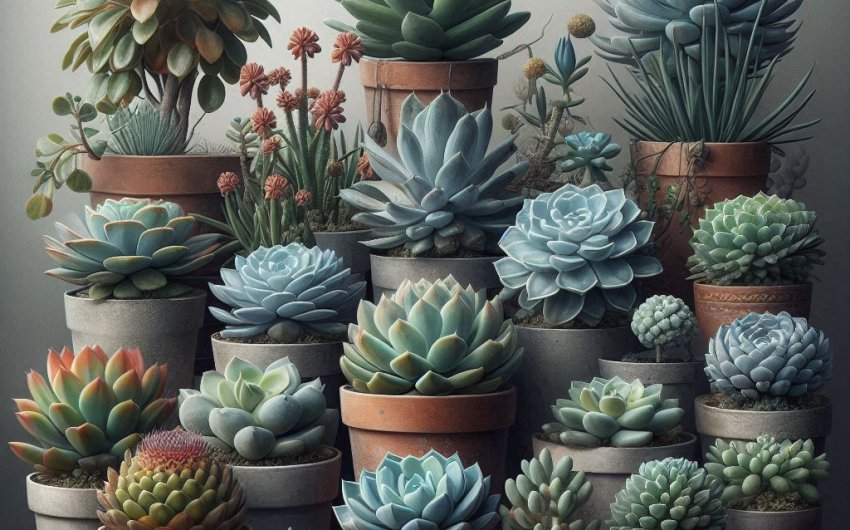
One of the most common questions new succulent owners ask is, "How often should I water my succulents?" It's a fundamental question that, if answered incorrectly, can lead to the quick demise of these charming, low-maintenance plants. The truth is, there's no single perfect schedule; watering succulents correctly is more about understanding their natural needs and observing their environment. This guide will demystify succulent watering, providing you with the knowledge and confidence to keep your fleshy-leaved beauties thriving.
Why Is Succulent Watering So Different?
Succulents aren't like other houseplants. Their unique adaptations mean their watering needs are drastically different from your leafy ferns or thirsty tropicals.
How Do Succulents Store Water?
The secret to a succulent's drought tolerance lies in its specialized anatomy. Succulents are plants that have developed thick, fleshy parts (leaves, stems, or roots) to store water. This adaptation allows them to survive for long periods in arid or semi-arid environments where water is scarce.
- Fleshy Leaves: Most commonly, succulents store water in their leaves, making them plump and firm (e.g., Echeveria, Sedum, Aloe).
- Thick Stems: Some succulents, like certain cacti or Euphorbias, store water in their stems, which are often swollen or columnar.
- Large Roots/Rhizomes: A few succulents, like the ZZ plant, store water in underground tubers or rhizomes. This internal water reservoir is why they can go so long without a drink and why overwatering is so dangerous for them.
What Happens When Succulents Get Too Much Water?
Overwatering is the single biggest killer of succulents. Because they store water, they don't need frequent refills.
- Root Rot: The primary danger. When soil stays wet for too long, roots literally drown because they can't access oxygen. Once roots start to rot, they can't absorb water or nutrients, and the plant will decline rapidly.
- Mushy Leaves: Overwatered succulents often have leaves that turn yellow, become soft and mushy, and may even appear translucent. They might drop off easily.
- Fungal Diseases: Constantly wet conditions encourage the growth of harmful fungi, leading to stem rot or other diseases.
- Edema: In some cases, overwatering can cause the plant to absorb too much water too quickly, leading to cells bursting and forming corky, raised spots on the leaves.
What Happens When Succulents Get Too Little Water?
While less common, underwatering can also harm succulents, though they are much more forgiving of drought than excess water.
- Wrinkled or Shriveled Leaves: The most common sign. As the plant uses its stored water, its fleshy leaves will start to shrink, wrinkle, or shrivel as they become dehydrated.
- Stunted Growth: Prolonged underwatering will lead to very slow or no new growth.
- Hardening/Crisping: In extreme cases, leaves might become crispy and hard, eventually falling off. The good news is that underwatered succulents usually recover quickly once watered.
What Factors Influence Succulent Watering Frequency?
Since there's no fixed schedule, you need to consider several environmental and plant-specific factors.
1. Light Levels
Light is one of the biggest drivers of a succulent's water needs.
- High Light: Succulents in very bright, sunny locations (like a south-facing window or outdoors in full sun) will use water much faster and need watering more frequently than those in lower light.
- Low Light: Succulents in dimmer conditions (e.g., north-facing window, interior room) will use water very slowly. Overwatering is especially easy in low light, as the soil takes much longer to dry out.
2. Temperature
- Warm Temperatures: Plants metabolize water more quickly in warm conditions, leading to faster drying soil and more frequent watering needs.
- Cool Temperatures: In cooler temperatures, growth slows down, and water evaporation decreases, meaning plants need significantly less water.
3. Humidity
- Low Humidity (Dry Air): In very dry climates or heated indoor environments, water evaporates from the soil and the plant's leaves more quickly, increasing watering frequency.
- High Humidity (Humid Air): In humid environments, water evaporates slowly, so you'll need to water less often.
4. Pot Size and Material
The type and size of your pot play a significant role in how quickly soil dries.
- Pot Size: Smaller pots dry out faster than larger pots.
- Terra Cotta Pots: Unglazed terra cotta pots are porous and allow water to evaporate through their sides, which helps the soil dry out quickly. This is often the best choice for succulents, helping prevent overwatering. A terra cotta plant pot is an excellent investment.
- Glazed Ceramic/Plastic Pots: These materials are non-porous and retain moisture longer. If using these, be extra careful with watering.
5. Type of Soil Mix
The right soil is crucial for succulents.
- Well-Draining Soil: Succulents absolutely require a fast-draining soil mix that doesn't retain too much moisture. Standard potting soil is typically too dense and holds too much water, leading to root rot.
- Recommended Mix: Use a specialized cactus and succulent mix, or create your own by mixing regular potting soil with ample perlite, pumice, or coarse sand (a 1:1 or 1:2 ratio of potting soil to grit is common). A bag of succulent and cactus mix is readily available.
6. Season and Growth Cycle
Succulents have active growth periods and dormant periods.
- Active Growing Season (Spring/Summer for most): During this time, they are actively growing and using more water, so they will need more frequent watering.
- Dormancy (Fall/Winter for most): When light levels are low and temperatures are cool, most succulents enter a dormant phase. Their growth slows significantly, and their water needs drop dramatically. Many can go weeks or even months without water during this period.
7. Succulent Species
While the general "soak and dry" rule applies to most, some succulents have slightly different preferences.
- Lithops ("Living Stones"): These mimic stones and have very unique watering needs, often only needing water a few times a year.
- Some Tropical Succulents: Certain succulents, like Christmas cacti or String of Hearts, prefer a bit more consistent moisture and humidity than desert varieties.
What is the "Soak and Dry" Method?
The "Soak and Dry" method is the golden rule for watering succulents, allowing them to thrive by mimicking natural rainfall patterns.
How Does the Soak and Dry Method Work?
This method involves two key parts:
- Soak Thoroughly: When you do water, water deeply and thoroughly. Pour water onto the soil until it drains freely from the pot's drainage hole. This ensures that all the roots get access to moisture and flushes out any salt buildup in the soil. A long-spouted watering can can help deliver water directly to the soil without splashing the leaves.
- Allow to Dry Completely: After soaking, allow the soil to dry out completely before watering again. This is the crucial part that prevents root rot. The duration of this "dry" period will vary based on all the factors mentioned above.
How Do You Know When the Soil is Completely Dry?
- The Finger Test: The simplest method. Stick your finger 2-3 inches deep into the soil (or all the way to the bottom if it's a small pot). If it feels dry, it's time to water.
- Weight of the Pot: Lift the pot when the soil is dry, and then again immediately after watering. You'll notice a significant difference in weight. Over time, you'll learn to recognize when the pot is light, indicating it's dry.
- Moisture Meter: A soil moisture meter can provide a more precise reading of the soil's moisture content, particularly helpful for larger pots or deeper readings.
- Visual Cues from the Plant: Look for the subtle signs of thirst mentioned earlier (slightly wrinkled or softened leaves).
What Are Common Watering Mistakes to Avoid?
Avoiding these pitfalls is as important as knowing when and how to water.
1. Watering on a Schedule
- Mistake: Watering every X days (e.g., "every Sunday") regardless of the soil's moisture level or the plant's needs.
- Why it's Bad: Leads to overwatering if the soil hasn't dried out, or underwatering if it dries too fast.
- Solution: Always check the soil and the plant before watering. Let the plant tell you when it's thirsty.
2. Misting Instead of Watering
- Mistake: Lightly misting the surface of the soil or the leaves, thinking it's sufficient.
- Why it's Bad: Misting only moistens the very top layer of soil, not reaching the roots. It also keeps the leaves wet, which can encourage fungal diseases, especially in low-airflow environments. Succulents are not typically misted for humidity.
- Solution: Always use the "soak and dry" method. Deliver water to the roots, not just the surface.
3. Not Using Pots with Drainage Holes
- Mistake: Planting succulents in decorative pots or terrariums without drainage holes.
- Why it's Bad: Excess water has nowhere to go, leading to saturated soil and inevitable root rot. This is a very common cause of succulent death.
- Solution: Always choose pots with at least one drainage hole. If you love a pot without drainage, use it as a cachepot (a decorative outer pot) and keep your succulent in a smaller nursery pot with drainage inside.
4. Using the Wrong Soil
- Mistake: Planting succulents in heavy, moisture-retentive potting mixes like standard houseplant soil.
- Why it's Bad: This soil holds too much water for too long, leading to root rot even if you water infrequently.
- Solution: Always use a specialized cactus and succulent mix or create your own well-draining mix.
5. Ignoring Seasonal Changes
- Mistake: Watering the same way year-round.
- Why it's Bad: During dormancy (usually winter), succulents need far less water. Watering frequently in winter will almost certainly lead to rot.
- Solution: Drastically reduce watering frequency in fall and winter. Resume more regular watering in spring as temperatures warm and growth picks up.
6. Overly Large Pots
- Mistake: Planting a small succulent in a very large pot.
- Why it's Bad: A large volume of soil around a small root system will stay wet for too long, increasing the risk of root rot.
- Solution: Choose a pot that is only slightly larger than the succulent's root ball.
What Are the Visual Cues Your Succulent is Giving You?
Your succulent will often tell you when it's thirsty or overwatered, if you know what to look for.
Signs of Thirst (Underwatering):
- Wrinkled or Shriveled Leaves: The most obvious sign. Leaves (especially lower ones) will start to look less plump and develop wrinkles or shriveling as they use up their stored water.
- Soft/Limp Leaves: Leaves may feel soft and pliable, rather than firm.
- Dull Color: The vibrant color may become muted.
- Lower Leaves Drying Up: Older, lower leaves might completely dry out and fall off. This is a normal part of plant growth, but excessive drying of many leaves can signal prolonged thirst.
Signs of Too Much Water (Overwatering/Root Rot):
- Mushy, Translucent, or Yellowing Leaves: Leaves will become soft, squishy, and may turn yellow or even translucent, indicating cell damage. They might fall off easily with a light touch.
- Blackened Stems: The base of the stem or the stem itself might turn black and mushy, a definitive sign of root rot.
- Foul Odor from Soil: Rotting roots can produce an unpleasant, earthy, or foul smell.
- Stunted Growth or Sudden Collapse: The plant might stop growing, or it might suddenly collapse due to severe root damage.
What's the Ideal Watering Frequency in Different Scenarios?
While "soak and dry" is the rule, here are some general guidelines for common scenarios:
- Summer/Active Growth (Bright Light): You might find yourself watering every 1-3 weeks.
- Winter/Dormancy (Lower Light, Cooler Temps): Watering could be as infrequent as every 3-6 weeks, or even less for some very drought-tolerant varieties.
- Outdoors in Full Sun (Hot Climates): Depending on rainfall, you might water every 1-2 weeks.
- Small Pots/Terra Cotta: These will dry out faster, so check more frequently.
- Large Pots/Plastic Pots: These will hold moisture longer, so check less frequently.
Ultimately, mastering how often to water your succulents comes down to consistent observation, patience, and adapting your approach to your plant's specific signals and environment. By focusing on the "soak and dry" method and prioritizing excellent drainage, you'll set your succulents up for a long and healthy life.