
How Often Should You Water a Cactus Plant?
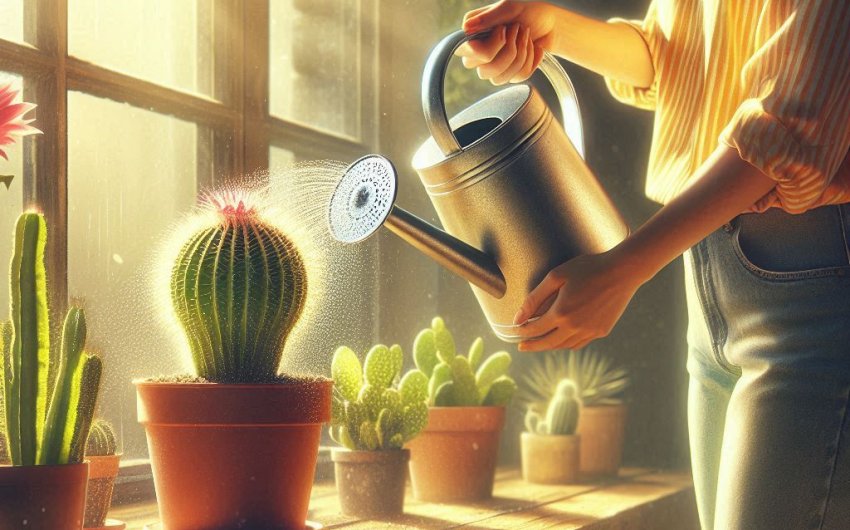
Determining how often should you water a cactus plant is arguably the most critical aspect of caring for these fascinating desert dwellers. Unlike many other houseplants, cacti have evolved unique adaptations to survive in extremely dry environments, meaning their watering needs are vastly different. Providing too much moisture is the quickest way to send these spiky beauties to an early grave, while understanding their specific requirements will ensure they thrive and possibly even bloom in your home. It's less about a strict schedule and more about understanding their natural rhythms and listening to what the plant and its soil are telling you.
Why is watering a cactus different from other plants?
Cacti are masters of survival in harsh, arid landscapes. Their unique biology allows them to store water and minimize loss, which is why their watering needs are so distinct from typical houseplants. Understanding these adaptations is key to grasping how often you should water a cactus plant.
What are the natural adaptations of cacti for water conservation?
Cacti have several incredible features that help them survive with very little water:
- Succulent Stems: The most obvious adaptation is their fleshy, thick stems, which act like natural water reservoirs. Instead of leaves, which lose a lot of water through evaporation, cacti have evolved to store water directly in their stems. These stems can expand to hold a large amount of water after a rare rainfall and then shrink as they use it up.
- No Leaves (or Modified Leaves): Most cacti don't have traditional broad leaves. Instead, they have spines, which are actually highly modified leaves. Spines help in several ways: they reduce the surface area exposed to the sun and wind, minimizing water loss; they provide shade to the stem; and they deter thirsty animals from trying to get to the stored water. Some cacti, like the Pereskia cactus, still have leaves, but these are often an exception to the rule for true desert cacti.
- Areoles: Spines, flowers, and new growth on a cactus all emerge from specialized structures called areoles. These are typically small, cushion-like bumps on the stem.
- Waxy Cuticle: The outer skin of a cactus stem is covered with a thick, waxy layer called a cuticle. This protective coating acts like a waterproof barrier, preventing moisture from evaporating directly from the plant's surface.
- Shallow, Widespread Root Systems: Many desert cacti have shallow, widespread root systems. This allows them to quickly absorb any surface water from light rainfall before it has a chance to evaporate or sink too deep into the soil. Some also have deeper taproots for more stable anchoring.
- Crassulacean Acid Metabolism (CAM) Photosynthesis: This is a fancy term for a very clever trick. Most plants open tiny pores (stomata) on their leaves during the day to take in carbon dioxide for photosynthesis, but this also causes water loss. Cacti, however, open their stomata only at night when temperatures are cooler and humidity is higher, absorbing carbon dioxide. During the day, they keep their stomata closed, greatly reducing water loss while still being able to perform photosynthesis using the stored carbon dioxide. This is a critical adaptation for conserving moisture.
What happens if you overwater a cactus?
Given their water-storing capabilities, the biggest danger to a cactus is overwatering. It's far more common to kill a cactus with too much water than with too little.
- Root Rot: This is the most common and devastating consequence of overwatering. When a cactus sits in constantly wet soil, its roots are deprived of oxygen. Anaerobic (without oxygen) conditions allow harmful bacteria and fungi to thrive, causing the roots to turn mushy and black. Once the roots are compromised, the plant cannot absorb water or nutrients, and the rot can quickly spread to the stem. Often, by the time you see signs of rot on the stem, the problem is already severe.
- Soft, Mushy Stem: An overwatered cactus will often feel soft and squishy to the touch, especially near the base. The color might also change, turning yellow, brown, or black from the bottom up as the rot progresses. This is different from the firm feel of a healthy, plump cactus.
- Swollen or Bursting: In extreme cases, if a cactus takes in too much water too quickly, its cells can swell beyond their capacity and even burst, leading to permanent damage and scarring.
- Weakened Growth: Even if outright rot doesn't occur, consistent overwatering can lead to weak, elongated, and pale growth (etiolation) as the plant tries to reach for more light because it's struggling to photosynthesize efficiently in poor conditions.
- Pest Infestations: Overwatered plants are generally weaker and more susceptible to pests like fungus gnats (which thrive in damp soil) and even mealybugs.
Because cacti are so well-adapted to drought, it's always safer to err on the side of underwatering than overwatering. A slightly thirsty cactus can recover, but one with rotted roots usually cannot.
What factors influence how often you should water a cactus plant?
There's no single universal answer to how often should you water a cactus plant, as their needs are influenced by a combination of environmental factors. Thinking about these elements will help you create a personalized watering schedule that keeps your spiky friend happy and healthy.
What is the growing season for cacti?
Cacti, like most plants, have active and dormant periods. Their watering needs change dramatically between these two phases.
- Growing Season (Spring and Summer): This is when your cactus is actively growing, putting out new spines, and possibly blooming. During this period, which typically runs from late spring through early fall, the plant needs more water to fuel its growth. This is when you'll be watering more frequently.
- Dormant Season (Fall and Winter): As days shorten and temperatures drop, most cacti enter a period of rest. Their growth slows down significantly, and their water requirements decrease dramatically. During this time, which is roughly from late fall through early spring, you will water much less frequently, sometimes only once a month or even less, depending on other factors. Some desert cacti prefer to be almost completely dry during their winter dormancy. Watering during dormancy can easily lead to root rot.
Understanding these cycles is fundamental. You wouldn't wake someone up every hour to drink if they were asleep, and similarly, you shouldn't constantly water a dormant cactus.
How does light exposure affect watering needs?
The amount of light your cactus receives directly impacts its need for water.
- Bright, Direct Light: Cacti receiving a lot of bright, direct sunlight will perform more photosynthesis and will use up water more quickly. Therefore, they will need more frequent watering during their growing season. If your cactus is in a south-facing window or outdoors in full sun, its soil will dry out faster.
- Lower Light Conditions: Cacti in lower light conditions (though ideally they should still get good light) will grow more slowly and use water at a much slower rate. They will need less frequent watering, as their soil will take longer to dry out. It's crucial to adjust your watering if you move a cactus from a very sunny spot to a shadier one.
Always remember that most cacti prefer bright light or full sun. If your cactus isn't getting enough light, it might become "etiolated" (stretched and thin), which also affects its ability to use water efficiently.
What role does temperature play?
Temperature is another critical factor in determining evaporation rates and plant activity.
- Warm Temperatures: In warm conditions, water evaporates more quickly from the soil and is used more rapidly by the plant. This means more frequent watering is required during warm periods, especially during the active growing season.
- Cooler Temperatures: Cooler temperatures slow down both evaporation from the soil and the plant's metabolic processes. This significantly reduces the need for water, particularly during the dormant season. During winter dormancy, if temperatures are very cool (but above freezing), some cacti might need little to no water.
Avoid sudden drastic temperature changes, as this can stress the plant.
How does humidity affect a cactus?
Humidity refers to the amount of moisture in the air.
- Low Humidity: In very dry environments (low humidity), water evaporates from the soil and from the plant (transpiration) more quickly. This means your cactus will need more frequent watering. Most desert cacti prefer low humidity.
- High Humidity: In high humidity environments, water evaporates much more slowly. This means the soil will stay wet for longer, and you'll need to water less frequently to avoid overwatering. If you live in a naturally humid climate, or if your cactus is near a humidifier, be extra careful with your watering schedule.
What about air circulation?
Good air circulation helps to dry out the soil after watering and reduces the risk of fungal problems.
- Good Airflow: In areas with good airflow, the soil will dry out more quickly, potentially requiring more frequent watering during the growing season.
- Stagnant Air: In stagnant air, the soil stays wet for longer, increasing the risk of root rot. If your cactus is in a corner with poor air movement, you'll need to water less often. Consider using a small fan on a low setting for a few hours after watering if air circulation is a major issue, but ensure it's not blowing directly on the plant continuously.
By considering these factors – the plant's growing season, light, temperature, humidity, and air circulation – you can develop a flexible and appropriate watering strategy for your specific cactus and its environment.
What are the signs a cactus needs water or has been overwatered?
Learning to "read" your cactus is paramount to successful care. Instead of sticking to a rigid schedule, pay attention to the plant's appearance and the soil conditions. These indicators will tell you exactly how often you should water a cactus plant.
What are the signs of an underwatered cactus?
While overwatering is the more common killer, underwatering can also harm your cactus. The good news is that an underwatered cactus is usually much easier to save than an overwatered one.
- Wrinkling or Shrinking: A thirsty cactus will start to look a bit deflated. Its stem might appear wrinkled, shriveled, or slightly shrunken. This is because it's using up its stored water, and the skin is losing its plumpness. You'll notice this most often on ribbed cacti, where the ribs become more pronounced and closer together.
- Softness (but not mushy): An underwatered cactus might feel slightly soft or pliable, but not mushy or squishy like an overwatered one. It will lack the firm, turgid feel of a well-hydrated plant.
- Dull Color: The vibrant green or blue-green color of a healthy cactus might become a bit dull or grayish when it's thirsty.
- Dry, Crumbly Soil: This is the most obvious sign. The soil will be completely dry throughout the pot, pulling away from the sides.
- Light Pot Weight: If you lift the pot, it will feel significantly lighter than when it's just been watered.
If you see these signs, it's time to give your cactus a good drink. It should plump back up within a day or two after watering.
What are the signs of an overwatered cactus?
As mentioned, overwatering is the most serious threat. Catching these signs early can sometimes save your plant.
- Mushy, Soft Stem: This is the most telling sign. The cactus stem will feel very soft and squishy, often near the base, and might even have a foul odor. It might look translucent or waterlogged.
- Discoloration (Yellow, Brown, Black): The healthy green color will start to turn yellow, then brown, and eventually black, typically starting from the bottom of the plant and working its way up. This indicates rot spreading through the plant tissue.
- Leaning or Collapsing: As the rot progresses and the stem loses its structural integrity, the cactus may start to lean over or completely collapse.
- Fungus Gnat Infestation: If you see tiny, flying insects (fungus gnats) hovering around the soil, it's a strong indicator that the soil is staying too wet for too long, as fungus gnat larvae thrive in constantly moist conditions.
- Visible Mold or Fungus: Sometimes, you might see white, fuzzy mold or other fungal growth on the surface of the soil or around the base of the plant.
- Standing Water: If water is pooling at the bottom of the pot or in the saucer, your drainage is poor, and you are definitely overwatering.
If you observe signs of overwatering, especially mushiness or discoloration, immediate action is needed. Stop watering immediately, unpot the plant, inspect the roots for rot, and remove any affected parts with a sterile knife. Allow the plant to dry out completely before repotting into fresh, dry soil. In severe cases, the cactus might not recover.
How to check soil moisture effectively?
Relying on how the soil looks on top can be misleading, as the top layer often dries out much faster than the bottom. To accurately determine when to water your cactus, you need to check the moisture level deep within the pot.
- The Finger Test: This is the simplest and often most effective method. Stick your finger about 2-3 inches deep into the soil. For smaller pots, you might even be able to reach the bottom. Only water when the soil feels completely dry at that depth.
- The Wooden Skewer Test: For deeper pots or if you prefer not to stick your finger in, insert a wooden skewer or chopstick all the way to the bottom of the pot. Leave it there for about 10-15 minutes. When you pull it out, if it feels damp or has soil particles sticking to it, the soil is still wet. If it comes out completely clean and dry, it's time to water.
- Lifting the Pot: Over time, you'll get a feel for the weight of your potted cactus. A completely dry pot will feel significantly lighter than a recently watered one. This method is particularly useful once you've gained some experience.
- Moisture Meter: A soil moisture meter can provide a numerical reading of soil moisture. While useful, remember that these can sometimes give inaccurate readings in very gritty cactus mixes, so it's best to use them in conjunction with the finger or skewer test.
The golden rule for watering a cactus is: when in doubt, wait another day or two. It's much easier to recover from slight underwatering than from root rot caused by overwatering.
What is the best method for watering a cactus plant?
Once you've determined that your cactus is thirsty, the way you deliver water is just as important as how often you should water a cactus plant. The goal is to mimic a natural desert downpour: a thorough soak followed by a long period of dryness.
How to "soak and dry" a cactus?
The "soak and dry" method is the gold standard for watering cacti and most succulents.
- Water Thoroughly: Pour water slowly and evenly over the entire surface of the soil until you see it draining freely from the drainage holes at the bottom of the pot. Don't be afraid to give it a good drenching. This ensures all the roots get hydrated.
- Drain Completely: Allow the pot to drain thoroughly. Do not let your cactus sit in standing water in a saucer for more than 15-30 minutes. If there's still water in the saucer, empty it. Sitting in water is a fast track to root rot. You can prop the pot up on pot feet to ensure better airflow under the pot and complete drainage.
- Wait for Complete Dryness: This is the most crucial part. After the thorough watering, wait until the soil is completely dry throughout the entire pot before watering again. This means not just the top inch or two, but all the way down to the bottom. Use the finger or wooden skewer test described earlier to confirm dryness. This dry period allows the roots to get oxygen and prevents the anaerobic conditions that lead to rot.
This method encourages the cactus roots to grow deeply and strongly in search of water, just as they would in their natural habitat.
What kind of water should I use?
For most cacti, regular tap water is usually fine. However, if your tap water is heavily chlorinated or has a very high mineral content (hard water), it might be beneficial to use:
- Filtered water: A simple Brita filter or similar can help remove some chlorine.
- Rainwater: If you can collect it, rainwater is excellent for plants as it's naturally soft and free of chlorine and minerals.
- Distilled water: While effective, it lacks minerals, so you'd need to ensure your cactus fertilizer regimen is consistent.
Letting tap water sit out for 24 hours can help dissipate chlorine, though not necessarily other minerals. Avoid using softened water, as it often contains high levels of sodium, which can be detrimental to cacti.
When should I water?
- Time of Day: Water your cactus in the morning during its active growing season. This gives the plant all day to absorb the water and allows any excess moisture to evaporate before cooler night temperatures set in, reducing the risk of fungal issues.
- Season: As discussed, dramatically reduce watering during the dormant fall and winter months. Some cacti may need only one watering per month or even less, while others may prefer to be completely dry. Always check the soil.
Should I use fertilizer with watering?
During the growing season, a dilute feed can be beneficial.
- Frequency: Fertilize only during the active growing season (spring and summer), typically every 2-4 weeks or as recommended by the product label. Do not fertilize during dormancy.
- Type: Use a specialized cactus and succulent fertilizer that is lower in nitrogen and higher in phosphorus and potassium. A balanced liquid fertilizer diluted to half or quarter strength is also acceptable.
- Application: Apply fertilizer after you have already thoroughly watered the plant. Never apply fertilizer to dry soil, as this can burn the roots.
What about dormancy and no water?
During the winter dormant period, many desert cacti prefer very little to no water. This rest period is often crucial for their health and ability to produce blooms in the spring.
- Reduced Frequency: Depending on temperatures and humidity, you might water your cactus as little as once a month or even every 6-8 weeks during winter.
- No Water for Some: Some specific cacti, particularly those from very arid regions or those you want to encourage to bloom, can be kept completely dry through their winter dormancy, especially if kept in cooler conditions (above freezing). Research your specific cactus species to confirm its exact winter needs.
- Check Signs: Continue to observe your cactus for signs of thirst, even during dormancy. If it starts to look severely shriveled, a small sip of water might be necessary, but only if the soil dries out quickly.
By consistently employing the "soak and dry" method, using appropriate water, and adjusting your approach based on the season and your specific plant's signals, you'll master how often to water a cactus plant and help it thrive.
What type of soil and pot are best for cactus watering?
The success of your cactus watering efforts relies heavily on the environment you provide for its roots. The right soil mix and pot type are crucial for proper drainage and aeration, which directly influence how often you should water a cactus plant.
Why is specialized cactus soil essential?
Standard potting soil designed for leafy houseplants holds onto too much moisture for too long, which is a death sentence for most cacti. Cacti need a very fast-draining, gritty mix that mimics their native desert environment.
- Fast Drainage: The primary goal of cactus soil is to allow water to pass through quickly and efficiently, preventing the roots from sitting in soggy conditions.
- Good Aeration: Gritty mixes create air pockets in the soil, providing essential oxygen to the roots. Lack of oxygen leads to root rot.
- Components: A good cactus and succulent potting mix typically contains:
- Pumice: Lightweight volcanic rock that improves drainage and aeration. Pumice is often preferred over perlite as it's denser and doesn't float to the top as easily.
- Perlite: White, porous volcanic glass that also enhances drainage and aeration. Perlite is lighter than pumice.
- Coarse Sand or Horticultural Grit: Not play sand or builders' sand, which can compact. Coarse horticultural sand or granite grit adds weight and excellent drainage.
- Pine Bark Fines or Coco Coir: Small amounts of these organic materials can be included to retain some moisture and nutrients without becoming waterlogged.
- Minimal Peat Moss: Some mixes contain peat moss, but it should be in small quantities. Peat moss can hold too much water and compact over time.
You can buy a pre-made cactus and succulent potting mix or create your own by mixing regular potting soil with extra grit. A good ratio is often 50-60% inorganic materials (pumice, perlite, sand) to 40-50% organic materials (potting soil, coco coir).
Why is a pot with drainage holes non-negotiable?
A pot without drainage holes is the archenemy of a cactus. It simply doesn't allow excess water to escape, guaranteeing that the soil will remain saturated, leading to root rot.
- Essential for Drainage: Drainage holes allow all the excess water to flow out after watering, preventing the roots from sitting in standing water.
- Oxygen to Roots: As water drains, it pulls fresh air into the soil, providing oxygen to the roots, which is crucial for their health.
- Never Use Rocks at the Bottom: A common misconception is to put a layer of rocks or gravel at the bottom of a pot without drainage holes. This actually makes drainage worse, creating a "perched water table" where water accumulates just above the rock layer, keeping the soil at the bottom constantly wet. Always use a pot with a drainage hole!
What are the best pot materials for cacti?
The material of your pot also impacts how quickly the soil dries out.
- Unglazed Terracotta or Clay Pots: These are highly recommended for cacti.
- Porous: Terracotta pots are porous, meaning they allow water to evaporate not just from the soil surface but also through the sides of the pot. This helps the soil dry out faster, which is ideal for cacti.
- Good Airflow: The porosity also allows for better air exchange around the roots.
- Heavy and Stable: They provide good stability for top-heavy cacti.
- Consideration: Because they dry out faster, you might need to water slightly more frequently than in plastic or glazed pots during the growing season.
- Glazed Ceramic or Plastic Pots:
- Non-porous: Glazed ceramic and plastic pots are non-porous, meaning water can only evaporate from the soil surface and the drainage hole.
- Retain Moisture: This means the soil will stay wet for longer, requiring less frequent watering. This can be a benefit in very hot, dry climates, but a risk in humid environments or for beginners.
- Consideration: If using these, be extra vigilant about checking soil moisture to prevent overwatering. They are also lighter, which can be a drawback for tall cacti.
What pot size is appropriate?
- Not Too Big: A common mistake is to pot a cactus into a pot that is too large. Too much soil around the roots holds onto excess moisture that the small root system can't absorb, increasing the risk of overwatering and root rot.
- Snug Fit: Choose a pot that is only slightly larger than the cactus's root ball, allowing just an inch or two of space around the roots. For very slow-growing cacti, you might even keep them in the same size pot for several years.
- Repotting: Repot your cactus only when it has significantly outgrown its current pot, meaning its roots are filling the entire container. This is usually every 2-4 years, depending on the growth rate of your particular cactus.
By combining the right soil mix and a well-draining pot, you create the optimal environment for your cactus, making the whole watering process more forgiving and effective when considering how often you should water a cactus plant.