
What Are the Common Problems with Phalaenopsis Orchids?
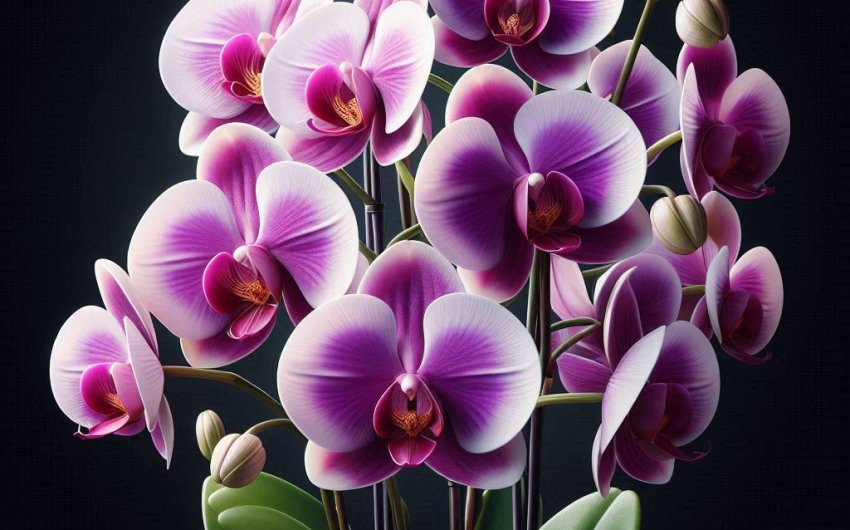
For many indoor plant enthusiasts, the graceful Phalaenopsis orchid offers unparalleled beauty, yet keeping them thriving can sometimes pose a challenge. Understanding the common problems with Phalaenopsis orchids is crucial for nurturing these elegant plants from merely surviving to truly flourishing. From mysterious root rot to frustrating bud blast, pinpointing the specific issues and applying appropriate care adjustments empowers you to resolve existing ailments and prevent future ones, ensuring your orchid continues to grace your home with its exquisite blooms.
What are the most common watering mistakes with Phalaenopsis orchids?
Watering issues are, without a doubt, the leading cause of common problems with Phalaenopsis orchids. These epiphytic plants (meaning they grow on trees, not in soil, in their natural habitat) have very specific moisture requirements. Both overwatering and underwatering can quickly lead to stress and severe damage, often manifesting first in the roots and then the leaves.
Why is overwatering the number one killer of Phalaenopsis orchids?
Overwatering is the single biggest culprit behind orchid demise, leading to root suffocation and subsequent rot.
- Epiphytic Nature: In their natural environment, Phalaenopsis orchids grow attached to tree bark, with their roots exposed to air or loosely clinging to moss and debris. This means their roots are accustomed to excellent airflow and drying out quickly between rains.
- Root Suffocation and Rot: When potted in dense, moisture-retentive media (like typical potting soil, which should NEVER be used) or watered too frequently, the roots remain constantly wet. This lack of air circulation in the root zone quickly leads to root suffocation. Deprived of oxygen, the roots begin to die and decompose, leading to root rot, a fungal and bacterial infection.
- Symptoms of Overwatering (Root Rot):
- Mushy, brown, or black roots: Healthy Phalaenopsis roots are firm and typically green or silvery-white when dry, turning bright green when wet. Rotted roots are soft, slimy, or hollow.
- Yellowing leaves: Often starting with the lower, older leaves, they turn yellow and may feel limp or squishy.
- Wilting despite wet media: The plant looks droopy and dehydrated, even though the potting media is saturated. This is because the rotted roots cannot absorb water.
- Unpleasant odor from the pot: A clear sign of anaerobic decomposition.
- Wobbly plant: The plant feels loose in the pot due to decayed roots.
- Prevention:
- Proper Potting Media: Always use a coarse, fast-draining orchid bark mix (orchid bark potting mix) specifically designed for Phalaenopsis. Avoid any standard potting soil.
- Clear Pots: Use a clear orchid pot (clear orchid pots with drainage) to easily see the roots and judge moisture.
- "When to Water": Water only when the roots inside the pot are silvery-white and the potting media feels dry to the touch (or feels very light when you lift the pot). Healthy roots turn bright green immediately after watering.
- Drainage: Ensure the pot has ample drainage holes. Never let the pot sit in standing water.
Can underwatering also damage Phalaenopsis orchids?
While less common than overwatering, consistent underwatering can also stress and eventually harm a Phalaenopsis orchid.
- Dehydration and Stress: If the orchid potting media dries out too completely and for too long, the plant experiences dehydration. Its roots and leaves cannot absorb the necessary moisture and nutrients.
- Symptoms of Underwatering:
- Wrinkled or shriveled leaves: The leaves may appear limp and leathery, sometimes with visible wrinkles or accordion-like folds.
- Dry, brittle roots: Healthy roots that turn silvery-white when dry may appear shriveled or crispy brown when severely underwatered.
- Bud blast: Flowers or buds may shrivel and drop prematurely.
- Stunted growth: New leaves or roots fail to develop or are very small.
- Prevention: While you should let the media dry out between waterings, don't let it stay dry for too long. For most Phalaenopsis in a bark mix, this means watering approximately every 7-10 days, but it varies based on humidity, temperature, and pot size. If the roots are silvery-white and media feels dry, it's time to water.
Why is using the wrong type of water a mistake?
The quality of the water you use can also contribute to common problems with Phalaenopsis orchids.
- Tap Water Issues: Most tap water contains salts, chlorine, and often fluoride. These minerals can accumulate in the potting media over time, leading to salt buildup.
- Salt Burn: High salt concentrations can draw moisture out of the orchid's roots, leading to "salt burn," which manifests as brown root tips or crispy leaf tips and edges. Fluoride can also cause blackening of leaf tips.
- Prevention:
- Rainwater or Distilled Water: Ideal options, as they are free of most minerals and chemicals.
- Filtered Water: Water filtered through a reverse osmosis (RO) system or a reputable plant water filter is also excellent.
- Tap Water (if no alternative): If you must use tap water, let it sit uncovered for 24 hours to allow chlorine to dissipate (fluoride will not evaporate). Periodically flush the pot by running a large volume of plain, good quality water through the potting media to wash out accumulated salts.
Mastering watering techniques is the cornerstone of successful Phalaenopsis orchid care, directly preventing many of the most frequent common problems with Phalaenopsis orchids.
What are the common light and temperature issues with Phalaenopsis orchids?
Beyond watering, providing the right light and temperature conditions is crucial for the health and blooming of Phalaenopsis orchids. Incorrect light exposure can lead to stunted growth or sunburn, while improper temperatures can stress the plant and inhibit flowering. Addressing these factors is key to avoiding common problems with Phalaenopsis orchids.
What happens if a Phalaenopsis gets too much or too little light?
Light is essential for photosynthesis, but orchids have specific preferences.
- Too Much Light (Direct Sun/Sunburn):
- Symptoms: Leaves may develop yellow or white bleached patches that turn crispy brown or black. This is essentially sunburn. The leaves may also appear pale green or yellowish overall.
- Reason: Phalaenopsis orchids grow in the understory of rainforests, where they receive filtered or dappled light, never direct, harsh sun. Their delicate leaves are easily scorched by intense sunlight, especially midday or afternoon sun.
- Prevention: Place your orchid in a location with bright, indirect light. An east-facing window is often ideal as it provides gentle morning sun. A north-facing window also works but may be too dim for blooming. A few feet away from a south or west-facing window (with a sheer curtain for diffusion) can also work. If the leaves are becoming reddish, it's a sign of too much light (mild stress, but a warning).
- Too Little Light:
- Symptoms: The most common sign is a lack of blooming. The orchid may produce healthy green leaves but refuse to send up a flower spike. Leaves may also appear a very dark green (sometimes excessively so) and growth may be stunted.
- Reason: The orchid doesn't have enough energy (from photosynthesis) to produce flowers. While they can survive in low light, they won't thrive or bloom.
- Prevention: Ensure your orchid is receiving adequate bright, indirect light. If natural light is limited, consider using a full-spectrum LED grow light for 12-14 hours a day, placed about 1-2 feet above the plant.
How do incorrect temperatures affect Phalaenopsis orchids?
Phalaenopsis orchids prefer stable, moderate temperatures, mimicking their tropical origins.
- Cold Temperatures/Drafts:
- Symptoms: Exposure to temperatures below 60°F (15°C) can cause leaves to turn yellow or purple, stems to become mushy, and flowers or buds to drop prematurely (bud blast). Prolonged cold can lead to cold damage or even death.
- Reason: Cold stresses the plant's metabolism and can damage its cells.
- Prevention: Keep orchids away from cold windows during winter, exterior doors, and air conditioning vents. Ideal daytime temperatures are 68-80°F (20-27°C) and nighttime temperatures are 60-68°F (15-20°C).
- High Temperatures/Heat Stress:
- Symptoms: While they tolerate warmth, extreme heat (above 85°F or 30°C) especially combined with low humidity, can cause dehydration, wilting, and potentially lead to heat stress or even death. Leaves might appear dull or faded.
- Reason: Accelerated transpiration (water loss) can overwhelm the roots' ability to absorb water.
- Prevention: Ensure good air circulation (fans) and increase humidity during hot spells. Avoid placing directly above heat vents.
- Temperature Fluctuation (for Reblooming):
- Symptoms: A lack of reblooming despite good vegetative growth.
- Reason: Many Phalaenopsis varieties need a 10-15°F (6-8°C) drop in nighttime temperatures for 2-4 weeks in the fall to initiate a flower spike. Without this cool down, they might not rebloom.
- Prevention: In the fall, try moving your orchid to a cooler room at night (if available and within their acceptable range) or allow night temperatures to naturally drop slightly near a window (ensuring it doesn't get too cold).
By providing consistent, bright indirect light and stable, moderate temperatures, you can significantly reduce these common problems with Phalaenopsis orchids and encourage regular, vibrant blooms.
What are common problems related to humidity and air circulation?
For Phalaenopsis orchids, thriving isn't just about water and light; it's also about mimicking their native humid, breezy environment. Neglecting humidity and air circulation can lead to significant common problems with Phalaenopsis orchids, including dehydration issues and fungal diseases.
Why is low humidity a major problem for Phalaenopsis?
Phalaenopsis orchids are native to tropical rainforests, where the air is consistently moist. Our indoor environments, especially with central heating or air conditioning, are often much drier than they prefer.
- Dehydration of Leaves/Roots: In low humidity, the leaves rapidly lose moisture through transpiration (evaporation from the leaf surface) faster than the roots can absorb it. This constant water deficit leads to stress, even if the roots have access to water.
- Symptoms:
- Crispy, brown leaf tips and edges: This is a classic sign of low humidity, as the outermost parts of the leaves dry out first.
- Wrinkled or shriveled leaves (overall): If prolonged, the entire leaf can lose its plumpness and become leathery.
- Bud blast/Flower drop: Developing buds or open flowers shrivel and fall off prematurely due to lack of moisture.
- Poor new root growth: Aerial roots (those growing outside the pot) may shrivel or fail to grow.
- Symptoms:
- Pest Attraction (Spider Mites): Low humidity creates an ideal environment for spider mites, tiny pests that thrive in dry conditions. They are a common orchid pest and can cause stippling (tiny yellow dots) on leaves, eventual yellowing, and fine webbing.
- Prevention:
- Humidifier: The most effective way to increase humidity is by using a room humidifier placed near your orchids. Aim for 50-70% humidity.
- Pebble Trays: Place your orchid pot on a pebble tray filled with water (ensuring the pot doesn't sit directly in the water). As the water evaporates, it increases humidity directly around the plant.
- Grouping Plants: Plants release moisture through their leaves, so grouping several plants together can create a localized microclimate with higher humidity.
- Misting: While visually appealing, misting alone provides only a very temporary humidity boost and is generally not sufficient to combat consistently low humidity. It can also encourage fungal issues if water sits on leaves for too long without air circulation.
Why is poor air circulation detrimental?
Good air circulation is often overlooked but is incredibly important for orchid health, especially when humidity is high.
- Fungal and Bacterial Diseases: Stagnant, humid air creates a perfect breeding ground for various fungal and bacterial diseases, such as root rot (as discussed), crown rot, stem rot, and leaf spot diseases. When water sits on leaves, in the crown (the center where new leaves emerge), or within the potting media without drying quickly, pathogens flourish.
- Odors: Stagnant conditions can also contribute to unpleasant odors.
- Weak Growth: Plants that don't receive adequate airflow can become "stuffy" and may not grow as vigorously.
- Prevention:
- Adequate Spacing: Do not overcrowd your orchids. Give them enough space for air to move freely around and between their leaves.
- Small Fan: In areas with poor natural airflow, use a small, oscillating fan set on a low setting, not blowing directly on the plants, to gently circulate air.
- Proper Potting Media: Ensure your orchid is in a chunky orchid bark mix that promotes aeration around the roots.
- Avoid Wet Crowns: When watering, try to avoid getting water directly into the crown of the plant (the center where leaves meet the stem), especially in cooler temperatures or if air circulation is poor. If water does get into the crown, gently blot it dry with a paper towel.
By providing both adequate humidity and good air circulation, you address critical environmental factors that prevent many common problems with Phalaenopsis orchids, promoting robust growth and beautiful, long-lasting blooms.
What are the common problems related to pests and diseases in Phalaenopsis orchids?
Even with ideal care, Phalaenopsis orchids can sometimes fall victim to pests and diseases. The enclosed indoor environment means that once an issue arises, it can spread quickly if not addressed promptly. Recognizing the signs early is key to resolving these common problems with Phalaenopsis orchids.
What are the most common pests of Phalaenopsis orchids?
These tiny invaders feed on plant sap, leading to stunted growth, discoloration, and overall decline if left unchecked.
- Spider Mites:
- Description: Tiny, almost microscopic arachnids, often reddish-brown or yellowish. They thrive in hot, dry conditions.
- Symptoms: Fine webbing, especially on the undersides of leaves and in leaf axils. Tiny yellow or white stippling (dots) on leaves, which can eventually turn leaves yellow or brown.
- Treatment: Increase humidity. Wipe leaves thoroughly with a damp cloth. Apply insecticidal soap or neem oil spray according to package directions, ensuring full coverage, especially on undersides of leaves. Repeat regularly.
- Mealybugs:
- Description: Soft-bodied insects covered in a white, cottony, waxy coating. They often cluster in leaf axils, on undersides of leaves, or on flower spikes.
- Symptoms: White, fuzzy masses on the plant. Sticky residue (honeydew) on leaves, which can lead to sooty mold. Yellowing, distorted, or stunted growth.
- Treatment: For light infestations, dab with a cotton swab dipped in rubbing alcohol. For heavier infestations, use insecticidal soap or neem oil. Physically remove as many as possible.
- Scale Insects:
- Description: Small, oval, immobile bumps (brown, black, or white) that attach themselves to stems and leaves, looking like tiny scabs. They have a hard, protective shell.
- Symptoms: Sticky honeydew on leaves, sooty mold, yellowing leaves, and general decline.
- Treatment: Manual removal (gently scrape off with a fingernail or old credit card). For persistent issues, use insecticidal soap or neem oil, which are effective against the vulnerable crawler stage. Repeat applications are often necessary.
- Thrips:
- Description: Tiny, slender insects that rasp plant tissue to feed on sap.
- Symptoms: Silvery streaks or blotches on leaves, distortion of new growth, and sometimes discolored flowers. Tiny black specs (excretions) may also be visible.
- Treatment: Use insecticidal soap or neem oil. Remove and dispose of heavily infested leaves.
What are the common diseases affecting Phalaenopsis orchids?
Diseases often stem from environmental stress or improper care.
- Root Rot (Fungal/Bacterial):
- Description: As discussed earlier, this is the most common disease, caused by overwatering and lack of air circulation in the potting media.
- Symptoms: Mushy, brown/black roots; yellowing, wilting leaves despite wet media; foul smell.
- Treatment: Act quickly. Unpot the orchid, trim away all diseased roots with sterilized scissors. Repot into fresh, dry orchid bark mix. Adjust watering frequency. A fungicide for orchids can be used as a last resort.
- Crown Rot:
- Description: A serious fungal or bacterial infection that occurs when water sits in the "crown" (the central growing point where leaves emerge) of the plant for too long, especially in cool temperatures or with poor air circulation.
- Symptoms: The center of the plant turns black, mushy, and often smells foul. New leaves may fail to emerge or rot as they do. Can quickly be fatal.
- Treatment: If caught very early, try to blot out all water from the crown with a paper towel. Apply cinnamon (a natural fungicide) or a fungicide powder directly to the affected area. Isolate the plant. Often difficult to recover from.
- Fungal Leaf Spot:
- Description: Various fungal diseases can cause spots on leaves. Often triggered by high humidity without adequate air circulation, or water sitting on leaves.
- Symptoms: Circular, often sunken, spots on leaves, which can be yellow, brown, or black, sometimes with a halo.
- Treatment: Improve air circulation. Avoid getting water on the leaves when watering. Remove severely affected leaves with sterilized tools.
- Bacterial Soft Rot:
- Description: A rapid-spreading bacterial infection, often starting from a wound, that causes soft, watery, foul-smelling lesions.
- Symptoms: Leaves turn translucent, mushy, and dark green or black, often with a putrid smell. Spreads very quickly.
- Treatment: Act immediately. Remove affected parts with a sterile blade, cutting well into healthy tissue. Apply a bactericide or cinnamon. Isolate the plant. This is a very aggressive disease.
What are general prevention strategies for pests and diseases?
- Quarantine New Plants: Always isolate new orchids (or any new plant) for 2-4 weeks before introducing them to your main collection to ensure they are pest and disease-free.
- Good Air Circulation: Ensure consistent airflow around your orchids to prevent fungal issues.
- Proper Watering: Avoid overwatering and water in the morning.
- Cleanliness: Keep your growing area clean. Remove dead leaves or spent flowers promptly. Sterilize tools (with rubbing alcohol or bleach solution) between uses and between plants.
- Vigilance: Regularly inspect your orchids (including undersides of leaves and roots) for any unusual spots, discoloration, or tiny insects. Early detection is crucial.
By combining proper environmental care with diligent monitoring and prompt action, you can effectively manage and prevent these common problems with Phalaenopsis orchids, ensuring your beautiful plants remain healthy and vibrant.