
What Should I Do If My Aloe Vera Has Soft, Limp Leaves?
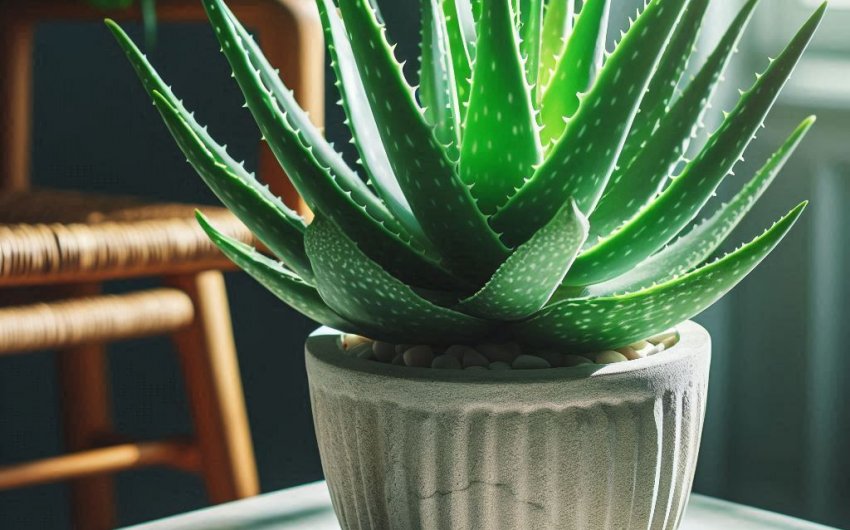
If your Aloe Vera has soft, limp leaves, it's most commonly a sign of overwatering or inadequate drainage, leading to root rot. Immediately assess your watering habits and the plant's soil conditions to prevent further damage and help your aloe recover its firm, upright foliage.
Why Does My Aloe Vera Have Soft, Limp Leaves?
Soft, limp, or mushy leaves on an Aloe Vera plant are almost always a distress signal, indicating an underlying problem with its care. Understanding the root cause is crucial for knowing what should I do if my Aloe Vera has soft, limp leaves.
- 1. Overwatering (Most Common Cause):
- The Problem: Aloe Vera plants are succulents, meaning they store water in their fleshy leaves. They are adapted to dry, desert-like conditions. Excess water suffocates the roots, preventing them from taking up oxygen and leading to root rot.
- Symptoms: Leaves turn pale, yellow, or translucent, become soft, mushy, and might even feel slimy. The base of the plant might also become soft and discolored. Overwatering often causes the entire plant to wilt.
- 2. Poor Drainage:
- The Problem: Even if you water correctly, if your pot lacks drainage holes or the soil mix holds too much moisture, water will sit around the roots, leading to the same issues as overwatering.
- Symptoms: Similar to overwatering – soft, limp leaves, often accompanied by a perpetually damp soil surface.
- 3. Underwatering (Less Common, but Possible):
- The Problem: While less frequent for limpness (underwatering usually causes dry, shriveled leaves), if an aloe has been severely underwatered for a long time, its cells can become damaged to the point where they lose turgidity and the leaves feel somewhat limp. However, they will also typically be thin and shriveled.
- Symptoms: Leaves might feel leathery or thin, sometimes curling inwards. They might also appear brownish or reddish.
- 4. Inadequate Light:
- The Problem: Aloe Vera needs bright, indirect light. In low light conditions, the plant can become leggy and weak, and its leaves may lose their turgidity and firmness, appearing somewhat limp as they stretch for light.
- Symptoms: Pale green leaves, stretched out stems (etiolation), and a generally weak appearance, which can include limpness.
- 5. Temperature Stress (Extreme Cold):
- The Problem: Aloe Vera plants are not frost-tolerant. Exposure to freezing temperatures can cause cell damage, leading to mushy, black, or limp leaves as the water in the cells freezes and ruptures.
- Symptoms: Leaves turning black, mushy, and collapsing.
By far, the most prevalent reason for soft, limp Aloe Vera leaves is too much moisture in the soil, underscoring the importance of proper watering and drainage.
What Are the Immediate Steps to Take for a Limp Aloe Vera?
When your Aloe Vera has soft, limp leaves, acting quickly can save your plant. Here's a step-by-step immediate response.
Step 1: Stop Watering Immediately
- Crucial First Step: If the soil is wet, do not add any more water. This is the most critical action.
- Assess Soil Moisture: Feel the soil. If it's soggy or very damp, you're likely dealing with overwatering.
Step 2: Evaluate Drainage and Potting Medium
- Drainage Holes: Ensure your pot has adequate drainage holes. If it doesn't, this is a major problem.
- Saucer Check: If there's a saucer underneath, check for standing water and empty it immediately. Do not let your aloe sit in water.
- Soil Type: Is your Aloe Vera in a well-draining succulent or cactus mix? Or is it in dense, heavy potting soil? Regular potting soil often retains too much moisture for aloes.
Step 3: Improve Airflow Around Roots (If Soil is Wet)
- Remove from Cachepot: If your plant is in a decorative cachepot (a pot without drainage holes) and sitting in its nursery pot, remove it to allow air circulation around the inner pot.
- Elevate Pot: Elevate the pot slightly off the saucer using pot feet or small stones to allow air to circulate underneath the drainage holes.
- Gentle Aeration (Carefully): For very soggy soil, you can gently poke a few holes into the soil with a stick or skewer (avoiding major roots) to help aerate it and speed up drying.
Step 4: Assess the Roots for Root Rot (If No Improvement or Severe)
- Gently Remove Plant: Carefully ease the Aloe Vera out of its pot.
- Inspect Roots: Healthy aloe roots are firm, light-colored (white or yellowish). Roots suffering from rot will be soft, black, mushy, and may have a foul odor.
- Trim Affected Roots: If you find rotten roots, use clean, sharp scissors or pruning shears (Garden Pruning Shears) to cut away all affected, mushy roots. Trim back to healthy, firm tissue.
- Repot if Necessary: If root rot is extensive, or if your soil isn't well-draining, repot the plant immediately into fresh, dry, well-draining succulent/cactus mix.
By taking these immediate steps, you halt further decline and set the stage for your limp Aloe Vera to recover.
How to Correct Watering Issues for Aloe Vera?
Correcting your watering habits is the single most important long-term solution if your Aloe Vera has soft, limp leaves due to overwatering.
1. Water Only When Soil is Dry
- The "Feel" Test: This is the most reliable method. Stick your finger 2-3 inches deep into the soil (or up to your second knuckle). If the soil feels dry, it's time to water. If it feels moist, wait.
- Moisture Meter: A Plant Moisture Meter can provide a more objective reading, especially for beginners.
2. Water Thoroughly, But Infrequently
- Deep Watering: When you do water, water thoroughly. Pour water slowly over the soil surface until it begins to drain from the bottom of the pot. This ensures all the roots get moisture.
- Drainage: Make sure water runs out of the drainage holes. If it doesn't, your soil is too dense or your pot lacks drainage.
- Empty Saucer: Never let your Aloe Vera sit in standing water in its saucer. Discard any excess water immediately after it drains.
3. Adjust Watering Based on Season and Environment
- Growing Season (Spring/Summer): Aloe Vera is more active during these warmer months and will need more frequent watering (perhaps every 2-4 weeks, depending on heat and light).
- Dormant Season (Fall/Winter): Growth slows significantly. Water much less frequently, possibly once a month or even less, ensuring the soil dries out completely between waterings.
- Light Levels: Plants in brighter light will dry out faster and need more water. Plants in lower light need less.
- Humidity: High humidity can slow drying times.
4. Understand Your Potting Mix
- Fast-Draining Mix: Aloe Vera needs a specialized fast-draining potting mix. A Cactus and Succulent Potting Mix is ideal.
- DIY Mix: You can create your own by mixing regular potting soil with perlite (Perlite for Plants), pumice, or coarse sand in a 1:1 ratio.
- Repot if Necessary: If your plant is in heavy, moisture-retentive soil, repotting it into an appropriate mix is crucial for its long-term health.
By mastering the art of "less is more" with watering and ensuring excellent drainage, you'll solve the most common reason for soft, limp leaves on your Aloe Vera.
How to Choose the Right Pot and Soil for Aloe Vera?
The right pot and soil are foundational to a healthy Aloe Vera and directly impact whether your Aloe Vera has soft, limp leaves due to moisture issues.
1. Pot Material
- Terracotta/Unglazed Clay Pots:
- Pros: Porous material allows for excellent air circulation to the roots and wicks excess moisture from the soil, helping it dry out faster. This is highly beneficial for aloes prone to overwatering.
- Cons: Can dry out faster, requiring more frequent watering in hot climates. Can be heavier.
- Plastic Pots:
- Pros: Retains moisture longer, lightweight, less expensive.
- Cons: Does not allow the soil to "breathe" as well as terracotta. Requires more careful watering to avoid sogginess.
- Ceramic Pots (Glazed):
- Pros: Aesthetically pleasing, retains moisture.
- Cons: Similar to plastic, they are non-porous and can contribute to overwatering if not managed carefully.
2. Drainage Holes
- Absolute Must: No matter the material, your pot must have at least one functional drainage hole at the bottom. Without it, water will sit and suffocate the roots, leading to root rot and limp leaves.
- Avoid Cachepots without Drainage: If using a decorative cachepot (a pot that holds another pot), ensure the inner pot has drainage and that no standing water collects in the cachepot.
3. Pot Size
- Snug Fit is Best: Aloe Vera plants prefer to be slightly root-bound.
- Avoid Oversizing: Planting a small aloe in a large pot means there's a lot of excess soil that holds moisture for longer than the plant can absorb, increasing the risk of overwatering and root rot.
- Repotting: Only repot when the plant has outgrown its current pot (roots are circling heavily, plant is top-heavy), typically every 2-3 years. When repotting, only go up one pot size (e.g., from 6 inches to 8 inches).
4. Soil Mix
- Specialized Succulent/Cactus Mix: This is the ideal choice. These mixes are formulated to be fast-draining and well-aerated, mimicking the sandy, gritty soils aloes prefer in their natural habitat. You can buy pre-made mixes like Cactus and Succulent Potting Mix.
- DIY Mix (Recommended): You can create an excellent draining mix by combining:
- 1 part regular potting soil
- 1 part perlite (Perlite for Plants), pumice, or coarse horticultural sand. This blend ensures sharp drainage and good airflow to the roots.
- Avoid Heavy Potting Soil: Standard potting soil holds too much water and is too dense for Aloe Vera, almost guaranteeing root rot and limp leaves over time.
By selecting the right pot with excellent drainage and using a fast-draining, airy soil mix, you create the optimal foundation for your Aloe Vera to thrive and avoid the dreaded soft, limp leaves.
How to Provide Proper Light and Temperature for Aloe Vera?
Light and temperature are critical environmental factors that influence the health and firmness of your Aloe Vera's leaves. Correcting these can prevent your Aloe Vera has soft, limp leaves.
1. Light Requirements
- Bright, Indirect Light: Aloe Vera thrives in bright, indirect sunlight.
- Indoors: A south- or west-facing window is often ideal, but ensure there's no harsh, direct sun that can scorch the leaves (unless it's through a sheer curtain). East-facing windows can also work but might provide less intense light.
- Outdoors: Place in a location with plenty of bright, indirect light or morning sun. Protect from intense afternoon direct sun, which can cause leaves to turn reddish or brown, a sign of stress.
- Signs of Inadequate Light:
- Pale or Limp Leaves: Leaves might become pale green, thin, and somewhat limp as the plant stretches to find light (etiolation).
- Stretched Growth: The stem becomes elongated with widely spaced leaves.
- Signs of Too Much Direct Light:
- Orange/Brown/Reddish Tinge: Leaves may develop an orange, reddish, or brownish tint, especially at the tips. This is often a sign of sun stress, and while not immediately causing limpness, can weaken the plant.
2. Temperature Requirements
- Moderate Temperatures: Aloe Vera prefers average indoor temperatures between 65-80°F (18-27°C).
- Avoid Extremes:
- Cold Stress: Aloe Vera is not frost-tolerant. Temperatures below 40°F (4°C) can cause significant damage. Leaves may turn black, become mushy, and collapse if exposed to freezing temperatures. This is a common cause of sudden limpness and rot in outdoor plants brought indoors too late.
- Heat Stress: While they tolerate heat, extreme, prolonged heat (especially combined with too little water or direct sun) can also stress the plant.
- Stable Environment: Avoid placing your Aloe Vera near drafty windows, air conditioning vents, or heat sources that cause rapid temperature fluctuations.
By providing consistent, bright indirect light and stable, moderate temperatures, you ensure your Aloe Vera remains robust, firm, and free from soft, limp leaves caused by environmental stress.
How to Repot and Prune a Limp Aloe Vera (Advanced Steps)
If your Aloe Vera has soft, limp leaves due to severe overwatering or root rot, repotting and pruning are often necessary interventions.
Step 1: Repotting a Limp Aloe Vera with Suspected Root Rot
- Gather Supplies:
- New pot (same size or slightly smaller if many roots were lost, terracotta preferred)
- Fresh, dry Cactus and Succulent Potting Mix
- Clean, sharp scissors or pruning shears (Garden Pruning Shears)
- Gloves (optional, but aloe sap can be irritating)
- Gently Remove Plant: Carefully ease the entire plant from its current pot. Loosen the soil around the edges if it's stuck.
- Inspect and Clean Roots:
- Gently shake off as much old soil as possible.
- Inspect the roots thoroughly. Healthy roots are firm and pale. Rotten roots are mushy, black, brown, or stringy, and might smell foul.
- Using your clean, sharp scissors, cut away all diseased, mushy, or discolored roots. Cut back to healthy, firm white tissue.
- Trim Mushy Leaves: Also, remove any leaves that are completely mushy, yellow, black, or clearly rotting. Cut them close to the stem without damaging healthy tissue.
- Allow to Dry (Crucial "Callousing"):
- After trimming roots and leaves, do not repot immediately.
- Place the aloe in a dry, shaded area for 2-7 days to allow the cut surfaces to "callus" or dry out. This prevents new rot from forming when it's placed in fresh soil. The exact time depends on the extent of trimming and humidity levels.
- Repot: Once calloused, place the aloe in its new pot (ensure drainage!) filled with fresh, dry succulent/cactus mix.
- Do NOT Water Immediately: After repotting, do not water for at least 3-7 days (or even longer if the plant was severely waterlogged). This allows any minor root wounds to heal and encourages the roots to seek out moisture.
Step 2: Pruning Limp or Damaged Leaves (Ongoing Maintenance)
- Remove Severely Damaged Leaves: Any leaves that are entirely mushy, black, or shriveled and dry beyond recovery should be removed. They will not recover.
- How to Prune: Use a clean, sharp knife or scissors. Cut the leaf cleanly at its base, as close to the main stem as possible, without damaging the central growth point or adjacent healthy leaves.
- Why Prune: Removing dying or diseased leaves redirects the plant's energy to healthy growth and improves air circulation, which can help prevent fungal issues.
By carefully following these repotting and pruning steps, you give your struggling Aloe Vera the best chance to recover from soft, limp leaves and regain its vigor.
How to Promote Recovery and Future Health for Aloe Vera?
Once you've addressed the immediate causes of your Aloe Vera having soft, limp leaves, focusing on long-term care will ensure its full recovery and continued health.
1. Be Patient
- Recovery Takes Time: Aloe Vera is a slow-growing plant. It can take weeks or even months for the plant to show significant signs of recovery (new, firm growth). Don't expect instant miracles.
- Avoid Over-Intervention: Resist the urge to constantly check the roots or water prematurely. Stick to your new, disciplined watering schedule.
2. Provide Optimal Light
- Consistent Bright Indirect Light: Ensure your recovering aloe is placed in a location that receives ample bright, indirect sunlight. This energy is crucial for photosynthesis and new growth.
- Avoid Harsh Direct Sun: While recovering, especially if stressed, protect it from intense afternoon sun that could further stress it.
3. Maintain Stable Temperatures
- Ideal Range: Keep the plant in temperatures between 65-80°F (18-27°C).
- Avoid Drafts: Protect it from cold drafts, especially during winter, as this can hinder recovery.
4. Fertilize Sparingly (Only When Healthy)
- No Fertilizer During Recovery: Do not fertilize a stressed or recovering Aloe Vera. It won't be able to absorb the nutrients effectively, and it could even burn damaged roots.
- When Healthy: Once your aloe has visibly recovered and is pushing out new, firm growth, you can fertilize sparingly during its active growing season (spring and summer). Use a balanced, diluted liquid fertilizer formulated for succulents or houseplants (Succulent Plant Food), applied at half strength once every 1-2 months.
5. Monitor for New Growth and Firmness
- Watch for New Leaves: Look for small, firm, green leaves emerging from the center of the plant.
- Feel the Leaves: The existing leaves should gradually regain some firmness, though severely damaged ones might never fully recover. New growth will be the best indicator of health.
6. Consider Drainage (Again)
- Ongoing Check: Even after repotting, always double-check your pot's drainage holes before watering. Ensure they aren't blocked by soil or roots.
By consistently applying these care tips, you provide the best possible environment for your Aloe Vera to bounce back from soft, limp leaves and continue to be a vibrant, useful houseplant for years to come.
FAQs About Aloe Vera with Soft, Limp Leaves
Here are common questions and answers about why your Aloe Vera has soft, limp leaves.
Can a mushy aloe vera recover?
A mushy aloe vera can recover, but only if the root rot is caught early enough and not too widespread. If the base of the plant (stem/rhizome) is completely mushy and black, or if all the roots are destroyed, recovery is unlikely. However, if some healthy roots or firm stem tissue remain, trimming the rot and repotting into dry, well-draining soil gives it a chance. Leaves that are entirely mushy will not regain their firmness, but the plant can put out new, healthy leaves.
What's the difference between soft/mushy leaves and thin/shriveled leaves?
This distinction is crucial for diagnosis:
- Soft/Mushy/Translucent leaves: Almost always a sign of overwatering and potential root rot. The leaves are waterlogged.
- Thin/Shriveled/Leathery leaves: Almost always a sign of underwatering. The plant is drawing water from its leaves to survive, causing them to shrink. The treatment for each is opposite: stop watering for mushy leaves, water thoroughly for shriveled leaves.
Should I remove the soft, limp leaves?
If the leaves are genuinely soft, mushy, discolored (yellow, black, translucent), or clearly rotting, yes, you should remove them. They will not recover and can become a breeding ground for further rot or fungal issues. Use clean, sharp shears to cut them off cleanly at the base. Only remove truly unhealthy leaves; leave any that still have some firmness.
My aloe vera has soft leaves but the soil is dry. What now?
If your Aloe Vera has soft, limp leaves but the soil is dry, consider these less common causes:
- Severe Underwatering: If the plant has been dry for an extremely long time, its cells might have died off. Give it a thorough, deep watering, but if it doesn't perk up within a few days, the damage might be permanent.
- Root Damage (other than rot): Roots might be damaged by extreme drought, physical trauma, or transplant shock, preventing them from taking up water even if it's available. In this case, the leaves are limp from lack of water despite dry soil. Check the roots for physical damage.
- Cold Damage: If exposed to freezing temperatures, the cells can rupture, leading to mushy leaves even in dry soil. These leaves won't recover.
Can aloe vera leaves get floppy from not enough light?
Yes, Aloe Vera leaves can become somewhat floppy or limp from not enough light, though they usually also appear pale green and stretched (etiolated). In low light, the plant struggles to produce enough energy to maintain strong, firm growth. Moving the plant to a brighter location (indirect sun) will help it firm up over time, though severely etiolated stems won't shorten.
How often should I water my aloe vera after it recovers?
After recovery, you should resume watering only when the soil has completely dried out. This typically means every 2-4 weeks in spring and summer (active growing season), and even less frequently in fall and winter (once a month or less). The key is to check the soil deeply (2-3 inches down) before watering, rather than sticking to a strict schedule. This prevents future occurrences of your Aloe Vera having soft, limp leaves.
Do I need special tools to fix my aloe vera?
For basic care, you primarily need:
- A pot with drainage holes.
- Well-draining succulent/cactus potting mix.
- Clean, sharp scissors or pruning shears for trimming roots or damaged leaves.
- Gloves are optional but recommended as aloe sap can be irritating. A Plant Moisture Meter can be helpful for beginners. No highly specialized tools are usually required.
Addressing why your Aloe Vera has soft, limp leaves is a common challenge for succulent owners, but with proper diagnosis and consistent care adjustments, your resilient aloe can bounce back to its firm, healthy self.