
Why Is My Boston Fern Shedding Leaves Excessively?
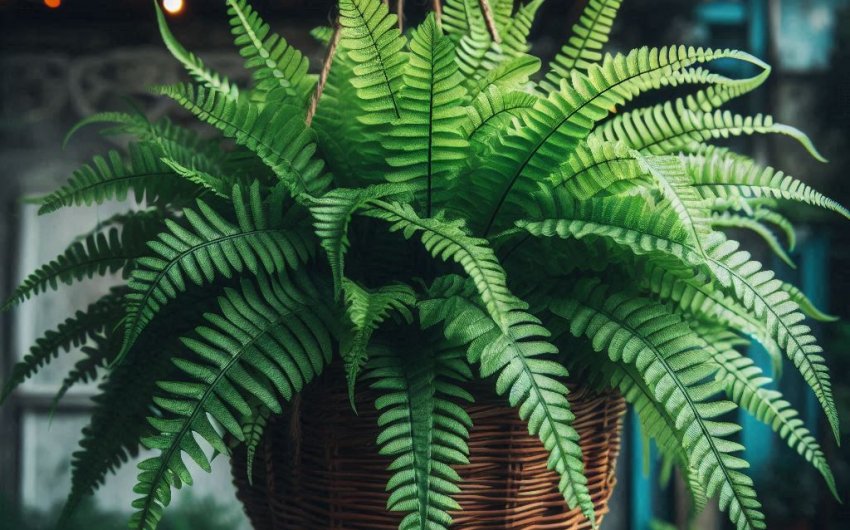
Excessive leaf shedding in your Boston Fern is a common sign of environmental stress, primarily indicating issues with humidity, watering, or light conditions. These plants are native to humid, subtropical regions and are quite sensitive to changes in their indoor environment.
Why Are Boston Ferns So Demanding About Their Environment?
Boston Ferns (Nephrolepis exaltata 'Bostoniensis') are popular houseplants known for their lush, feathery fronds and air-purifying qualities. However, many owners quickly discover that these ferns can be quite particular about their environment, often leading to them shedding leaves excessively. Understanding their natural habitat helps explain why they are so demanding indoors.
Native Habitat Influences Their Needs:
- Humid Subtropical Climates: Boston Ferns originate from humid, subtropical and tropical regions of the world, including Florida, Central, and South America, as well as parts of Africa and Asia. In these natural environments, they typically grow in shaded, damp forest floors or along riverbanks.
- Constant High Humidity: Their native environment boasts consistently high humidity levels, often above 70%. Indoor home environments, especially with central heating or air conditioning, are significantly drier. This stark difference is the primary reason for a fern's struggle.
- Consistent Moisture, Not Soggy: In nature, their roots are in consistently moist, well-draining soil, but they are not waterlogged. There's a delicate balance between moisture and good aeration.
- Filtered Light: They grow under the canopy of larger trees, receiving bright, indirect light or dappled shade, rather than harsh direct sunlight.
- Stable Temperatures: Their native climates don't experience drastic temperature swings like many indoor homes, particularly near windows or vents.
The Impact of Indoor Conditions:
When a Boston Fern is brought indoors, it's often placed in an environment that is a far cry from its ideal.
- Low Humidity: The most common culprit. Dry air causes the delicate fronds to dry out, turn crispy, and eventually shed. This is why you'll often ask, "Why is my Boston Fern shedding leaves excessively?" in dry indoor air.
- Inconsistent Watering: Too little water leads to dehydration, while too much causes root rot, both resulting in leaf drop.
- Inadequate Light: Too much direct sun can scorch the fronds, leading to browning and shedding. Too little light weakens the plant, causing it to shed older fronds.
- Temperature Fluctuations: Drafts, proximity to heating/cooling vents, or cold windows can stress the plant.
Boston Ferns are essentially trying to tell you that their indoor conditions don't match their evolutionary preferences. Responding to their specific needs for humidity, consistent moisture, and filtered light is key to keeping them lush and minimizing excessive leaf shedding.
What Role Does Humidity Play in Boston Fern Health?
Humidity is arguably the single most critical factor in preventing your Boston Fern from shedding leaves excessively. These plants are humidity connoisseurs, and a lack of moisture in the air is often the root cause of their distress.
Why Humidity is Vital:
- Transpiration: Plants release water vapor into the air through tiny pores on their leaves, a process called transpiration. This creates a suction that pulls water up from the roots. In low humidity, the rate of transpiration increases dramatically, causing the plant to lose water much faster than its roots can absorb it, leading to dehydration of the fronds.
- Delicate Fronds: Boston Fern fronds are thin and delicate, not designed to withstand dry air. They quickly dry out, turn crispy, and then brown and drop.
- Pest Prevention: High humidity also discourages common houseplant pests like spider mites, which thrive in dry conditions and can cause significant leaf damage and shedding.
Signs of Low Humidity:
- Crispy, Brown Frond Tips: The earliest and most common sign.
- Entire Fronds Browning and Falling: As the problem worsens.
- Lack of New Growth: The plant slows or stops producing new fronds.
- Overall Dullness: The normally vibrant green turns lackluster.
How to Increase Humidity Around Your Boston Fern:
If you're asking, "Why is my Boston Fern shedding leaves excessively?", improving humidity is likely your top priority.
- Use a Humidifier: This is the most effective way to provide consistent, widespread humidity, especially in dry indoor environments (during winter heating or summer air conditioning). A cool-mist humidifier placed near the fern can make a significant difference. Look for a Plant Humidifier.
- Pebble Trays: Place the fern's pot on a saucer or tray filled with pebbles and water. Ensure the bottom of the pot is above the waterline, not sitting in it (to prevent root rot). As the water evaporates from the tray, it increases local humidity around the plant.
- Mist Regularly: While often debated as a sole solution, misting the fronds with room-temperature, filtered water 1-2 times daily can provide temporary relief. The effect is short-lived as the water quickly evaporates, but it can help if done frequently. Use a fine mist sprayer.
- Group Plants Together: Grouping several plants together can create a microclimate with higher ambient humidity, as plants naturally release moisture through transpiration.
- Location Choice: Place your fern in naturally more humid rooms like a bathroom (if it gets adequate light) or kitchen. Keep it away from drafts, heating vents, and air conditioning units, which severely dry out the air.
- Terrariums or Wardian Cases (for smaller ferns): For extreme dry conditions, consider placing smaller ferns in an open terrarium or a decorative Wardian case to trap humidity around them.
Prioritizing and maintaining high humidity levels will significantly reduce excessive leaf shedding and help your Boston Fern thrive.
How Does Watering Affect Leaf Drop in Boston Ferns?
Watering is another critical factor influencing whether your Boston Fern stays lush or starts shedding leaves excessively. Both overwatering and underwatering can lead to leaf drop, making it a common source of confusion for plant owners.
The Problem with Overwatering:
- Root Rot: This is the most common and deadliest consequence of overwatering. When soil stays constantly soggy, roots are deprived of oxygen and begin to rot, turning mushy and black. Rotted roots cannot absorb water or nutrients, ironically leading to symptoms that mimic underwatering, such as wilting and then browning and shedding of fronds.
- Symptoms:
- Yellowing fronds, often starting from the base.
- Mushy or soft fronds/stems.
- A musty or rotten smell from the soil.
- Fronds turning brown and crispy, often appearing wilted before browning completely.
- Causes:
- Watering too frequently before the topsoil has dried out.
- Using a pot without drainage holes.
- Using heavy, non-draining potting mix.
- Leaving the pot sitting in standing water (e.g., in a saucer).
The Problem with Underwatering:
- Dehydration: Boston Ferns have delicate root systems and fronds that quickly dry out if the soil is left dry for too long. They prefer consistently moist soil.
- Symptoms:
- Fronds turning crispy, dry, and brittle, often starting at the tips and edges.
- Overall wilting and limpness.
- Fronds turning uniformly brown and eventually shedding.
- Causes:
- Infrequent watering.
- Allowing the soil to become bone dry between waterings.
- High temperatures or low humidity exacerbating water loss.
- Root-bound plant that cannot absorb enough water.
The "Just Right" Watering Method:
The key to preventing excessive leaf shedding due to watering issues is finding the perfect balance: consistently moist, but never soggy.
- Feel the Soil: The most reliable method. Stick your finger about 1 inch (2.5 cm) into the topsoil. Water when the top inch feels slightly dry to the touch. Do not wait for the entire pot to dry out, as you would for a succulent.
- Water Thoroughly: When you do water, water deeply until you see excess water draining from the bottom drainage holes. This ensures the entire root ball is saturated.
- Empty Saucer: Never let your fern sit in standing water in its saucer. Always empty excess water after watering.
- Proper Pot and Soil: Ensure your fern is in a pot with drainage holes and a light, well-draining potting mix (e.g., standard houseplant mix amended with some perlite or peat moss for ferns).
- Adjust Seasonally: Ferns generally need less water in winter when growth slows down, and more in summer during active growth. Adjust based on light, temperature, and humidity.
By understanding the delicate balance of moisture and ensuring proper drainage, you can effectively prevent excessive leaf shedding in your Boston Fern caused by watering mistakes.
How Does Light Exposure Affect Boston Fern Health?
Light is a fundamental requirement for all plants, and Boston Ferns are no exception. Improper light exposure can significantly contribute to them shedding leaves excessively, either by scorching their delicate fronds or weakening them from lack of energy.
Understanding Boston Fern Light Preferences:
- Bright, Indirect Light: This is the ideal for Boston Ferns. In their native habitat, they grow under the canopy of taller trees, receiving filtered sunlight, never harsh, direct sun.
- Examples of Ideal Locations:
- Near a north-facing window.
- Several feet away from an east- or west-facing window.
- Behind a sheer curtain on a south-facing window.
Problems from Too Much Direct Light:
- Scorching and Browning: Direct, intense sunlight is the most common light-related issue. It literally burns the delicate fronds, causing them to turn brown, crispy, and eventually die and shed. This damage often appears as bleached or crispy spots on the fronds.
- Dehydration: Intense sun also increases the rate of water evaporation from the leaves and soil, exacerbating underwatering issues and low humidity.
- Symptoms:
- Pale, yellowish, or bleached fronds.
- Crispy, brown patches, especially on the upper fronds directly exposed to light.
- Overall wilting despite adequate watering.
- Rapid and excessive leaf shedding.
Problems from Too Little Light:
- Weak, Leggy Growth: While ferns don't "stretch" like some other houseplants, insufficient light can lead to sparse, less vigorous growth.
- Stunted Development: The plant won't produce as many new fronds, and existing fronds may not fully develop.
- Yellowing and Shedding of Lower Fronds: The plant prioritizes energy for newer growth, leading to the yellowing and eventual shedding of older, lower fronds as it tries to conserve resources. This is less dramatic than sun scorch but still contributes to excessive leaf shedding.
- Symptoms:
- Dull, pale green fronds.
- Lack of new, vibrant growth.
- General decline in vitality.
Finding the "Just Right" Light Spot:
To prevent excessive leaf shedding related to light, finding the perfect balance is key:
- Observe Your Location: Watch how light moves through your chosen spot throughout the day. Does direct sun hit the plant? For how long?
- Reposition if Necessary:
- If fronds are scorching, move the fern further away from the window or provide a sheer curtain.
- If growth is weak and lower fronds are yellowing, move it to a brighter spot that still offers indirect light.
- Rotate Your Plant: Periodically rotate your fern a quarter turn to ensure all sides receive even light exposure, promoting balanced growth and preventing one side from becoming sparse.
- Consider Supplemental Lighting (Winter): In darker winter months, or in rooms with very low natural light, a grow light (like a simple LED full-spectrum bulb) positioned a few feet above the plant can provide necessary light without being too intense.
By ensuring your Boston Fern receives consistent bright, indirect light, you contribute significantly to its overall health and minimize one of the major causes of excessive leaf shedding.
What Other Environmental Factors Cause Excessive Leaf Shedding?
Beyond humidity, watering, and light, several other environmental factors can contribute to your Boston Fern shedding leaves excessively. These often relate to rapid changes or stresses that disrupt the plant's delicate balance.
1. Temperature Extremes and Fluctuations:
- Sensitivity: Boston Ferns prefer stable, moderate temperatures, typically between 18-24°C (65-75°F). They are not tolerant of extremes.
- Too Cold: Exposure to temperatures below 10°C (50°F) can cause shock, leading to wilting, blackening, and rapid leaf drop. This includes cold drafts from open windows in winter or even a cold car ride home from the nursery.
- Too Hot: While they like warmth, excessive heat can also stress them, especially if combined with low humidity, leading to dehydration and browning.
- Sudden Changes: Abrupt temperature shifts (e.g., moving from a warm spot to a cold one) are very stressful.
- Solution: Place your fern away from external doors, drafty windows, and heating or air conditioning vents. Maintain consistent room temperatures.
2. Repotting Shock:
- The Problem: Repotting, though necessary, can be stressful for any plant, including Boston Ferns. The roots are disturbed, and the plant needs time to adjust to its new soil and environment.
- Symptoms: Temporary wilting, yellowing, and minor leaf drop in the weeks following repotting.
- Solution:
- Minimize Stress: Only repot when necessary (e.g., root-bound, stale soil) and ideally in spring during active growth.
- Gentle Handling: Be as gentle as possible with the root ball.
- Aftercare: Provide optimal conditions (humidity, consistent moisture, indirect light) after repotting to aid recovery. Don't fertilize immediately.
3. Nutritional Imbalances (Fertilizer Issues):
- Over-Fertilizing: Too much fertilizer can cause "fertilizer burn," where excess salts in the soil draw moisture out of the roots, damaging them and leading to browning and excessive leaf shedding. Ferns are generally light feeders.
- Under-Fertilizing: While less common as a direct cause of excessive shedding, chronic nutrient deficiency (especially nitrogen) can lead to overall weak growth, pale green fronds, and the gradual yellowing and shedding of older leaves as the plant sacrifices them to support new growth.
- Solution:
- Dilute: Fertilize sparingly. Use a balanced, water-soluble houseplant fertilizer diluted to half or quarter strength.
- Frequency: Fertilize only during the active growing season (spring/summer), typically once a month or every other month. Do not fertilize in fall or winter.
- Flush: If you suspect over-fertilizing, flush the soil thoroughly with plain water to wash out excess salts.
4. Pests and Diseases:
- Pests: Spider mites are the most common pest for Boston Ferns, thriving in dry conditions. They suck sap from the fronds, causing tiny yellow or brown dots, a dusty appearance, and eventually browning, crisping, and excessive leaf shedding. Other pests include mealybugs or scale.
- Inspection: Regularly inspect fronds (especially undersides) for webbing (spider mites) or tiny insects.
- Treatment: Increase humidity (deterrent for spider mites), wipe fronds with a damp cloth, or use an organic insecticidal soap or neem oil solution. Neem Oil for Plants
- Diseases: Fungal diseases like root rot (from overwatering) or blight (rarely in indoor settings, often from prolonged wet leaves) can cause browning and shedding.
- Prevention: Focus on proper watering and good air circulation.
- Treatment: For root rot, follow the emergency steps (remove, prune, dry, repot). For foliage diseases, remove affected leaves and improve conditions.
By being mindful of these additional environmental factors, you can further safeguard your Boston Fern from stress and minimize instances of excessive leaf shedding.
What is the Best Potting Mix for Boston Ferns?
The right potting mix is fundamental to preventing your Boston Fern from shedding leaves excessively, particularly by supporting healthy watering habits and preventing root rot. Unlike succulents, ferns prefer a mix that retains moisture while still offering excellent drainage and aeration.
Why Standard Potting Mix Might Not Be Enough:
- While standard houseplant potting mix can be a starting point, it's often too dense and doesn't drain quickly enough for Boston Ferns, leading to soggy conditions that cause root rot. Conversely, some mixes can dry out too quickly.
Characteristics of an Ideal Potting Mix:
- Moisture Retention: It needs to hold enough water to keep the roots consistently moist.
- Excellent Drainage: Excess water must be able to drain away quickly to prevent waterlogging and root rot.
- Good Aeration: Plenty of air pockets are essential for healthy root function.
- Slightly Acidic pH: Ferns generally prefer a slightly acidic to neutral pH (around 6.0 to 7.0).
Components of an Ideal Mix:
To achieve the perfect balance, you often need to create your own custom mix or amend a good quality standard potting soil. Here's a common and effective recipe:
- Peat Moss or Coco Coir (approx. 50-60%):
- Purpose: These components are excellent for retaining moisture and providing a slightly acidic base that ferns love.
- Peat Moss: Widely available, but can be non-renewable.
- Coco Coir: A sustainable alternative made from coconut husks, also excellent for moisture retention. Look for Coco Coir for Plants.
- Perlite or Coarse Sand (approx. 20-30%):
- Purpose: Crucial for providing excellent drainage and aeration, preventing compaction and waterlogging.
- Perlite: Lightweight, white, volcanic glass that creates air pockets. Perlite for Potting Mix
- Coarse Sand: Not fine play sand, but horticultural coarse sand helps with drainage.
- Pine Bark Fines or Orchid Bark (approx. 10-20%):
- Purpose: Adds structure, improves drainage, provides aeration, and slowly decomposes, releasing nutrients.
- Pine Bark Fines: Small, shredded pieces of pine bark.
- Orchid Bark: Similar, often found as medium-grade bark. Look for Orchid Bark Potting Mix.
- Worm Castings or Compost (small amount, e.g., 5-10%):
- Purpose: Adds a small amount of slow-release nutrients and beneficial microbes, contributing to overall soil health.
- Worm Castings: Organic Worm Castings
Key Takeaways for Potting Mix:
- Avoid Heavy Soil: Never use heavy garden soil, which is too dense and doesn't drain adequately for potted ferns.
- Mix Thoroughly: Ensure all components are well mixed before planting.
- Repotting: Only repot your Boston Fern when it's genuinely root-bound or the soil has become compacted and is no longer draining well. This is typically every 1-2 years. When repotting, always use fresh, well-draining mix.
By providing your Boston Fern with the correct, airy, and moisture-retentive potting mix, you create the ideal foundation for root health, which is vital in preventing excessive leaf shedding.
When Should You Consider Repotting Your Boston Fern?
Repotting your Boston Fern is an important aspect of its long-term health, but doing it at the wrong time or too often can also lead to excessive leaf shedding due to shock. Knowing when and how to repot is crucial.
Signs Your Boston Fern Needs Repotting:
- Roots Growing Out of Drainage Holes: This is the most obvious sign. If you see a dense mass of roots emerging from the bottom drainage holes, your fern is root-bound.
- Water Runs Straight Through: If water you pour on the top of the soil quickly drains out the bottom, without seeming to saturate the soil, it indicates the root ball is too dense and compacted, leaving little room for soil.
- Stunted Growth or Declining Health: If your fern's growth has slowed significantly, or it appears generally unhealthy despite optimal watering, light, and humidity, being root-bound could be the issue. The roots don't have enough space or nutrients.
- Plant Topples Easily: A top-heavy fern that tips over easily might have too many roots crammed into a small pot, destabilizing it.
- Old, Compacted Soil: Even if not severely root-bound, potting mix can break down over time, becoming compacted and losing its drainage and aeration qualities (typically after 1-2 years). This can lead to watering issues.
When to Repot:
- Timing is Key: The best time to repot a Boston Fern is in spring or early summer, just as new growth begins. This allows the plant to recover from the stress of repotting and establish itself in its new container during its active growing season.
- Avoid Winter: Do not repot in fall or winter, as the plant is less active and will struggle to recover.
How to Repot (Minimizing Shock):
- Prepare: Gather your new pot (only 1-2 inches larger in diameter than the old one, with drainage holes), fresh, well-draining fern-specific potting mix, and sterilized pruning shears.
- Remove the Fern: Gently tip the fern out of its old pot. Support the base of the plant. If it's stuck, you might need to tap the pot's edges or carefully run a knife around the rim.
- Inspect Roots: Gently loosen any tightly coiled roots at the bottom of the root ball. You can prune away any mushy, black, or clearly dead roots using your sterilized shears. Avoid excessive root pruning.
- Add Fresh Soil: Place a layer of fresh potting mix at the bottom of the new pot.
- Position the Plant: Center the fern in the new pot, ensuring the top of the root ball is at the same level as it was in the old pot (or slightly below the rim for watering space).
- Fill and Settle: Fill the rest of the pot with fresh potting mix, gently tamping it down to remove large air pockets. Do not pack it too tightly.
- Water Thoroughly: Water the newly repotted fern deeply until water drains from the bottom.
- Post-Repotting Care: Place the fern in a spot with bright, indirect light and maintain high humidity. Avoid fertilizing for at least 4-6 weeks to allow the roots to recover. Expect a temporary period of minor stress or excessive leaf shedding as the plant adjusts.
By observing these signs and following proper repotting techniques, you can ensure your Boston Fern receives the necessary upgrade to its living conditions without causing undue stress or significant leaf drop.
How Can Pruning Help a Shedding Boston Fern?
Pruning, or trimming, might seem counterintuitive when your Boston Fern is already shedding leaves excessively, but it's a vital part of its recovery and ongoing health. Strategic pruning helps redirect energy, improves appearance, and prevents further decline.
Why Prune a Shedding Fern?
- Remove Dead/Dying Fronds: The brown, crispy, or completely yellow fronds are dead or dying and will not recover. They are a drain on the plant's energy and can also harbor pests or diseases. Removing them allows the plant to focus its energy on healthy new growth.
- Improve Air Circulation: Removing dense, decaying foliage, particularly in the center of the plant, improves airflow. This is critical for preventing fungal diseases (like root rot, if you're dealing with overwatering) and discouraging humidity-loving pests like spider mites.
- Enhance Aesthetics: Pruning unsightly fronds immediately improves the plant's appearance, making it look much healthier and more vibrant.
- Encourage New Growth: By removing old or damaged fronds, you signal the plant to produce new, healthy growth from its rhizomes (underground stems).
How to Prune Your Boston Fern:
- Use Clean, Sharp Tools: Always use clean, sharp pruning shears or scissors. Sterilize them with rubbing alcohol before and after use to prevent the spread of disease.
- Target the Base: Locate the frond that needs to be removed. Follow the frond's stem all the way down to its base, where it emerges from the crown or soil.
- Cut at the Base: Make a clean cut as close to the crown or soil line as possible, without damaging adjacent healthy fronds or the main crown.
- Remove Yellow, Brown, or Crispy Fronds: Systematically go through the plant and remove any fronds that are mostly or entirely discolored, crispy, or appear lifeless. Don't be afraid to remove a significant amount if necessary; the plant will bounce back.
- Address Sparse Areas: If you have an older fern that is very dense and is shedding from the inside out, selectively remove a few older, healthy-looking fronds from the center to further improve air circulation.
- Remove Runners (Optional): Boston Ferns often produce long, leafless "runners" (stolons) that can be trained to root into new plants or simply trimmed off if you don't want them to sprawl. Cut them back close to the main plant.
Post-Pruning Care:
- Continue Optimal Conditions: After pruning, recommit to providing the ideal conditions for your Boston Fern: high humidity, consistent moisture (but never soggy), and bright, indirect light.
- Patience: New growth won't appear overnight, but with proper care, you should start seeing fresh, vibrant fronds emerging from the center of the plant within a few weeks.
- Don't Overdo It (Initially): While you need to be thorough with dead fronds, avoid removing more than about 25-30% of the healthy foliage at one time, as this can be too much stress for the plant. If the plant is severely damaged, you might need to prune heavily, but provide extra care.
Pruning, when done correctly, is not just about aesthetics; it's a therapeutic process that helps your stressed Boston Fern recover and encourages it to return to its lush, vibrant self, reducing the problem of excessive leaf shedding.