
How Can I Remove Aphids from My Indoor Basil Plant?
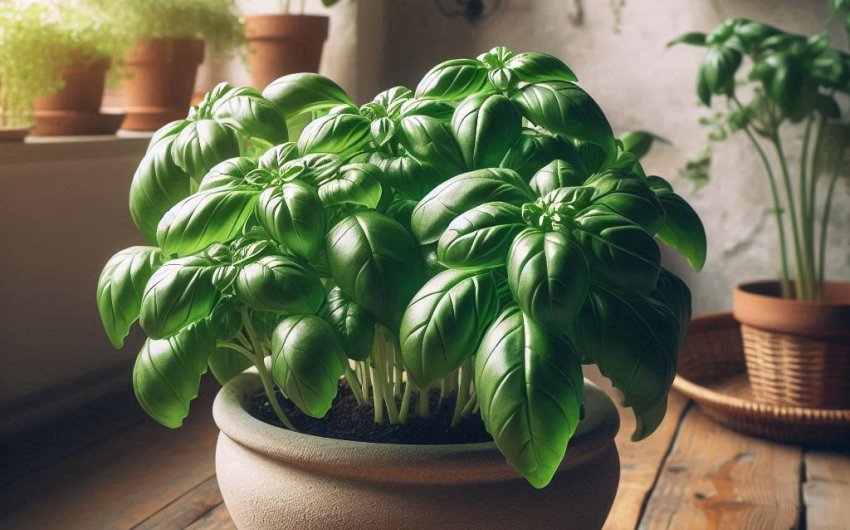
To remove aphids from your indoor basil plant, the most effective methods involve manual removal, strong water sprays, or applying insecticidal soap. Since basil is an edible herb, always prioritize organic and non-toxic treatments to ensure the leaves remain safe for consumption.
What are Aphids and Why Are They a Problem for Basil?
Before diving into how to remove aphids from your indoor basil plant, it's helpful to understand what these tiny pests are and why they pose a threat to your beloved herb. Knowing your enemy is the first step in winning the battle.
What are Aphids?
- Appearance: Aphids are small, soft-bodied insects, typically pear-shaped, measuring about 1/16 to 1/8 inch long. They come in various colors, including green, black, white, brown, red, or yellow, and can often blend in with your basil's foliage, especially if they are green. Some may even have wings.
- Location: They tend to congregate on the undersides of leaves, on new growth, and along stems, particularly on tender, succulent parts of the plant. They often cluster densely together.
- Rapid Reproduction: Aphids are notorious for their incredibly fast reproduction rate. A single female aphid can reproduce asexually (without a mate), giving birth to live young (nymphs) that can mature and start reproducing themselves within a week. This means a small infestation can quickly explode into a major problem.
How Do Aphids Damage Your Basil Plant?
Aphids are sap-sucking insects. They feed by piercing the plant's tissue with their needle-like mouthparts and sucking out the sugary sap. This feeding activity causes several problems for your indoor basil:
- Stunted Growth: By continuously draining sap, aphids deprive the basil plant of vital nutrients and moisture. This weakens the plant, leading to slowed growth, stunted development, and reduced vigor.
- Distorted Leaves and Stems: Aphid feeding can cause leaves to curl, crinkle, or become distorted. New growth may be malformed or fail to expand properly. Stems can also become twisted.
- Yellowing Leaves: As the plant is drained of sap, leaves may begin to yellow, especially if the infestation is heavy. This is a sign of stress and nutrient deficiency.
- Honeydew Production: Aphids excrete a sticky, sweet substance called honeydew. This clear, sugary liquid coats the leaves and stems of your basil plant.
- Messy Residue: Honeydew makes the leaves feel sticky to the touch and can attract ants (who "farm" aphids for their honeydew).
- Sooty Mold: The honeydew itself is not harmful, but it provides a perfect breeding ground for a black, powdery fungus called sooty mold. Sooty mold blocks sunlight from reaching the leaves, further inhibiting photosynthesis and weakening the plant.
- Weakened Plant: Over time, a heavy aphid infestation can severely weaken your basil plant, making it more susceptible to other stresses, diseases, or even leading to its death if left untreated.
- Unappetizing: Most importantly, having aphids and honeydew on your basil makes it unappetizing and unsafe for consumption.
Because basil is an edible herb, and you want to ensure its leaves remain safe for your kitchen, tackling aphids with organic and non-toxic methods is paramount. Understanding these threats sets the stage for effective strategies on how to remove aphids from your indoor basil plant.
How to Identify Aphids on Your Indoor Basil?
Early detection is key to successfully removing aphids from your indoor basil plant. Their small size and tendency to hide can make them tricky to spot, but knowing what to look for will help you catch an infestation before it gets out of hand.
1. Visual Inspection: Where to Look
- Undersides of Leaves: Aphids love to hide on the tender undersides of basil leaves. Always flip leaves over and inspect them, especially newer growth.
- New Growth: Check the tips of new stems, emerging leaves, and flower buds (if your basil is bolting). Aphids prefer succulent, young plant tissue.
- Stems: Inspect along the main stems and leaf petioles (the small stalks attaching leaves to stems).
- Densest Areas: Aphids often congregate in clusters. Look for tiny, pear-shaped insects, often motionless or moving slowly. They might be green, black, white, or even reddish, depending on the species.
2. Look for Indirect Signs: The "Calling Cards" of Aphids
Even if you don't immediately see the aphids themselves, their activity leaves tell-tale signs:
- Sticky Residue (Honeydew): Run your finger along the top surface of the leaves. If it feels sticky, that's honeydew, a sure sign of sap-sucking pests like aphids (or sometimes whiteflies or scale).
- Sooty Mold: If honeydew has been present for a while, you might see a black, powdery, non-toxic fungus growing on the sticky residue. This is sooty mold, which can block sunlight.
- Ants: Ants are attracted to honeydew and will "farm" aphids for their sugary excretions. If you see ants crawling on your basil plant, investigate for aphids.
- Distorted or Curled Leaves: New leaves that appear crinkled, curled, stunted, or otherwise deformed are a strong indicator of aphid feeding damage.
- Yellowing Leaves: As aphids suck sap, leaves (especially older, lower ones) may start to yellow due to nutrient deficiency.
- Shed Skins (Exuviae): Aphids molt as they grow, leaving behind tiny, white, translucent shed skins that often stick to leaves or stems. These can look like tiny white specks.
3. Use a Magnifying Glass (Optional but Helpful)
- If your eyesight isn't keen, or you just want to be certain, a small magnifying glass or jeweler's loupe can help you clearly see the aphids and their characteristics.
4. The "Tap Test":
- Place a white piece of paper or a white plate under a leaf or stem where you suspect aphids are present. Gently tap the stem. Tiny insects that fall onto the paper are likely aphids.
5. Regular Inspection Schedule:
- Make it a habit to check your indoor basil plant at least once a week, preferably more frequently. Early detection means smaller populations, which are much easier to control. Pay extra attention to new growth and the undersides of leaves.
By being diligent in your visual inspections and recognizing these subtle clues, you'll be well-equipped to quickly identify an aphid problem, enabling timely and effective action on how to remove aphids from your indoor basil plant.
How Can You Manually Remove Aphids?
Manual removal is the safest and most immediate method for removing aphids from your indoor basil plant, especially for light infestations. Since basil is edible, this method ensures no chemical residue is left on the leaves.
1. Hand-Picking (for Light Infestations)
- Best for: Very small aphid populations or when you spot the first few.
- How to Do It:
- Gloves (Optional): You might wear disposable gloves if you're squeamish about touching insects.
- Pinch and Squish: Gently pinch the aphids between your thumb and forefinger and squish them. They are soft-bodied, so this is quite effective.
- Wipe with Cloth/Cotton Swab: Alternatively, use a damp cloth, a paper towel, or a cotton swab (Q-tip) dipped in rubbing alcohol to wipe them off and squish them. The alcohol helps break down their waxy coating and quickly kills them.
- Focus Areas: Concentrate on new growth and the undersides of leaves where they cluster.
- Frequency: Repeat daily as needed. Aphids reproduce rapidly, so persistence is key.
2. Strong Water Spray (for More Extensive Infestations)
- Best for: Moderate infestations or when aphids are covering larger areas of the plant.
- How to Do It:
- Take Plant to Sink/Shower: Carefully carry your basil plant to a sink, bathtub, or even outside if weather permits.
- Protect Soil: You can cover the soil surface with plastic wrap or a plastic bag secured around the base of the plant to prevent the soil from becoming waterlogged or getting dislodged.
- Blast with Water: Use a strong, steady stream of cool or lukewarm water (from your kitchen faucet sprayer or shower head) to dislodge the aphids from the leaves and stems.
- Target Undersides: Be sure to aim the spray at the undersides of the leaves and all crevices where aphids might hide.
- Gentle Force: Use enough force to knock off the aphids, but not so much that you damage the tender basil leaves.
- Frequency: Repeat every 2-3 days for a week or two, as newly hatched aphids might emerge.
- Benefits: This method is completely non-toxic and also washes away honeydew, which is a big plus.
3. Pruning Infested Branches (for Heavily Infested Sections)
- Best for: Localized, very heavy infestations on specific stems or leaves.
- How to Do It:
- Identify: Pinpoint any stems or leaves that are severely covered in aphids and appear heavily damaged.
- Prune: Use clean, sharp scissors or pruning shears to snip off the entire infested stem or leaf. Cut back to a healthy leaf node or main stem.
- Dispose Safely: Immediately place the pruned material in a sealed plastic bag and dispose of it in the trash, far away from your other plants. Do not compost infested plant material.
- Benefits: This drastically reduces the aphid population quickly and removes the most damaged parts of the plant, helping the basil recover. Since basil tolerates pruning well, this can also encourage bushier growth.
Manual removal methods require patience and consistency, but they are incredibly effective and entirely safe for your edible basil. They form the foundation of how to remove aphids from your indoor basil plant organically.
When Can You Use Insecticidal Soap for Aphids on Basil?
Insecticidal soap is an excellent organic and low-toxicity option for removing aphids from your indoor basil plant, especially when manual methods aren't enough for larger infestations. It's safe for edible plants when used correctly.
What is Insecticidal Soap?
- Mechanism: Insecticidal soaps are specifically formulated pesticides made from the potassium salts of fatty acids. They work by disrupting the cell membranes of soft-bodied insects like aphids, leading to dehydration and death. They don't have a residual effect once dry, making them safe for edible plants.
- Not Dish Soap: Do NOT use dish soap or laundry detergent. These are often too harsh, can strip natural oils from plants, and contain additives that can harm your basil. Always use a product specifically labeled as "insecticidal soap." An example is Safer Brand Insect Killing Soap.
When to Use It:
- Moderate to Heavy Infestations: When aphids are too numerous for hand-picking or a water spray isn't sufficient.
- Persistent Issues: If aphids keep returning after initial removal attempts.
How to Apply Insecticidal Soap to Basil:
- Read Instructions: Always read and follow the specific instructions on the product label. Dilution rates can vary.
- Test Spray (Patch Test): Before spraying the entire plant, test a small, inconspicuous leaf first. Wait 24-48 hours. If there's no sign of burning, discoloration, or other adverse reactions, it's generally safe to proceed. Basil can sometimes be sensitive.
- Prepare the Solution: Dilute the concentrated insecticidal soap with water according to the label directions. Use a clean spray bottle. If you buy a ready-to-use spray, no dilution is needed.
- Spray Thoroughly:
- Cover All Surfaces: Spray every part of the basil plant, especially the undersides of leaves and into the crevices where aphids hide. Direct contact with the aphid is necessary for the soap to work.
- Drench the Aphids: You need to literally drench the aphids with the spray. It doesn't have a residual effect, so any aphids not directly hit will survive.
- Timing: Spray in the morning or evening when temperatures are cooler, and the plant isn't under direct, strong sunlight. This prevents potential leaf burn.
- Repeat as Necessary:
- Aphid eggs are not affected by insecticidal soap, and new nymphs will hatch.
- Plan to reapply every 5-7 days for at least 2-3 weeks to target successive generations.
- Continue until you no longer see live aphids.
Important Considerations for Basil:
- Rinse Before Consumption: Although insecticidal soap is low-toxicity, it's always recommended to thoroughly rinse your basil leaves under cool, running water before consuming them, especially after recent applications. This washes away any residue.
- No Residue: Insecticidal soaps break down quickly in the environment and leave no harmful residues on your plant.
- Monitor for Stress: Keep an eye on your basil plant after spraying for any signs of stress, though it's generally well-tolerated.
- Integrated Approach: Insecticidal soap works best as part of an integrated pest management strategy that also includes manual removal and preventative measures.
By carefully applying insecticidal soap, you can effectively control aphids on your basil while maintaining its safety for culinary use, making it a reliable method in how to remove aphids from your indoor basil plant.
How Can You Use Neem Oil for Aphids on Basil?
Neem oil is another popular organic and multi-purpose insecticide that can be highly effective for removing aphids from your indoor basil plant. It works differently from insecticidal soap and offers broader protection.
What is Neem Oil?
- Mechanism: Neem oil is extracted from the seeds of the neem tree. Its active ingredient, azadirachtin, acts as:
- Antifeedant: Makes the plant unpalatable to pests.
- Growth Regulator: Disrupts the insect's life cycle, preventing them from maturing and reproducing.
- Repellent: Deters pests from laying eggs or feeding.
- Systemic Action (Limited): When applied to leaves, a small amount can be absorbed by the plant and moved through the system, making the plant itself toxic to pests that feed on it.
- Safety: Neem oil is generally considered safe for use on edible plants and is non-toxic to mammals, birds, and beneficial insects once it has dried. An example is Captain Jacks Neem Oil.
When to Use It:
- Moderate to Persistent Infestations: Good for ongoing aphid problems or as a preventative measure.
- Other Pests: Neem oil also works on a wide range of other common houseplant pests like spider mites, whiteflies, and mealybugs.
How to Apply Neem Oil to Basil:
- Choose a High-Quality Product: Use a 100% cold-pressed, pure neem oil product, not a synthetic or "clarified hydrophobic extract."
- Read Instructions Carefully: Always follow the specific dilution and application instructions on your chosen neem oil product label. It usually requires mixing with water and a few drops of mild liquid soap (as an emulsifier, to help the oil mix with water).
- Test Spray (Patch Test): This is crucial for basil, as some plants can be sensitive to oil sprays. Spray a small, inconspicuous area of a leaf and wait 24-48 hours for any adverse reactions (e.g., burning, discoloration).
- Prepare the Solution: Mix the recommended amount of neem oil concentrate, a few drops of mild soap, and water in a clean spray bottle. Shake well before each use, as the oil can separate.
- Spray Thoroughly:
- Cover All Surfaces: Just like with insecticidal soap, thorough coverage is essential. Spray the entire basil plant, paying special attention to the undersides of the leaves, stems, and any new growth.
- Target the Pests: Ensure direct contact with aphids, although neem oil also works through ingestion if the plant has absorbed it.
- Timing: Apply neem oil in the early morning or evening when temperatures are cooler and the plant is not in direct, strong sunlight. This minimizes the risk of leaf burn (phytotoxicity). Do not apply if temperatures are expected to be above 85°F (29°C) within 24 hours.
- Repeat Applications:
- Neem oil works best with repeated applications to disrupt the aphid life cycle.
- Reapply every 7-10 days for at least 2-3 weeks, or until the infestation is under control.
Important Considerations for Basil:
- Rinse Before Consumption: While neem oil is organic, it's still recommended to thoroughly rinse basil leaves under cool, running water before consumption, especially after recent applications. This removes any residue or taste.
- Smell: Pure neem oil has a distinctive garlicky/sulfuric odor that some people find unpleasant. It dissipates as it dries.
- Photosensitivity: Ensure the plant is not in direct sun immediately after application to avoid leaf burn.
- Not an Instant Kill: Unlike contact insecticides, neem oil works more slowly by disrupting the insect's life cycle. You may not see immediate death, but you will notice a decline in population and reproduction.
Neem oil is a versatile and valuable tool in your organic pest control arsenal, offering both treatment and preventative qualities for removing aphids from your indoor basil plant.
What About Companion Planting and Prevention?
Prevention is always the best strategy when it comes to managing pests on edible plants. While you're focusing on how to remove aphids from your indoor basil plant now, implementing preventative measures can significantly reduce the likelihood of future infestations.
1. Regular Inspection
- The First Line of Defense: Make it a habit to check your basil plant (and all other houseplants) at least once or twice a week. Inspect new growth, the undersides of leaves, and stem joints closely.
- Early Detection: Catching a small aphid problem early allows you to use simple manual methods before it escalates.
2. Quarantine New Plants
- Isolate New Arrivals: Before introducing any new plant (whether from a nursery, a friend, or even from outdoors) to your indoor garden, quarantine it for 2-3 weeks. Place it in a separate room or area, away from your existing plants.
- Thorough Inspection: During the quarantine period, carefully inspect the new plant daily for any signs of pests, including aphids. This prevents pests from jumping to your basil.
3. Maintain Plant Health
- Proper Watering: Ensure your basil gets adequate water, but avoid overwatering. Stressed plants are more susceptible to pests. Let the top inch of soil dry out between waterings.
- Adequate Light: Basil needs plenty of bright light indoors. Weak, leggy growth from insufficient light can make plants more vulnerable.
- Good Air Circulation: Ensure there's good airflow around your basil plant. Stagnant, humid conditions can sometimes favor pests or diseases. A small fan can help.
- Balanced Fertilization: Provide appropriate nutrients. Avoid excessive nitrogen, which can lead to lush, tender new growth that aphids particularly love.
- Cleanliness: Regularly wipe dust off basil leaves (which can also deter aphids) and remove any dead or yellowing leaves from the plant or the soil surface.
4. Physical Barriers and Repellents
- Yellow Sticky Traps: While not a "cure," small yellow sticky traps placed near your basil plant can help monitor for flying aphids (winged adults) and catch a small number of them. Yellow Sticky Traps
- Aluminum Foil Mulch: For basil planted in a larger container or a grow bag, covering the soil surface with aluminum foil (shiny side up) can reflect light, disorienting aphids and deterring them from landing on the plant.
- Garlic or Onion Repellent Spray (DIY): Some gardeners swear by a homemade spray made from minced garlic or onion steeped in water (strained) as a repellent. While not a killer, the strong odor may deter aphids. (Be aware of the lingering smell on your basil.)
5. Introducing Beneficial Insects (Outdoor/Greenhouse Only)
- While challenging for typical indoor houseplant settings, for larger indoor growing spaces, enclosed sunrooms, or greenhouses, you could consider introducing beneficial insects.
- Ladybugs and Lacewings: Ladybug larvae and lacewing larvae are voracious predators of aphids. You can purchase them, but ensuring they stay in your specific indoor environment can be tricky. This is generally not a practical solution for a single indoor basil plant.
By integrating these preventative and supportive measures, you create a less hospitable environment for aphids, making your basil plant more resilient and reducing the frequency of having to actively remove aphids from your indoor basil plant.
What to Do After Removing Aphids from Your Basil?
Successfully removing aphids from your indoor basil plant is a great achievement, but the work isn't quite finished. Post-treatment care and ongoing monitoring are essential to ensure your basil recovers fully and stays pest-free in the long run.
1. Reassess Plant Health
- Inspect Thoroughly: After your chosen treatment (manual removal, insecticidal soap, neem oil), carefully inspect the basil plant again after a few days. Look for any remaining aphids, nymphs, or eggs.
- Assess Damage: Note any leaves that are heavily distorted, yellowed, or have significant sooty mold.
2. Prune Heavily Damaged Leaves
- Remove Unhealthy Parts: Any leaves that are severely damaged by aphid feeding (curled, heavily discolored, or covered in thick sooty mold that won't rinse off) are unlikely to recover fully. These leaves also draw energy from the plant without contributing much to photosynthesis.
- Clean Cuts: Use clean, sharp scissors to prune off these unhealthy leaves back to a healthy stem or node.
- Dispose Safely: Discard them immediately in a sealed trash bag to prevent any remaining aphids or eggs from spreading.
3. Rinse Off Residue and Honeydew
- After Treatment: If you used insecticidal soap or neem oil, or if there's still sticky honeydew or sooty mold, gently rinse your basil plant under a cool, gentle stream of water.
- Why Rinse? This removes any product residue, washes away the sticky honeydew, and cleans off sooty mold. Clean leaves can photosynthesize more effectively.
4. Optimize Growing Conditions
- Light: Ensure your basil plant is receiving adequate light (at least 6-8 hours of bright, indirect light daily, ideally with some direct sun). Weak light leads to leggy, less robust growth, which is more attractive to pests. Consider a LED Grow Light for Herbs if natural light is insufficient.
- Watering: Re-establish a consistent, proper watering routine. Allow the top inch or two of soil to dry out before watering again. Avoid overwatering.
- Air Circulation: Ensure good airflow around the plant. Don't crowd it with other plants.
- Fertilization (if applicable): Once you see signs of new, healthy growth (after a few weeks), you can resume a very light fertilization schedule if needed, using a balanced liquid fertilizer like Miracle-Gro Indoor Plant Food Liquid, diluted to half strength. Avoid over-fertilizing with nitrogen.
5. Ongoing Monitoring and Prevention
- Regular Inspections: Continue your weekly or bi-weekly inspections. Aphids can return, either from surviving eggs, winged adults, or being brought in from new plants.
- Pruning for Bushiness: Regularly pinch back your basil plant (harvesting leaves for use) to encourage bushier growth. This also helps you inspect for pests more frequently and removes older leaves where aphids might hide.
- Cleanliness: Keep the area around your basil plant clean and free of debris.
6. Harvest and Enjoy Your Basil
- Once your basil has recovered and shows healthy new growth, you can resume harvesting and enjoying its fresh flavor! Remember to rinse leaves thoroughly before use.
By diligently following these post-treatment steps and maintaining optimal growing conditions, you not only ensure your basil recovers from aphid infestations but also build its resilience against future pest problems, reinforcing your successful efforts in how to remove aphids from your indoor basil plant.