
Why Does My Calathea Have White, Powdery Residue on the Leaves?
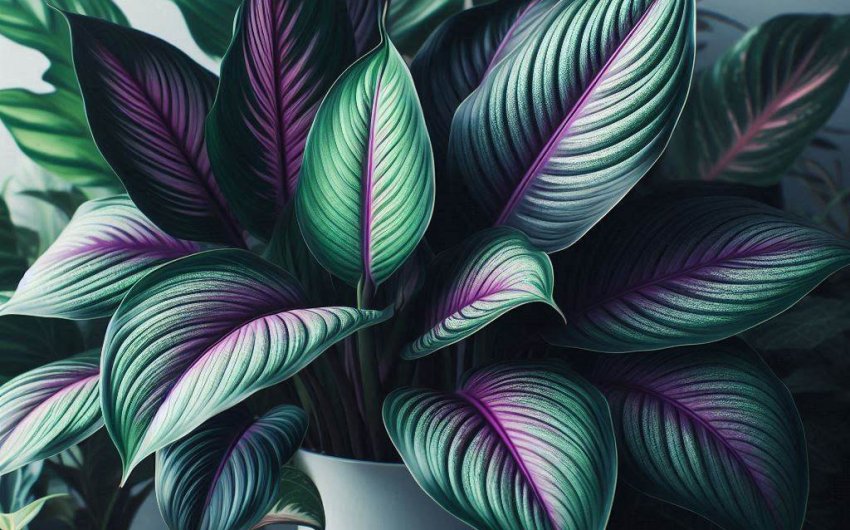
If your Calathea has white, powdery residue on its leaves, the most common culprits are either a mineral buildup from hard water or the presence of a fungal disease called powdery mildew. Identifying the exact cause is crucial for proper treatment and keeping your plant healthy.
What is This White Residue on My Calathea?
Finding a white, powdery residue on your Calathea's leaves can be concerning. This residue usually points to one of two main problems: mineral deposits from hard water or a fungal infection. Understanding the difference is vital for effective treatment.
Common Causes of White Residue:
- Hard Water Stains (Mineral Deposits): This is by far the most frequent reason. If you use tap water with a high mineral content (calcium, magnesium, etc.) to water your Calathea or to mist its leaves, these minerals can be left behind as a white, powdery, or crusty residue when the water evaporates. This is particularly noticeable if you don't wipe the leaves regularly.
- Powdery Mildew: This is a common fungal disease that appears as a thin, white, powdery coating on plant leaves and stems. It can be easily mistaken for dust or mineral deposits. Powdery mildew typically thrives in conditions with high humidity and poor air circulation, and it can spread if not treated.
- Other Less Common Causes:
- Pesticide Residue: If you've recently sprayed your plant with a powdered or residue-leaving pesticide, this could be the cause.
- Dust: While typically grey, a thick layer of fine dust can sometimes resemble a powdery coating, especially on darker leaves.
It's important to inspect the residue closely to determine its true nature before attempting any treatment.
How to Identify Hard Water Stains vs. Powdery Mildew?
Distinguishing between hard water stains and powdery mildew is the first and most critical step in addressing the white, powdery residue on your Calathea's leaves. They look similar but require very different treatments.
Key Differences to Look For:
| Feature | Hard Water Stains (Mineral Deposits) | Powdery Mildew (Fungal Disease) |
|---|---|---|
| Appearance | Uniform, dusty, crusty, or chalky white spots/film. | Fuzzy, web-like, or flour-like white patches. Can look "painted on." |
| Location | Randomly distributed on leaves, often where water drops settled. Can be on pot edges. | Usually starts as small, circular patches, then spreads to cover larger areas, especially on new growth, upper leaf surfaces. |
| Texture | Feels gritty or rough. May scrape off easily with a fingernail, leaving a clear mark. | Feels fuzzy or velvety. Doesn't easily scrape off entirely. |
| Spread | Does not spread on its own. Appears only where water has evaporated. | Spreads rapidly to other parts of the plant and to nearby plants. New spots appear over time. |
| Effect on Plant | Primarily cosmetic; can hinder photosynthesis if severe. Leaves may look dull. | Distorts new growth, causes yellowing, browning, and leaf drop. Weakens plant. |
| Associated Factors | Use of tap water, misting with tap water. | High humidity, poor air circulation, crowded plants, fluctuating temperatures. |
The Wipe Test:
The easiest way to tell the difference is to try and wipe it off:
- For Hard Water Stains: Take a damp cloth (preferably with distilled water or a little diluted vinegar). The white residue should wipe off relatively easily, and the leaf underneath will be clean, though a faint residue might remain if the buildup is severe.
- For Powdery Mildew: When you try to wipe it, it might smear or spread slightly, and a thin, persistent film will often remain. It won't come off cleanly like mineral dust.
Once you've accurately identified the problem, you can move on to the appropriate solution for your Calathea's leaves.
How to Remove Hard Water Stains from Calathea Leaves?
If the white, powdery residue on your Calathea's leaves is indeed hard water stains, removing them is a straightforward process. Regular cleaning will restore your plant's appearance and help it photosynthesize better.
Why Remove Hard Water Stains?
While primarily an aesthetic issue, a heavy buildup of mineral deposits on leaves can block stomata (tiny pores on leaves), hindering the plant's ability to "breathe" and perform photosynthesis efficiently.
Step-by-Step Removal:
- Gather Supplies:
- Distilled or Filtered Water: Crucial for cleaning to avoid adding more minerals.
- Soft Cloth or Cotton Pads: Microfiber cloths work well.
- Optional: Lemon Juice or White Vinegar: A very dilute solution (1 part lemon juice/vinegar to 4-5 parts distilled water) can help dissolve stubborn mineral deposits. Always test on a small, inconspicuous part of a leaf first.
- Gentle Wiping:
- Lightly dampen your soft cloth with distilled or filtered water.
- Gently wipe each leaf, top and bottom, to remove the white residue. Be gentle, as Calathea leaves can be delicate.
- For stubborn spots, use the diluted lemon juice/vinegar solution. Apply it to the cloth, not directly to the leaf. Wipe, then immediately follow with a wipe of plain distilled water to rinse off any acid residue.
- Repeat as Needed: Depending on the severity of the buildup and your water quality, you may need to repeat this process regularly (e.g., once a month or every few weeks).
Preventing Future Hard Water Stains:
The best way to fix the problem permanently is to change your watering habits:
- Use Distilled, Filtered, or Rainwater: This is the most effective preventative measure. Calatheas are very sensitive to mineral and chemical buildup, so providing clean water is paramount.
- Avoid Misting with Tap Water: If you mist your Calathea for humidity, always use distilled or filtered water to prevent new spots from forming.
- Bottom Watering: This method reduces the chance of minerals depositing on the leaf surface. Fill a saucer with distilled water and let the plant soak it up from the bottom until the topsoil feels moist.
- Leaching Soil: Periodically, you can leach the soil to remove accumulated mineral salts. Water the plant thoroughly with a large volume of distilled water until it drains heavily from the bottom, then discard the excess water.
By consistently using clean water and regularly wiping the leaves, you'll ensure your Calathea's leaves remain vibrant and free of unsightly white residue.
How to Treat Powdery Mildew on Calathea Leaves?
If the white, powdery residue on your Calathea's leaves is identified as powdery mildew, immediate and consistent treatment is necessary to prevent it from spreading and severely damaging your plant.
What is Powdery Mildew?
Powdery mildew is a common fungal disease characterized by a white, flour-like coating on plant leaves, stems, and sometimes flowers. It often appears when humidity is high and air circulation is poor, creating a stagnant, damp environment. It can stunt growth, cause leaves to yellow or distort, and eventually lead to leaf drop.
Step-by-Step Treatment:
- Isolate the Plant: Immediately move your affected Calathea away from other houseplants to prevent the fungal spores from spreading.
- Remove Affected Leaves: If only a few leaves are lightly affected, prune them off using clean, sharp scissors. Dispose of them in the trash (not compost). Sterilize your scissors afterward.
- Wipe Down Leaves: For moderate infections, gently wipe off as much of the powdery mildew as possible using a damp cloth. This reduces the spore load. Dispose of the cloth or wash it thoroughly.
- Apply Fungicide Solution:
- Neem Oil: A popular organic option. Mix according to product instructions (usually 1-2 tablespoons per gallon of water with a few drops of dish soap as an emulsifier). Spray the entire plant, top and bottom of leaves, stems, and even the top layer of soil, until dripping. Garden Safe Brand Fungicide3 Ready-To-Use is a convenient option that contains neem oil.
- Baking Soda Spray: Mix 1 teaspoon of baking soda with 1 quart (about 1 liter) of water and a few drops of mild liquid soap. Shake well and spray the plant thoroughly.
- Milk Spray: Mix 1 part milk (any type) with 9 parts water. Spray weekly. The compounds in milk are believed to act as a natural fungicide.
- Commercial Fungicide: If the infection is severe, consider an organic or low-toxicity commercial fungicide specifically labeled for houseplants and powdery mildew. Always follow product directions carefully.
- Repeat Application: Powdery mildew often requires repeated applications. Spray your chosen solution every 5-7 days for at least 2-3 weeks, or until the mildew is completely gone. Continue to monitor for recurrence.
Preventing Future Powdery Mildew:
- Improve Air Circulation: Ensure good airflow around your Calathea. Don't crowd plants together. If your home is very still, a small fan in the room can help.
- Proper Humidity: While Calatheas need high humidity, overly stagnant and damp conditions without good airflow are problematic. Ensure there's air movement.
- Avoid Overwatering: While powdery mildew is a foliar disease, consistently wet soil can weaken the plant.
- Provide Adequate Light: Ensure your Calathea receives bright, indirect light. Weak, stressed plants are more susceptible to disease.
- Cleanliness: Regularly wipe dust off leaves. Remove any dead or decaying plant material from the pot.
By acting quickly and consistently, you can effectively treat powdery mildew and prevent it from damaging your beautiful Calathea leaves.
What is the Ideal Humidity Level for Calatheas?
Calatheas are known for their love of high humidity, and providing the ideal humidity level is crucial for preventing numerous issues, including potentially making them more susceptible to fungal diseases like powdery mildew, or showing leaf crisping and browning.
Why Calatheas Need High Humidity:
Calatheas are native to the tropical rainforests of Central and South America. In their natural habitat, they experience consistently high humidity, often ranging from 60% to 80%. Their broad, thin leaves are adapted to these moist conditions. In dry indoor air (which often hovers around 30-40% humidity, especially in winter), their leaves struggle to retain moisture, leading to:
- Crispy Edges/Tips: The most common sign of low humidity.
- Curling Leaves: Leaves may curl inward to conserve moisture.
- Reduced Growth: The plant may become stressed and grow slowly.
- Increased Vulnerability: While not a direct cause, low humidity can stress the plant, making it more vulnerable to pests like spider mites. And conversely, very high humidity without good air circulation can foster powdery mildew.
Methods to Increase Humidity for Calatheas:
- Humidifier: This is the most effective way to provide consistent and elevated humidity levels, especially for multiple Calatheas or in very dry climates. A cool-mist humidifier is usually preferred. Look for a Vornado Humidifier for powerful output.
- Pebble Trays: Fill a shallow tray with pebbles and add water to just below the top of the pebbles. Place your Calathea pot on the pebbles (not in the water). As the water evaporates, it creates a localized humid microclimate around the plant.
- Grouping Plants: Cluster your Calatheas and other humidity-loving plants together. The moisture released by each plant contributes to a collective humid zone.
- Terrariums or Plant Cabinets: For very high humidity, enclosing your Calathea in a terrarium or a dedicated plant cabinet (like a converted IKEA cabinet) can provide an ideal, consistent environment.
- Avoid Misting (for humidity): While sometimes recommended, misting is generally ineffective for providing lasting humidity and can even be detrimental. The effect is very temporary, and leaving water on leaves can encourage fungal or bacterial issues, especially if using tap water (leading to hard water spots). Focus on methods that increase ambient humidity.
By maintaining high humidity, you help your Calathea's leaves stay healthy and vibrant, reducing the risk of common humidity-related issues.
What is the Right Watering Technique for Calatheas?
Proper watering is critical for the health of your Calathea and can impact whether you see white, powdery residue on its leaves (from hard water) or suffer from root issues that stress the plant. Calatheas prefer consistently moist soil, but never soggy.
Calathea's Unique Watering Needs:
- Sensitive to Chlorine and Fluoride: Like spider plants, Calatheas are extremely sensitive to chemicals found in tap water. Using distilled, filtered, or rainwater is highly recommended to prevent leaf tip burn and mineral buildup.
- Consistent Moisture: They prefer their soil to be consistently moist but not waterlogged. They do not like to dry out completely between waterings, unlike many other houseplants.
Best Watering Practices:
- Use Soft Water: Always use distilled, rainwater, or thoroughly filtered tap water that has sat out for 24-48 hours. This helps prevent mineral buildup and chemical burn.
- Check Soil Moisture: The best way to know when to water is to feel the soil. Stick your finger about 1-2 inches (2.5-5 cm) deep into the soil. When the top 1-2 inches feel just barely damp, or almost dry, it's time to water. Do not wait for the soil to become bone dry.
- Thorough Watering: When you water, water thoroughly until you see water draining from the bottom of the pot. This ensures the entire root ball is saturated.
- Empty Excess Water: Never let your Calathea sit in standing water in the saucer. This is a common cause of root rot, which will quickly kill your plant. Empty the saucer immediately after watering.
- Bottom Watering (Recommended for Sensitivity): This method is excellent for Calatheas. Place the pot in a larger tray or sink filled with 1-2 inches of distilled or filtered water. Allow the plant to soak up water from the drainage holes for 15-30 minutes, or until the top of the soil feels moist. This ensures even saturation and reduces the chance of hard water stains on the leaves.
- Adjust Seasonally: Calatheas will need more frequent watering during their active growing season (spring and summer) and less during the cooler, darker months of fall and winter when growth slows.
Signs of Incorrect Watering:
- Underwatering: Curling leaves, dry, crispy edges (not just tips), wilting, slow growth.
- Overwatering (Root Rot): Yellowing leaves (especially lower ones), mushy stems, stunted growth, foul smell from soil, browning that progresses quickly and looks soft/mushy.
Mastering your Calathea's watering needs, particularly with purified water, will be key to preventing the white, powdery residue on its leaves and ensuring its overall vitality.
What Kind of Light Does a Calathea Need?
Providing the correct light conditions is essential for the health of your Calathea and can influence its susceptibility to issues like powdery mildew, or display of stress. Calatheas are very particular about their light.
Ideal Light Conditions:
- Bright, Indirect Light: This is the sweet spot. Calatheas thrive in consistently bright, but diffused, light. They come from the understory of rainforests, where they receive filtered light through the canopy above.
- No Direct Sun: Direct sunlight is a big NO for Calatheas. Their delicate leaves will quickly burn, causing bleached, brown, or scorched spots. This damage is irreversible on the affected leaves.
- Low Light Tolerance (with reservations): While often labeled as low-light tolerant, they won't truly thrive in very dark corners. They'll survive, but their vibrant leaf patterns may fade, and growth will be stunted.
Examples of Good Locations:
- North-facing window: Often ideal, providing consistent indirect light all day.
- East-facing window: Provides gentle morning sun, which is usually not too intense for Calatheas.
- Several feet away from a south or west-facing window: If you have bright south or west windows, place your Calathea far enough away that it doesn't receive any direct sun, or use sheer curtains to diffuse the light.
Signs of Incorrect Light:
- Too Much Light (Direct Sun):
- Scorched or bleached spots: Light brown or white patches where the sun hit directly.
- Fading leaf patterns: Colors and patterns on the leaves may become dull and washed out.
- Curling/Crispy Leaves: Plant may curl its leaves to protect itself from intense light, and edges may brown.
- Too Little Light:
- Loss of variegation/pattern vibrancy: The distinctive patterns may become less defined.
- Leggy growth: Stems stretch out as the plant tries to reach for more light.
- Reduced growth: Overall growth slows significantly.
By placing your Calathea in a consistently bright, indirect light environment, you reduce stress on the plant, allowing it to put its energy into healthy growth and making it more resilient against problems like the white, powdery residue on its leaves.
How Does Air Circulation Affect Calathea Health?
Good air circulation is an often-overlooked factor in Calathea care, but it plays a significant role in preventing the white, powdery residue on leaves, particularly powdery mildew.
Why Air Circulation is Important:
- Prevents Fungal Diseases: Powdery mildew and other fungal issues thrive in stagnant, humid air. Good air circulation helps to dry leaf surfaces more quickly after watering or misting (if you choose to do so), and it prevents moist, still pockets of air that invite fungal spores.
- Reduces Pest Risk: While Calatheas love humidity, spider mites, a common pest, also love dry, stagnant air. Good air movement can create a less hospitable environment for some pests.
- Optimizes Humidity Management: Air circulation works hand-in-hand with humidity. You want high humidity, but you also want fresh air moving around the plant to prevent that humidity from becoming a problem.
Ways to Improve Air Circulation for Your Calathea:
- Don't Overcrowd Plants: Give your Calathea enough space between itself and other plants. If leaves are constantly touching, air cannot circulate effectively around them.
- Strategic Placement: Avoid placing your Calathea in tight corners or against walls where air tends to stagnate. Position it in a spot where there is gentle air movement.
- Small Fan: In areas with very still air, especially if you're using a humidifier, a small oscillating fan set on a low setting can provide excellent air circulation. Don't point it directly at the plant, but let it circulate air in the room.
- Regular Cleaning: Dust can block stomata and reduce airflow around leaves. Regularly wiping down leaves (with distilled water) not only removes dust and potential mineral buildup but also gives you a chance to inspect the plant for issues.
- Remove Dead Foliage: Promptly remove any yellowing, browning, or decaying leaves from the plant and the soil surface. This material can harbor fungal spores and impede airflow.
By ensuring good air circulation, you create a healthier environment for your Calathea, helping to prevent the conditions that lead to issues like white, powdery residue on its leaves. It's a simple preventative measure that goes a long way.
What is the Role of Soil and Potting in Calathea Health?
The right soil and pot are foundational to healthy Calathea growth and can indirectly influence problems like the white, powdery residue on leaves. Poor soil or pots can lead to root issues, stressing the plant and making it more vulnerable.
Ideal Soil Mix for Calatheas:
Calatheas need a well-draining yet moisture-retentive potting mix. They don't like soggy feet, but they also don't like to dry out completely.
- Components: A good mix typically includes:
- Peat moss or Coco Coir: For moisture retention.
- Perlite or Pumice: For excellent drainage and aeration.
- Orchid Bark or Horticultural Charcoal: Adds aeration and helps prevent compaction.
- DIY Mix Example: A common mix is 2 parts peat moss/coco coir, 1 part perlite, and 1 part orchid bark.
- Pre-made Mixes: Look for houseplant potting mixes specifically formulated for Aroids or plants that prefer consistent moisture and good drainage. Avoid heavy, dense garden soil.
Importance of Potting Materials and Drainage:
- Drainage Holes are Non-Negotiable: Your pot must have drainage holes. Without them, water collects at the bottom, leading to root rot, which is fatal for Calatheas.
- Potting Material:
- Plastic Pots: Good choice. They retain moisture longer, which can be beneficial for Calatheas who like consistent dampness. Just ensure ample drainage.
- Terracotta Pots: Can be used, but their porous nature causes the soil to dry out much faster. You'll need to water more frequently if using terracotta. They are excellent for promoting drainage and preventing root rot.
- Self-Watering Pots: Can work for Calatheas if monitored carefully. Ensure the soil doesn't become waterlogged, and still use distilled water to prevent mineral buildup in the reservoir.
- Pot Size: Choose a pot that is only slightly larger (1-2 inches/2.5-5 cm) than the current root ball. Calatheas generally prefer to be a little bit root-bound rather than in an excessively large pot, where the extra soil can hold too much moisture.
When to Repot Your Calathea:
- Signs: Roots coming out of drainage holes, stunted growth, or if the soil looks compacted or breaks down.
- Frequency: Usually every 1-2 years, or when necessary. Always repot in spring or early summer.
By providing the right well-draining and moisture-retentive soil in a pot with good drainage, you establish a strong foundation for your Calathea's health, making it more resilient against environmental stresses and less prone to problems, including the unsightly white, powdery residue on its leaves.