
How Can I Fix Yellowing Leaves on My Monstera Deliciosa?
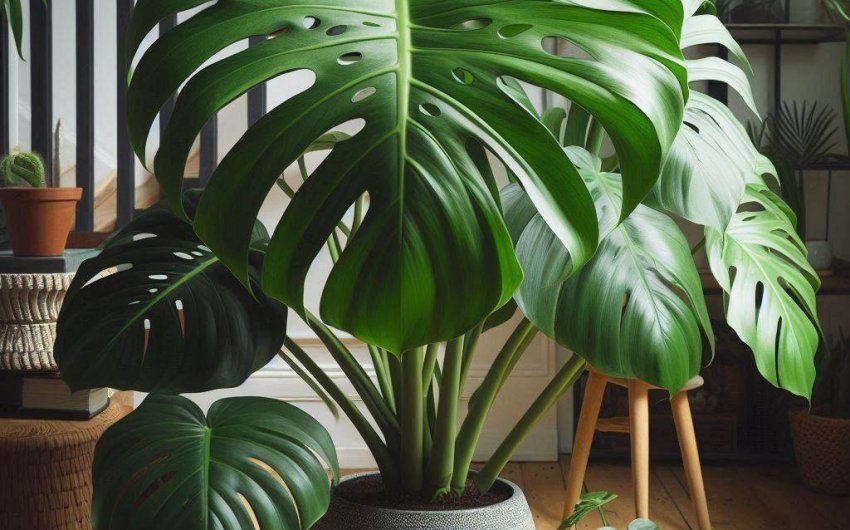
To fix yellowing leaves on your Monstera Deliciosa, you must first identify the underlying cause, which is most often overwatering. Other common culprits include underwatering, nutrient deficiencies, insufficient light, pests, or temperature stress, all of which require specific adjustments to the plant's care routine.
Why Are My Monstera Leaves Turning Yellow?
Monstera Deliciosa is a popular houseplant known for its striking, fenestrated leaves. When these normally lush green leaves start to turn yellow, it's a clear sign that your plant is experiencing some form of stress. Yellowing is the plant's way of telling you something is wrong, often related to its environment or care routine.
- Stress Indicator: Yellowing (chlorosis) indicates a breakdown of chlorophyll, the green pigment essential for photosynthesis.
- Common Causes: Usually stems from improper watering, light issues, nutrient imbalances, or environmental stress.
- Urgency: While a single yellowing leaf might be normal aging, widespread or rapid yellowing requires immediate attention.
What Are the Most Common Causes of Yellowing Monstera Leaves?
Understanding the primary reasons for yellowing leaves on your Monstera Deliciosa is crucial for effective troubleshooting.
1. Overwatering (The #1 Culprit)
- Problem: Monstera Deliciosa, like many tropical plants, is highly susceptible to root rot if its roots sit in constantly soggy soil. Overwatering deprives roots of oxygen, causing them to suffocate and rot. Damaged roots cannot absorb water or nutrients, leading to yellowing leaves.
- Signs:
- Uniform Yellowing: Leaves turn yellow all over, often starting with older, lower leaves.
- Mushy Stems or Base: The base of the plant or stems may feel soft and mushy.
- Foul Smell: A decaying odor from the soil can indicate severe root rot.
- Soil Stays Wet: The potting mix remains wet for prolonged periods.
- Solution: Immediately address overwatering.
2. Underwatering
- Problem: While less common for widespread yellowing than overwatering, consistent underwatering can stress the plant, leading to leaf discoloration and damage.
- Signs:
- Crispy Edges: Leaves turn yellow, then brown and crispy, often starting from the edges.
- Drooping: Leaves appear limp and droopy.
- Dry Soil: Potting mix is bone dry and may have pulled away from the pot's sides.
- Solution: Water thoroughly when the plant needs it.
3. Nutrient Deficiency
- Problem: Monstera Deliciosa is a moderate feeder. A lack of essential nutrients can hinder chlorophyll production and cause yellowing.
- Signs:
- General Yellowing: All leaves, especially older ones, may appear pale or uniformly yellow.
- Specific Patterns: Yellowing between veins (interveinal chlorosis) can indicate an iron or magnesium deficiency.
- Stunted Growth: Overall slow or stunted new growth.
- Solution: Provide appropriate fertilization.
4. Insufficient Light
- Problem: Monsteras thrive in bright, indirect light. Too little light hinders photosynthesis, leading to overall plant weakness and yellowing.
- Signs:
- Overall Pale/Yellowing: Leaves are generally paler or yellowish green.
- Leggy Growth: Stems stretch out with fewer leaves or smaller leaves as the plant "searches" for light.
- Lack of Fenestrations: New leaves may not develop the characteristic splits or holes.
- Solution: Adjust the plant's location.
5. Pests
- Problem: Sap-sucking pests like spider mites, thrips, aphids, or mealybugs can drain the plant's vital fluids, leading to yellow spots, overall yellowing, and distorted growth.
- Signs:
- Small Spots/Speckling: Tiny yellow or white spots on leaves.
- Webbing: Fine webbing (spider mites) on the undersides of leaves or in leaf axils.
- Visible Pests: Small insects (aphids), white cottony masses (mealybugs).
- Sticky Residue (Honeydew): A sticky film on leaves or surfaces below.
- Solution: Identify and treat pests promptly.
6. Temperature Stress
- Problem: Monsteras are tropical plants and prefer consistent temperatures (65-80°F or 18-27°C). Extreme cold drafts or sudden temperature fluctuations can shock the plant, causing leaves to yellow and sometimes drop.
- Signs: Yellowing, browning, or wilting, often occurring rapidly after exposure to cold.
- Solution: Maintain stable temperatures.
7. Old Age / Normal Leaf Drop
- Problem: It's natural for a Monstera to shed a few older, lower leaves as it matures and grows new ones.
- Signs: Typically, one or two older leaves at the base of the plant will gradually turn yellow and then brown before falling off. The rest of the plant appears healthy.
- Solution: This is normal and nothing to worry about. Simply prune off the yellowing leaf once it's completely yellow or brown.
How to Fix Yellowing Leaves on Your Monstera Deliciosa: Step-by-Step Solutions
Once you've identified the likely cause, follow these steps to treat and fix yellowing leaves on your Monstera Deliciosa.
1. Addressing Overwatering and Root Rot
This is the most critical fix if you suspect overwatering.
- Stop Watering: Do not water again until the soil is thoroughly dry.
- Inspect Soil and Drainage: Ensure your pot has adequate drainage holes. If the soil is heavy or compacted, it may be retaining too much moisture.
- Check Roots (if severe yellowing/mushiness):
- Gently remove the Monstera from its pot.
- Shake off excess soil.
- Inspect the roots: Healthy roots are firm and white or light-colored. Rotted roots will be mushy, black, brown, or stringy and may smell foul.
- Prune Rotted Roots: Use sterile scissors or a clean knife to cut away all soft, mushy, or black roots. Leave only healthy, firm roots.
- Repot: Repot the Monstera into fresh, well-draining Aroid Potting Mix. You may need to use a clean pot or sanitize the old one. If root rot was extensive, use a slightly smaller pot to avoid excess soil volume.
- Delay Watering: Do not water for several days after repotting to allow any cuts on the roots to heal and for the plant to adjust.
- Adjust Watering Routine:
- Frequency: Water only when the top 2-3 inches of soil are dry to the touch. In winter, this might be every 2-4 weeks. In summer, more frequently.
- Thoroughness: When you do water, drench the soil thoroughly until water drains from the bottom.
- Drain Excess: Always empty any standing water from the saucer. Never let the pot sit in water.
- Pot Weight: Learn the weight of your pot when it's completely dry vs. freshly watered. This is a reliable indicator.
2. Correcting Underwatering
- Water Thoroughly: Water the plant slowly and deeply until water drains from the bottom of the pot.
- Soak (if very dry): If the soil is extremely dry and has pulled away from the pot, you may need to soak the entire pot in a basin of water for 30 minutes to an hour to rehydrate the soil.
- Adjust Watering Schedule: Establish a more consistent watering routine. Check the soil every few days until you learn your plant's needs.
3. Addressing Nutrient Deficiencies
- Flush Soil (if suspect salt buildup): If you've been over-fertilizing, flush the soil thoroughly with plain water to wash away excess mineral salts before resuming fertilization.
- Fertilize Appropriately:
- Growing Season Only: Only fertilize during the active growing season (spring and summer). Do not fertilize in fall or winter when growth slows.
- Balanced Fertilizer: Use a balanced liquid houseplant fertilizer (e.g., 5-5-5 or 10-10-10) diluted to half strength. Apply every 2-4 weeks. A general Liquid Plant Food can work.
- Micronutrients: Ensure your fertilizer provides essential micronutrients, especially if interveinal yellowing is present. Some organic fertilizers naturally provide a broader spectrum of nutrients.
- Follow Directions: Always follow the product's instructions.
4. Adjusting Light Conditions
- Move the Plant: Place your Monstera in a spot that receives bright, indirect light.
- An east-facing window is ideal.
- A few feet back from a south or west-facing window, or behind a sheer curtain, to avoid direct, harsh sun.
- Avoid Direct Sun: Direct sunlight can scorch Monstera leaves, causing yellowing and browning spots.
- Rotate: Rotate your plant every few weeks to ensure even light exposure and balanced growth.
- Supplemental Lighting (if needed): If natural light is insufficient, consider using a LED Grow Light for Indoor Plants for 10-12 hours a day.
5. Managing Pests
- Isolate: Immediately isolate the affected Monstera to prevent pests from spreading to other plants.
- Clean Leaves: Wipe down all leaves (top and bottom) with a damp cloth to physically remove pests.
- Treat with Insecticidal Soap or Neem Oil:
- Insecticidal Soap: Mix according to package directions and spray the entire plant, ensuring good coverage, especially on undersides of leaves. Repeat every 5-7 days for several weeks. Safer Brand Insecticidal Soap is a popular choice.
- Neem Oil: Mix as directed and spray. Neem oil acts as an antifeedant and growth disruptor. Apply regularly. A Neem Oil for Plants solution is effective.
- Prune Heavily Infested Parts: For severe infestations, it's sometimes best to prune off heavily infested leaves or stems to reduce the pest population quickly.
6. Stabilizing Temperature
- Relocate: Move your Monstera away from drafty windows, heating/cooling vents, and exterior doors.
- Consistent Temperatures: Aim for a stable indoor temperature range of 65-80°F (18-27°C). Avoid sudden drops or spikes.
7. Pruning Yellowed Leaves (After Addressing Cause)
- Once you've identified and addressed the underlying cause, the yellowed leaves will not turn green again. You can prune them off using clean, sharp Pruning Shears for Plants at the point where the leaf stem meets the main stem. This allows the plant to put energy into new, healthy growth.
Prevention is Key: Maintaining a Healthy Monstera
The best way to fix yellowing leaves on your Monstera Deliciosa is to prevent them in the first place through consistent, optimal care.
| Care Aspect | Optimal Conditions | How to Maintain |
|---|---|---|
| Light | Bright, indirect light; no direct sun. | Place in east/north window or set back from south/west. Use grow lights if needed. |
| Watering | Water when top 2-3 inches of soil are dry; allow to drain. | Check soil moisture regularly; adjust frequency seasonally. |
| Humidity | 60-80% relative humidity. | Use a humidifier, pebble tray, or group plants. |
| Potting Mix | Coarse, airy, well-draining aroid mix (bark, perlite, coco coir). | Repot every 1-2 years into fresh mix. |
| Fertilizing | Balanced liquid fertilizer (half strength) during spring/summer. | Follow "weakly, weekly" or "monthly" schedule. Flush soil periodically. |
| Temperature | Consistent 65-80°F (18-27°C); avoid drafts. | Place in a stable environment; monitor room temps. |
| Support | Moss pole or trellis for climbing varieties. | Encourages larger, more mature leaves. |
| Pest Check | Regular inspection of leaves (top and bottom) and stems. | Catch issues early; treat with organic sprays if necessary. |
By providing these consistent optimal conditions, you minimize stress on your Monstera, ensuring its leaves remain a vibrant green and avoiding the disheartening sight of yellowing leaves on your Monstera Deliciosa. Regular observation is your most powerful tool in keeping your plant happy and healthy.