
How Can I Tell If My Snake Plant Has Root Rot?
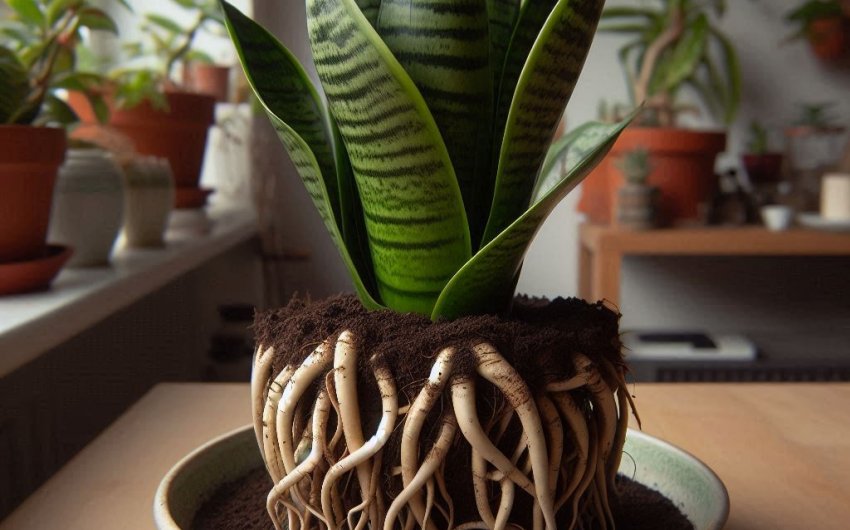
The snake plant (Sansevieria trifasciata), also known as Mother-in-Law's Tongue, is celebrated as one of the most resilient and low-maintenance houseplants available. Its striking, architectural foliage can tolerate a wide range of conditions, making it a favorite for beginners and seasoned plant enthusiasts alike. However, despite its hardiness, there's one common enemy that can quickly lead to its demise: root rot. This stealthy killer is almost always a result of overwatering. Learning how can I tell if my snake plant has root rot is the most crucial skill for keeping this robust plant healthy and vibrant.
What is Root Rot and Why Do Snake Plants Get It?
Root rot is a fungal or bacterial disease that attacks a plant's roots when they are exposed to excessive moisture and a lack of oxygen in the soil. Unlike human roots, plant roots need to "breathe" – they take in oxygen from the air pockets within the soil. When soil becomes waterlogged, these air pockets fill with water, suffocating the roots. Once starved of oxygen, the roots become weakened and susceptible to various opportunistic pathogens (fungi and bacteria) that thrive in wet conditions. These pathogens then cause the roots to decay, preventing the plant from absorbing water and nutrients, eventually leading to its decline and death.
Why Snake Plants are Susceptible
Snake plants are succulents, meaning they are adapted to dry, arid conditions and store water in their thick, fleshy leaves. Their natural environment involves infrequent rainfall and well-draining soil. This makes them highly sensitive to overwatering, as their roots simply aren't designed to sit in moist conditions for prolonged periods. Paradoxically, the very resilience of the snake plant (it can survive long periods of neglect) is often what leads to its downfall when a well-meaning owner waters it too frequently.
What Are the Early Signs of Root Rot on a Snake Plant?
Spotting root rot early on your snake plant can be challenging because its symptoms often mimic other, less severe issues. However, if you know what to look for, you can often intervene before the damage is too extensive.
Visual Cues in the Foliage
- Soft, Mushy Leaves (Especially at the Base): This is one of the most tell-tale signs. Unlike the firm, rigid leaves of a healthy snake plant, leaves affected by root rot will feel soft, spongy, or even slimy to the touch, especially near the soil line. They might feel like a wet sponge.
- Yellowing Leaves: While a single yellow leaf might be normal aging, widespread or rapid yellowing, particularly starting from the base of the plant, can indicate root rot.
- Browning or Blackening Leaves: As the rot progresses, yellow areas can turn brown or black. This browning often starts at the base of the leaf and moves upwards. The affected tissue might feel soft and waterlogged.
- Wilting or Drooping Leaves (Unusual for Snake Plants): Healthy snake plant leaves stand upright. If your leaves are drooping, leaning, or looking generally "sad" and lifeless, it's a red flag. This happens because the roots can no longer support the plant or deliver water effectively.
- Stunted Growth: If your snake plant normally puts out new growth but has suddenly stopped or is producing very small, weak leaves, it could be suffering from root rot.
Olfactory Cues (Smell)
- Foul, Musty Odor from the Soil: This is a strong indicator of severe root rot. As the roots decay, they produce a distinct, unpleasant, musty, or rotten smell, often described as similar to rotten eggs or sulfur. If you smell this coming from your pot, act immediately.
Soil Cues
- Consistently Wet Soil: If the soil stays wet for days or even weeks after watering, and especially if the top surface feels damp or mushy, it's a huge warning sign. Healthy snake plant soil should dry out thoroughly between waterings.
- Fungus Gnats: The presence of tiny black flies buzzing around your plant is a good indicator of constantly wet soil, as fungus gnats lay their eggs in damp conditions. While they don't directly cause root rot, they thrive in the same environment.
How Can I Confirm Root Rot by Inspecting the Roots?
The most definitive way to tell if your snake plant has root rot is to actually unpot the plant and inspect its roots. This might seem daunting, but it's a necessary step for an accurate diagnosis and effective treatment.
Step-by-Step Root Inspection
- Prepare Your Workspace: Lay down some newspaper or a tarp to catch loose soil. Have a clean, sharp pair of scissors or pruning shears (and rubbing alcohol to sterilize them) ready.
- Gently Remove the Plant:
- Lay the pot on its side.
- Gently slide the snake plant out of its pot. You might need to gently squeeze the sides of a plastic pot, or carefully run a knife around the inner rim of a ceramic one if it's stuck.
- Avoid pulling the plant by its leaves, as this can cause further damage. If it's very root-bound, you might need to try to pry it out.
- Shake Off Excess Soil: Gently shake or brush off as much of the old potting mix as possible to expose the roots. You might also rinse the roots under a gentle stream of lukewarm water to get a clearer view.
- Examine the Roots and Rhizomes:
- Healthy Snake Plant Roots: Will be firm, plump, and typically white, pale yellow, or light tan. They will feel somewhat rigid and healthy. The rhizomes (the thick, fleshy underground stems from which the leaves emerge) should also be firm and white/pale.
- Roots with Root Rot: Will appear mushy, soft, slimy, dark brown or black. They may easily break apart or disintegrate when gently touched or squeezed. They often have that tell-tale foul, rotten smell. The rhizomes, if affected, will also be mushy and discolored.
- Distinguish from Soil Stains: Sometimes roots might be stained by the soil, but they will still be firm. The key indicator of rot is the mushy texture and foul smell.
If a significant portion of your snake plant's roots and/or rhizomes are dark, mushy, and smelly, then your plant definitely has root rot.
How Do I Treat Root Rot on a Snake Plant?
If you've confirmed that your snake plant has root rot, don't despair! Early and decisive action can often save your plant, especially if a good portion of the rhizome is still firm.
Step-by-Step Treatment Process
- Prune Away Damaged Roots:
- Using your clean, sharp, sterilized scissors or pruning shears, carefully cut away all affected roots and rhizome sections. Cut back to healthy, firm, white tissue. If a whole leaf base is mushy, you might need to remove that entire leaf.
- Be ruthless but careful. Removing more rotten tissue is better than leaving some behind.
- Re-sterilize your tools after each cut to avoid spreading pathogens.
- Allow to Air Dry (Callus): This is a crucial step for snake plants. After pruning, allow the plant (especially the cut rhizome/root areas) to air dry for several days, or even up to a week, in a warm, dry spot away from direct sunlight. This allows the cut surfaces to form a protective callus, preventing further fungal or bacterial entry when repotted.
- Prepare a Clean Pot and Fresh Potting Mix:
- Sterilize the Old Pot: If you plan to reuse the same pot, wash it thoroughly with hot, soapy water and then disinfect it with a 10% bleach solution (1 part bleach to 9 parts water). Let it air dry completely.
- Choose a Pot with Drainage: Ensure the pot has ample drainage holes. This is non-negotiable.
- Select a Smaller Pot (If Needed): If you had to remove a lot of roots, consider moving the plant into a slightly smaller pot than before. An oversized pot holds too much soil, increasing the risk of overwatering.
- Use Well-Draining Potting Mix: Use a fresh, coarse, well-draining potting mix. A succulent/cactus mix is ideal, or you can amend a regular potting mix with extra perlite (at least 1 part perlite to 2 parts potting mix) to improve drainage. Miracle-Gro Cactus, Palm & Citrus Potting Mix is a good example.
- Repot the Snake Plant:
- Add a layer of the fresh, well-draining potting mix to the bottom of the new pot.
- Center the snake plant in the pot, ensuring the base of the plant is at the same level as it was before (or slightly higher if you had significant rot below the rhizome).
- Fill around the plant with more potting mix, gently tamping it down to remove large air pockets. Do not pack it too tightly, as this can restrict air flow.
- Delay Watering: Do NOT water immediately after repotting. Give the plant at least a week (or even two) before its first watering. This allows the roots to settle and reduces the risk of further rot.
- Provide Optimal Care Going Forward:
- Light: Place the repotted plant in an area with bright, indirect light. This encourages faster recovery.
- Water Sparingly: Resume watering only when the soil has completely dried out. For snake plants, this can mean every 3-4 weeks, or even longer in winter. When in doubt, wait. A soil moisture meter can be very helpful here.
- No Fertilizer: Do not fertilize a stressed plant recovering from root rot. Wait until you see signs of new, healthy growth.
Propagation as a "Backup Plan" (for very severe cases)
If your snake plant is severely affected with very little healthy root or rhizome left, you can attempt to propagate the healthy leaf sections.
- Cut Healthy Sections: Cut healthy, green sections of leaves into 2-inch to 4-inch pieces. Make sure you remember which end is "up" (the end closest to the original root base). You can cut a small "V" into the bottom end to increase surface area for rooting.
- Callus: Allow these cuttings to callus for several days to a week in a dry spot.
- Propagate: Insert the callused end into a well-draining potting mix or even directly into water. Rooting can take several weeks to months.
How Can I Prevent Root Rot in My Snake Plant?
Prevention is always better than cure, especially when it comes to root rot in snake plants. By understanding their specific needs, you can easily avoid this common problem.
1. Water Correctly (The Golden Rule)
- Infrequent Watering: This is the most crucial step. Only water your snake plant when the soil is completely dry. This means bone-ry. For most snake plants, this might be every 2-4 weeks in summer and even less frequently (monthly or less) in fall and winter.
- Check Soil Depth: Stick your finger 2-3 inches deep into the soil. If it feels dry, you can water. If it's still damp, wait. For larger pots, you might need to check even deeper.
- Water Thoroughly: When you do water, water deeply until water flows freely from the drainage holes. This ensures the entire root system gets moisture.
- Drain Excess Water: Never let your snake plant sit in standing water in its saucer. Always empty the saucer within 15-30 minutes after watering.
- Adjust for Seasons: Snake plants need significantly less water in winter due to lower light levels and slower growth. Reduce frequency during these months.
- Soil Moisture Meter: Invest in a soil moisture meter. It takes the guesswork out of watering and helps prevent both over and underwatering.
2. Use the Right Potting Mix
- Fast-Draining Mix: Snake plants absolutely require a fast-draining potting mix. A specialized succulent and cactus mix is ideal.
- Amend if Needed: If you're using a standard potting mix, amend it by adding extra perlite (up to 50% of the mix), coarse sand, or pumice to improve drainage and aeration.
- No Garden Soil: Never use heavy garden soil in containers; it compacts and retains too much water.
3. Choose a Pot with Excellent Drainage
- Drainage Holes are Essential: This cannot be stressed enough. A pot without drainage holes is a recipe for disaster for a snake plant.
- Material Matters:
- Terracotta/Unglazed Clay Pots: These are highly recommended for snake plants. Their porous nature allows excess moisture to evaporate through the pot walls, helping the soil dry out faster.
- Plastic/Glazed Ceramic Pots: These retain moisture longer. If you use them, be extra cautious with your watering frequency.
- Proper Size: Don't overpot your snake plant. An oversized pot holds too much soil and moisture, which can lead to root rot. Snake plants actually prefer to be slightly root-bound. Only go up one pot size when repotting.
4. Provide Adequate Light and Temperature
- Bright, Indirect Light: While snake plants are famously tolerant of low light, they prefer bright, indirect light. A plant receiving adequate light will grow more vigorously and use water more efficiently, making it less prone to root rot.
- Consistent Temperatures: Keep your snake plant in average room temperatures, generally between 65°F and 80°F (18°C-27°C). Avoid exposing them to sudden cold drafts, which can stress the plant and reduce its ability to absorb water, even if it's there.
By adhering to these fundamental care practices, you can confidently tell if your snake plant has root rot and, more importantly, prevent this common and often fatal issue. With proper watering and the right environment, your resilient snake plant will continue to thrive and bring architectural beauty to your home for many years to come.