
What Causes Brown Spots on the New Leaves of My Hoya Plant?
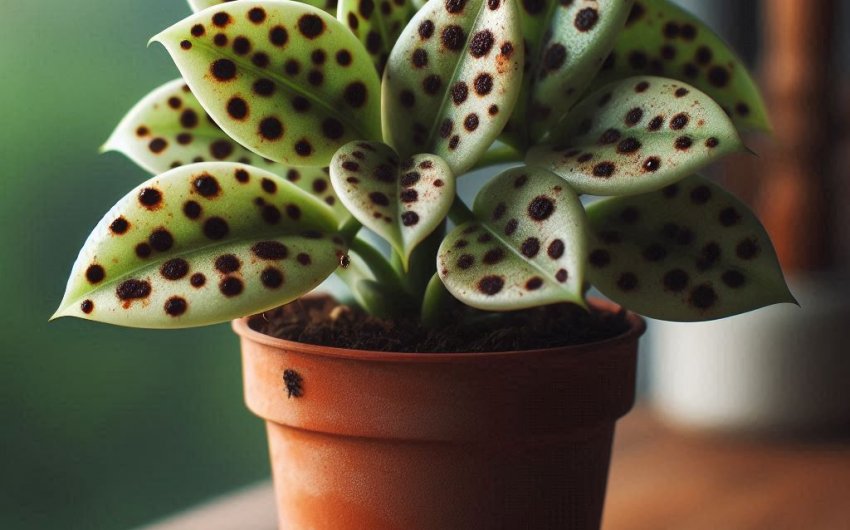
If you observe brown spots on the new leaves of your Hoya plant, it often indicates an environmental stressor or watering issue rather than a dire disease. Most commonly, it's a sign of inconsistent watering, too much direct sun, low humidity, or fungal spotting exacerbated by stagnant air or moisture, all of which can be addressed with simple care adjustments.
What Are Hoya Plants and Their General Care Needs?
Before diving into problems, understanding the basic needs of a Hoya plant provides context for diagnosing issues like brown spots on the new leaves of your Hoya plant. Hoya, also known as wax plants, are popular houseplants admired for their waxy foliage and clusters of star-shaped, fragrant flowers.
- Native Habitat: Hoyas are native to tropical and subtropical Asia and Australia, where they often grow as epiphytes (on trees) or lithophytes (on rocks) in humid environments.
- Light: They thrive in bright, indirect light. They can tolerate some direct morning sun but should be protected from harsh afternoon sun, especially in hot climates.
- Watering: As succulents/semi-succulents, Hoyas prefer to dry out between waterings. They are more forgiving of underwatering than overwatering.
- Humidity: They appreciate high humidity, mirroring their tropical origins.
- Soil: Require a well-draining, airy potting mix that prevents waterlogging.
- Pots: Prefer to be slightly root-bound and need pots with excellent drainage.
- Feeding: Light feeders; fertilize sparingly during the growing season.
- Growth Habit: Many are vining plants that benefit from support (trellis or hanging basket).
Their succulent nature makes them vulnerable to overwatering, a common culprit behind many Hoya issues, including certain types of brown spots on new leaves.
What Causes Brown Spots on the New Leaves of My Hoya Plant?
Observing brown spots on the new leaves of your Hoya plant can be concerning, but pinpointing the cause is key to recovery. Here are the most common reasons:
1. Inconsistent Watering / Overwatering
- Problem: This is by far the most frequent cause of brown spots and other issues with Hoyas. Overwatering (too much water too often) leads to oxygen deprivation in the roots, causing root rot. Inconsistent watering (letting it get bone dry, then soaking) also stresses the plant.
- Symptoms:
- Dark Brown/Black, Mushy Spots: These spots usually start at the base of the leaf or stem and spread. They feel soft and mushy to the touch. This is a classic sign of root rot, where the plant can't take up water, and the tissues collapse.
- Yellowing then Browning: Leaves might turn yellow first, then develop brown, soft spots.
- Limp or Droopy Leaves: The overall plant might look sad and limp even if the soil is wet, because the roots are no longer functioning.
- Why New Leaves: Young, tender leaves are often more susceptible to the stress caused by root issues or over-saturation, showing symptoms before older, tougher leaves.
2. Too Much Direct Sunlight (Sun Scorch)
- Problem: While Hoyas love bright light, intense, direct afternoon sun can burn their waxy leaves, especially the tender new growth.
- Symptoms:
- Crispy, Dry Brown Spots: These spots typically appear as irregular, dry, often light brown or bleached patches on the exposed parts of the new leaves. They feel crispy to the touch, not mushy.
- Reddish/Yellowish Tinge: Before browning, the leaves might develop a reddish or yellowish discoloration, especially around the edges.
- Why New Leaves: New leaves are more delicate and have not fully hardened off, making them more vulnerable to intense UV radiation.
3. Low Humidity / Dry Air
- Problem: Hoyas are tropical plants and appreciate high humidity. Very dry air can stress the plant, especially tender new growth.
- Symptoms:
- Crispy Edges/Tips: New leaves might develop dry, brown, crispy edges or tips as they struggle to retain moisture in dry air. This is more common than large brown spots, but can occur.
- Stunted Growth: Overall, the plant might have slowed or stunted new growth.
- Why New Leaves: Young leaves are actively developing and are more sensitive to rapid moisture loss in dry environments.
4. Fungal Leaf Spot Diseases
- Problem: Various fungal pathogens can cause leaf spots, often exacerbated by high humidity, poor air circulation, or water sitting on leaves for too long.
- Symptoms:
- Small, Round, Dark Spots: These spots are usually distinct, circular, often dark brown or black, and might have a yellow halo around them. They tend to be firmer than rot spots.
- Spreading: Spots can merge over time.
- Why New Leaves: New leaves are often more susceptible to fungal spores before their defenses are fully developed.
5. Nutrient Deficiencies or Excesses
- Problem: Imbalances in plant nutrients can sometimes manifest as leaf discoloration or spotting, though this is less common for brown spots specifically on new leaves than watering or light issues.
- Symptoms: Can be varied, but brown spots are less typical unless it's severe.
In most cases, if your Hoya plant has brown spots on new leaves, you should first check your watering routine and light exposure.
How to Correct Watering Issues and Address Root Rot?
Since overwatering is the leading cause of brown spots on new leaves of your Hoya plant, addressing it is crucial. This often involves inspecting and dealing with root rot.
Step 1: Stop Watering Immediately
- Assessment: Feel the soil. If it's wet or even slightly damp, do not water again until it's completely dry.
Step 2: Unpot and Inspect Roots
- Gently Remove: Carefully ease the Hoya out of its pot. If it's root-bound, you might need to gently work it out.
- Shake Off Soil: Gently remove as much old potting mix from the roots as possible. It helps to loosen it with your fingers.
- Examine Roots: Healthy Hoya roots are typically firm, white, tan, or yellowish. Roots affected by rot will be mushy, black, brown, slimy, or stringy, and may have a foul odor.
- Identify Healthy Sections: Look for any firm, healthy root sections.
Step 3: Prune Affected Roots and Leaves
- Sterilize Tools: Use clean, sharp scissors or pruning shears (Garden Pruning Shears) and sterilize them with rubbing alcohol before and after each cut.
- Cut Away Rot: Cut away all mushy, black, or smelly roots. Continue cutting until you reach healthy, firm root tissue. If the main stem or base of the plant is mushy, you may need to cut above the rot and try to propagate the healthy part.
- Remove Damaged Leaves: Prune off any leaves that are completely mushy, yellow, black, or extensively browned. Cut them close to the stem without damaging healthy tissue. These leaves will not recover.
Step 4: Allow to Callus (Crucial Step)
- Air Dry: After pruning, lay the Hoya plant (or its pruned sections) in a dry, shaded, well-ventilated area for 24-72 hours (or longer, depending on humidity and severity of cuts).
- Why Callus: This allows the cut surfaces to dry out and form a protective callus, preventing new fungal or bacterial infections when replanted. Skipping this step often leads to renewed rot.
Step 5: Repot into Fresh, Well-Draining Mix
- Choose the Right Pot: Use a clean pot with ample drainage holes. If using the same pot, clean and sterilize it thoroughly. Consider switching to a terracotta pot if you struggle with overwatering, as it allows better airflow and drying.
- Ideal Soil: Use a fresh, fast-draining potting mix specifically formulated for succulents or orchids. A good mix will often contain orchid bark, perlite (Perlite for Plants), pumice, or coco coir for aeration and drainage.
- Repot: Place a thin layer of mix at the bottom, position the callused Hoya, and fill around the roots with the new mix. Gently firm it down.
- Do NOT Water Immediately: After repotting, do not water for at least 3-7 days. This encourages the roots to grow in search of moisture and further prevents rot.
By following these steps meticulously, you give your Hoya the best chance to recover from root rot and stop the appearance of brown spots on new leaves.
How to Optimize Light and Humidity for Hoya Plants?
Proper light and humidity are vital for preventing brown spots on the new leaves of your Hoya plant caused by environmental stress.
1. Light Optimization
- Bright, Indirect Light is Key: This is the sweet spot for most Hoya varieties.
- Indoors: Place your Hoya near a south- or west-facing window that receives bright light but no harsh, direct afternoon sun. A sheer curtain can diffuse intense light. An east-facing window can also work but might be too dim for robust flowering.
- Outdoors: If moving outdoors for summer, place under a patio cover, a dappled shade tree, or on a porch where it gets bright ambient light but is shielded from direct midday sun.
- Signs of Too Much Sun (Sun Scorch): If you see dry, crispy, bleached-out or reddish-brown spots on leaves (especially new ones), accompanied by a reddish tint to the foliage, your Hoya is likely getting too much direct sun. Move it to a shadier spot.
- Signs of Not Enough Light: If new growth is leggy (long stems with widely spaced leaves), or if the plant isn't flowering, it likely needs more light. Leaves may also be paler. Gradually increase light exposure.
2. Humidity Management
- Preferred Humidity: Hoyas generally prefer moderate to high humidity (50-70%), mimicking their tropical origins.
- Signs of Low Humidity: While less common for prominent brown spots, very low humidity can cause crispy leaf edges or tips, especially on new, delicate growth. It can also stress the plant, making it more vulnerable.
- Methods to Increase Humidity:
- Pebble Tray: Place the potted Hoya on a tray filled with pebbles and water. Ensure the pot sits on the pebbles, not in the water, to prevent root rot. The evaporating water increases humidity around the plant. A Pebble Tray for Plants works well.
- Group Plants: Grouping several houseplants together creates a microclimate with higher humidity as plants transpire.
- Room Humidifier: In very dry indoor environments, especially during winter with heating, a small Room Humidifier can significantly boost humidity levels.
- Avoid Misting (Usually): While misting seems like it adds humidity, it's often temporary and can encourage fungal diseases if water sits on leaves for too long without adequate airflow. It's generally less effective than other methods for Hoyas.
- Ventilation: Ensure good air circulation, even in humid conditions, to prevent stagnant, damp air which can lead to fungal issues.
By providing consistent, bright indirect light and sufficient humidity, you create an environment where your Hoya can thrive, reducing stress and preventing brown spots on new leaves of your Hoya plant caused by environmental factors.
How to Prevent Fungal Leaf Spots and Other Diseases?
Fungal diseases can cause brown spots on the new leaves of your Hoya plant, especially when conditions are damp and stagnant. Prevention through good cultural practices is the best defense.
1. Proper Watering Practices (Revisited)
- Avoid Overhead Watering: Try to water the soil directly, avoiding splashing water onto the leaves. If you must overhead water, do it in the morning so the leaves have ample time to dry completely before nightfall.
- Good Drainage: Ensure your Hoya is always in a pot with drainage holes and a well-draining potting mix. Soggy soil is a breeding ground for root rot, which stresses the plant and makes it vulnerable to other diseases.
- Allow to Dry: Let the top few inches of soil dry out between waterings.
2. Adequate Air Circulation
- Avoid Crowding: Space your plants adequately to allow air to circulate freely around the foliage.
- Circulation Fans: If growing indoors in an enclosed space with many plants, a small oscillating fan (Small Oscillating Fan) can help keep air moving and reduce surface moisture on leaves.
- Ventilation: Ensure your growing area has good ventilation. Open windows briefly if indoor conditions are stagnant.
3. Sterilize Tools and Pots
- Cleanliness: Always use clean, sharp, sterilized pruning shears (Plant Pruning Shears) when pruning or taking cuttings.
- Sterilize Pots: If reusing old pots, clean and sterilize them with a bleach solution (1 part bleach to 9 parts water) to kill any residual pathogens before repotting.
- Fresh Potting Mix: Always use fresh, sterile potting mix for repotting.
4. Remove Infected Plant Material
- Prompt Removal: As soon as you spot any brown, mushy, or discolored leaves that might be diseased, prune them off immediately. Dispose of them in the trash, not your compost, to prevent spreading spores.
5. Consider Organic Fungicides (As a Last Resort for Active Fungal Spots)
- Cultural Practices First: Always try adjusting environmental conditions and care practices first.
- Natural Sprays: For persistent fungal spots (not rot), some gardeners use natural fungicides like a dilute solution of neem oil (Neem Oil for Plants) or a very diluted baking soda spray (1 teaspoon baking soda per quart of water with a few drops of mild soap). Test on a small area first.
- Application: Apply in the early morning or evening to ensure it has time to work without drying too quickly or causing sun damage. Ensure good air circulation after application.
By maintaining impeccable hygiene and providing optimal growing conditions, you significantly reduce the risk of fungal diseases that cause brown spots on the new leaves of your Hoya plant.
How to Promote Recovery and Long-Term Hoya Health?
Once you've diagnosed and addressed the issues causing brown spots on the new leaves of your Hoya plant, focusing on a consistent, healthy routine is key to full recovery and future vitality.
1. Patience and Observation
- Slow Recovery: Hoyas are not fast growers. Recovery from stress or root rot can take weeks or even months. Don't expect immediate results.
- New Growth is Key: The best sign of recovery will be the emergence of new, healthy, firm leaves. Older damaged leaves might not fully revert to their original state.
- Monitor: Regularly check the soil moisture, leaf firmness, and new growth to ensure your adjustments are working.
2. Consistent Watering Schedule (The Right Way)
- Stick to the "Dry Out" Rule: Continue to water only when the soil has largely dried out, typically when the top 2-3 inches feel completely dry to the touch. This prevents recurrence of overwatering issues.
- Adapt to Seasons: Remember to reduce watering frequency significantly in fall and winter when light is lower and growth slows.
3. Maintain Optimal Light and Temperature
- Stable Environment: Keep your Hoya in its ideal spot (bright, indirect light; 65-80°F). Avoid sudden changes in location or exposure to drafts/extreme temperatures.
- Seasonal Adjustments: In winter, you might need to move it to a brighter spot or provide supplemental Grow Lights for Plants if natural light is insufficient.
4. Fertilize Sparingly (Only When Healthy)
- No Fertilizer on Stressed Plants: Do not fertilize a plant that is actively recovering from stress or root rot. Fertilizers can burn damaged roots.
- Light Feeding: Once the Hoya is actively putting out new, healthy growth, you can fertilize during spring and summer (its growing season). Use a balanced, liquid fertilizer formulated for succulents or houseplants, diluted to half or even quarter strength, once every 4-6 weeks. Look for a Balanced Liquid Fertilizer.
5. Provide Support for Vining Types
- Encourage Upright Growth: For vining Hoya varieties, provide a trellis (Indoor Plant Trellis) or allow them to trail in a hanging basket. This supports healthy growth and promotes better air circulation around the foliage.
6. Consider Humidity Aids (If Dry)
- Consistent Humidity: If your environment is consistently dry, continue to use pebble trays or a humidifier to maintain higher humidity levels, especially for new, delicate growth.
By consistently applying these best practices, you empower your Hoya to recover from stress and prevent future occurrences of brown spots on its new leaves, ensuring it thrives and eventually rewards you with beautiful blooms.
FAQs About Brown Spots on Hoya Leaves
Here are common questions and answers about why your Hoya plant has brown spots on new leaves.
Can brown spots on Hoya leaves spread?
It depends on the cause.
- Fungal Leaf Spots: Yes, fungal leaf spots can spread to other leaves, especially in humid, stagnant conditions.
- Root Rot/Overwatering: The symptoms (brown, mushy leaves) are the result of an internal issue (root rot). While individual leaves may worsen, the "spread" is more about the rot progressing through the root system and affecting more leaves.
- Sun Scorch/Low Humidity: These are localized damage points and typically don't "spread" to other parts of the plant unless the environmental issue persists and affects new areas. Identifying the cause helps you know if it's "spreading."
Will the brown spots go away on their own?
Generally, no, existing brown spots on Hoya leaves will not go away on their own once they've formed.
- If the cause (like overwatering or too much sun) is addressed, the damage won't get worse, and the plant can put out new, healthy leaves.
- Severely damaged or mushy brown leaves should be pruned off as they will not recover. Crispy brown spots from sun scorch will remain, but new leaves will be unaffected if the light is corrected.
Is my Hoya dying if it has brown spots on new leaves?
Not necessarily, but it is a serious warning sign that needs immediate attention. If the brown spots are mushy and widespread, especially at the base of the plant, it could indicate severe root rot, which can be fatal if not addressed quickly. If the spots are crispy from sun scorch or isolated fungal spots, the plant is likely less severely impacted but still needs care adjustments. Act promptly to prevent further decline.
What's the ideal potting mix for Hoya plants to prevent overwatering?
The ideal potting mix for Hoya plants is fast-draining and airy, designed for succulents or orchids. Look for a mix that includes components like:
- Orchid bark (small pieces)
- Perlite (Perlite for Plants)
- Pumice
- Coarse sand
- Coco coir (not regular potting soil) A good rule of thumb is at least 50% inorganic material (like perlite or bark) mixed with a quality potting soil. This ensures rapid drainage and excellent aeration, which is crucial for preventing brown spots on new leaves of your Hoya plant caused by root rot.
Can cold temperatures cause brown spots on Hoya leaves?
Yes, exposure to cold temperatures, especially freezing temperatures, can cause brown spots or black, mushy patches on Hoya leaves. Hoya plants are tropical and very sensitive to cold. When plant cells freeze, the water inside them expands and ruptures the cell walls, leading to soft, discolored, and often collapsed tissue. If your Hoya was exposed to cold, move it to a warmer location immediately and remove any mushy, blackened leaves.
Should I fertilize my Hoya if it has brown spots?
No, you should not fertilize your Hoya plant if it has brown spots and is stressed. Fertilizing a stressed plant can further damage its roots and hinder recovery. Focus on diagnosing and correcting the underlying problem (watering, light, humidity). Once the plant has visibly recovered and is putting out new, healthy growth, you can then resume a very dilute fertilization routine during its active growing season.
How do I distinguish between sun scorch and fungal spots?
- Sun Scorch: Typically appears as dry, crispy, bleached-out, or light brown irregular patches. Often on the most exposed leaves or areas. The damage is localized and dry.
- Fungal Leaf Spots: Usually smaller, more circular spots that are dark brown or black, often with a distinct margin or yellow halo. They can be slightly sunken or raised and may feel firmer than rot. They are often associated with high humidity and poor airflow.
- Root Rot (from overwatering): Leaves are generally soft, mushy, and the browning often starts at the base or extends from the edges inwards. This is the most serious form of "brown spot" related to moisture.
By carefully observing your Hoya and understanding the specific symptoms, you can pinpoint the cause of brown spots on the new leaves of your Hoya plant and provide the correct care to help it recover.