
Why Are My Alocasia Leaves Turning Yellow and Dropping Off?
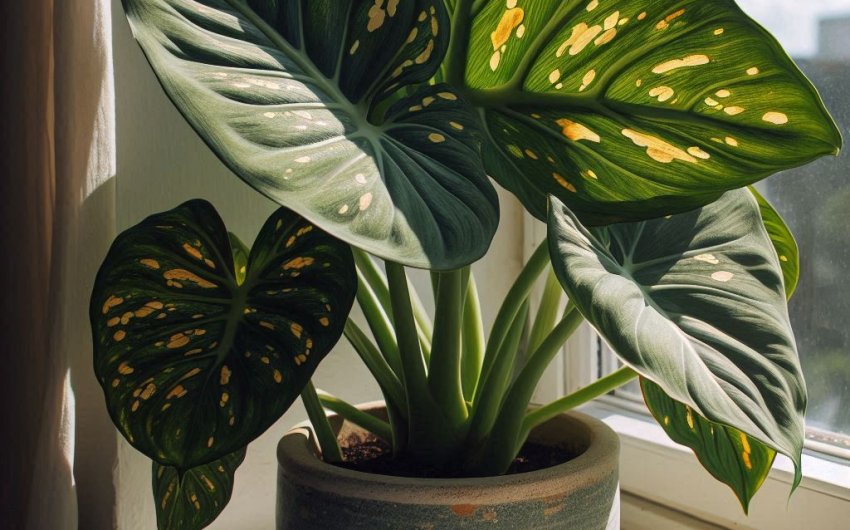
If your Alocasia leaves are turning yellow and dropping off, the most common culprits are issues with watering (either overwatering or underwatering), insufficient humidity, or a natural shedding process. Alocasias are sensitive tropical plants, so consistent environmental conditions are crucial to their health.
What Are the Most Common Watering Issues Causing Yellow Alocasia Leaves?
Watering is the single most common factor that leads to Alocasia leaves turning yellow and dropping off. Both too much and too little water can cause similar symptoms, making careful diagnosis important.
Overwatering: The Silent Killer
Overwatering is the leading cause of Alocasia yellowing leaves and subsequent drop. Alocasias have rhizomes or corms (underground stems) that are prone to rot in soggy conditions.
- Symptoms:
- Yellowing leaves: Often starting from the edges or tips, spreading inward.
- Mushy stems or petioles: The leaf stems may feel soft and squishy near the soil line.
- Stunted growth: New leaves are small or stop appearing.
- Foul odor from soil: Indicates root rot.
- Leaves turning entirely yellow, then brown/black and mushy: Advanced stages of rot.
- Dropping leaves: Leaves may detach easily.
- How it Happens:
- Too frequent watering: Watering before the soil has a chance to dry out.
- Poor drainage: Potting mix that's too dense or a pot without drainage holes.
- Pot too large: A very large pot holds too much moisture for the root system to absorb quickly.
- Solution for Overwatering:
- Stop Watering: Do not water again until the top 2-3 inches (5-7.5 cm) of soil are completely dry.
- Check Drainage: Ensure your pot has adequate drainage holes. If not, repot immediately.
- Improve Airflow: If possible, gently aerate the top few inches of soil with a chopstick.
- Inspect Roots (if severe): Gently remove the plant from its pot. If roots are brown and mushy, trim them away with sterile shears. Repot into fresh, well-draining soil. Allow the root ball to air dry for a few hours before repotting.
Underwatering: Drought Stress
While less common than overwatering for Alocasias (which are tropical), prolonged dryness can also cause distress.
- Symptoms:
- Yellowing leaves: Often starting from the lower, older leaves.
- Crispy, brown edges or tips: Leaves may feel brittle.
- Drooping leaves: Leaves may sag dramatically.
- Slow growth or no new growth.
- Soil pulling away from pot edges.
- How it Happens:
- Infrequent watering: Not watering enough or forgetting to water regularly.
- Potting mix dries too fast: A very gritty mix in a hot environment.
- Pot too small: Roots quickly use up all available moisture.
- Solution for Underwatering:
- Water Thoroughly: Water until water drains from the bottom.
- Bottom Watering (for severe cases): Place the pot in a tray of water for 10-20 minutes to allow the soil to rehydrate from the bottom up.
- Establish a Schedule: Check the soil regularly and water when the top 1-2 inches (2.5-5 cm) feel dry. Increase frequency in warmer months.
Table: Watering Issues and Symptoms
| Problem | Key Symptoms | Appearance of Yellowing | Solution |
|---|---|---|---|
| Overwatering | Mushy stems, foul odor, stunted growth | Yellowing from edges/tips, entire leaf yellow then mushy | Stop watering, check drainage, trim rotten roots |
| Underwatering | Crispy edges, drooping, soil pulling from pot | Yellowing of lower/older leaves, brittle | Water thoroughly, consider bottom watering |
How Does Humidity and Light Affect Alocasia Leaves?
Beyond watering, Alocasia leaves turning yellow and dropping off can often be traced back to environmental factors like humidity and light, as these plants hail from tropical rainforests.
Insufficient Humidity: Dry Air Stress
Alocasias are tropical plants that thrive in high humidity. Dry air is a major stressor.
- Symptoms:
- Yellowing leaf tips or edges: Often progresses to brown and crispy.
- Stunted growth: New leaves are smaller or unfurl slowly.
- Failure of new leaves to unfurl properly.
- Browning/crisping of entire leaves.
- Spider mites: Dry conditions make Alocasias more susceptible to spider mites, which also cause yellowing and stippling.
- How it Happens:
- Indoor heating/AC: Central heating and air conditioning significantly reduce indoor humidity.
- Proximity to vents: Placing plants near drafts or heating vents.
- Solution for Low Humidity:
- Humidity Tray: Place the pot on a tray filled with pebbles and water. Ensure the water level is below the bottom of the pot. A Pebble Humidity Tray can help.
- Group Plants: Grouping plants together creates a localized microclimate with higher humidity.
- Humidifier: For consistent high humidity, especially in winter, use a room humidifier near your Alocasia. A Small Room Humidifier can be very effective.
- Misting (Limited Effect): Regular misting provides only a temporary boost. It's more useful for cleaning leaves and providing a very brief humidity spike.
Incorrect Light Conditions: Too Much or Too Little
Alocasias need bright, indirect light. Extremes can cause stress.
Too Much Direct Sun: Sunburn
- Symptoms:
- Yellowing leaves: Often starting as faded, bleached yellow spots.
- Brown, crispy patches or scorched spots: Especially on the parts of the leaf facing the sun.
- Leaves may curl inward.
- How it Happens: Direct, intense sunlight (especially through a window) is too strong for their delicate leaves, which are adapted to the dappled light of a rainforest understory.
- Solution for Too Much Sun:
- Move the Plant: Relocate your Alocasia to a spot with bright, indirect light. An east- or north-facing window, or a few feet away from a south- or west-facing window, usually works well.
- Sheer Curtains: Use sheer curtains to diffuse strong sunlight.
Too Little Light: Lack of Energy
- Symptoms:
- Yellowing leaves: Often lower, older leaves turn yellow and drop as the plant sacrifices them to conserve energy.
- Leggy, stretched growth: Stems become elongated as the plant stretches for light.
- New leaves are small or fail to develop.
- Overall lack of vigor.
- How it Happens: Not enough light means the plant can't photosynthesize efficiently to support all its foliage.
- Solution for Too Little Light:
- Increase Light: Move the Alocasia to a brighter location, ideally where it receives ample bright, indirect light.
- Grow Light: Consider using a full-spectrum grow light as a supplement, especially during winter months. A LED Grow Light for Indoor Plants can provide the necessary intensity.
Is Natural Leaf Shedding a Reason for Yellow Alocasia Leaves?
Yes, sometimes Alocasia leaves turning yellow and dropping off is a completely natural process, especially for certain varieties. Understanding this normal behavior can prevent unnecessary worry.
Normal Leaf Senescence: Old Age
- Process: Alocasias, particularly those with a corm or rhizome (like Alocasia amazonica 'Polly' or Alocasia macrorrhiza), tend to grow a new leaf while an old one dies back. This is especially true for younger plants or those with fewer leaves.
- Symptoms: Typically, it will be the oldest, lowest leaf that begins to yellow, often fading evenly across the entire leaf, before turning completely yellow and eventually brown. The petiole (leaf stem) will also yellow and soften before detaching cleanly.
- Distinguishing from Problems: If only one old leaf is yellowing and a new one is actively unfurling, and the rest of the plant looks healthy, this is likely normal. If multiple leaves are yellowing rapidly, or new leaves also look unhealthy, it's a problem.
- Action: Allow the leaf to fully yellow and dry before gently pulling it off or cutting it cleanly at the base of the petiole. The plant is reabsorbing nutrients from the old leaf.
Dormancy: A Winter Rest
Some Alocasia varieties (especially outdoor species or those grown in less ideal indoor conditions) can enter a period of dormancy during winter or colder, darker months.
- Symptoms: All or most of the leaves may yellow, droop, and die back. This is a survival mechanism. The plant is storing energy in its corm/rhizome.
- How to Handle Dormancy:
- Reduce Watering: Significantly reduce watering. Water only enough to keep the soil from completely drying out.
- Stop Fertilizing: Do not fertilize during dormancy.
- Provide Light: Even dormant plants appreciate some light.
- Patience: Wait for spring, when warmer temperatures and increased light will signal the corm to sprout new growth.
Table: Natural Leaf Shedding vs. Problematic Yellowing
| Factor | Natural Leaf Shedding | Problematic Yellowing |
|---|---|---|
| Leaves Affected | Oldest, lowest leaf (usually one at a time) | Multiple leaves, new leaves, or specific patterns |
| New Growth | A new leaf is actively unfurling | Stunted or no new growth, unhealthy new leaves |
| Speed | Gradual yellowing, takes days to weeks | Rapid yellowing, sudden onset |
| Stem Condition | Petiole yellows, dries, detaches cleanly | Petiole mushy, soft, possibly black |
| Plant Health | Overall plant looks healthy and firm | Plant looks generally unwell, drooping, mushy |
What Are Other Potential Causes for Yellow Alocasia Leaves?
While watering, humidity, and natural shedding cover most cases, other factors can cause Alocasia leaves to turn yellow and drop off.
Nutrient Deficiencies: Not Enough Food
Over time, or if using a poor quality potting mix, your Alocasia may develop nutrient deficiencies.
- Nitrogen Deficiency:
- Symptoms: General yellowing of older leaves, starting from the tips and moving inward. The whole leaf may appear pale green or yellow.
- Cause: Lack of nitrogen in the soil.
- Solution: Use a balanced liquid houseplant fertilizer during the active growing season. A Balanced Liquid Houseplant Fertilizer can help.
- Magnesium Deficiency:
- Symptoms: Yellowing between the veins of older leaves, while the veins themselves remain green ("interveinal chlorosis").
- Cause: Lack of magnesium.
- Solution: Apply Epsom salts (magnesium sulfate). Dissolve 1 tablespoon in 1 gallon of water and use as a soil drench or foliar spray.
Pest Infestations: Sap-Sucking Damage
Pests can weaken your Alocasia, leading to yellowing leaves.
- Spider Mites:
- Symptoms: Tiny yellow stippling (dots) on leaves, often on the undersides. Fine webbing may be visible in severe infestations. Leaves turn yellow, then brown.
- Solution: Increase humidity. Spray plants thoroughly with insecticidal soap or neem oil, ensuring complete coverage (especially undersides of leaves). Repeat every 5-7 days. A Neem Oil for Houseplants is an effective organic option.
- Mealybugs/Aphids:
- Symptoms: Sticky honeydew residue, white cottony masses (mealybugs) or small green/black/brown insects (aphids) on stems and leaf axils. Leaves may yellow and distort.
- Solution: Wipe off with a cotton swab dipped in rubbing alcohol. Spray with insecticidal soap.
Temperature Stress: Too Cold or Too Hot
Alocasias are sensitive to extreme temperatures.
- Cold Drafts/Temperatures:
- Symptoms: Leaves may yellow, turn black, or become mushy.
- Cause: Proximity to cold windows, open doors, or cold air conditioning vents.
- Solution: Move the plant to a warmer location, away from drafts. Maintain temperatures generally above 60°F (15°C).
- Excessive Heat:
- Symptoms: Leaves may scorch, turn yellow, or droop dramatically if humidity is also low.
- Cause: Too close to a heat source or direct afternoon sun without adequate humidity.
- Solution: Move the plant to a slightly cooler spot, increase humidity.
Pot Size: Root Bound or Too Large
- Root Bound:
- Symptoms: Stunted growth, rapid drying of soil, yellowing of older leaves. Roots may be circling at the bottom of the pot.
- Solution: Repot into a slightly larger pot (only 1-2 inches bigger in diameter) during the growing season.
- Pot Too Large:
- Symptoms: Soil stays wet for too long, leading to yellowing leaves and root rot (similar to overwatering).
- Solution: Repot into a smaller pot with fresh, well-draining soil.
By systematically troubleshooting these potential issues, from the most common watering problems to more subtle environmental stressors, you can diagnose why your Alocasia leaves are turning yellow and dropping off and take the necessary steps to restore your beautiful plant to health.