
How to Treat Mealybugs on My Indoor Rubber Plant?
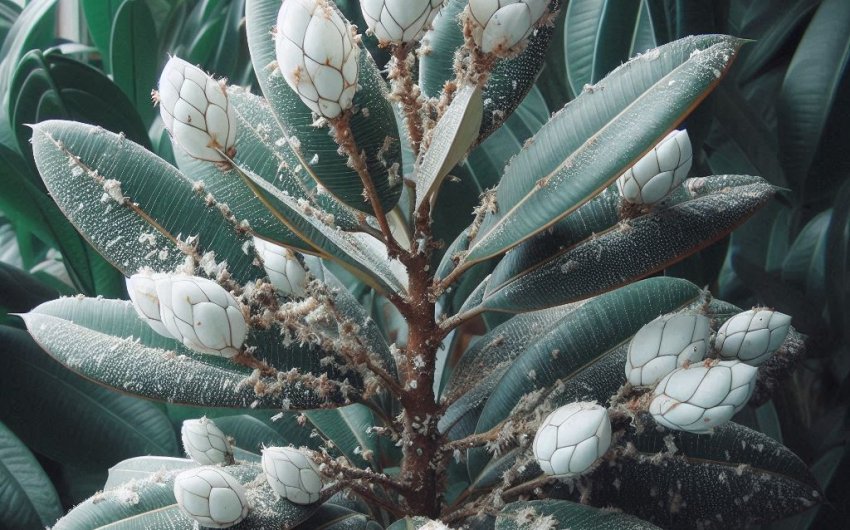
To treat mealybugs on your indoor Rubber Plant, begin by immediately isolating the affected plant and physically removing as many visible pests as possible using rubbing alcohol on cotton swabs. Follow up with thorough applications of insecticidal soap or neem oil to eliminate hidden pests and their nymphs, repeating treatments consistently until the infestation is gone.
What Exactly Are Mealybugs and Why Are They a Problem?
Mealybugs are tiny, soft-bodied insects that belong to the family Pseudococcidae, and they are a common and persistent pest for indoor plants, including your Rubber Plant. Understanding what they are and their life cycle is the first step in learning how to treat mealybugs effectively.
Appearance and Behavior:
- Distinctive Look: Mealybugs are easily identified by their white, cottony, or fuzzy appearance. This waxy, powdery coating helps protect them from predators and some chemical sprays.
- Size: They are typically very small, ranging from 1/16 to 1/4 inch (1.5 to 6 mm) long.
- Location: They tend to congregate in protected areas on plants:
- Where leaves meet stems (leaf axils).
- On the undersides of leaves.
- Along stems.
- In crevices or tight spots.
- Sometimes, even on roots (root mealybugs).
- Movement: Adult female mealybugs are mostly stationary once they settle down to feed, appearing like tiny bits of white fluff. Males are winged and much smaller, rarely seen. Nymphs (young mealybugs) are more mobile.
How They Damage Plants:
Mealybugs are sap-sucking insects. They insert their needle-like mouthparts into plant tissue and feed on the plant's sap, which is its lifeblood.
- Stunted Growth: Continuous sap feeding weakens the plant, leading to stunted growth, distorted leaves, and overall decline.
- Yellowing Leaves: Affected leaves may turn yellow and eventually drop.
- Wilting: Severe infestations can cause the plant to wilt.
- Honeydew Production: As they feed, mealybugs excrete a sticky, clear substance called honeydew. This honeydew creates several problems:
- Sooty Mold: Honeydew provides a perfect breeding ground for sooty mold, a black, powdery fungus that grows on the sticky residue. While sooty mold itself doesn't directly harm the plant, it blocks sunlight from reaching the leaves, reducing photosynthesis and impacting the plant's ability to create energy.
- Attracts Ants: Ants are attracted to honeydew and will "farm" mealybugs, protecting them from predators in exchange for this sweet treat. If you see ants on your indoor plant, it's a strong indicator of a honeydew-producing pest.
Life Cycle and Persistence:
- Rapid Reproduction: Female mealybugs lay hundreds of eggs in white, cottony masses (ovisacs), often hidden in crevices. These eggs hatch into nymphs, which are mobile and quickly spread.
- Multiple Generations: Mealybugs can have multiple overlapping generations throughout the year, making consistent treatment crucial for eradication.
- Hidden Pests: Their waxy coating and tendency to hide make them difficult to spot and eliminate entirely with a single treatment.
Knowing these characteristics is crucial for accurately identifying mealybugs on your Rubber Plant and understanding why a multi-step, persistent approach is necessary to eliminate them.
What Are the Immediate First Steps to Take?
When you discover mealybugs on your indoor Rubber Plant, immediate action is crucial to contain the infestation and begin the treatment process. Swift action minimizes spread and improves your chances of success. This is step one in how to treat mealybugs effectively.
Step 1: Isolate the Infected Plant
- Prevent Spread: The very first thing you must do is immediately move your affected Rubber Plant away from all other houseplants. Mealybugs can quickly crawl or be carried (by air currents, shared tools, or even your hands) to neighboring plants, turning a small problem into a widespread infestation.
- Dedicated Space: Place it in a separate room or at least a few feet away from other plants until the infestation is completely under control.
Step 2: Physical Removal of Visible Mealybugs
- Best Initial Defense: Physical removal is incredibly effective, especially for light to moderate infestations.
- Gather Supplies: You'll need:
- Rubbing Alcohol (Isopropyl Alcohol 70%): This is a key tool. It dissolves the waxy coating of the mealybug, dehydrating and killing it on contact.
- Cotton Swabs or Cotton Balls: For applying the alcohol.
- Soft Cloth or Paper Towels: For wiping leaves.
- Bowl of Soapy Water: To drown removed pests.
- Methodical Inspection and Removal:
- Examine Thoroughly: Carefully inspect every part of your Rubber Plant: the tops and undersides of all leaves, along the stems, in leaf axils (where the leaf meets the stem), and even the rim and top layer of soil if you suspect any have fallen or are trying to hide. Pay extra attention to new growth, as mealybugs love tender tissue.
- Swab and Wipe: Dip a cotton swab or cotton ball in rubbing alcohol. Gently touch each visible mealybug and its cottony egg sac. The alcohol will dissolve the waxy coating and kill the pest. Wipe them off the plant.
- Wipe Down Leaves: For plants with large, sturdy leaves like the Rubber Plant, you can also use a soft cloth dipped in a diluted rubbing alcohol solution (e.g., 1 part alcohol to 1-2 parts water) to wipe down all leaf surfaces, both top and bottom. This removes honeydew and any small, invisible nymphs.
- Repeat Daily/Every Other Day: This initial physical removal should be done daily or every other day for the first week or so. Mealybugs are masters of hiding, and you will likely miss some on the first pass.
Step 3: Prune Heavily Infested Areas (If Necessary)
- Severe Damage: If any leaves or stems are heavily infested and appear severely damaged, or if they are just too difficult to clean manually, it's often best to prune them off.
- Sterilize Tools: Use sharp, clean pruning shears or scissors. Sterilize them with rubbing alcohol before and after each cut to prevent spreading pests or diseases.
- Discard Safely: Immediately discard pruned plant material into a sealed bag and remove it from your home to prevent any mealybugs from escaping.
By taking these immediate and thorough first steps, you significantly reduce the mealybug population on your Rubber Plant and set the stage for more comprehensive treatment.
What Organic Sprays Are Effective Against Mealybugs?
After the initial physical removal, applying an organic spray is the next crucial step in how to treat mealybugs on your indoor Rubber Plant. These sprays work by suffocating the pests or disrupting their life cycle, without harming your plant or introducing harsh chemicals to your home.
1. Insecticidal Soap
- How it Works: Insecticidal soap is a contact killer. It disrupts the mealybug's cell membranes, effectively suffocating and dehydrating them. It's non-toxic to plants (when used correctly) and generally safe for pets and humans once dry.
- Preparation: You can use a commercial insecticidal soap product or make your own:
- Commercial: Follow package directions carefully. Safer Brand Insect Killing Soap
- DIY: Mix 1-2 teaspoons of mild liquid dish soap (avoid harsh detergents or degreasers, which can damage plants) with 1 liter (about 4 cups) of water.
- Application:
- Test Spot: Always test the spray on a small, inconspicuous part of your Rubber Plant first and wait 24 hours to ensure there's no adverse reaction.
- Thorough Coverage: Spray the entire plant thoroughly, ensuring complete coverage of all leaf surfaces (top and bottom), stems, and especially those hidden nooks and crannies where mealybugs hide. Drench the plant until it's dripping.
- Repeat: Insecticidal soap only kills on contact and has no residual effect. You must repeat applications every 5-7 days for 2-4 weeks to catch newly hatched nymphs.
- Considerations: Works best on smaller, soft-bodied insects. May leave a residue on leaves that can be wiped off after a few hours or a day.
2. Neem Oil
- How it Works: Neem oil is derived from the neem tree. It acts as an antifeedant (makes pests stop eating), a growth regulator (disrupts their life cycle, preventing molting and reproduction), and an ovicide (can affect eggs). It's more systemic than insecticidal soap, offering some residual protection.
- Preparation: Use a cold-pressed neem oil product mixed with water and a small amount of mild liquid dish soap (as an emulsifier, to help the oil mix with water). Follow package directions for ratios.
- Application:
- Test Spot: Always test first.
- Thorough Coverage: Spray the entire plant thoroughly, just like with insecticidal soap. Ensure coverage of all surfaces.
- Repeat: Apply every 7-10 days for 2-4 weeks or until the infestation is gone. Consistency is vital for breaking the mealybug life cycle.
- Considerations:
- Photosensitivity: Apply in low light conditions (early morning or evening) to avoid leaf burn, especially for plants with sensitive leaves or if your Rubber Plant gets direct sun.
- Odor: Pure neem oil can have a strong odor that dissipates after drying.
- Purity: Ensure you're buying pure, cold-pressed neem oil for gardening, not cosmetic neem oil. Garden Safe Neem Oil Extract Concentrate
Key Application Tips for All Sprays:
- Spray Heavily: Don't just mist. You need to thoroughly drench the plant.
- Don't Forget Underneath: Mealybugs love to hide on the undersides of leaves and in crevices.
- Treat the Pot & Soil Surface: Lightly spray the rim of the pot and the very top layer of soil, as some pests or eggs may be hiding there.
- No Chemicals: Never use chemical pesticides designed for outdoor use on indoor plants. They can be harmful to you, your pets, and the plant itself.
Combining physical removal with consistent organic sprays is a highly effective strategy for learning how to treat mealybugs and getting your Rubber Plant healthy again.
Should I Consider Horticultural Oil?
Horticultural oil is another effective organic spray option for treating mealybugs on your indoor Rubber Plant, particularly useful for its smothering action. It functions differently from insecticidal soap or neem oil, though it shares some similarities.
What is Horticultural Oil?
- Composition: Horticultural oils are refined petroleum-based or plant-based oils (like mineral oil, cottonseed oil, or paraffinic oil) that have been highly refined to remove impurities that could harm plants. They are typically mixed with water to create an emulsion.
- How it Works: Horticultural oils kill insects by smothering them. When the oil spray coats the mealybug, it blocks their breathing pores (spiracles), causing them to suffocate. It's a physical mode of action, so pests cannot develop resistance.
Benefits of Horticultural Oil for Mealybugs:
- Effective Against All Life Stages: It can smother adult mealybugs, nymphs, and even eggs within their waxy protective coating.
- No Chemical Residue: Once the oil dries, it generally leaves no toxic residue, making it safer for indoor use than synthetic pesticides.
- Minimal Harm to Beneficials (if used outdoors): If used outdoors, it poses less risk to beneficial insects than broad-spectrum insecticides, as it only kills on contact and dissipates. (This is less relevant for indoor plants as beneficial insects are rarely present).
Application Tips for Horticultural Oil:
- Dilution: Always follow the specific mixing instructions on the product label. Concentrates vary. Bonide All Seasons Horticultural and Dormant Spray Oil
- Test Spray: Crucial step. Spray a small, inconspicuous leaf or area of your Rubber Plant and wait 24-48 hours. Some plants can be sensitive to oil, especially if stressed, dehydrated, or under strong light.
- Thorough Coverage: Like other sprays, complete coverage is essential. Spray until the plant is dripping, ensuring you hit the undersides of leaves, leaf axils, and all stem surfaces.
- Timing: Apply when temperatures are moderate (not too hot or too cold) and humidity is not excessively high. For indoor plants, avoid spraying in direct, intense sunlight, as the oil can magnify sunlight and cause leaf burn. Early morning or evening is best.
- Repeat Applications: Horticultural oils have no residual effect once dry. You will need to repeat applications every 7-10 days for several weeks (2-4 treatments usually) to catch newly hatched nymphs.
- Pre-Watering: Ensure your plant is well-hydrated before spraying with horticultural oil. A dehydrated plant is more susceptible to phytotoxicity (plant damage).
Considerations/Precautions:
- Potential for Phytotoxicity: While refined, some plants can be sensitive, leading to leaf discoloration or wilting. Always test first.
- Dusty Plants: Avoid spraying very dusty plants, as the oil can adhere to dust and unevenly coat leaves, leading to issues. Wipe down leaves before spraying if dusty.
- Not for Hairy Leaves: Plants with very hairy leaves can react poorly to horticultural oils, as the oil gets trapped and suffocates leaf cells. (Not an issue for Rubber Plants).
- Odor: Some horticultural oils can have a slight odor.
Horticultural oil is a valuable tool in your arsenal for how to treat mealybugs, especially for stubborn infestations, offering a robust organic solution.
How Do You Treat Mealybugs in the Soil (Root Mealybugs)?
While most mealybugs are found on the visible parts of your Rubber Plant, a more insidious problem can occur: root mealybugs. These pests live in the soil, feeding on plant roots, and can be much harder to detect and eliminate. Knowing how to treat mealybugs below the soil line is crucial for a complete eradication.
Identifying Root Mealybugs:
- Subtle Symptoms: The above-ground symptoms can be vague: stunted growth, yellowing leaves, overall decline, or a plant that just isn't thriving despite good care.
- Visible Clues:
- White, Powdery Substance: When you remove the plant from its pot, you might see small, white, cottony masses clinging to the roots or the inside of the pot.
- Tiny White Bugs: Very small, rice-grain-sized white bugs moving around in the soil or on roots.
- Ants in Soil: Ants can "farm" root mealybugs for their honeydew, so ants crawling out of drainage holes are a big red flag.
Step 1: Isolate and Unpot the Plant
- Immediate Isolation: As with any pest, isolate the affected Rubber Plant immediately.
- Remove from Pot: Gently remove the plant from its pot. Discard the old soil entirely. Do NOT reuse this soil, as it will be infested.
- Clean the Pot: Thoroughly wash the empty pot with hot, soapy water (or a dilute bleach solution), scrub it well, and rinse thoroughly to kill any remaining pests or eggs before reusing.
Step 2: Wash and Inspect Roots
- Rinse Thoroughly: Take the plant (without soil) to a sink and gently but thoroughly rinse the entire root ball under lukewarm running water. Use your fingers to gently separate and wash away all old soil and any visible root mealybugs or their cottony masses.
- Inspect Closely: After rinsing, carefully examine the roots. Healthy roots are typically firm and white/tan. Rotted roots are mushy and brown/black. Any remaining white, fuzzy patches are likely root mealybugs.
Step 3: Treat the Roots and Repot
- Rubbing Alcohol Dip (for severe cases): For a severe infestation, you can quickly dip the entire root ball into a diluted rubbing alcohol solution (e.g., 1 part 70% isopropyl alcohol to 1 part water) for a few seconds. This is quite stressful for the roots, so ensure good air circulation afterward.
- Neem Oil Drench (Less Stressful): A less harsh method is to drench the root ball in a diluted neem oil solution (mixed according to label instructions). Allow it to soak for a few minutes.
- Hydrogen Peroxide Soak (for Mild Cases/Prevention): For mild cases, or as a preventative measure for newly purchased plants, a 3% hydrogen peroxide solution (1 part hydrogen peroxide to 4 parts water) can be used to drench the root ball. It helps kill some pathogens and adds oxygen to roots, but won't be as effective on an established infestation.
- Allow to Dry: After any liquid treatment, allow the root ball to air dry for several hours or overnight in a well-ventilated area until the roots feel mostly dry to the touch. This prevents root rot in the new soil.
- Repot: Repot the Rubber Plant into a clean pot with fresh, sterile, well-draining potting mix. Do not reuse the old soil or unsterilized pots.
Step 4: Follow-Up and Prevention
- Top Drench: After repotting, wait a few days, then perform a preventative drench of the newly potted soil with a diluted neem oil solution. This can help deter any remaining or newly hatched pests. Repeat this drench every 2-3 weeks for several months.
- Sticky Traps: Place yellow sticky traps on the soil surface to catch any emergent adult mealybugs (though these are rare) or other flying pests that might indicate underlying soil issues.
- Beneficial Nematodes: For persistent root mealybug problems, consider introducing beneficial nematodes (Steinernema feltiae), which are microscopic worms that attack soil-dwelling pests. Beneficial Nematodes for Fungus Gnats
- Quarantine New Plants: Always quarantine new plants for several weeks before introducing them to your collection to prevent introducing root mealybugs (or any other pests).
Treating root mealybugs requires a more invasive approach, but it's essential for the long-term health of your Rubber Plant. Persistence and thoroughness are key.
What is the Importance of Consistent Follow-Up Treatments?
Successfully learning how to treat mealybugs on your indoor Rubber Plant doesn't end with a single application. The importance of consistent follow-up treatments cannot be overstated. This is because of the mealybug's life cycle and their ability to hide.
Why One Treatment Is Never Enough:
- Life Cycle Stages: Mealybugs exist in various life stages: eggs, nymphs, and adults.
- Eggs: Are often laid in hidden, waxy ovisacs and are quite resistant to sprays. A single spray usually won't penetrate and kill all eggs.
- Nymphs: Are mobile and more vulnerable, but often tiny and easily missed in an initial inspection.
- Adults: While adult females are relatively stationary, some may have been missed or re-emerge from hidden spots.
- Hatching Over Time: Eggs don't all hatch at once. Nymphs can continue to emerge over a period of 1-3 weeks (or even longer, depending on species and environmental conditions). If you only treat once, you'll kill the adults and visible nymphs, but then a new wave will hatch, and the infestation will quickly return.
- Hidden Pests: Mealybugs are masters of hiding. They tuck themselves into leaf axils, between tightly packed leaves, under bark, on the undersides of leaves, and even down in the soil (root mealybugs). It's nearly impossible to kill every single pest with one application.
- Waxy Coating: Their protective waxy coating makes them somewhat resistant, requiring thorough drenching and repeated attempts to penetrate it effectively.
The Follow-Up Schedule:
To effectively break the mealybug life cycle and achieve complete eradication, a consistent follow-up schedule is vital.
- Initial Intensive Phase (Weeks 1-3):
- Physical Removal: Continue daily or every-other-day inspections and manual removal with alcohol swabs for the first week or so.
- Organic Spray: Apply your chosen organic spray (insecticidal soap, neem oil, or horticultural oil) every 5-7 days for at least 2-3 weeks. This ensures you kill newly hatched nymphs before they mature and lay new eggs.
- Maintenance Phase (Weeks 4-8, and beyond):
- Reduced Frequency: If no new mealybugs are visible after the initial intensive phase, you can reduce the spray frequency to every 10-14 days.
- Vigilant Inspection: Even if you don't see them, continue to inspect your Rubber Plant very closely during each follow-up. They are excellent hiders.
- Extend Treatment: Continue treatments for at least a month after you see the last visible mealybug. This ensures you've caught any stragglers or late-hatching eggs.
- Long-Term Monitoring: Even after the infestation seems gone, make it a habit to routinely inspect your Rubber Plant (and all your other houseplants) every week or two during normal care. Catching a new infestation early is always easier.
Benefits of Consistency:
- Complete Eradication: The most effective way to eliminate mealybugs permanently.
- Breaks Life Cycle: Prevents new generations from emerging and re-infesting your plant.
- Saves Your Plant: Prevents long-term damage and stress to your Rubber Plant.
Think of it like a course of antibiotics; you wouldn't stop taking them just because you feel a little better. Similarly, you must complete the full course of mealybug treatment to ensure they are truly gone and your Rubber Plant can thrive.
How Can You Prevent Future Mealybug Infestations?
Once you've successfully learned how to treat mealybugs on your indoor Rubber Plant, the next crucial step is implementing proactive prevention strategies. Preventing future infestations is far easier than battling established ones and ensures your plants stay healthy and pest-free.
1. Quarantine New Plants:
- Golden Rule: This is the absolute most important preventative measure. Any new plant you bring into your home, regardless of where it came from (nursery, friend, big box store), should be isolated from your existing plant collection for at least 2-4 weeks.
- Quarantine Area: Place the new plant in a separate room, a designated shelf, or even a different part of the house.
- Thorough Inspection: During the quarantine period, carefully inspect the new plant daily for any signs of pests (mealybugs, spider mites, aphids, etc.) on leaves, stems, and even the soil surface.
- Action: If you spot any pests, treat the new plant immediately and thoroughly before it joins your collection.
2. Regular Plant Inspection:
- Routine Checks: Make it a habit to inspect all your houseplants regularly, ideally once a week, as part of your normal watering or dusting routine.
- Focus Areas: Pay special attention to common hiding spots for mealybugs: leaf axils, undersides of leaves, new growth, and crevices.
- Early Detection: Catching an infestation early, when there are only a few pests, is much easier to manage than a full-blown outbreak.
3. Maintain Optimal Plant Health:
- Stress Management: Healthy plants are naturally more resistant to pests. A stressed plant (due to improper watering, light, or nutrients) is an open invitation for pests.
- Proper Care: Provide your Rubber Plant (and all other plants) with:
- Adequate light (bright, indirect).
- Proper watering (allowing soil to dry out between waterings).
- Well-draining soil and pots with drainage holes.
- Appropriate humidity levels (good air circulation).
- Balanced fertilization during growing season.
4. Cleanliness and Hygiene:
- Wipe Down Leaves: Periodically wipe down your Rubber Plant's leaves (tops and bottoms) with a damp cloth. This removes dust, which can make it harder to spot pests, and also removes any invisible pest eggs or nymphs.
- Clean Tools: Sterilize your pruning shears, watering cans, and other gardening tools regularly, especially if you've used them on an infected plant.
- Remove Debris: Promptly remove any fallen leaves or plant debris from the pot and surrounding area. These can be hiding spots for pests.
5. Consider Preventative Organic Sprays (Infrequent):
- Neem Oil: For plants that are particularly prone to pests, or if you've had a history of infestations, a very light, diluted preventative spray of neem oil every month or two can help deter pests before they establish. This is optional and should be done sparingly.
- Insecticidal Soap: Can be used as a general "clean-up" spray on occasion.
6. Watch for Ants:
- Ants = Honeydew = Pests: If you see ants crawling on your indoor plants, it's a strong indicator that you likely have honeydew-producing pests (like mealybugs, aphids, or scale). Ants protect these pests. Follow the ant trail to find the pest source.
By diligently practicing these preventative measures, you significantly reduce the risk of future mealybug infestations and keep your indoor Rubber Plant healthy and beautiful.