
Why Are My Spider Plant Babies Growing Slowly?
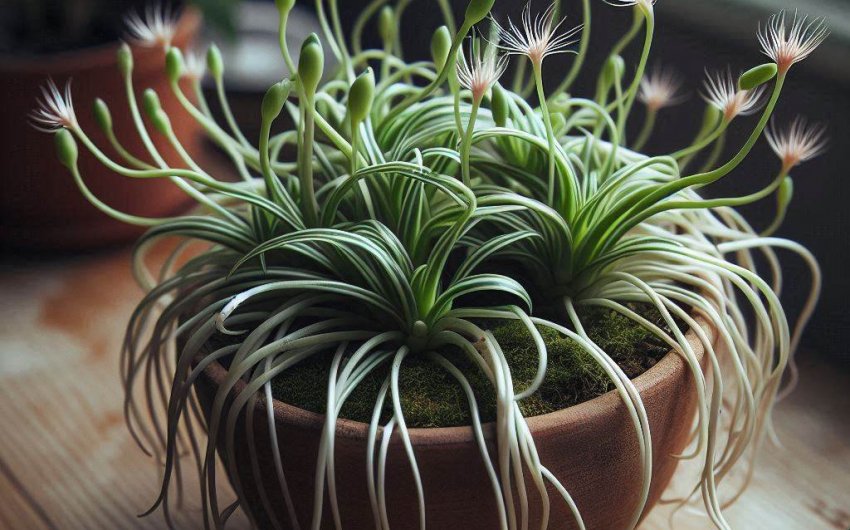
Your spider plant babies are growing slowly likely due to insufficient light, improper watering, or nutrient deficiencies, which are common issues when propagating or establishing new plantlets. Ensuring optimal environmental conditions and proper care is key to encouraging faster, healthier growth.
Why are Spider Plant Babies So Popular?
Spider plant babies, also known as spiderettes or plantlets, are a charming and readily available source of new plants, making the spider plant itself one of the most popular houseplants globally. Their ease of propagation is a major draw.
What Makes Spider Plant Babies So Appealing?
- Easy Propagation: Spider plant babies are nature's gift for propagation. They readily form roots in water or soil, making it incredibly simple for even beginner plant parents to create new plants.
- Cost-Effective Expansion: You get new plants for free! Instead of buying more spider plants, you can multiply your collection indefinitely from a single healthy mother plant.
- Natural Air Purifiers: Spider plants are well-known for their air-purifying qualities, removing common indoor toxins like formaldehyde and xylene. More plants mean more clean air.
- Aesthetic Appeal: The arching leaves and cascading plantlets create a graceful, attractive display, especially in hanging baskets.
- Gift-Giving Potential: Rooted spider plant babies make excellent, thoughtful, and inexpensive gifts for friends and family, perfect for sharing the joy of gardening.
- Low Maintenance for Adults: The mature spider plant is generally robust and forgiving, making it ideal for busy individuals or those new to houseplants.
- Visual Growth: Watching the little spiderettes develop roots and grow into full plants is a very rewarding and engaging experience.
- A Continuous Supply: A healthy mother plant will continually produce new babies, ensuring you always have new plants to propagate or share.
What is Normal Growth for Spider Plant Babies?
Understanding what constitutes "normal" growth for spider plant babies is the first step in diagnosing why yours might be growing slowly. Their development follows a fairly predictable timeline.
Typical Growth Stages and Timelines
- Rooting in Water:
- Initial Root Formation: When placed in water, you should typically see small white roots begin to emerge from the base of the spiderette within 1-2 weeks.
- Root Development: Over the next 2-4 weeks, these roots should lengthen and branch out, becoming a network of healthy, white roots, usually 1-2 inches long, before transplanting to soil.
- Overall Time to Root: 2-6 weeks total for robust water roots.
- Rooting in Soil (Directly Planted):
- Initial Root Formation: Roots might take slightly longer to establish compared to water, usually within 3-4 weeks.
- Visual Cues: You won't see the roots, but you'll know they're forming when the plantlet feels firmly anchored if gently tugged, and new leaf growth begins.
- Overall Time to Root: 3-8 weeks to establish.
- Post-Transplant/Post-Rooting Growth:
- Adjustment Period: After transplanting a water-rooted baby to soil, or after initial rooting directly in soil, there's usually a short adjustment period (1-2 weeks) where visible growth slows as the roots adapt to the new medium.
- Active Leaf Growth: Once established, a healthy spider plant baby should start pushing out new leaves from its center.
- Typical Growth Rate: During the growing season (spring and summer), new leaves can emerge every 1-2 weeks, and the plantlet will visibly increase in size. In ideal conditions, it can become a small, established plant ready for a larger pot within 2-3 months.
- Slower in Dormancy: Growth naturally slows down significantly in fall and winter due to lower light and cooler temperatures. This is normal and not a sign of a problem.
What is "Slow Growth?"
If your spider plant babies are growing slowly, it means:
- Roots are not forming or are growing very slowly in water (taking more than 4-6 weeks for initial nubs).
- Transplanted babies show no new leaf growth after 3-4 weeks.
- The plantlets remain consistently small and stunted even after establishment, especially during the active growing season.
Understanding these benchmarks helps you determine if your babies are truly slow or just following their natural course.
Why Are My Spider Plant Babies Not Rooting in Water?
If your spider plant babies are growing slowly or not rooting at all in water, it's often due to issues with the cutting itself or the water environment. Address these common problems for successful water propagation.
Common Reasons for Slow or No Rooting in Water
- Improper Cutting Preparation (No Node or Too Small):
- Problem: The cutting doesn't have a visible "node" (the small bump on the stem where roots emerge) or is too small/young.
- Solution: Ensure your spiderette has at least a small stem or is a fully developed plantlet with some leaves. Look for the tiny root nubs already present on the stem. Remove any old, yellowing leaves from the very base to expose the rooting area.
- No Bare Stem in Water:
- Problem: All the leaves are submerged, or the cutting isn't touching the water at all.
- Solution: Gently remove enough lower leaves so that the base of the stem (where roots will grow) is submerged in water, but the leaves remain above the water line.
- Water Quality or Freshness:
- Problem: Stagnant, dirty, or highly chlorinated water.
- Solution: Change the water every 3-5 days, or whenever it looks cloudy. If your tap water is heavily chlorinated, let it sit out for 24 hours before using, or use filtered water. Fresh, oxygenated water is vital.
- Lack of Light (Indirect is Best):
- Problem: The cutting is in a dark corner. While it doesn't need direct sun, some light is needed for energy to produce roots.
- Solution: Place the propagation container in a spot with bright, indirect light. A bright windowsill or under a grow light works well. Avoid direct, scorching sun.
- Temperature Extremes:
- Problem: Water is too cold or too hot.
- Solution: Maintain a consistent room temperature, ideally between 65-75°F (18-24°C). Roots often develop faster with slightly warmer temperatures.
- "Cooked" Cuttings (Overheating):
- Problem: Direct sunlight can heat the water in the jar, effectively cooking the roots or cutting, especially in glass containers.
- Solution: Always keep water propagating cuttings out of direct, intense sunlight.
- Parent Plant Health:
- Problem: The spiderette came from a stressed, nutrient-deficient, or diseased mother plant.
- Solution: Ensure the parent plant is healthy and thriving before taking cuttings.
- Patience:
- Problem: Sometimes, it just takes time. Not all cuttings root at the same speed.
- Solution: Continue to provide ideal conditions and be patient. Some spiderettes can take up to a month or longer to show significant roots.
By addressing these factors, you'll significantly improve your success rate for propagating spider plant babies in water and see those roots emerge more quickly.
Why Are My Potted Spider Plant Babies Growing Slowly?
If your spider plant babies are growing slowly even after being potted in soil, it points to issues with their new environment or ongoing care. Proper conditions are just as important post-rooting as they are during propagation.
Common Reasons for Slow Growth in Potted Spider Plant Babies
- Insufficient Light:
- Problem: This is often the leading cause. Spider plants need bright, indirect light to thrive and grow. Too little light leads to leggy, pale, and slow growth.
- Solution: Place your potted spider plant babies in a location that receives bright, indirect sunlight for most of the day. An east or west-facing window is often ideal. A south-facing window might be too intense without sheer curtains. If natural light is lacking, consider a grow light.
- Improper Watering:
- Problem: Both overwatering and underwatering can stunt growth.
- Overwatering: Leads to soggy soil, root rot, and inability to absorb nutrients (symptoms include yellowing leaves, mushy base).
- Underwatering: Causes wilting, crisping leaf tips, and general stress.
- Solution: Allow the top 1-2 inches of soil to dry out completely before watering again. Water thoroughly until it drains from the bottom. Ensure good drainage in the pot.
- Problem: Both overwatering and underwatering can stunt growth.
- Poor Drainage/Wrong Potting Mix:
- Problem: Heavy, dense potting soil that retains too much moisture can suffocate roots. Pots without drainage holes.
- Solution: Use a well-draining potting mix (like an all-purpose mix amended with perlite, or a specialized houseplant potting mix for good drainage). Ensure the pot has ample drainage holes.
- Nutrient Deficiency:
- Problem: While spider plants aren't heavy feeders, potted plants eventually deplete soil nutrients.
- Solution: Fertilize sparingly but regularly during the active growing season (spring and summer). Use a balanced liquid houseplant fertilizer (e.g., 10-10-10 or 2-1-2 NPK ratio) diluted to half strength, every 2-4 weeks. Avoid fertilizing in fall and winter. You can find balanced liquid houseplant fertilizer.
- Pot Size:
- Problem: A pot that is too large for a small spider plant baby can hold too much moisture, leading to root rot. A pot that is too small can quickly become root-bound, restricting growth.
- Solution: Start with a relatively small pot (e.g., 4-6 inches) after rooting, then gradually repot as the plant grows.
- Temperature and Humidity:
- Problem: Extreme temperatures (too cold/too hot) or very low humidity.
- Solution: Maintain a consistent room temperature (65-80°F or 18-27°C). Spider plants tolerate average home humidity, but if your air is very dry, occasional misting or a pebble tray can help.
- Pests:
- Problem: While relatively pest-resistant, spider mites or mealybugs can sometimes infest spider plants, sucking sap and causing stunted growth.
- Solution: Inspect regularly. Treat with organic solutions like insecticidal soap or neem oil.
- Tap Water Quality (Fluoride/Chlorine):
- Problem: Brown tips are often caused by fluoride or chlorine in tap water, but severe accumulation can stress plants and slow growth.
- Solution: Use filtered water, rainwater, or let tap water sit for 24 hours.
By carefully assessing and adjusting these environmental factors, you can help your spider plant babies overcome slow growth and develop into lush, thriving plants.
How Do You Fertilize Spider Plant Babies for Optimal Growth?
Proper fertilization is key to combating slow growth in your spider plant babies, providing them with the necessary nutrients for robust development. However, it's easy to overdo it, so a balanced approach is best.
Fertilization Best Practices for Spider Plant Babies
- Start After Establishment:
- When to Begin: Do not fertilize newly propagated spiderettes (especially those just starting to root in water or just transplanted to soil). Their delicate root systems are sensitive.
- Wait until your spider plant baby has been in its new pot for at least 3-4 weeks and shows signs of active new leaf growth.
- Choose the Right Fertilizer:
- Balanced Liquid Houseplant Fertilizer: Look for an all-purpose liquid fertilizer with a balanced NPK ratio (e.g., 10-10-10, 5-5-5, or similar), or one slightly higher in nitrogen for leafy growth (e.g., 2-1-2 or 3-1-2).
- Organic Options: Diluted fish emulsion or liquid seaweed extract are excellent gentle organic choices.
- Avoid Granular Fertilizers (Initially): Granular fertilizers can be too strong for young plants and may lead to nutrient burn if not carefully applied.
- Dilution is Key:
- Half-Strength or Quarter-Strength: Always dilute liquid fertilizer to half or even quarter of the recommended strength for mature plants. Young spider plant babies are sensitive and can easily suffer from nutrient burn if the fertilizer is too concentrated.
- Follow the package directions carefully, then dilute further.
- Frequency:
- During Growing Season: Fertilize every 2-4 weeks during the active growing season (spring and summer).
- Reduce/Stop in Dormancy: Reduce or stop fertilizing entirely during fall and winter when light levels are lower and growth naturally slows down. Over-fertilizing during dormancy can harm the plant.
- Method of Application:
- Apply to Moist Soil: Always apply fertilizer to soil that is already slightly moist, never to dry soil. This helps prevent root burn.
- Water After: You can water again with plain water immediately after fertilizing to help distribute the nutrients and prevent buildup.
- Watch for Signs of Over-Fertilization:
- Crispy Brown Leaf Tips: A common sign of too much salt/fertilizer buildup.
- White Crust on Soil Surface: Another indicator of salt buildup.
- Solution: If these occur, stop fertilizing and flush the soil thoroughly with plain water by letting water drain out of the bottom for several minutes.
By adopting a cautious and consistent fertilization schedule, you can provide the necessary nutrients to prevent your spider plant babies from growing slowly and instead encourage lush, vigorous development.
How Do You Provide Optimal Light and Environment for Spider Plant Babies?
Beyond proper watering and fertilization, creating the right light and environmental conditions is crucial to prevent your spider plant babies from growing slowly. These factors directly impact their ability to photosynthesize and thrive.
Environmental Essentials for Fast Growth
- Light (Bright, Indirect is Ideal):
- Sweet Spot: Spider plants, including their babies, thrive in bright, indirect light. This means a location near a window that gets plenty of light but is not exposed to harsh, direct midday sun.
- Ideal Window: An east-facing window often provides perfect bright, gentle morning light. A west-facing window can also work but might be too intense in the late afternoon without sheer curtains. A south-facing window is usually too strong and can cause leaf scorching unless protected by curtains or moved back from the window.
- Signs of Incorrect Light:
- Too Little Light: Slow, leggy, pale green growth; few or no new leaves; plantlets might struggle to form or grow slowly.
- Too Much Direct Light: Scorched leaves (brown crispy patches), faded leaf color, stunted growth.
- Supplemental Lighting: If natural light is insufficient, especially in winter or in darker rooms, use a grow light for houseplants. Position it appropriately (usually 12-24 inches above the plant) for 12-14 hours a day.
- Temperature (Consistent Room Temperature):
- Ideal Range: Spider plants prefer average indoor temperatures between 65-80°F (18-27°C).
- Avoid Extremes: Keep plant babies away from drafty windows, cold air vents, or hot radiators. Sudden temperature fluctuations can stress them and slow growth.
- Humidity (Average to High):
- Preference: As tropical plants, spider plants appreciate moderate to high humidity (40-60%). They can tolerate average household humidity, but very dry air (common in winter with heating) can cause crispy brown leaf tips and slow growth.
- Solutions for Low Humidity:
- Pebble Tray: Place the pot on a tray filled with pebbles and water (ensure the bottom of the pot doesn't sit in the water). As the water evaporates, it increases local humidity.
- Misting: Lightly mist the leaves daily or every other day.
- Humidifier: For very dry environments, a small room humidifier can benefit both your plants and yourself.
- Group Plants: Placing plants close together naturally increases humidity as they transpire.
- Air Circulation:
- Good air circulation is important to prevent fungal issues, especially if humidity is high. However, avoid placing plants directly in front of strong fans or vents that can rapidly dry them out.
- Pot Size (Appropriate):
- Ensure the pot size is appropriate for the plant's current size. Starting too large can lead to overwatering and slow growth because the soil stays wet too long. Start small and pot up as the plant grows.
By meticulously managing these environmental factors, you create the perfect growing conditions that will prevent your spider plant babies from growing slowly and instead encourage them to flourish into lush, mature plants.