
How to Attract Frogs to Your Garden for Pest Control?
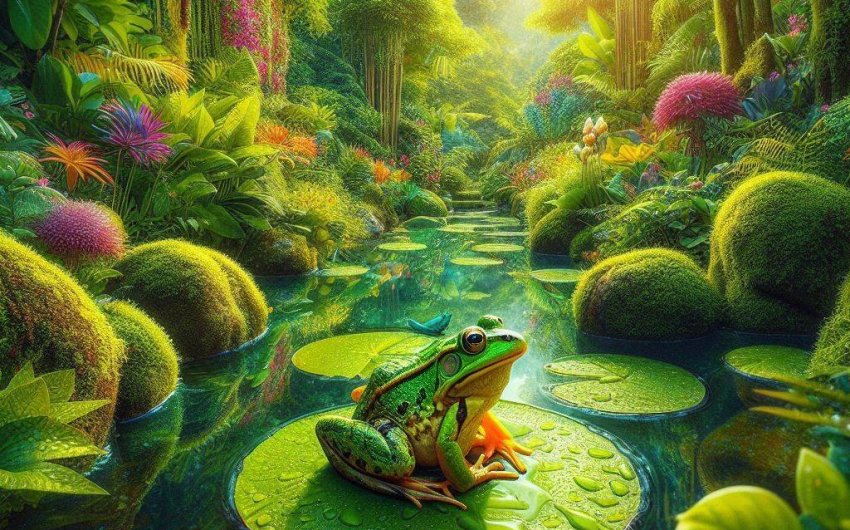
Welcoming frogs into your garden is a wonderful, natural way to manage pests. Frogs are insect-loving creatures that feast on various garden pests like mosquitoes, slugs, beetles, and moths, helping to keep your garden healthy without using chemicals. Plus, these fascinating little creatures bring a unique charm and lively atmosphere to your outdoor space.
In this guide, we’ll go over the best ways to make your garden a frog-friendly haven. We'll explore everything from setting up the right environment to offering food and shelter. Let's dive into the details!
Why Attract Frogs for Pest Control?
Frogs are invaluable allies for organic pest control. They’re known to consume hundreds of insects in a single day, providing an eco-friendly alternative to pesticides. A garden filled with frogs can effectively reduce the population of bugs, such as flies and aphids, that may harm your plants. Encouraging frogs to settle in your yard also supports local biodiversity, making your garden an oasis of natural activity.
1. Create a Water Source
One of the key things frogs need to survive is a reliable water source. Frogs lay their eggs in water, so a pond or water feature is essential. Here are some tips on creating an inviting water source:
- Choose a Shallow Pond: Frogs prefer ponds with gentle slopes where they can easily enter and exit. Aim for a depth of around 12-24 inches, as this provides enough space for tadpoles to thrive and grow.
- Add Plants Around the Water: Surround your water feature with native plants that offer shade and protection for frogs. This vegetation helps keep the water cool and provides hiding spots.
- Keep the Water Clean: Frogs are sensitive to pollution. Avoid chemical additives and clean the water regularly. Consider adding a small pump or filter to keep the water fresh.
- Provide Rocks and Logs: Place rocks and logs around the pond’s edge to create basking spots where frogs can sun themselves. These surfaces also serve as hiding places.
Tip: Avoid adding fish to your pond if you want to attract frogs. Fish can prey on tadpoles and disturb the delicate ecosystem.
2. Plant Native Vegetation
Frogs are attracted to gardens that mimic their natural habitat. Native plants are ideal because they provide familiar shelter and food sources. Here are some planting strategies:
- Diversity Is Key: Incorporate a variety of plants, including ground covers, shrubs, and grasses. Different heights and textures create a layered effect, giving frogs more options for shelter.
- Focus on Moisture-Loving Plants: Since frogs love damp environments, include plants like ferns, hostas, and wildflowers that thrive in moist soil. These plants will help retain humidity and create a comfortable space for frogs.
- Avoid Pesticides and Fertilizers: Chemicals in pesticides and fertilizers can harm frogs, so stick to organic methods to keep your plants healthy. If you need pest control, try companion planting or natural pest deterrents.
3. Provide Shelter and Hiding Spots
Frogs are prey animals, so they need plenty of hiding spots to feel safe. By creating shelters, you’re offering them protection from predators like birds and cats.
- Use Stones and Logs: Scatter stones, logs, and tree bark around the garden to give frogs cozy spots to hide during the day. These materials also create small damp areas that frogs love.
- Add a Frog House: You can purchase or make a frog house, a small ceramic or clay shelter that sits on the ground. This can provide a shaded, moist space for frogs to rest.
- Leave Leaf Litter: Instead of clearing away fallen leaves, let some stay on the ground. Leaf litter offers a habitat for insects and keeps the soil moist, making it appealing to frogs.
- Create Rock Piles: Stack a few rocks to create natural hiding spaces. Rocks absorb heat during the day and release it at night, keeping the area warm for frogs.
Fun Fact: Frogs use camouflage to avoid predators, so creating diverse hiding spots helps them feel at home.
4. Maintain Moisture in the Garden
Frogs need a humid environment to keep their skin moist, which is essential for their survival. Here are some easy ways to boost humidity:
- Mulch the Soil: Use mulch to help soil retain moisture. Mulching also supports worm and insect activity, providing food for frogs.
- Water Regularly: Keep your garden well-watered, especially in dry seasons. You don’t want standing water, but maintaining damp soil around plants can help create a moist environment.
- Set Up a Drip System: A simple drip irrigation system can keep plants moist without over-watering. Frogs will appreciate the gentle increase in humidity.
5. Offer Natural Food Sources
While frogs don’t need you to feed them, they will be more inclined to stick around if your garden is rich in insects. Here’s how you can create a food-filled environment:
- Attract Insects Naturally: Plant flowers that attract bees, butterflies, and other insects. Frogs love hunting insects, so more bugs mean more food.
- Encourage Pollinators: Certain plants attract pollinators like bees and moths, which frogs will happily eat. Consider adding plants like lavender, sunflowers, and echinacea to boost insect activity.
- Limit Outdoor Lighting: Light attracts insects, but it can also deter frogs. Try to limit outdoor lighting or use yellow “bug lights” to prevent excessive insects at night.
- Leave Some Overgrown Areas: Not every area of your garden needs to be perfectly manicured. Overgrown spaces are excellent hiding spots for insects, which makes them ideal hunting grounds for frogs.
6. Avoid Using Pesticides and Chemicals
One of the most important rules for a frog-friendly garden is to avoid pesticides and other chemicals. Here’s why:
- Frogs Are Highly Sensitive: Frogs absorb water (and any chemicals) through their skin. Even small amounts of pesticides can be deadly to them.
- Pesticides Kill Insects Frogs Eat: Without insects, frogs won’t have a reliable food source, and they may leave in search of better hunting grounds.
- Opt for Natural Pest Control: Encourage frogs and other natural predators instead of using chemical solutions. Frogs will manage the insect population effectively once they’re settled in.
7. Add Shade and Cool Areas
Frogs thrive in cool, shaded environments, especially during hot summer months. Help keep your garden comfortable with these tips:
- Plant Trees and Tall Shrubs: Adding trees or tall shrubs around the garden will create shaded spots. The shade also keeps the garden cooler, which frogs prefer.
- Use Large, Leafy Plants: Plants with broad leaves like hostas or elephant ears create natural shade. Their foliage helps cool the ground, making it more appealing to frogs.
- Provide Shade Over the Pond: If you have a pond, consider planting around it to provide partial shade. Too much direct sunlight can overheat the water, which isn’t ideal for frogs.
8. Minimize Disturbances in the Garden
Frogs are shy and easily disturbed, so it’s important to keep the garden a peaceful place. Here’s how to minimize disruptions:
- Limit Noise and Foot Traffic: Keep areas near frog habitats quiet. Avoid running heavy machinery or doing intense gardening in these areas.
- Create Quiet Zones: Dedicate certain spots in your garden as “quiet zones” where frogs can relax. This will give them a secure space to retreat to if they feel threatened.
- Supervise Pets: If you have pets, especially cats, make sure they don’t disrupt the frogs. Pets may try to hunt frogs, so keeping them supervised is essential.
9. Use Frog-Friendly Landscaping
A frog-friendly garden is all about simple landscaping that offers easy access to water and shelter.
- Add Steps or Ramps: If your pond has steep edges, consider adding a small ramp or rocks that help frogs move in and out easily.
- Keep the Lawn Edges Damp: For those with lawns, keep some areas around the edges damp. This will attract frogs searching for a cozy spot.
- Build a Mini Wetland: A small bog garden with plants that thrive in moist soil, like cattails and marsh marigold, is an excellent addition. Wetlands are natural frog habitats, so adding one can be highly effective.
10. Embrace Seasonal Changes
Frogs are active during warm months and hibernate in colder seasons. Adjust your garden care to match these natural cycles.
- Create Hibernation Spots: In winter, frogs hibernate in leaf piles, logs, or burrowed soil. Leave some leaf litter and avoid clearing the garden too thoroughly at the end of the season.
- Protect from Frost: During cold months, cover any frog houses or shelters with straw or leaves to insulate them.
- Encourage Tadpoles in Spring: In spring, frogs lay eggs, and tadpoles emerge. Keep the water clean and undisturbed to support the tadpoles' growth.
By transforming your garden into a sanctuary for frogs, you’re not only enhancing its natural beauty but also building a sustainable, self-sufficient ecosystem. Frogs will work tirelessly to keep pests in check, allowing you to enjoy a vibrant, thriving garden with minimal interference. Happy gardening!