
How to Avoid Lawn Scorching from Sun Damage?
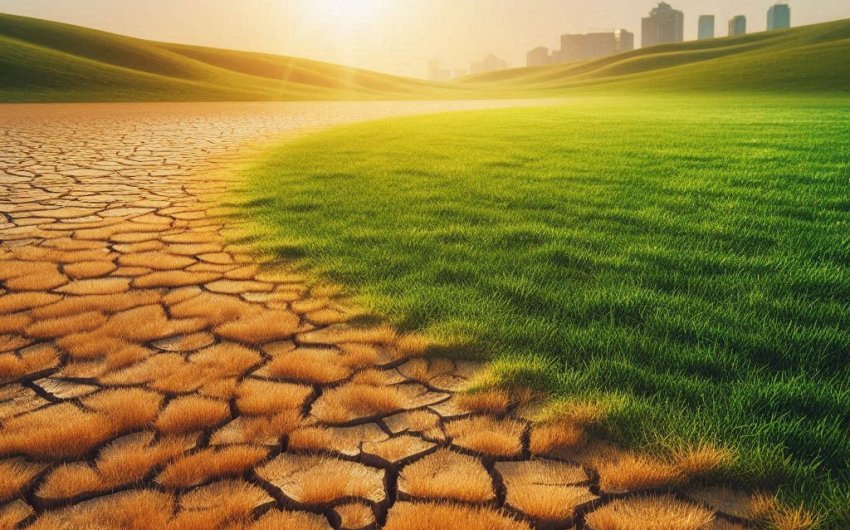
Protecting your green space from intense heat is crucial for a healthy and vibrant yard. Lawn scorching from sun damage can turn a lush carpet into an unsightly brown patch, especially during peak summer months or in regions with prolonged dry spells. Understanding how to prevent this common problem involves a combination of smart watering practices, proper mowing techniques, and some helpful preventative measures. This guide will walk you through the essential steps to keep your grass thriving, even under the harshest sun, ensuring your outdoor space remains beautiful and resilient.
Why does a lawn get scorched by the sun?
Understanding the reasons behind a parched lawn helps in preventing it. When the sun beats down relentlessly, it removes moisture from the grass blades and the soil. This intense heat can stress the grass plants, making them dry out quickly.
What are the main causes of sun scorch?
Several factors contribute to lawn scorching:
- Excessive heat: High temperatures directly dry out the grass and soil.
- Lack of water: Insufficient irrigation means the grass can't replenish the moisture it loses.
- Low humidity: Dry air pulls moisture from the grass blades more quickly.
- Improper mowing: Cutting the grass too short exposes more of the sensitive crown to the sun.
- Thin turf: A sparse lawn offers less shade to the soil, leading to faster drying.
- Reflected heat: Surfaces like concrete driveways or brick walls can reflect heat onto the lawn, increasing stress.
When grass loses more water than it can absorb, its cells shrink, and the blades turn brown. This is the visible sign of a scorched lawn.
How does proper watering prevent sun damage?
Watering correctly is the most important step in preventing lawn scorching. It's not just about how much water, but when and how you apply it.
When is the best time to water your lawn?
The optimal time to water your lawn is in the early morning, typically between 4 AM and 9 AM.
- Less evaporation: Cooler temperatures and calmer winds mean more water reaches the roots, not just evaporating into the air.
- Absorbs before heat: The grass has time to absorb the water before the midday sun intensifies, preparing it for the day's heat.
- Dries before night: Watering in the morning allows the grass blades to dry before nightfall, which helps prevent fungal diseases. Watering at night can leave the grass wet for too long, encouraging issues like brown patch or dollar spot.
Avoid watering during the hottest part of the day, usually from 10 AM to 4 PM. Much of that water will simply evaporate, and you risk burning the grass if water droplets act like tiny magnifying glasses on the blades.
How much water does your lawn need?
Most lawns need about 1 to 1.5 inches of water per week, including rainfall. This amount encourages deep root growth, making your grass more resilient to drought and heat.
Here’s how to check if you're watering enough:
- Tuna can test: Place empty tuna cans or shallow containers around your lawn before watering.
- Run sprinklers: Turn on your lawn sprinklers as you normally would.
- Measure water: After watering, measure the depth of water in the cans. When it reaches 1 inch, you’ve applied enough. Note how long this takes for future watering sessions.
How to ensure deep and infrequent watering?
Deep and infrequent watering is better than light and frequent watering.
- Deep watering: Encourages roots to grow deeper into the soil, where they can access more moisture during dry periods.
- Infrequent watering: Allows the topsoil to dry slightly between waterings, which prevents shallow roots and helps with aeration.
Aim to water 2-3 times a week, applying the full 1-1.5 inches over these sessions. For instance, if you need 1.5 inches per week, you could water for 30 minutes three times a week, or 45 minutes twice a week, depending on your sprinkler's output. A smart sprinkler controller can help automate this process, adjusting for local weather.
What are the best mowing practices for sun protection?
Mowing your lawn correctly can significantly reduce its vulnerability to sun damage. It's not just about keeping it tidy; it's about protecting the individual grass blades.
How high should you cut your grass?
Raise your mower blade! For most cool-season grasses (like fescue, ryegrass, Kentucky bluegrass), aim for a cutting height of 3 inches or higher. For warm-season grasses (like Bermuda, Zoysia, St. Augustine), a height of 2-3 inches is generally good.
- Shade the soil: Taller grass blades provide natural shade to the soil surface, keeping it cooler and reducing moisture evaporation.
- Stronger roots: Taller blades mean more leaf surface for photosynthesis, which in turn leads to stronger, deeper root systems capable of reaching more water.
- Less stress: Cutting too short, known as "scalping," severely stresses the grass, making it highly susceptible to heat damage and disease.
Should you bag your grass clippings?
Unless you have a severe weed problem or disease, leave the grass clippings on your lawn. This practice is called "grasscycling."
- Natural mulch: Clippings act as a natural mulch, helping to retain soil moisture and reduce evaporation.
- Nutrient return: As clippings break down, they return valuable nutrients (nitrogen, phosphorus, potassium) back to the soil, reducing the need for synthetic fertilizers.
- No additional work: It saves you the effort of bagging and disposing of clippings.
Ensure your clippings are finely mulched by using a mulching mower blade. If your clippings are clumpy, it means you're cutting too much at once, or your blade is dull.
How often should you mow in hot weather?
During hot, dry periods, you might need to reduce your mowing frequency. If the grass isn't actively growing much, there's no need to mow.
- Avoid stress: Mowing is a stressful event for grass. In extreme heat, adding more stress can push it over the edge into dormancy or death.
- Follow the one-third rule: Never remove more than one-third of the grass blade's total height in a single mowing. If your grass is 4.5 inches tall, don't cut it shorter than 3 inches.
Keeping your lawn mower blades sharp is also vital. Dull blades tear the grass, leaving jagged edges that are more prone to drying out and disease.
How does soil health impact sun resistance?
Healthy soil is the foundation for a resilient lawn, capable of withstanding the summer heat and resisting lawn scorching. Poor soil limits a plant's ability to absorb water and nutrients effectively.
Why is soil aeration important?
Soil aeration involves creating small holes in the soil to relieve compaction. Compacted soil prevents water, air, and nutrients from reaching the grass roots.
- Improved water penetration: Aeration allows water to soak deep into the soil rather than running off the surface.
- Better air circulation: Roots need oxygen. Aeration provides this, encouraging healthier root growth.
- Nutrient absorption: Nutrients become more accessible to the roots.
Consider aerating your lawn once a year, typically in the spring or fall, using a core aerator.
What role does organic matter play?
Adding organic matter to your soil significantly improves its structure and water retention capabilities.
- Water retention: Organic matter, like compost, acts like a sponge, holding onto moisture and releasing it slowly to the roots. This is crucial for preventing sun damage.
- Nutrient supply: As organic matter decomposes, it slowly releases essential nutrients to the grass.
- Improved drainage: In clay soils, organic matter helps break up compaction, improving drainage. In sandy soils, it helps hold water.
You can top-dress your lawn with a thin layer (about 1/4 inch) of compost once or twice a year. This slowly incorporates organic material into your existing soil.
How does soil pH affect lawn health?
Soil pH measures how acidic or alkaline your soil is. Most grass types prefer a slightly acidic to neutral pH (between 6.0 and 7.0).
- Nutrient availability: pH levels affect how well grass roots can absorb nutrients from the soil. If the pH is too high or too low, certain nutrients become "locked up" and unavailable, even if they are present in the soil.
- Overall plant health: Incorrect pH can weaken the grass, making it more susceptible to stress from heat and drought.
It's a good idea to perform a soil test kit every few years to determine your soil's pH and nutrient levels. Based on the results, you can add lime to raise pH or sulfur to lower it.
Can grass types affect resistance to sun damage?
Yes, the type of grass you have plays a big role in how well your lawn withstands intense sun and heat. Different grasses are suited to different climates.
What are drought-tolerant grass types?
Some grass varieties are naturally more resilient to heat and drought, making them less prone to lawn scorching.
- Warm-season grasses: These grasses thrive in hot climates and are generally more drought-tolerant.
- Bermuda Grass: Very tough and recovers well from drought, but needs full sun.
- Zoysia Grass: Drought-tolerant and tolerates some shade, forms a dense carpet.
- St. Augustine Grass: Good for warm, humid climates, tolerates some shade, and has broad blades.
- Buffalo Grass: Extremely drought-tolerant and low-maintenance, but grows best in drier climates.
- Cool-season grasses: These prefer cooler temperatures but some varieties have improved drought tolerance.
- Tall Fescue: Known for its deep root system, which helps it access water deeper in the soil, making it more drought-tolerant than other cool-season grasses.
- Fine Fescue (Creeping Red Fescue, Chewings Fescue): Can tolerate some dry conditions and shade, but may go dormant in extreme heat.
If you live in a hot region, choosing a drought-tolerant grass seed blend suitable for your climate can be a significant advantage.
How does overseeding help?
Overseeding involves spreading new grass seed over an existing lawn. This can improve the density and overall health of your turf.
- Fills in bare spots: Denser grass shades the soil more effectively, reducing evaporation and preventing sun damage.
- Introduces resilient varieties: You can use drought-tolerant grass seeds to gradually introduce more robust types into your lawn.
- Thicker turf: A thicker lawn is better at competing with weeds and resisting stress.
The best time to overseed cool-season grasses is in the fall, and warm-season grasses in late spring to early summer. Ensure proper watering for new seeds to germinate successfully. A handheld spreader can make the job easier.
Are there any specific lawn treatments to prevent sun scorch?
Beyond regular care, certain treatments can provide an extra layer of protection against lawn scorching and help your grass recover faster.
What about wetting agents and soil conditioners?
Wetting agents (also known as surfactants) can help water penetrate the soil more evenly, especially in areas that are hydrophobic (repel water). Soil conditioners improve soil structure.
- Wetting agents: These chemicals reduce the surface tension of water, allowing it to soak into compacted or water-repellent soils more effectively. This ensures water reaches the roots where it's needed most. Look for a lawn wetting agent.
- Soil conditioners: Products like gypsum or liquid humic acid can improve soil structure over time, enhancing water infiltration and aeration. Liquid humic acid can also aid nutrient uptake.
Apply these according to product instructions, usually in the spring or early summer before peak heat.
Can nutrients help against heat stress?
Proper nutrition is vital for grass health and resilience. While over-fertilizing can harm your lawn, balanced feeding makes it stronger.
- Potassium (K): This nutrient is particularly important for drought and heat tolerance. It helps grass regulate water use and strengthens cell walls. Look for a lawn fertilizer high in potassium.
- Micronutrients: Ensure your fertilizer includes essential micronutrients like iron, which contributes to green color and overall plant vigor.
Avoid applying high-nitrogen fertilizers during intense heat, as nitrogen promotes lush top growth that requires more water and can make the grass more susceptible to burning. A slow-release fertilizer is generally preferred as it provides a steady supply of nutrients without causing sudden growth spurts.
What about growth regulators?
Plant growth regulators (PGRs) are advanced tools used to slow down the vertical growth of grass. This means less mowing and potentially less water consumption.
- Reduced water needs: By slowing top growth, PGRs can indirectly reduce the grass's water requirements, as there's less surface area for transpiration.
- Increased density: Some PGRs promote lateral growth and root development, leading to a denser, more resilient turf.
- Professional application: While some homeowner products exist, PGRs are often used by lawn care professionals and should be applied carefully according to instructions.
What immediate steps can you take for a scorched lawn?
If your lawn has already started to show signs of sun damage, there are immediate actions you can take to help it recover.
How do you identify severe scorching vs. dormancy?
It's important to distinguish between a truly dead, scorched lawn and one that has simply gone dormant.
- Dormancy: Grass blades turn brown, but the crowns (where the blades emerge from the roots) are still alive. This is a natural survival mechanism during drought. If you tug on the brown blade, it usually resists pulling out easily, and you might see a faint green tint at the base. Dormant grass will often green up again once cooler temperatures and rain return.
- Scorching/Dead: The entire plant, including the crown and roots, is dead. When you pull on a blade, it comes out easily. The brown is often a more uniform, brittle brown, and there's no sign of green anywhere.
To check for dormancy, pull a few blades of grass. If they snap or pull out easily, the grass is likely dead. If they resist and feel a bit pliable, there's hope.
What are the first steps to revive it?
If your lawn is dormant, it needs gentle care to encourage recovery without further stressing it.
- Water deeply: If rainfall isn't sufficient, resume deep, infrequent watering during the early morning hours. This will signal to the grass that conditions are improving.
- Avoid traffic: Keep foot traffic and heavy equipment off the stressed areas to prevent further damage to delicate grass crowns.
- No fertilizer: Do not apply fertilizer to a stressed or dormant lawn. It can burn the already fragile grass. Wait until the grass shows signs of recovery (new green growth).
- Mow carefully: If you must mow, raise your mower height to its highest setting and only cut off the very tips of any greening blades.
When should you consider reseeding or sodding?
If your lawn is truly dead from lawn scorching, reseeding or installing sod will be necessary.
- Reseeding: Best for large areas. Prepare the soil by raking out dead grass and aerating if compacted. Spread appropriate grass seed for your climate, then cover lightly with topsoil or peat moss. Keep the newly seeded area consistently moist with light, frequent watering until germination and establishment. Consider a broadcast spreader for even seed distribution.
- Sodding: Provides an instant lawn. Prepare the soil similarly, then lay sod rolls tightly together, staggering seams like bricks. Water immediately and consistently for the first few weeks to ensure the roots establish.
The best time to reseed cool-season grasses is in the fall, giving them time to establish before the next summer's heat. Warm-season grasses are best seeded in late spring.
How can you provide shade for your lawn?
Direct, intense sunlight is the primary culprit in lawn scorching. Creating shade can provide critical relief to your grass.
What are natural shade options?
- Trees: Planting deciduous trees (those that lose their leaves in winter) strategically can provide shade during the hot summer months but allow sun through in winter when the lawn needs it. Consider shade trees that grow quickly.
- Shrubs: Larger shrubs can also cast beneficial shade on smaller lawn areas, especially those next to hard surfaces that reflect heat.
When planting near a lawn, be mindful of root competition. Consider root barriers or choose tree species with less aggressive root systems.
Can temporary shade structures help?
For smaller, particularly vulnerable areas, temporary shade structures can offer immediate relief.
- Shade cloths: You can erect a temporary frame and drape shade cloth over sections of your lawn that are most prone to browning. Aim for a shade cloth that blocks about 30-50% of the sunlight.
- Outdoor umbrellas: A large patio umbrella can be moved around to provide targeted shade to hot spots throughout the day.
- Temporary trellises: If you have climbing plants, a temporary trellis can be positioned to create a living wall of shade for a portion of the lawn.
These options are especially useful during extreme heat waves or for newly seeded areas that are highly sensitive to direct sun.
What roles do hard surfaces play in lawn scorching?
Hard surfaces like driveways, patios, and sidewalks absorb and radiate a lot of heat, contributing to lawn scorching in adjacent areas. This phenomenon is known as the "heat island effect."
How do hard surfaces contribute to heat?
- Heat absorption: Dark-colored asphalt and concrete absorb a significant amount of solar radiation during the day.
- Heat reflection: Light-colored concrete and stone can reflect intense sunlight onto the grass, effectively amplifying the sun's rays.
- Radiant heat: Both absorbed and reflected heat is then radiated outwards, significantly increasing the ambient temperature around the grass, leading to faster drying and stress.
You'll often notice that the grass bordering a driveway or patio is the first to show signs of stress and browning.
How can you mitigate their impact?
While you can't remove your driveway, you can take steps to lessen its negative effects.
- Increased watering: Areas next to hard surfaces will likely need more frequent or longer watering than the rest of the lawn. Consider using a dedicated soaker hose along these edges.
- Strategic planting: Plant heat-tolerant shrubs or groundcovers between the hard surface and the lawn. These plants can help absorb some of the radiant heat and provide a buffer.
- Light-colored surfaces: If you're installing new hardscaping, consider lighter-colored materials that absorb less heat.
- Watering down surfaces: In extreme heat, briefly misting nearby hard surfaces with water can temporarily lower their temperature, reducing radiant heat.
Managing lawn scorching from sun damage requires a multi-faceted approach, combining smart watering, proper mowing, healthy soil practices, and sometimes, strategic environmental modifications.