
The Complete Guide to Managing Spurge in Lawns
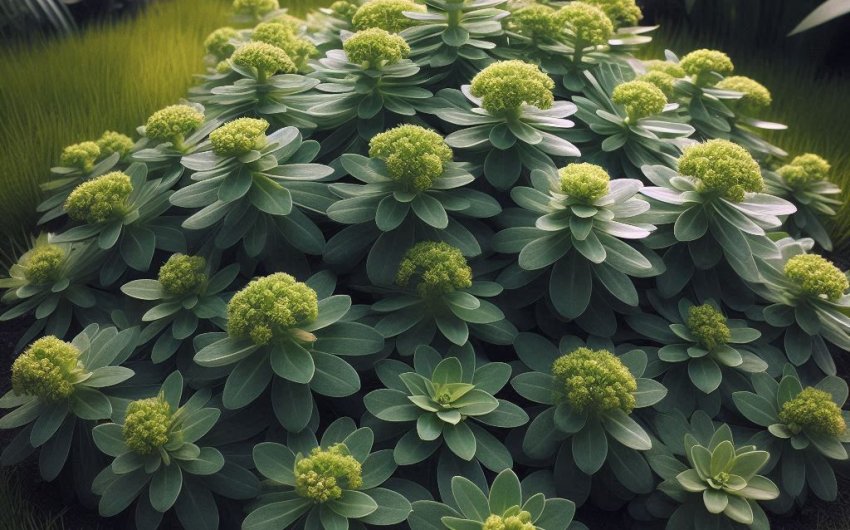
If you're looking for the complete guide to managing spurge in lawns, you're tackling a very common and often frustrating weed challenge. Spurge, particularly common varieties like prostrate spurge and spotted spurge, has an uncanny ability to spread rapidly, forming unsightly mats that choke out desirable turfgrass. Its prolific seed production means that even a few overlooked plants can lead to a significant infestation next season. However, with a combination of cultural practices, manual removal, and targeted treatments, you can effectively control and prevent spurge from taking over your beautiful green space.
What Exactly is Spurge and Why is it Such a Problem?
Before diving into management, it helps to understand your adversary. Spurge is a group of tenacious weeds, with prostrate spurge and spotted spurge being the most prevalent in lawns.
- Appearance: Spurge is easily recognized by its low-growing, mat-forming habit. Stems radiate outwards from a central taproot, often hugging the ground. The leaves are typically small, oval, and sometimes have a distinctive reddish or purple spot in the center (especially spotted spurge). Stems can also be reddish.
- Milky Sap: A key identifier for most spurge species is the milky white sap that oozes out when a stem or leaf is broken. This sap can be an irritant, so always wear gloves when handling spurge.
- Annual Lifecycle: Most common lawn spurges are annual weeds. This means they germinate from seed, grow, produce new seeds, and then die within a single growing season. However, they produce thousands of seeds, ensuring their return year after year.
- Warm-Season Weed: Spurge seeds typically germinate in late spring or early summer when soil temperatures warm up. It thrives in hot, dry, and often compacted conditions, continuing to grow vigorously through summer and into early fall until the first hard frost.
- Prolific Seeder: This is the primary reason spurge is such a nuisance. A single spurge plant can produce thousands of seeds. These seeds are explosively dispersed from tiny pods, scattering them widely across your lawn. They can also remain viable in the soil for several years, creating a persistent "weed seed bank."
- Opportunistic Growth: Spurge loves weak, thin, or bare spots in lawns. It quickly colonizes areas where grass is struggling, perhaps due to compaction, drought stress, or nutrient deficiencies. It also readily establishes in cracks in pavement, driveways, and between patio stones.
- Competition: Its dense, mat-like growth habit allows it to outcompete desirable turfgrass for water, nutrients, and sunlight, leading to thinning lawns and unsightly bare patches.
Why is a Multi-Pronged Approach Best for Spurge Control?
Relying on a single method to eliminate spurge is rarely effective long-term. A comprehensive strategy that combines cultural practices, manual removal, and targeted treatments yields the best results.
- Life Cycle Vulnerabilities: Spurge's annual nature means you need to attack it at different stages:
- Pre-germination: Prevent seeds from sprouting (pre-emergents).
- Young Plants: Remove them before they produce seeds (manual removal, spot treatments).
- Mature Plants: Control them before they release vast numbers of seeds (post-emergents, diligent removal).
- Seed Bank Depletion: Since seeds can remain viable for years, simply removing existing plants won't solve the problem entirely. A multi-pronged approach aims to deplete this seed bank over time.
- Holistic Lawn Health: Many methods focus on strengthening your lawn. A dense, healthy lawn is the best defense against weeds, as it naturally crowds them out. This reduces reliance on chemicals.
- Environmental Responsibility: Combining methods allows you to minimize the use of synthetic herbicides, opting for more natural or less impactful solutions where possible.
- Prevention is Key: Focusing on cultural practices (mowing, watering, fertilizing) shifts the strategy from reactive weed killing to proactive weed prevention, leading to a more sustainable and less frustrating lawn care routine.
What Are the Most Effective Manual and Mechanical Ways to Remove Spurge?
For existing spurge plants, especially in smaller infestations, manual and mechanical removal methods are highly effective and chemical-free.
1. Hand-Pulling Spurge
This is the most direct and environmentally friendly method, particularly when spurge plants are young.
- Timing: Pull spurge when it is small and before it has a chance to flower and produce seeds. Early detection is crucial. Once it sets seed, removal becomes a race against time.
- Tools: A hand weeder tool or a dandelion fork can be very helpful for getting under the taproot of larger plants.
- Technique:
- Moist Soil: The easiest time to pull spurge is after a rain or deep watering when the soil is moist. This allows the taproot to slide out more easily.
- Grab at the Base: Grasp the plant firmly where all the stems meet at the central taproot.
- Pull Gently and Steadily: Pull straight up, taking care to remove the entire taproot. If the taproot breaks off, the plant can regrow from the remaining root.
- Wear Gloves: The milky white sap can irritate skin and eyes. Always wear gardening gloves.
- Disposal: Do not add pulled spurge plants with seeds (or even flowers that could turn into seeds) to your home compost pile unless you are running a very hot compost system that reaches temperatures high enough to kill weed seeds (most home composts don't). Bag them and dispose of them with your regular trash to prevent spreading seeds.
- Pros: Highly effective, immediate results, chemical-free.
- Cons: Labor-intensive for large or widespread infestations, requires consistency, especially if many seeds are present in the soil.
2. Hoeing Spurge
For larger patches of spurge in garden beds, vegetable patches, or unplanted areas, a hoe can quickly clear them.
- Tools: A sharp garden hoe or a stirrup hoe (oscillating hoe) is ideal. Stirrup hoes are particularly good for skimming just below the surface.
- Technique:
- Shallow Cut: Use the hoe to cut the spurge just below the soil surface, severing the plant from its taproot.
- Dry Conditions: Hoeing is often most effective in dry conditions. The severed weeds will quickly dry out and die on the surface.
- Pros: Faster than hand-pulling for wider, open areas.
- Cons: Can disturb the soil, potentially bringing dormant weed seeds to the surface, which might then germinate. Not suitable for use within a dense turfgrass lawn without damaging the grass.
3. Smothering with Mulch
Mulch is an excellent preventative and suppressive measure for spurge in garden beds, around trees, or in unplanted areas. It is not suitable for turfgrass lawns.
- Material: Apply a thick layer (2-4 inches) of organic mulch such as wood chips, shredded bark, straw, or even a layer of newspaper/cardboard topped with organic material.
- Technique: Apply the mulch directly over areas where spurge is (or was growing). The mulch blocks sunlight, preventing new seeds from germinating and suppressing existing, smaller plants by depriving them of light.
- Pros: Excellent long-term weed control, helps retain soil moisture, moderates soil temperature, improves soil health over time, and can look aesthetically pleasing.
- Cons: Not for use in turfgrass areas, needs to be replenished periodically, can be costly for very large areas.
4. Flaming Weeds (Spot Treatment for Hardscapes)
For spurge growing in cracks in pavement, driveways, or sidewalks, a weed flamer can offer a quick, chemical-free solution.
- Tool: A propane weed torch.
- Technique: Briefly apply heat to the spurge plant. You don't need to char or burn it to a crisp; just heat it enough to cause the leaves to wilt and turn dark green. The heat ruptures the plant's cell walls, causing it to die back.
- Safety: Always prioritize safety. Keep a water source (hose or bucket) nearby. Avoid using in dry, windy conditions or near flammable materials (dry leaves, fences, structures). Never use in turfgrass areas.
- Pros: Chemical-free, fast for small, targeted areas on hard surfaces, provides immediate visual results.
- Cons: Fire hazard, only kills top growth (taproot may survive, requiring repeat applications), not suitable for lawns or near desirable plants.
How Do Cultural Practices Help Prevent Spurge in Lawns?
A strong, healthy lawn is the single best defense against weeds like spurge. By improving your lawn's vigor, you naturally crowd out unwanted invaders.
1. Proper Mowing Height
- Mow High: Set your mower to the highest recommended cutting height for your grass type, typically between 2.5 to 3.5 inches.
- Why it Works: Taller grass blades cast more shade on the soil surface. This blocks the sunlight that spurge seeds need to germinate. A dense, tall canopy also physically suppresses weed growth and outcompetes spurge for nutrients and water. Mowing too short weakens the grass, creating open, sun-exposed areas perfect for spurge to move in.
2. Smart Watering Practices
- Deep and Infrequent: Water your lawn deeply but infrequently. Aim for about 1 inch of water per week, applied in one or two long watering sessions, rather than many short ones.
- Why it Works: Deep watering encourages grass roots to grow deeper into the soil, making the lawn more drought-tolerant and resilient. Frequent, shallow watering keeps the top inch of soil consistently moist, which is exactly what spurge seeds need to germinate, while also promoting shallow grass roots that are less competitive.
3. Improving Soil Health
- Start with a Soil Test: Before making major amendments, get a professional soil test kit to understand your soil's pH, nutrient levels, and texture. This guides your amendment strategy.
- Add Organic Matter: Incorporate high-quality organic matter like compost into your lawn. You can do this by top-dressing after aeration or by working it into new lawn areas. Compost improves soil structure (loosens clay, helps sandy soil retain moisture), enhances drainage, and provides a slow-release source of nutrients.
- Aeration: If your soil is compacted (a common problem in spurge-prone areas), annual or biennial core aeration is essential. This creates small holes, allowing air, water, and nutrients to penetrate deeper, promoting stronger grass roots. You can rent a core aerator or hire a professional.
- Why it Works: Healthy, well-draining soil with good air circulation and rich nutrient content fosters strong, dense turfgrass that naturally outcompetes spurge. Spurge thrives in stressed, compacted, or nutrient-poor soils.
4. Overseeding the Lawn
- Fill Bare Spots: Thin or bare patches in a lawn are an open invitation for weeds like spurge. Overseed these areas with desirable grass seed.
- When to Overseed: The best time to overseed depends on your grass type (late summer/early fall for cool-season grasses; late spring/early summer for warm-season grasses).
- Why it Works: A thick, dense lawn simply leaves no room for weed seeds to germinate and establish. Overseeding increases turf density and vigor.
5. Proper Fertilization
- Feed the Grass, Not the Weeds: Fertilize your lawn appropriately based on your soil test results and grass type.
- Slow-Release Organic Fertilizers: Opt for slow-release organic lawn fertilizer. This provides a steady supply of nutrients to your grass over time, encouraging strong, continuous growth that helps the turf remain competitive without sudden flushes that can also benefit weeds.
- Avoid Over-Fertilizing: Too much fertilizer can stress the grass or encourage excessive top growth at the expense of roots, making it more vulnerable to weeds and disease.
- Why it Works: A well-fed, vigorous lawn forms a dense canopy that shades out weed seeds and outcompetes any rogue weeds that do sprout.
When Are Chemical Treatments Necessary for Spurge Control?
While natural methods and cultural practices are preferred, sometimes a chemical approach is necessary for severe infestations or when quick control is required. Always use these products responsibly and according to label directions.
1. Pre-Emergent Herbicides
- What they are: Chemicals that form a barrier in the soil, preventing weed seeds from germinating. They do not kill existing weeds.
- Timing: Crucial. Apply in early spring before soil temperatures reach 55-60°F (13-16°C) for several days in a row. This is before spurge seeds typically germinate. You can use a soil thermometer to monitor.
- Application: Apply uniformly across the lawn using a broadcast spreader. Water lightly after application to activate the chemical.
- Active Ingredients: Common active ingredients include pendimethalin, prodiamine, dithiopyr.
- Corn Gluten Meal (Natural Pre-Emergent): A natural alternative. It works by inhibiting root development of germinating seeds and also provides nitrogen to the lawn. Apply early spring. The effectiveness is usually lower than synthetic options and requires consistent, multi-year application. Look for organic corn gluten meal.
- Pros (Synthetic): Highly effective at preventing new weeds, good for managing large seed banks.
- Cons (Synthetic): Prevents desirable grass seed from germinating as well (do not apply if you plan to overseed within 6-12 weeks), can be harmful to water quality if over-applied.
- Pros (Natural): Safe for pets and environment, provides nitrogen.
- Cons (Natural): Less effective, requires precise timing, inhibits desirable seeds.
2. Post-Emergent Herbicides (Selective)
- What they are: Chemicals designed to kill existing weeds without harming desirable turfgrass when applied correctly.
- Timing: Apply when spurge plants are actively growing and relatively young (before they mature and produce many seeds). The best time is often late spring to early summer.
- Application: Spot treat individual plants or use a lawn sprayer for wider infestations. Follow label directions precisely for mixing ratios and application methods. Apply on a calm day to minimize drift.
- Active Ingredients: Look for products containing active ingredients such as 2,4-D, MCPP (mecoprop), or dicamba. Products often contain a combination of these.
- Pros: Kills existing spurge plants, relatively fast-acting.
- Cons: Can still cause damage to certain grass types or desirable plants if misapplied, chemicals, requires reapplication for new germination, often less effective on mature, stressed plants.
3. Non-Selective Herbicides (e.g., Glyphosate, Horticultural Vinegar)
- What they are: Chemicals that kill any plant they touch, including grass. These should never be used in a turfgrass lawn unless you intend to kill and reseed the entire area.
- Uses: Primarily for spurge in cracks in driveways, sidewalks, or in unplanted garden beds where no other plants are desired.
- Horticultural Vinegar (Natural Non-Selective): High-concentration horticultural vinegar (10-20% acetic acid) can kill spurge on contact by dehydrating it. Household vinegar (5%) is generally too weak.
- Pros: Very effective, fast-acting.
- Cons: Kills everything, requires extreme caution to avoid drift, may not kill the taproot (especially vinegar).
Always read and follow the label directions precisely for any herbicide, natural or synthetic. Wear appropriate protective gear.
How Do I Maintain a Spurge-Free Lawn Long-Term?
Achieving and maintaining a spurge-free lawn is an ongoing process that prioritizes prevention and consistent care.
Vigilant Scouting and Immediate Removal:
- Regular Inspections: Make it a habit to walk your lawn weekly, especially during warm weather.
- Act Fast: As soon as you spot spurge, hand-pull it. The earlier you remove it, the less chance it has to set seed and contribute to the weed seed bank. This is your most powerful tool.
- Proper Disposal: Always bag and dispose of pulled spurge, especially if it has flowers or seeds.
Optimize Lawn Health (Ongoing Cultural Practices):
- Continue High Mowing: Maintain a consistent mowing height (2.5-3.5 inches) throughout the growing season.
- Deep, Infrequent Watering: Stick to this watering schedule to encourage deep grass roots.
- Annual Aeration: Make core aeration a regular part of your fall (for cool-season) or spring (for warm-season) maintenance to alleviate compaction.
- Regular Top-Dressing: Annually apply a thin layer (1/4 to 1/2 inch) of high-quality compost. This continually improves soil structure, enhances microbial life, and makes the soil less hospitable to weeds. Use a compost topdresser for even application on larger lawns.
- Appropriate Fertilization: Follow a soil-test-driven fertilization program, using slow-release or organic fertilizers that feed the turf gradually.
Strategic Overseeding:
- Fill Gaps: Plan to overseed your lawn annually or biannually, especially in areas that tend to thin out. A dense stand of turfgrass is your best long-term weed barrier. Choose a grass seed blend appropriate for your climate and sun conditions.
Mulch Garden Beds and Hardscape Edges:
- Consistent Mulching: Maintain a 2-4 inch layer of organic mulch in all your garden beds. This physically blocks spurge from germinating.
- Edge Control: Spurge loves to creep in from the edges of driveways, sidewalks, and patios. Regularly pull, hoe, or flame spurge in these areas. Maintaining a clean, defined edge can help.
Address Runoff and Drainage:
- Inspect Water Flow: Observe how water flows across your property during rain. Are downspouts properly directed away from the lawn? Are there areas where water consistently pools due to poor grading?
- Solutions: Implement drainage solutions (like downspout extensions or French drains) if grading or water flow is a significant issue contributing to persistent moisture, which spurge tolerates better than turfgrass in some situations.
Avoid Spreading Seeds:
- Clean Equipment: If you've been working in an area with spurge, clean your shoes, mower blades, and tools before moving to other parts of your lawn to avoid inadvertently spreading seeds.
By integrating these strategies into the complete guide to managing spurge in lawns, you'll be well on your way to a healthier, greener lawn with significantly fewer spurge problems. Consistency and patience are key for long-term success.