
How to Treat and Prevent Powdery Mildew on Your Lawn?
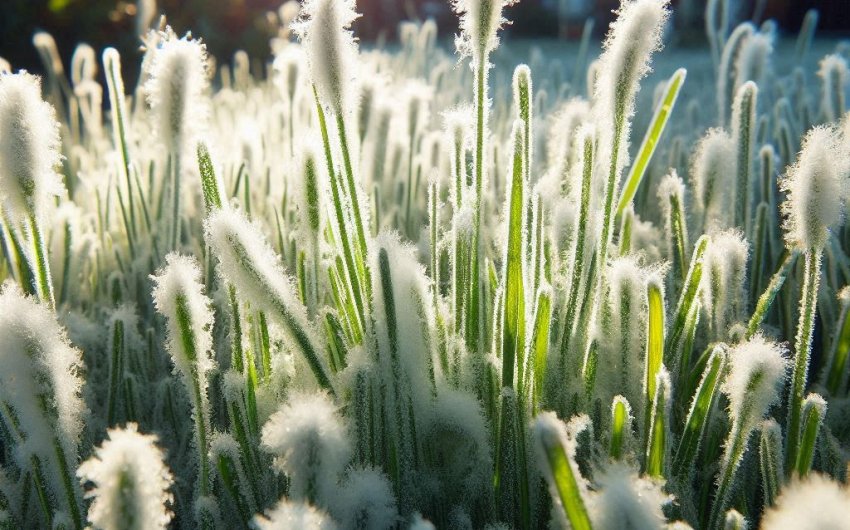
A healthy, vibrant lawn is a source of pride for any homeowner, but sometimes, a ghostly white film can appear, turning your lush green turf into a powdery landscape. This unsightly visitor is often powdery mildew, a common fungal disease that, while rarely fatal, can weaken your grass and diminish your lawn's aesthetic appeal. If you're seeking to understand how to treat and prevent powdery mildew on your lawn, you've come to the right place. This comprehensive guide will equip you with the knowledge to identify this fungal foe, implement effective treatment strategies, and establish proactive prevention measures, ensuring your lawn remains a picture of health and beauty.
What exactly is powdery mildew on lawns?
Powdery mildew is a common fungal disease caused by various species of fungi from the order Erysiphales. It affects a wide range of plants, including turf grasses, and is easily recognizable by its distinct appearance.
How does powdery mildew appear on grass blades?
- Appearance: The most distinctive symptom is a white, powdery coating that develops on the surface of grass blades. It looks like the grass has been dusted with flour or talcum powder.
- Location: It typically starts on the lower leaves in shaded or high-humidity areas, then spreads upwards.
- Progression: Initially, it may appear as small, circular patches, which then merge to cover larger areas. The white film can sometimes develop into a grayish or brownish hue as the fungus matures.
- Severity: In severe cases, the affected grass blades may turn yellow, then brown, and eventually die, leading to thinning turf.
What causes powdery mildew to develop?
Powdery mildew fungi thrive under specific environmental conditions, which often occur during certain times of the year or in particular lawn settings.
- Shade: This is the primary contributing factor. Powdery mildew flourishes in shaded or partially shaded areas where air circulation is poor and sunlight doesn't adequately dry the grass blades. It's often seen under large trees, near buildings, or in areas consistently shaded by fences.
- Poor Air Circulation: Dense plantings, hedges, or lack of wind can create stagnant air pockets, trapping moisture around the grass blades.
- Cool, Humid Conditions: Powdery mildew prefers moderate temperatures (60-70°F or 15-21°C) combined with high humidity, especially at night. It doesn't require free water on the leaf surface to germinate, making it unique from many other fungal diseases.
- Overcast Days: Extended periods of cloudy or overcast weather can also promote its development by reducing direct sunlight.
- Susceptible Grass Varieties: Some grass types are more prone to powdery mildew than others, particularly certain varieties of Kentucky Bluegrass and Fescues.
- Over-fertilization (Nitrogen): Excessive nitrogen fertilizer can lead to lush, tender growth that is more susceptible to fungal attack.
Is powdery mildew harmful to my lawn?
While rarely fatal to an entire lawn, powdery mildew can certainly weaken your grass and reduce its aesthetic appeal.
- Reduced Photosynthesis: The white coating blocks sunlight from reaching the grass blades, interfering with photosynthesis (the plant's food-making process). This weakens the grass.
- Stunted Growth: Affected grass may grow slowly or appear stunted.
- Thinning Turf: In severe or prolonged infestations, individual grass blades can die, leading to thinning, unattractive patches in the lawn.
- Increased Vulnerability: Weakened grass is more susceptible to other diseases, insect pests, and environmental stress.
How do I treat powdery mildew on my lawn?
Addressing powdery mildew on your lawn involves a multi-pronged approach that combines cultural practices with targeted treatments.
Step 1: Improve Air Circulation and Light
Since shade and poor airflow are primary causes, these are your first and most impactful corrective actions.
- Prune trees and shrubs: Thin out tree canopies and trim back overgrown shrubs that are casting too much shade on your lawn. This increases sunlight penetration and improves air circulation. Consider hiring an arborist for tree pruning for large jobs.
- Mow correctly: Ensure you're not mowing too low, which can stress grass. Maintain the highest recommended mowing height for your grass type (2.5-3 inches for most cool-season grasses).
- Avoid over-seeding in shade: In heavily shaded areas, resist the urge to heavily overseed with grass varieties not adapted to shade, as this can lead to too dense a turf that exacerbates air circulation issues.
Step 2: Adjust Watering Practices
Proper watering is key to both treating and preventing fungal diseases.
- Water in the morning: Water your lawn deeply in the early morning (before 10 AM). This allows the grass blades to dry completely before nightfall, reducing the period of moisture on the leaves, which fungi love.
- Avoid evening watering: Do not water your lawn in the late afternoon or evening, as this leaves the grass wet overnight, creating ideal conditions for mildew growth.
- Deep and infrequent: Encourage deep root growth by watering deeply (1 inch of water per week) but infrequently, rather than light, frequent sprinkles. A lawn sprinkler with adjustable settings can help.
Step 3: Implement Cultural Controls
These practices strengthen your lawn's overall health and resistance.
- Fertilize appropriately: Avoid excessive nitrogen fertilization, especially in shaded areas. Use a balanced slow-release lawn fertilizer and follow recommended application rates. A soil test can guide your fertilization.
- Aerate compacted areas: If your lawn is compacted, aeration improves air and water penetration to the roots, leading to healthier grass less susceptible to disease. Aerate cool-season grasses in fall or spring. You can rent a core aerator machine or use a manual aerator tool.
- Dethatch if necessary: A thick thatch layer can harbor fungi and impede air circulation. Dethatch your lawn if the thatch layer is more than ½ inch thick. A dethatching rake for lawns works for small areas.
Step 4: Fungicide Application (If Severe)
For severe or persistent powdery mildew outbreaks, a fungicide may be necessary, but it should be combined with cultural improvements.
- Choose the right product: Look for a lawn fungicide for powdery mildew that specifically lists powdery mildew on its label. Active ingredients like myclobutanil, propiconazole, or trifloxystrobin are common.
- Follow label directions: Always read and strictly follow the manufacturer's instructions for mixing, application rates, safety precautions, and re-entry intervals.
- Application: Apply with a garden sprayer for fungicides. Focus on affected areas and surrounding healthy grass.
- Timing: Apply at the first signs of disease. Repeat applications may be necessary as indicated on the label.
- Consider organic options: Some organic solutions like potassium bicarbonate or horticultural oils (neem oil) can have fungicidal properties. A neem oil spray for lawns can be effective. These often work best as preventative measures or for very early infestations.
How can I prevent powdery mildew from returning?
Prevention is the most sustainable long-term strategy for powdery mildew control on your lawn. It focuses on creating an environment where the fungus cannot thrive.
What are resistant grass varieties for shaded areas?
The most effective long-term solution for powdery mildew in shaded areas is to plant or overseed with shade-tolerant grass varieties that also have good resistance to powdery mildew.
- Cool-Season Grasses:
- Fine Fescues: Especially Creeping Red Fescue, Chewings Fescue, and Hard Fescue, are excellent choices for shade and often have good mildew resistance. Look for shade-tolerant fescue grass seed.
- Shade-tolerant Kentucky Bluegrass cultivars: Some newer cultivars are bred for better shade tolerance and disease resistance.
- Perennial Ryegrass (some varieties): Can offer some shade tolerance.
- Warm-Season Grasses: St. Augustine grass and Zoysia grass can tolerate some shade, but still need a decent amount of light. Always choose varieties noted for shade tolerance.
How does proper light management prevent powdery mildew?
- Strategic Pruning: Regularly thin the canopy of trees and shrubs that shade your lawn. This is the most crucial step for increasing light and airflow.
- Avoid Overplanting: Don't plant too many shrubs or garden beds that will eventually cast dense shade over your lawn.
- Consider Alternatives to Grass: In areas of deep, persistent shade where grass consistently struggles with powdery mildew, consider shade-loving groundcovers (like Vinca or Hosta) or a non-turf solution like mulch or a patio.
Why is consistent air circulation important?
- Space out plantings: When designing your landscape, ensure adequate space between trees, shrubs, and garden beds to allow for natural airflow over the lawn.
- Mow at correct height: Keeping grass at its recommended height (not too low) helps maintain good air circulation within the turf canopy.
- Avoid over-fertilizing: Excessive nitrogen can create overly dense, lush growth that reduces air circulation within the turf.
What watering techniques reduce mildew risk?
- Morning watering only: Reinforce watering early in the day to allow grass to dry.
- Deep and infrequent: Continue this practice to promote deep roots and avoid constantly wet surface conditions.
- Avoid overhead irrigation in problem areas: If possible, use soaker hoses or drip irrigation in adjacent garden beds to avoid wetting the grass if it's struggling with mildew.
What ongoing maintenance practices help?
- Leaf removal: Promptly rake or mulch fallen leaves in autumn to prevent them from smothering grass and trapping moisture.
- Dethatching: Keep thatch layer below ½ inch.
- Aeration: Regular aeration, particularly in shaded areas, will improve soil health and allow air to circulate.
- Clean equipment: Clean your lawn mower blades after mowing, especially if moving from an infected area to a healthy one, to prevent spreading fungal spores. A lawn mower blade cleaner can be useful.
Successfully learning how to treat and prevent powdery mildew on your lawn means understanding its preferred environment and proactively denying it those conditions. By focusing on cultural practices like improving light and air circulation, adjusting watering, and selecting resistant grass varieties, you can ensure your lawn remains a robust, green oasis, free from the unsightly powdery film that can detract from its beauty.