
What Should I Do If My Pothos Has Yellow and Brown Spots?
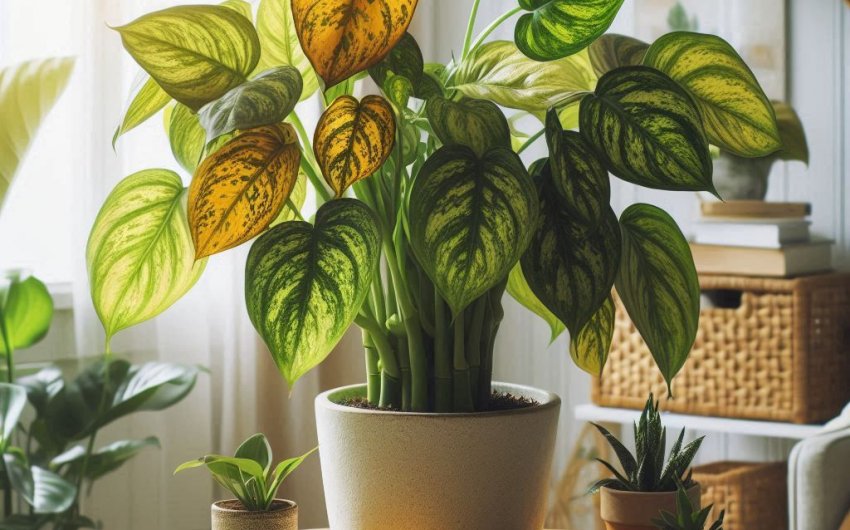
Pothos plants (Epipremnum aureum), often called Devil's Ivy, are celebrated for their incredible hardiness and lush, trailing foliage. They are frequently recommended for beginners due to their ability to tolerate a wide range of conditions. However, even these resilient houseplants can sometimes show signs of distress. If you've noticed your once-vibrant pothos has yellow and brown spots, it's a common concern that signals an underlying issue. Understanding what these spots mean and how to address them is crucial for bringing your plant back to full health. This guide will help you diagnose the problem and provide effective solutions to restore your pothos's vibrant green (or variegated) glory.
What Do Yellow and Brown Spots on Pothos Leaves Indicate?
Yellow and brown spots on pothos leaves are usually a cry for help from your plant. While they can indicate various issues, they most often point to problems with watering, light, or environmental stress. The exact appearance of the spots can offer clues to the specific cause.
- Yellowing (Chlorosis): This indicates a lack of chlorophyll, often due to nutrient deficiency or stress.
- Entire leaf turning yellow: Often points to overwatering, nutrient deficiency, or natural aging.
- Yellow spots/splotches: Can indicate pests, fungal issues, or specific nutrient problems.
- Browning (Necrosis): This signifies tissue death.
- Brown tips/edges: Common for underwatering or low humidity.
- Brown spots with yellow halo: Often a sign of fungal or bacterial disease.
- Crispy brown spots: Can be sunburn or extreme underwatering.
- Mushy brown spots: Almost always a sign of overwatering or root rot.
The first step in troubleshooting is always observation. Look closely at the pattern, location, and texture of the spots.
Is My Watering Schedule Causing the Spots?
Improper watering is by far the most common reason for yellow and brown spots on pothos leaves. Both overwatering and underwatering can lead to distress signals.
Overwatering:
- Symptoms: This is the more common issue.
- Yellowing leaves: Often affects older, lower leaves first. The yellowing may be uniform across the leaf.
- Brown, mushy spots or patches: Particularly on stems and near the soil line. Leaves may feel soft and limp.
- Drooping: Plant looks wilted despite wet soil.
- Foul smell: From the soil (indicating root rot).
- Fungus gnats: Small, black flies hovering around the soil.
- Why it Happens: Pothos prefers its soil to dry out between waterings. If the soil stays constantly wet, roots suffocate from lack of oxygen and begin to rot. Rotting roots cannot absorb water or nutrients, leading to plant decline.
- Solutions:
- Check Soil Moisture: Always check the soil before watering. Stick your finger 1-2 inches into the soil. Only water when it feels dry. A plant moisture meter can also be helpful.
- Ensure Drainage: Your pot MUST have drainage holes. If it doesn't, repot immediately into a pot that does. A cachepot (decorative pot without holes) must allow for draining excess water.
- Proper Potting Mix: Use a well-draining houseplant potting mix. You can amend it with perlite or orchid bark for extra drainage.
- Reduce Frequency: In winter, plants need less water as growth slows. Adjust your watering schedule accordingly.
- Address Root Rot (if suspected):
- Carefully remove the plant from its pot.
- Gently remove old soil.
- Inspect roots: Healthy roots are firm and white/tan. Rotten roots are mushy, black, or brown and may smell foul.
- With clean, sharp pruners, cut away all rotten roots.
- Repot into a clean pot with fresh, well-draining soil. You can use the same pot if cleaned thoroughly, or a smaller one if many roots were removed.
- Water very sparingly until new growth appears.
Underwatering:
- Symptoms:
- Crispy brown edges or tips: Leaves become dry and brittle.
- Yellowing: Leaves may yellow and then brown entirely.
- Drooping: Plant looks limp and dehydrated.
- Dry Soil: Soil pulls away from the sides of the pot.
- Why it Happens: You're not watering frequently enough or thoroughly enough. Pothos likes to dry out, but not to the point of severe dehydration.
- Solutions:
- Water Thoroughly: When you water, do so until water drains from the bottom.
- Bottom Watering: For very dry plants, place the pot in a basin of water for 20-30 minutes to allow it to soak up water from the bottom.
- Consistent Check: Develop a consistent habit of checking the soil moisture every few days.
Could My Light Conditions Be Causing the Spots?
While pothos are famously tolerant of low light, extreme or improper light conditions can cause leaf discoloration.
Too Much Direct Sunlight:
- Symptoms: Yellow or brown scorched spots, often appearing suddenly, typically on the most exposed leaves. The spots will be dry and crispy. Variegated varieties might lose their variegation and revert to green.
- Why it Happens: Direct, intense sunlight can burn the delicate leaves of a pothos.
- Solutions:
- Move to Indirect Light: Place your pothos in a location that receives bright, indirect light. An east-facing window is often ideal.
- Filter Light: If your only option is a bright window, use sheer curtains or move the plant a few feet away from the window.
Too Little Light (Less Common for Spots, More for Yellowing/Legginess):
- Symptoms: Leaves may turn yellow and drop (often older leaves). The plant might become leggy (long, stretched stems with sparse leaves) as it tries to reach for light. Variegated varieties may lose their color.
- Why it Happens: While tolerant, very low light conditions stress the plant. It may shed less efficient leaves to conserve energy.
- Solutions:
- Brighter Indirect Light: Move the plant to a brighter spot, still avoiding direct sun.
- Clean Leaves: Wipe dust off leaves regularly to maximize light absorption.
- Supplemental Lighting: If your space is very dim, consider a grow light for indoor plants for 8-12 hours a day.
Are There Nutrient Deficiencies or Over-Fertilization Issues?
Improper nutrient levels can also cause yellowing and browning on pothos.
Nutrient Deficiency:
- Symptoms:
- General yellowing: Often a sign of nitrogen deficiency, usually starting with older leaves.
- Yellowing between veins (veins remain green): Could indicate an iron or magnesium deficiency.
- Stunted growth: Overall lack of vigor.
- Why it Happens: Over time, plants use up nutrients in their potting mix.
- Solutions:
- Regular Fertilization: During the growing season (spring and summer), use a balanced liquid houseplant fertilizer at half strength every 2-4 weeks.
- Topdressing with Compost: Annually, add a thin layer of compost or worm castings to the top of the soil for a gentle, slow-release nutrient boost.
Over-Fertilization (Fertilizer Burn):
- Symptoms: Brown or yellow leaf tips/edges, sometimes with a crispy texture. White crust on the soil surface.
- Why it Happens: Excess fertilizer salts accumulate in the soil and can "burn" the plant's roots.
- Solutions:
- Flush Soil: Water the plant thoroughly until water drains from the bottom for several minutes. Repeat daily for a few days to leach out excess salts.
- Reduce Fertilizer: Stop fertilizing immediately. When you resume, dilute to half or quarter strength.
- Avoid Winter Fertilizing: Do not fertilize in fall or winter when the plant's growth slows.
What About Pests and Diseases Causing Spots?
While often environmental, yellow and brown spots can also be a sign of pest infestations or fungal diseases.
Pests:
- Spider Mites: Tiny, almost invisible pests that cause tiny yellow dots (stippling) on leaves, eventually leading to widespread yellowing and browning. Look for fine webbing on leaf undersides or in leaf axils.
- Mealybugs: White, cottony masses found in leaf axils, on stems, or on leaf undersides. They suck sap, causing yellowing and weakening.
- Scale: Small, immobile, brown, or black bumps on stems and leaves. Like mealybugs, they suck sap and cause yellowing.
- Thrips: Tiny, slender insects that cause silvery or speckled appearance on leaves, followed by browning.
- Symptoms: Beyond the spots, look for the pests themselves, sticky honeydew, or distorted new growth.
- Solutions:
- Isolate Plant: Immediately move the infested pothos away from other plants.
- Physical Removal: For small infestations, wipe off pests with a cotton swab dipped in rubbing alcohol. Use a strong stream of water to blast off pests (especially for spider mites).
- Organic Sprays: Apply organic insecticidal soap or neem oil spray thoroughly, covering all plant surfaces, especially leaf undersides. Repeat applications every 5-7 days for several weeks to break the pest's life cycle.
Fungal/Bacterial Diseases:
- Symptoms: Usually distinct brown or black spots, often with a yellow halo around them. They may feel soft or mushy, or sunken. Can spread rapidly.
- Why it Happens: Overwatering, high humidity, and poor air circulation often create conditions favorable for fungal or bacterial growth.
- Solutions:
- Remove Affected Leaves: Immediately prune and discard any infected leaves with clean, sharp pruners.
- Improve Air Circulation: Increase airflow around the plant. Don't crowd plants.
- Adjust Watering: Ensure you are not overwatering and that the soil drains well. Water the soil, not the leaves, to prevent wet foliage.
- Fungicides (Rarely Needed): For very persistent or severe cases, a specific houseplant fungicide might be considered, but cultural adjustments are usually enough.
What About Other Environmental Stressors?
Beyond the main culprits, a few other environmental factors can cause pothos leaves to develop yellow or brown spots.
Cold Drafts / Sudden Temperature Changes:
- Symptoms: Brown or black spots, often appearing quickly, particularly on leaves exposed to the cold. Plant may droop.
- Why it Happens: Pothos are tropical plants and dislike sudden temperature drops or prolonged exposure to cold drafts from windows, doors, or vents.
- Solutions: Move your plant to a stable environment away from drafts. Maintain consistent room temperatures (65-80°F or 18-27°C).
Low Humidity:
- Symptoms: Brown, crispy leaf tips or edges, especially during dry winter months.
- Why it Happens: While adaptable, prolonged low humidity can stress the plant.
- Solutions:
- Pebble Tray: Place the pot on a tray filled with pebbles and water (pot not sitting in water).
- Humidifier: Use a room humidifier for consistent humidity.
- Grouping Plants: Cluster plants together to create a microclimate.
Repotting Shock:
- Symptoms: Temporary yellowing or browning of some leaves after repotting.
- Why it Happens: Roots are disturbed during repotting, causing temporary stress.
- Solutions: Provide good care (proper watering, light) and be patient. The plant should recover. Avoid repotting in fall or winter.
Long-Term Prevention and General Care for Pothos
Maintaining a consistent, healthy environment for your pothos is the best defense against yellow and brown spots.
- Consistent Watering Routine: Develop a habit of checking soil moisture regularly and watering only when the top 1-2 inches are dry. Use pots with drainage holes.
- Right Light, Right Place: Place your pothos in bright, indirect light. Avoid direct sun.
- Proper Potting Mix: Use a well-draining, airy potting mix.
- Fertilize Prudently: Fertilize only during spring and summer, using a diluted balanced fertilizer.
- Clean Leaves: Wipe dust off leaves regularly with a damp cloth to maximize photosynthesis and deter pests.
- Prune Regularly: Remove any yellow, brown, or dead leaves promptly. This directs the plant's energy to healthy growth and improves air circulation.
- Inspect Routinely: Make it a habit to inspect your plant for pests or unusual spots during watering. Early detection is crucial.
- Avoid Drafts and Temperature Extremes: Keep your pothos in a stable environment.
Seeing yellow and brown spots on your pothos can be alarming, but by systematically diagnosing the cause and implementing the appropriate care adjustments, you can effectively address the problem. Most often, the solution lies in fine-tuning your watering and light conditions. By understanding what should I do if my pothos has yellow and brown spots?, you're well-equipped to keep your resilient pothos thriving and vibrant for years to come.