
Why Is My Jade Plant Getting Wrinkled Leaves?
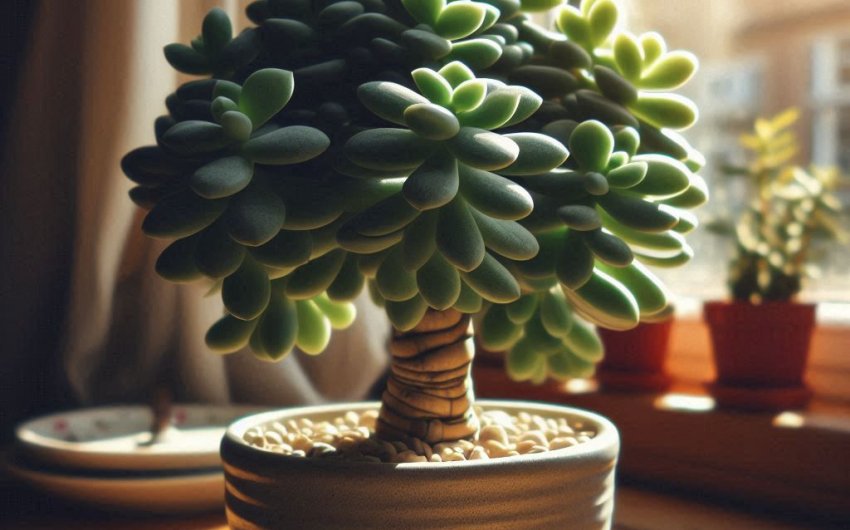
A healthy jade plant (Crassula ovata) is typically characterized by plump, glossy, and firm leaves. So, if you're suddenly asking, "Why is my jade plant getting wrinkled leaves?" it's a clear sign that your plant is experiencing some form of stress. Wrinkled, shriveled, or deflated leaves on a jade plant are almost always a cry for help, indicating an imbalance in its environment or care routine. Understanding the specific reasons behind this common symptom is the crucial first step to restoring your beloved jade to its vibrant, robust health. This guide will explore all the likely culprits and offer actionable solutions to get your jade plant's leaves plump and smooth again.
What Do Wrinkled Jade Leaves Indicate?
When a jade plant's leaves begin to wrinkle, shrivel, or appear deflated, it's a direct visual cue that the succulent is experiencing turgor loss. Turgor pressure is the internal water pressure that keeps plant cells firm and full. When cells lose water, they become flaccid, leading to the wrinkled appearance.
Why Does Turgor Loss Happen in Jade Plants?
Jade plants are succulents, meaning they are adapted to store water in their thick, fleshy leaves and stems. This adaptation allows them to survive prolonged periods of drought in their natural habitat. However, even these water-storing champions have limits. Wrinkling indicates that the plant's internal water reserves are being depleted faster than they can be replenished, or that the plant is unable to access water from its environment.
Here's what the appearance of wrinkled leaves suggests:
- Dehydration: The most straightforward cause. The plant simply doesn't have enough water in its system.
- Impaired Water Uptake: Even if water is available in the soil, something might be preventing the roots from absorbing it (e.g., root rot, compacted soil, extreme temperatures).
- Excessive Water Loss: Environmental factors might be causing the plant to lose water too quickly through its leaves (transpiration).
The wrinkled leaves are the jade plant's way of signaling that its internal hydration is compromised, urging you to investigate and rectify the underlying issue.
Why is Underwatering the Most Common Cause?
When a jade plant's leaves start to wrinkle, the very first thing to consider is underwatering. This is by far the most frequent reason for this symptom, especially for plants that prefer dry conditions between waterings.
How Does Underwatering Cause Wrinkled Leaves?
Jade plants store water, but their reserves aren't limitless. When the soil remains dry for too long, the plant begins to draw on the water stored in its leaves. As these reserves are used up, the leaf cells lose their turgor pressure, causing them to deflate and wrinkle.
- Symptoms:
- Wrinkled, shriveled, or deflated leaves: They feel soft and pliable, not plump and firm.
- Leaves may appear dull or slightly yellowed before turning fully brown and crispy.
- Drooping leaves or stems: The plant may lose its upright posture.
- Dry, compacted soil: The soil will be bone dry to the touch, often pulling away from the edges of the pot.
- Lightweight pot: When you lift the pot, it will feel unusually light.
How to Correct Underwatering:
- Water Thoroughly: When you do water, water until it drains freely from the bottom of the pot. Don't just give a small sip.
- Bottom Watering (Recommended for Very Dry Soil): If the soil is extremely dry and compacted (hydrophobic), water may run straight through without being absorbed. In this case, place the pot in a larger container or sink filled with 2-3 inches of water. Let the plant sit for 20-30 minutes, allowing the soil to soak up water from the bottom.
- Establish a Watering Rhythm:
- Check First: Always check the soil moisture before watering. Stick your finger 1-2 inches deep into the soil. For jade plants, allow the soil to completely dry out between waterings, plus a few extra days.
- Visual Cues: Wait until the leaves show the slightest sign of wrinkling (an early indicator of thirst) before watering. This teaches you your plant's specific needs.
- Seasonal Adjustment: Jade plants need significantly less water in their dormant period (fall and winter) than during their active growth (spring and summer). Adjust your watering frequency accordingly.
- A soil moisture meter for succulents can help provide accurate readings.
By adjusting your watering habits to ensure thorough hydration when the plant needs it, you can quickly reverse the wrinkled leaf symptom and revive your jade plant.
Can Overwatering Also Cause Wrinkled Leaves?
This might seem paradoxical, but yes, overwatering can absolutely lead to wrinkled or mushy leaves on a jade plant, even though the soil is wet. This is a common and often more serious issue than underwatering, as it leads to root rot.
How Does Overwatering Cause Wrinkled Leaves?
When a jade plant is overwatered, its roots are constantly sitting in soggy, airless soil. This deprives the roots of oxygen, causing them to suffocate, decay, and die.
- Mechanism: Dead or rotting roots cannot absorb water or nutrients, even if they are present in the soil. The plant effectively "dehydrates" above ground because its water delivery system (the roots) is compromised. As the leaves lose water and cannot replenish it, they wrinkle.
- Symptoms (Distinguishing from Underwatering):
- Wrinkled leaves, but also potentially soft, mushy, and translucent.
- Yellowing leaves, often starting from the bottom, which may then turn black or brown.
- Stems may feel soft or mushy at the base, indicating stem rot.
- Foul, earthy, or rotten smell coming from the soil or drainage holes.
- Soil is constantly wet and dense.
- Pot feels heavy and waterlogged.
- Solution:
- Immediate Action: Stop watering immediately.
- Improve Drainage: Ensure your pot has drainage holes. This is non-negotiable for jade plants.
- Use Well-Draining Soil: Use a succulent and cactus potting mix that is formulated for excellent drainage (e.g., contains perlite, pumice, or coarse sand).
- Check for Root Rot: Gently unpot your jade plant. Inspect the roots. Healthy roots are usually white or light-colored and firm. Rotten roots will be black or brown and mushy/slimy.
- Prune Affected Roots: With clean, sharp scissors, trim away all rotten roots. Cut back to healthy, firm root tissue.
- Repot: Repot into fresh, dry, well-draining succulent potting mix and a clean pot (or clean the old one thoroughly).
- Wait to Water: Do not water for at least a week after repotting, allowing any damaged roots to callus over and minimizing the risk of new rot.
Overwatering is often the silent killer of jade plants. Correcting it swiftly and properly is essential for reviving your jade plant from wrinkled leaves caused by root rot.
What About Pot Size and Soil Type?
The container your jade plant lives in and the soil it's planted in are fundamental to its ability to manage water, and both can contribute to wrinkled leaves if not chosen correctly.
How Does Pot Size Affect Jade Plants?
- Too Small (Root-Bound):
- Problem: If a jade plant is severely root-bound, its roots may form a dense, tangled mass, unable to absorb water efficiently. The limited soil volume also dries out extremely quickly.
- Symptoms: Wrinkled leaves despite regular watering, stunted growth, roots growing out of drainage holes.
- Solution: Repot into a pot that is only 1-2 inches larger in diameter. Avoid going too big, as this can lead to overwatering issues.
- Too Large:
- Problem: A pot that is too large holds too much soil and, consequently, too much moisture. This greatly increases the risk of overwatering and root rot, especially if the plant's roots haven't grown enough to utilize all the available water.
- Symptoms: Often presents as overwatering symptoms (wrinkled, mushy leaves, yellowing, root rot).
- Solution: Repot into a smaller pot that is more appropriately sized for the root ball.
How Does Soil Type Affect Jade Plants?
- Dense, Heavy Soil (e.g., Garden Soil, Regular Potting Mix):
- Problem: These soils retain too much moisture and compact easily, suffocating roots and leading to root rot. They don't provide the rapid drainage jade plants need.
- Symptoms: Overwatering symptoms (wrinkled, mushy leaves, root rot).
- Solution: Repot into a well-draining succulent and cactus potting mix. You can also amend regular potting mix by adding 50% perlite or pumice to improve drainage.
- Too Fast-Draining Soil:
- Problem: While good drainage is key, soil that drains too quickly (e.g., pure sand or large gravel) may not hold enough moisture for the plant to absorb, leading to underwatering.
- Symptoms: Underwatering symptoms (wrinkled, shriveled leaves).
- Solution: Ensure your succulent mix has a balance of organic matter (like coco coir or peat moss) and inorganic grit (perlite, pumice, coarse sand).
Matching the pot size to the plant and using the correct well-draining soil mix are fundamental to healthy jade plant care and crucial for preventing wrinkled leaves.
Can Temperature and Light Conditions Cause Wrinkled Leaves?
While watering is often the main culprit, environmental factors like extreme temperatures and incorrect light conditions can also stress a jade plant, leading to symptoms like wrinkled leaves.
How Does Temperature Affect Jade Plants?
Jade plants prefer moderate temperatures, generally between 65-75°F (18-24°C). They are not very tolerant of extremes.
- Extreme Heat:
- Problem: Prolonged exposure to very high temperatures (above 90°F / 32°C), especially if combined with low humidity, can cause the plant to lose water through transpiration faster than its roots can absorb it, even if the soil is moist.
- Symptoms: Wrinkled, shriveled leaves, sometimes with a reddish tint from stress.
- Solution: Move the plant to a cooler location. Provide good air circulation. Increase humidity (e.g., with a pebble tray) if the air is very dry.
- Cold Stress / Frost Damage:
- Problem: Jade plants are very sensitive to cold. Temperatures below 50°F (10°C) can cause stress, and freezing temperatures (below 32°F / 0°C) will cause irreversible frost damage. When cells freeze and burst, the leaves will turn translucent, then black, mushy, and eventually shrivel.
- Symptoms: Initial translucency, then blackening, mushiness, followed by shriveling/wrinkling of dead tissue.
- Solution: Move the plant indoors or to a warmer spot immediately if cold is expected. Prune away any damaged parts once thawed.
How Does Incorrect Light Affect Jade Plants?
While less common to cause direct wrinkling, incorrect light can stress the plant, making it more susceptible to other issues or displaying stress symptoms.
- Too Much Direct, Intense Sunlight:
- Problem: While jade plants need bright light, sudden exposure to intense, unfiltered direct sun can cause sunburn and stress, leading to a rapid loss of moisture.
- Symptoms: Leaves may turn reddish, then develop bleached or scorched brown/black patches, which can then wrinkle.
- Solution: Gradually acclimate the plant to brighter light. Provide filtered light during the hottest part of the day.
- Too Little Light (Less Likely to Cause Wrinkling):
- Problem: Insufficient light primarily leads to leggy, stretched growth and weak stems, not typically wrinkled leaves (unless combined with other stressors like overwatering due to slow growth).
- Symptoms: Pale green leaves, elongated stems, lack of vibrancy.
- Solution: Move the plant to a brighter location with good indirect light.
Ensuring your jade plant is in its preferred temperature range and receiving adequate (but not excessive) light helps reduce overall stress, which in turn helps prevent wrinkled leaves.
Can Pests or Disease Cause Wrinkled Leaves?
While less direct than watering issues, severe pest infestations or certain diseases can weaken a jade plant, impairing its ability to absorb and retain water, which can ultimately lead to wrinkled leaves.
How Do Pests Affect Jade Plants?
Pests typically feed on plant sap, draining the plant's vital fluids and stressing it.
- Mealybugs: These are soft, white, cottony insects that cling to stems and leaf undersides, sucking sap.
- Symptoms: Leaves may become yellow, distorted, and eventually shrivel or wrinkle from severe sap loss. You'll see the white, cottony masses.
- Solution: Isolate the plant. Dab individual mealybugs with a cotton swab dipped in rubbing alcohol. For larger infestations, use insecticidal soap spray or neem oil spray for houseplants.
- Spider Mites: Tiny arachnids that cause tiny yellow or brown stippling on leaves and fine webbing, especially on undersides.
- Symptoms: Leaves look dull, may turn pale or yellow, and then shrivel or wrinkle as they dry out from severe damage.
- Solution: Increase humidity. Rinse foliage thoroughly. Treat with insecticidal soap or neem oil.
How Do Diseases Affect Jade Plants?
The primary disease concern for jade plants related to water and leaf health is root rot.
- Root Rot (Fungal): As discussed under overwatering, this fungal disease occurs when roots are waterlogged and deprived of oxygen, causing them to decay.
- Symptoms: Wrinkled leaves despite wet soil, mushy stems, yellowing then blackening leaves, a foul odor.
- Solution: Unpot, trim rotten roots, repot in dry, fresh succulent mix. Adjust watering.
How to Check for Pests and Diseases:
- Thorough Inspection: Regularly inspect your jade plant, including the undersides of leaves, stems, and the soil surface, for any signs of insects, webbing, or unusual spots. A plant magnifying glass can be useful for tiny pests.
- Act Quickly: If you find pests, isolate the plant immediately to prevent spread and treat consistently.
While pests and diseases are secondary causes of wrinkling compared to watering issues, they can severely compromise a jade plant's health, making it unable to absorb water properly and thus leading to wrinkled leaves.
A Quick Diagnostic Guide for Wrinkled Jade Leaves
To help you troubleshoot and pinpoint why your jade plant is getting wrinkled leaves, here's a quick diagnostic table summarizing the common causes and their distinguishing characteristics.
| Symptom & Behavior | Most Likely Cause(s) | Distinguishing Characteristics |
|---|---|---|
| Leaves wrinkled, soft/pliable, soil bone dry, pot very light | Underwatering | Most common. Plant perks up after thorough watering. No foul smell. |
| Leaves wrinkled, mushy/translucent, yellowing, soil soggy, pot heavy | Overwatering / Root Rot | Foul smell from soil. Stems may be soft at base. Plant wilts despite wet soil. Does not perk up after more water. |
| Leaves wrinkled, shriveled, then black/mushy after cold snap | Cold Damage / Frost | Occurs after exposure to temperatures below 50°F (10°C). Affected tissue dies and blackens. |
| Leaves wrinkled, reddish tint, scorched spots, very intense light | Too Much Direct Sun / Sunburn | Occurs in very bright, unfiltered sunlight. Leaves may feel hot. |
| Leaves wrinkled, pale/yellow, overall weak, roots circling pot | Root-Bound | Roots are visible from drainage holes or encircling root ball. Soil dries very quickly. |
| Leaves wrinkled, yellowing, visible white, cottony masses or stippling | Pest Infestation (Mealybugs, Spider Mites) | Presence of actual insects, sticky residue, or webbing. |
| Leaves wrinkled, crisp edges, white crust on soil, recently fertilized | Over-Fertilization | Soil has a white, salty crust on surface or around drainage holes. Plant shows general distress. |
Step-by-Step Action Plan to Revive Your Jade Plant
Once you've identified the likely cause for why your jade plant is getting wrinkled leaves, it's time to take effective action. Follow these steps to help your beloved jade plant return to its plump, healthy self.
Assess and Correct Watering (Most Common Causes):
- Check Soil Moisture: Stick your finger 1-2 inches deep into the soil.
- If Dry (Underwatering): Water thoroughly until water drains from the bottom. For very dry, hydrophobic soil, try bottom watering for 20-30 minutes. Once recovered, ensure you let the soil completely dry out between waterings, plus a few extra days, especially in winter.
- If Soggy (Overwatering/Root Rot Suspect): Immediately stop watering. Gently unpot the plant to inspect roots. Trim away any black, mushy roots with clean, sharp scissors. Repot into fresh, dry, well-draining succulent potting mix and a clean pot. Do NOT water for at least a week to allow roots to heal. Ensure your pot has drainage holes.
Evaluate Light and Temperature Conditions:
- Light: If the plant is in intense, direct sun, move it to a spot with bright, indirect light. If it was recently moved outdoors, acclimate it slowly.
- Temperature: If temperatures dropped below 50°F (10°C), move the plant to a warmer spot. If frost damage has occurred, prune away black, mushy, dead tissue with sterilized scissors once the plant has thawed (do not touch when frozen).
Check Pot Size and Soil Type:
- Root-Bound? If roots are circling the pot, repot into a pot only 1-2 inches larger.
- Soil Type: If not using a fast-draining succulent mix, repot into one. You can amend regular potting mix with 50% perlite or pumice for better drainage.
Inspect for Pests:
- Thorough Scan: Examine all leaves (top and bottom) and stems for any signs of mealybugs, spider mites, or other pests.
- Treat: If pests are found, isolate the plant and treat promptly with appropriate organic solutions like rubbing alcohol (for mealybugs), insecticidal soap, or neem oil.
Review Fertilization:
- Recent Heavy Fertilization? If there's a white crust on the soil or you recently fertilized heavily, flush the soil with ample fresh water to remove excess salts.
- Lack of Fertilization? Jade plants don't need much, but if other issues are ruled out and the plant seems generally weak, a light, diluted feeding in spring/summer might help.
Prune Severely Damaged Leaves:
- Once the underlying issue is addressed, and you've given the plant a week or two to stabilize, prune away any leaves that remain shriveled, brown, or mushy. These won't recover and can potentially encourage rot. Make clean cuts with sterile tools.
Be Patient and Observe:
- Recovery Takes Time: It takes time for a jade plant to rehydrate and recover. Don't expect immediate results.
- Monitor: Continue to observe your plant closely. The wrinkled leaves will gradually plump up as the plant recovers. This symptom is often one of the first to appear and the first to disappear when care is corrected.
By systematically going through these steps, you can pinpoint the specific reasons why your jade plant is getting wrinkled leaves and implement the correct interventions to help it thrive and return to its characteristic plump, vibrant glory.