
Battling Mealybugs: A Comprehensive Guide for Gardeners
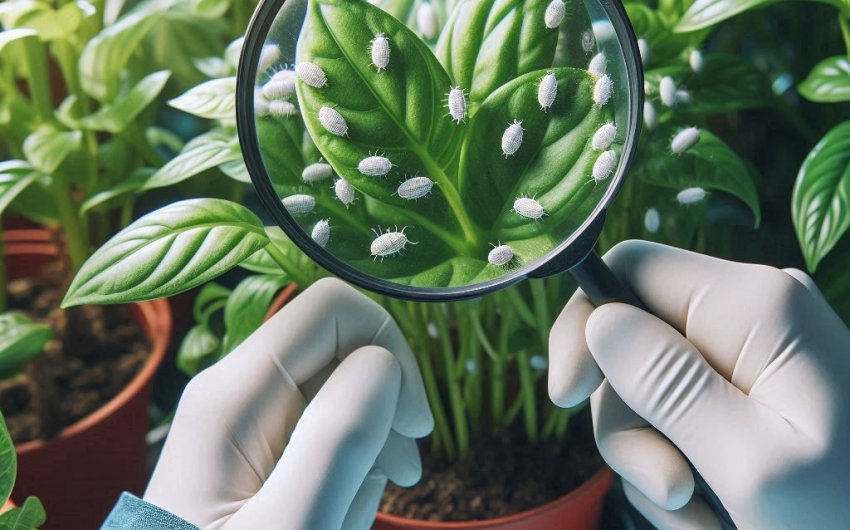
Gardening is a rewarding and therapeutic activity, but it comes with its own set of challenges. One such common issue that gardeners encounter is the infestation of mealybugs, which can wreak havoc on various plants. These small, sap-sucking pests not only damage the plants but also spread diseases. This guide will help you understand everything about mealybugs, from identifying them to effectively managing and preventing infestations in your garden.
Understanding Mealybugs
Mealybugs belong to the family Pseudococcidae and are tiny, unarmored insects that thrive in warm, humid environments. These pests are covered with a white, waxy substance that gives them a cotton-like appearance, which acts as a protective barrier. Typically found in clusters, mealybugs feed on the plant sap, weakening the plant and leaving behind a sticky residue known as honeydew. The honeydew can attract other pests, such as ants, and lead to the growth of sooty mold, further compromising the plant's health.
Life Cycle of Mealybugs
Understanding the life cycle of mealybugs is crucial for effectively controlling them. They go through three main stages: egg, nymph, and adult.
- Egg Stage: Female mealybugs lay hundreds of eggs in a cottony mass over a few weeks. The eggs usually hatch within 6-14 days, depending on environmental conditions.
- Nymph Stage: The nymphs, also called crawlers, emerge from the eggs and are highly mobile, moving to different parts of the plant to feed. They gradually develop their waxy coating over several weeks.
- Adult Stage: Adult mealybugs are less mobile than nymphs and primarily focus on feeding and reproducing.
Understanding these stages helps in determining the right time to intervene and use the appropriate treatment methods.
Identifying Mealybug Damage
Mealybugs can cause a variety of problems in your garden. Early detection is key to preventing a full-blown infestation. Here are some telltale signs to look for:
- White, cottony clusters: If you notice small, cotton-like masses on the undersides of leaves, stems, or roots, mealybugs may be present.
- Stunted growth: Infested plants may exhibit poor growth, wilting, or yellowing leaves.
- Honeydew residue: The sticky residue left behind by mealybugs can attract other pests and lead to sooty mold, a black fungal growth.
- Leaf drop: Severe infestations can cause leaves to drop prematurely.
If you notice any of these symptoms, inspect your plants carefully to confirm the presence of mealybugs.
The Most Common Mealybug Host Plants
While mealybugs can infest a variety of plants, certain species are particularly susceptible. Common host plants include:
- Succulents: Mealybugs love the juicy leaves of succulents, making them a frequent target.
- Houseplants: Popular indoor plants like pothos, orchids, and ferns often fall victim to these pests.
- Fruit Trees: Citrus trees, in particular, are prone to mealybug infestations.
- Herbs and Vegetables: Plants like basil, peppers, and tomatoes can also suffer from mealybugs.
Knowing which plants are more susceptible allows gardeners to take preventative measures and monitor them closely for signs of infestation.
Natural Mealybug Control Methods
If you prefer to use organic or natural solutions, there are various mealybug control methods you can try that are safe for your plants and the environment. Here are some of the most effective natural ways to deal with mealybugs:
1. Neem Oil
Neem oil is a powerful natural insecticide derived from the seeds of the neem tree. It works by disrupting the hormonal systems of insects, making it difficult for them to feed, grow, or reproduce. To use neem oil, dilute it with water and spray it directly on the affected areas. Neem oil is particularly effective when applied at the nymph stage.
Find neem oil products for your garden to start treating your plants today.
2. Rubbing Alcohol
Rubbing alcohol can dissolve the waxy coating of mealybugs, making them vulnerable. Mix one part rubbing alcohol with three parts water and apply it to the mealybugs using a cotton swab. Be sure to test the solution on a small part of the plant first to ensure it doesn’t cause damage.
Use rubbing alcohol for this simple yet effective mealybug treatment.
3. Beneficial Insects
Introducing natural predators like ladybugs, lacewings, or predatory beetles can help reduce the mealybug population. These beneficial insects feed on mealybugs and can help restore the natural balance in your garden.
Check out some beneficial insects that can aid in pest control for your garden.
4. Soap Sprays
Insecticidal soap sprays work by suffocating mealybugs and are safe to use on most plants. Make sure to cover the entire plant, especially the undersides of leaves, where mealybugs tend to hide.
Consider using insecticidal soap as part of your pest control strategy.
Chemical Mealybug Control Methods
If natural remedies aren't working or you have a severe infestation, chemical treatments may be necessary. Always follow the instructions on the label and consider the environmental impact when using chemical solutions.
1. Systemic Insecticides
Systemic insecticides are absorbed by the plant and are effective against mealybugs because they poison the pests as they feed. They can be applied as soil drenches or foliar sprays, making them versatile in pest management.
Select the right systemic insecticide for your specific needs to control mealybug populations.
2. Contact Insecticides
These insecticides kill mealybugs on direct contact. While they can be effective, contact insecticides often need to be reapplied frequently to ensure all pests are eliminated, especially since they don’t affect mealybugs hidden in the soil.
Look for contact insecticides that target soft-bodied insects like mealybugs.
Preventing Mealybug Infestations
Prevention is always better than cure. Here are some proactive measures you can take to minimize the risk of mealybug infestations in your garden.
1. Regular Inspections
Inspect your plants regularly for any signs of pest activity. Pay special attention to new plants before bringing them into your garden, as they may harbor mealybugs or other pests.
2. Quarantine New Plants
If you bring new plants into your garden, quarantine them for a few weeks to ensure they are free from pests before introducing them to other plants.
3. Proper Plant Care
Healthy plants are less likely to suffer from severe pest infestations. Ensure that your plants are well-watered, appropriately fertilized, and pruned to improve airflow and reduce humidity, making the environment less favorable for mealybugs.
4. Keep Ants Away
Since ants are attracted to the honeydew produced by mealybugs, they may help protect mealybugs from predators. Controlling ants can help reduce mealybug populations. Use ant control products to keep them at bay.
5. Use Barriers
If you have potted plants, consider using barriers like sticky traps around the base to catch mealybugs that crawl up from the soil. It can also help monitor the level of infestation in your garden.
Explore sticky traps as a preventive measure for pest control.
DIY Remedies for Mealybugs
For gardeners who prefer a hands-on approach, here are some DIY mealybug treatments you can try with ingredients you may already have at home.
1. Garlic Spray
Garlic is a natural insect repellent and can be used to create a homemade spray. Crush a few garlic cloves and steep them in water overnight. Strain the mixture and spray it on the affected plants.
Garlic cloves are widely available and can be used for multiple purposes.
2. Chili Pepper Spray
A hot pepper spray made from chili peppers can be an effective deterrent for mealybugs. Blend some chili peppers with water, strain, and spray it on your plants. Be cautious when applying, as the spray can irritate skin and eyes.
Try making a spray using chili peppers for your mealybug issues.
3. Dish Soap and Water
Mix a few drops of dish soap with water and spray it directly onto the mealybugs. The soap breaks down the waxy coating, making the pests more vulnerable to drying out. Ensure the solution is not too concentrated, as it could harm the plant.
Use dish soap to create an easy and effective pest spray.
How to Treat Root Mealybugs
While most gardeners are familiar with treating mealybugs on the leaves and stems, root mealybugs are often overlooked and can be even more damaging. They live in the soil and feed on plant roots, which can lead to significant root damage and plant decline.
1. Repotting the Plant
Carefully remove the affected plant from its pot and inspect the roots. Wash off the soil and prune any damaged roots. Repot the plant in fresh, clean soil and a disinfected container to prevent reinfestation.
Use potting soil to ensure a fresh start for your plant.
2. Soil Drench Insecticide
If the infestation is severe, a soil drench insecticide may be required. These treatments are absorbed by the roots and kill mealybugs when they try to feed.
Choose a soil drench insecticide specifically formulated for mealybugs.
3. Beneficial Nematodes
Beneficial nematodes are microscopic worms that attack root pests, including mealybugs. They enter the pests' bodies, releasing bacteria that kill the mealybugs, making them an excellent organic solution.
Purchase beneficial nematodes to help control root mealybug problems in your garden.
Companion Planting to Deter Mealybugs
Companion planting is a natural strategy where certain plants are grown together because they enhance each other's growth or repel pests. The following plants are known to deter mealybugs due to their scent or natural properties:
- Basil: The strong aroma of basil repels many insects, including mealybugs.
- Marigold: These bright flowers are not only beautiful but also effective in keeping pests away.
- Lavender: Known for its fragrant smell, lavender deters mealybugs and other garden pests.
Consider incorporating companion plants into your garden layout for added protection.
Managing Mealybugs in Indoor Plants
Indoor plants are not immune to mealybug infestations. In fact, due to the controlled environment, they can become an ideal breeding ground for these pests. Here’s how to deal with mealybugs on indoor plants:
1. Isolation of Affected Plants
Immediately isolate any infested plants to prevent the spread of mealybugs to other indoor plants. Place the affected plant in a separate room or outdoors if possible.
2. Manual Removal
For minor infestations, you can manually remove mealybugs using a cotton swab dipped in rubbing alcohol. Gently dab the mealybugs with the swab to kill them.
Try using cotton swabs for precise application.
3. Increase Humidity
Mealybugs thrive in dry conditions. By increasing the humidity around your plants, you can create a less favorable environment for these pests.
Use a humidifier to maintain optimal humidity levels for your indoor plants.
4. Apply Natural Insecticides
Neem oil and soap sprays are effective and safe for use on indoor plants. Apply them as needed, but avoid overuse to prevent stress on the plant.
Look for natural insecticides that are safe for indoor use.
Frequently Asked Questions about Mealybugs
What attracts mealybugs?
Mealybugs are attracted to plants that are stressed, overwatered, or have high nitrogen levels due to excessive fertilization. They prefer warm, humid environments and often enter gardens via new plants.
Can mealybugs spread to other plants?
Yes, mealybugs can easily spread to other plants through direct contact, infested soil, or even the movement of ants. Isolating infested plants is crucial to preventing the spread.
How do I get rid of mealybugs naturally?
Natural methods like neem oil, rubbing alcohol, beneficial insects, and soap sprays are effective at controlling mealybugs without harmful chemicals.
Do mealybugs harm humans?
Mealybugs do not bite or harm humans directly. However, their presence can lead to plant damage and attract other pests, indirectly affecting the quality of your garden environment.