
Scale Insects: Tiny Threats to Your Beautiful Plants
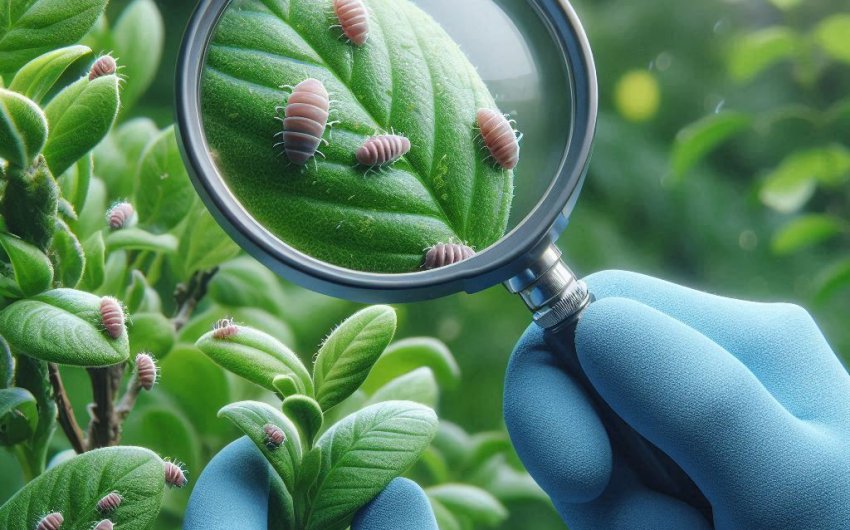
Gardening enthusiasts often face the persistent challenge of dealing with pests. Among the most stubborn of these are scale insects, small sap-sucking insects that can cause significant damage to a wide range of plants. These pests often go unnoticed due to their small size and inconspicuous appearance, but the damage they inflict can be devastating. This comprehensive guide will cover everything you need to know about scale insects, from identification and types to control methods and prevention strategies.
What Are Scale Insects?
Scale insects belong to the superfamily Coccoidea and are known for their small, oval-shaped bodies. They attach themselves to plant surfaces and feed on the sap by piercing the plant tissue with their specialized mouthparts. Unlike many other pests, scale insects are immobile for most of their life cycle, spending much of their time in one spot. Their hard, protective covering makes them difficult to control, as it shields them from many conventional insecticides.
Types of Scale Insects
Scale insects are generally classified into two main categories:
Soft Scales: These have a soft, waxy outer coating and produce a sticky substance known as honeydew. They tend to be larger than armored scales and are more susceptible to insecticides.
Armored Scales: These have a hard, shield-like covering and do not produce honeydew. They are smaller and more challenging to control due to their protective outer layer.
Both types of scales can be harmful, but the control methods may vary slightly depending on the type present in your garden.
Common Host Plants
Scale insects are versatile pests that can infest a variety of plants. While almost any plant can be affected, certain species are particularly vulnerable. Here are some common host plants:
- Orchids: Orchids, with their fleshy leaves and stems, are a prime target for scale insects.
- Citrus Trees: Citrus plants, including lemons and oranges, often experience infestations that can affect fruit production.
- Succulents: These water-retaining plants attract scale insects due to their juicy stems and leaves.
- Houseplants: Indoor plants like ficus, ivy, and palms frequently suffer from scale infestations.
- Roses: The delicate stems and leaves of roses make them susceptible to damage from scale insects.
Knowing which plants are at risk can help you monitor them closely and take early action to manage potential infestations.
Signs of Scale Insect Infestation
Identifying scale insects early is key to effective control. Here are some signs that your plants might be dealing with a scale insect infestation:
- Yellowing or wilting leaves: The plant may exhibit a decline in health as scale insects drain the sap.
- Sticky residue: If you notice a sticky substance on the leaves or surrounding areas, it’s likely honeydew produced by soft scales.
- Sooty mold: This black fungal growth often appears on honeydew-coated surfaces, indicating the presence of scale or other sap-sucking insects.
- Tiny, immobile bumps: Scale insects can resemble small, raised bumps on the stems, leaves, or fruit of plants.
Regular inspection of your plants can help catch infestations early, allowing you to take appropriate action before serious damage occurs.
Natural Control Methods for Scale Insects
For gardeners who prefer a non-toxic approach, there are several natural control methods that can effectively reduce scale insect populations.
1. Horticultural Oils
Horticultural oils, such as neem oil, can smother scale insects by blocking their breathing pores. These oils are safe to use on most plants and can be applied throughout the growing season.
Choose horticultural oils to treat your plants without harming beneficial insects.
2. Insecticidal Soaps
Insecticidal soaps work by breaking down the protective outer coating of the insects, making them susceptible to desiccation. This method is particularly effective against soft scales and should be applied directly to the affected areas.
Look into insecticidal soaps that are formulated for use on a variety of plants.
3. Beneficial Insects
Introducing natural predators such as ladybugs, lacewings, and parasitic wasps can help keep scale insect populations in check. These beneficial insects feed on scale insects and other pests, helping to restore balance in your garden.
Consider adding beneficial insects to your garden to aid in biological control.
4. Rubbing Alcohol
Applying a solution of rubbing alcohol and water with a cotton swab can help remove scale insects manually. This method is suitable for small infestations and allows for targeted application.
Use rubbing alcohol as a spot treatment to control pests on houseplants.
Chemical Control Methods
When natural solutions fail to manage a severe infestation, chemical control methods may be necessary. Here are some chemical treatments that can effectively combat scale insects:
1. Systemic Insecticides
Systemic insecticides are absorbed by the plant and target insects that feed on the sap. These are especially effective against soft scales, as they ingest the chemicals while feeding.
Try systemic insecticides that provide long-lasting protection for your plants.
2. Contact Insecticides
For immediate results, contact insecticides can be used. These sprays kill insects on direct contact but may not penetrate the protective armor of armored scales. Multiple applications may be needed to ensure complete control.
Use contact insecticides to target visible pests directly.
3. Dormant Oils
Dormant oils are applied during the plant's dormant season to smother overwintering scale insects. These oils are typically heavier than horticultural oils and can effectively control hard-to-reach pests.
Opt for dormant oils if you need a solution for scale insects during the off-season.
Preventing Scale Insect Infestations
Prevention is crucial to managing scale insect problems in your garden. By taking some proactive steps, you can reduce the likelihood of an infestation:
1. Regular Plant Inspection
Regularly inspect your plants, especially the undersides of leaves and stems, where scale insects like to hide. Early detection allows you to intervene before the infestation becomes severe.
2. Quarantine New Plants
New plants should be kept separate from existing plants for a few weeks. This quarantine period allows you to observe any potential pest problems before they spread.
3. Maintain Plant Health
Healthy plants are less likely to be seriously affected by scale insects. Proper watering, fertilization, and pruning will improve plant resilience. Avoid over-fertilizing, as excess nitrogen can attract pests.
Use organic fertilizers to promote healthy plant growth without attracting pests.
4. Pruning Infected Areas
If a small portion of the plant is infested, pruning the affected parts can help prevent the scale from spreading. Dispose of the pruned material properly to avoid reinfestation.
Invest in pruning shears for precise cuts and healthy plant maintenance.
5. Use Sticky Traps
Yellow sticky traps can help monitor and reduce scale insect populations. These traps attract the crawlers (young scale insects) and can help you gauge the severity of the infestation.
Consider placing sticky traps around your garden for monitoring purposes.
Homemade Remedies for Scale Insects
For those who prefer DIY solutions, there are several homemade remedies that can be used to manage scale insect infestations. Here are a few recipes:
1. Garlic and Chili Spray
Crush a few garlic cloves and a chili pepper, then steep them in water overnight. Strain the mixture and spray it on affected plants. This solution acts as a natural repellent for scale insects and other pests.
Stock up on garlic cloves to keep your plants safe from pests.
2. Dish Soap and Water Spray
Mix a few drops of dish soap in a spray bottle filled with water and apply it directly to the scale insects. The soap helps to break down the insects' protective coating, causing them to dehydrate and die.
Try a natural dish soap that is safe for plants when making homemade sprays.
3. Essential Oils
Essential oils such as eucalyptus, lavender, and tea tree have insect-repelling properties. Mix a few drops of essential oil with water and spray it on your plants to deter scale insects.
Use essential oils for natural pest prevention.
Treating Indoor Plants for Scale Insects
Scale infestations are not limited to outdoor plants. Many indoor plants can also become targets. Here are some effective strategies for dealing with scale insects indoors:
1. Isolation
Isolate infested plants from healthy ones to prevent the spread of scale insects. Place the infested plant in a separate room or outside, weather permitting.
2. Manual Removal
For minor infestations, you can use a soft brush or cloth to manually remove scale insects from the plant. Be gentle to avoid damaging the plant, and dispose of the insects immediately.
Soft brushes can be used for careful cleaning.
3. Regular Cleaning
Clean the plant regularly by wiping down the leaves with a damp cloth. This practice can help remove any crawlers before they mature into adult scale insects.
Use microfiber cloths for gentle cleaning.
4. Humidifier
Increasing the humidity around your plants can make the environment less suitable for scale insects. Consider using a humidifier to maintain optimal indoor conditions for your plants.
Companion Planting to Deter Scale Insects
Companion planting involves growing certain plants together that enhance each other's growth or repel pests. The following plants are known for their ability to deter scale insects:
- Lavender: The strong fragrance of lavender deters many pests, including scale insects.
- Basil: This aromatic herb can repel insects that are attracted to sap-sucking pests.
- Marigold: Planting marigolds around the garden can help reduce the likelihood of scale infestations.
Consider incorporating companion plants in your garden layout for natural pest control.
Frequently Asked Questions about Scale Insects
What do scale insects look like?
Scale insects resemble tiny, immobile bumps on plant surfaces. They can be round, oval, or irregular in shape, and their color varies depending on the species.
How do I get rid of scale insects naturally?
Natural remedies such as neem oil, rubbing alcohol, beneficial insects, and insecticidal soaps can help control scale infestations without chemicals.
Do scale insects harm humans?
Scale insects do not pose a direct threat to humans. However, their presence can lead to plant damage, which may indirectly affect the quality of your garden.
Can scale insects kill plants?
Yes, if left untreated, scale insects can cause significant damage, leading to plant death. They weaken the plant by draining its sap, which affects its ability to thrive.