
Thrips: The Underrated Garden Pests You Need to Know
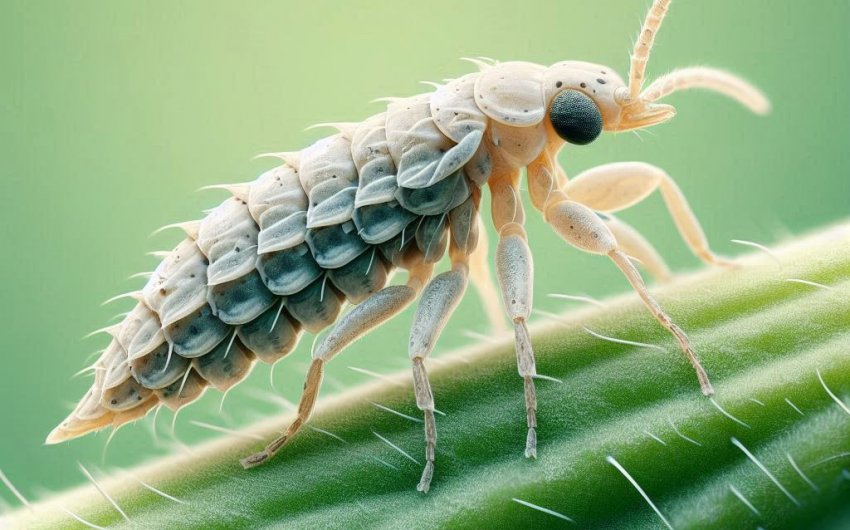
When it comes to garden pests, thrips may not be the first name that comes to mind. Often overshadowed by more notorious pests like aphids and caterpillars, these tiny insects can cause significant damage to plants if left unchecked. Their small size makes them difficult to spot, but the effects of their feeding habits can be devastating, leading to stunted growth, discolored foliage, and even the spread of plant diseases. This blog aims to provide a comprehensive guide to understanding thrips, the damage they can cause, and how to effectively manage them in your garden.
What Are Thrips?
Thrips are minute, slender insects that belong to the order Thysanoptera. Measuring just 1-2 millimeters in length, these pests have fringed wings and narrow bodies, making them difficult to detect without close inspection. There are thousands of species of thrips, and while some can be beneficial as pollinators, the majority are harmful to plants. They use their piercing-sucking mouthparts to puncture plant cells and feed on the contents, which can damage leaves, flowers, fruits, and stems.
Life Cycle of Thrips
Understanding the life cycle of thrips can be crucial for effective pest management. The life cycle consists of several stages: egg, nymph, pupa, and adult. Each stage presents different opportunities for control:
- Egg Stage: Thrips lay their eggs inside plant tissues, which makes them protected from most insecticides. These eggs typically hatch in 2-14 days, depending on environmental conditions.
- Nymph Stage: The young thrips, or nymphs, lack wings and feed on plant tissues, causing visible damage. This stage lasts about 1-3 weeks.
- Pupal Stage: Thrips enter a non-feeding stage, often in the soil or leaf litter. This stage can last from 1-2 weeks.
- Adult Stage: Adults emerge with wings and continue to feed on plants, lay eggs, and start the cycle again.
Identifying Thrips Damage
Thrips can be challenging to spot due to their small size, but the damage they cause is quite distinct. Symptoms of a thrips infestation may include:
- Silvery or bronzed patches on leaves where plant cells have been punctured.
- Deformed or scarred fruit and flowers, often with a stippled appearance.
- Stunted growth or leaf drop in severe infestations.
- Black, tiny droppings on leaves, which are waste products from thrips.
If you notice any of these signs, it's essential to examine your plants more closely. Look for tiny insects moving quickly across the surface of leaves or flowers, or shake a damaged leaf over a white piece of paper to spot the thrips more easily.
Types of Thrips You Might Encounter
There are many species of thrips, but some are more commonly encountered in gardens than others. Knowing the type of thrips can help you choose the most effective control methods.
Western Flower Thrips
The Western Flower Thrips (Frankliniella occidentalis) are among the most widespread and damaging species. These thrips are known for attacking a variety of plants, including roses, vegetables, and fruit trees. They not only cause direct damage through feeding but can also transmit plant viruses such as the tomato spotted wilt virus.
Onion Thrips
Onion Thrips (Thrips tabaci) are particularly harmful to onions, garlic, and other alliums. They cause white or silvery streaks on the leaves, which can reduce the plant's ability to photosynthesize, leading to smaller bulbs and a lower yield.
Chilli Thrips
The Chilli Thrips (Scirtothrips dorsalis) are pests of a wide range of plants, including peppers, strawberries, and ornamentals. They can cause leaf curling, bronzing, and distortion, leading to reduced plant vigor and fruit quality.
Citrus Thrips
As the name suggests, Citrus Thrips (Scirtothrips citri) primarily affect citrus trees, causing damage to the fruit and leaves. The young fruits often develop scarring, which can affect marketability.
How Thrips Affect Plant Health
The damage caused by thrips goes beyond just cosmetic issues. The piercing-sucking feeding style of thrips disrupts plant cells, leading to reduced photosynthesis and stunted growth. In addition to direct damage, thrips can act as vectors for viruses, spreading diseases between plants and compromising entire crops. Some of the diseases spread by thrips include:
- Tomato Spotted Wilt Virus (TSWV): This virus can infect a wide variety of plants, causing symptoms such as necrotic spots, leaf distortion, and plant death.
- Impatiens Necrotic Spot Virus (INSV): Commonly affects ornamental plants and can lead to wilting, stunted growth, and discoloration.
- Iris Yellow Spot Virus (IYSV): Particularly affects onions and other allium crops, leading to reduced yields and marketable quality.
Methods to Control Thrips
Effective control of thrips involves a combination of cultural, biological, and chemical methods. Early detection and integrated pest management strategies can help keep these pests under control.
Cultural Control Methods
Preventive measures can go a long way in reducing thrips infestations. Here are some cultural control practices to consider:
- Pruning and Removing Infected Plant Parts: Regularly inspect plants and prune off heavily infested leaves, flowers, or stems to reduce thrips populations. Be sure to dispose of the pruned material away from the garden to prevent reinfestation.
- Using Reflective Mulch: Reflective mulch can repel thrips and reduce the likelihood of infestation. It works by reflecting UV light, which confuses and deters the insects.
- Maintaining Proper Plant Health: Thrips are more likely to infest stressed or weakened plants. Ensure that your garden plants receive appropriate amounts of water, nutrients, and light.
Biological Control
Biological control involves using natural enemies to reduce thrips populations. These predators can help keep thrips in check without the need for chemical insecticides.
- Predatory Mites: Species such as Neoseiulus cucumeris are effective thrips predators, feeding on eggs and young nymphs.
- Lacewings: Both the larvae and adults of lacewings prey on thrips and other small insects. Introducing lacewings to your garden can help control pest populations naturally.
- Minute Pirate Bugs: These tiny insects are voracious predators of thrips and other small pests. They can be purchased from garden suppliers and released in areas where thrips infestations are severe.
Chemical Control
When cultural and biological methods are not enough, chemical control may be necessary. It's important to use insecticides selectively to minimize harm to beneficial insects.
- Systemic Insecticides: Products containing imidacloprid can be effective against thrips as they are absorbed by the plant and target pests that feed on the sap.
- Insecticidal Soaps and Oils: Neem oil and insecticidal soaps can help reduce thrips populations by smothering the insects. These options are less harmful to beneficial insects than broad-spectrum insecticides.
- Spinosad-Based Products: Spinosad is a natural insecticide derived from soil bacteria, and it is particularly effective against thrips. It can be used in organic gardening as well.
Natural Remedies to Control Thrips
If you prefer a more natural approach to controlling thrips, several home remedies can be effective in managing these pests.
Soap and Water Spray
A mixture of mild soap and water can help control thrips on plants. The soap works by breaking down the protective outer layer of the thrips, leading to dehydration and death. To make a soap spray, mix 2 teaspoons of mild liquid soap with 1 quart of water, and spray it on affected plants.
Garlic or Hot Pepper Spray
Both garlic and hot pepper sprays are natural repellents that can help deter thrips from infesting your plants. These sprays can be made by mixing crushed garlic or hot peppers with water, straining the mixture, and then applying it to the plants.
Diatomaceous Earth
Diatomaceous earth is a natural powder made from fossilized aquatic organisms. It can be sprinkled on plants and around the base to deter thrips and other pests. The sharp edges of the diatomaceous earth particles can cut through the exoskeletons of insects, causing them to dehydrate.
Thrips Management for Different Plant Types
Different plants may require specific management strategies to deal with thrips effectively. Below are some targeted approaches for common garden plants.
Roses
Roses are particularly susceptible to thrips, which can cause flower buds to become deformed or fail to open. To manage thrips on roses, use sticky traps to catch adults, prune off infested buds, and apply a combination of neem oil and insecticidal soap for control.
Vegetables
Thrips on vegetables can lead to distorted leaves, stunted growth, and reduced yields. For crops like tomatoes, peppers, and cucumbers, early detection is key. Regularly inspect plants for signs of thrips damage, and use natural predators such as ladybugs or predatory mites to keep populations in check.
Fruit Trees
Fruit trees, especially citrus and stone fruits, can suffer from scarring and discoloration caused by thrips. To protect these trees, use reflective mulch and introduce minute pirate bugs or lacewings to manage the pests. Additionally, applying a dormant oil spray during the winter can help kill overwintering thrips.
Ornamental Plants
For ornamental plants like orchids, hibiscus, and palms, thrips can cause significant aesthetic damage. Keep these plants healthy by providing the right amount of water and nutrients, and use spinosad-based sprays or insecticidal soap if needed.
Preventing Thrips from Spreading
Preventing a thrips infestation from spreading involves good gardening practices and vigilance.
Quarantine New Plants
Newly acquired plants can be a source of thrips. Always quarantine new plants for at least two weeks, inspecting them for signs of thrips before introducing them to your garden.
Clean Garden Tools
Garden tools can inadvertently transfer thrips between plants. Clean tools thoroughly after use, especially when pruning or handling infested plants.
Monitor with Sticky Traps
Sticky traps can help monitor thrips populations and provide an early warning of infestation. Place traps near susceptible plants to catch adult thrips.
Companion Planting
Some plants can repel thrips naturally. Companion planting with herbs like basil, oregano, and garlic can help reduce thrips populations by repelling them from your main crops.
Thrips and Indoor Gardening
Thrips can also become a problem for indoor plants. Houseplants are not immune to thrips damage, and in enclosed environments, infestations can spread quickly. To manage thrips on indoor plants:
- Isolate Infested Plants: If you notice thrips on a houseplant, move it away from other plants to prevent the infestation from spreading.
- Wipe Leaves Regularly: Use a damp cloth to wipe down the leaves of indoor plants. This helps to remove thrips and their eggs.
- Use Beneficial Nematodes: Although typically used outdoors, beneficial nematodes can also be applied to the soil of potted plants to target thrips pupae.
The Role of Weather in Thrips Infestations
Thrips populations can fluctuate depending on the weather. Warm, dry conditions tend to favor thrips, allowing their populations to grow rapidly. In contrast, heavy rain can help reduce thrips numbers by washing them off plants. Monitoring weather patterns can give you an advantage in predicting and preparing for potential infestations.
When to Be Most Vigilant
The time of year can influence the severity of thrips infestations. Spring and early summer are typically the peak periods for thrips activity. During these times, plants are producing new growth, which attracts thrips looking for tender tissues to feed on. Make sure to implement control measures early in the growing season to prevent the establishment of large thrips populations.
Benefits of Thrips as Pollinators
While thrips are generally considered pests, some species play a role in pollination. Certain plants rely on thrips as pollinators, especially in cases where other pollinators like bees are not available. This dual role makes thrips unique in the ecosystem, as they can be both beneficial and harmful depending on the situation.
However, the benefits of thrips as pollinators do not usually outweigh the damage they cause in gardens and agriculture. Therefore, managing thrips populations is still a priority for most gardeners.
Thrips vs. Other Garden Pests
Thrips may share some similarities with other common garden pests, but they have unique characteristics that set them apart. Understanding these differences can help you identify and manage infestations more effectively.
Thrips vs. Aphids
Both thrips and aphids are small insects that feed on plant sap, but their feeding habits and appearance differ. Aphids tend to cluster in large numbers on new growth, while thrips are more dispersed. Additionally, aphids are usually larger and have a more rounded body shape compared to the slender, elongated body of thrips.
Thrips vs. Spider Mites
Spider mites and thrips both cause stippling damage on leaves, but spider mites are often accompanied by fine webbing. Thrips are mobile and move more quickly than spider mites, which are more stationary.
Thrips vs. Leafhoppers
Leafhoppers can also damage plants by feeding on sap, but they are larger and jump away quickly when disturbed. Thrips are much smaller and less noticeable, making them harder to detect.
Tools and Products for Thrips Control
When it comes to managing thrips, having the right tools can make a big difference.
- Handheld Magnifying Glass: Since thrips are tiny, a handheld magnifying glass can help you detect them on your plants.
- Sticky Traps: Using yellow or blue sticky traps can help catch adult thrips and monitor their populations.
- Spray Bottles: A good spray bottle is essential for applying natural remedies like soap and water or neem oil.
Thrips may be small, but they can cause big problems in the garden. With a combination of vigilance, natural predators, and the right control methods, you can protect your plants from these underrated pests.