
Fungus Gnats: How to Keep Your Soil Pest-Free
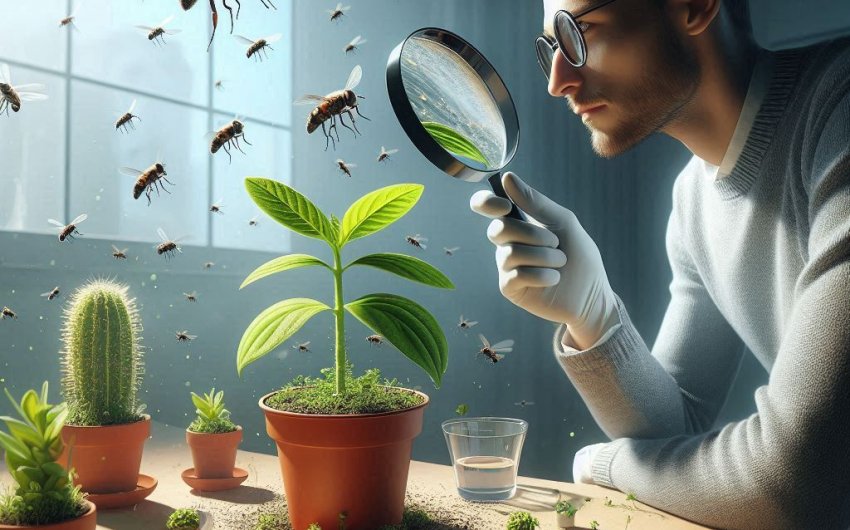
When it comes to houseplants and gardening, one of the most common and frustrating pests is the fungus gnat. While these small, mosquito-like insects might seem harmless at first glance, they can wreak havoc on your plants by attacking the roots and creating an environment that stunts growth. If you've noticed tiny black flies hovering around your plants, especially when the soil is damp, you're likely dealing with a fungus gnat infestation.
Understanding what causes fungus gnats, how to identify them, and most importantly, how to eliminate them from your soil is key to keeping your plants healthy. In this guide, we’ll explore the life cycle of fungus gnats, their impact on your plants, and several strategies for preventing and eliminating them from your garden or indoor plant collection.
What Are Fungus Gnats?
Fungus gnats are small flies belonging to the Sciaridae family, typically measuring between 1.5 to 3 mm in length. They are often mistaken for fruit flies due to their similar size and behavior. However, unlike fruit flies, fungus gnats are primarily attracted to damp soil rather than overripe fruit. Their larvae live in and feed on organic material within the soil, making them particularly problematic for potted plants and garden beds with poor drainage.
The adults are relatively harmless, but the real damage comes from the larvae, which feed on fungal growth in the soil and delicate plant roots. This can lead to stunted growth, yellowing leaves, and even plant death in severe cases.
Find the right pest control products to eliminate fungus gnats and protect your plants.
Identifying Fungus Gnat Infestations
Recognizing a fungus gnat infestation early is essential to preventing serious damage to your plants. Here’s how you can tell if you’re dealing with fungus gnats:
- Adult gnats: If you see small, dark flies buzzing around your plants or crawling on the soil surface, these are likely adult fungus gnats. They’re especially noticeable after watering, as the moisture draws them out of the soil.
- Larvae in soil: The larvae are small, translucent worms with black heads. They can often be seen just beneath the surface of damp soil. In high numbers, they will cause damage to the roots, leading to unhealthy plants.
- Poor plant health: Affected plants may show signs of stress, including yellowing leaves, wilting, or slowed growth. This is because the larvae are feeding on the roots, depriving the plant of nutrients.
- Sticky traps: Place yellow sticky traps near your plants. If you catch several small black flies, you’re likely dealing with fungus gnats rather than another type of pest.
Monitor and catch gnats early with yellow sticky traps designed for indoor and outdoor use.
The Life Cycle of Fungus Gnats
To effectively control fungus gnats, it's important to understand their life cycle. They have four stages: egg, larva, pupa, and adult. The entire life cycle can take as little as three to four weeks, meaning populations can grow quickly if not managed properly.
1. Eggs
Female fungus gnats lay their eggs in moist soil, particularly in areas rich in organic matter. Each female can lay up to 200 eggs in her lifetime, and the eggs hatch within three to six days.
2. Larvae
The larvae are the most destructive stage of the fungus gnat life cycle. These small, translucent worms feed on decaying plant material and fungi in the soil, but they also feed on plant roots. This feeding behavior can cause root damage and promote root rot. The larval stage lasts about two weeks.
3. Pupae
After feeding, the larvae pupate in the soil for about three to four days. During this time, they transform into adults.
4. Adults
The adult fungus gnats emerge from the soil and begin the cycle again. They live for about one week, during which time they mate and lay eggs in moist soil. While adults don’t feed on plants, their presence signals an active infestation in the soil.
Stop fungus gnats before they reproduce with targeted soil treatments to disrupt their life cycle.
Preventing Fungus Gnat Infestations
The best way to deal with fungus gnats is to prevent them from taking hold in the first place. By maintaining healthy soil conditions and being mindful of your watering practices, you can reduce the likelihood of an infestation.
1. Proper Watering Techniques
Overwatering is the number one cause of fungus gnat infestations. These pests are attracted to moist, damp environments where they can lay their eggs and their larvae can thrive. To prevent this, allow the top 1 to 2 inches of soil to dry out between waterings. This will make the soil less hospitable for egg-laying and reduce the survival rate of larvae.
Maintain the right moisture levels with an accurate soil moisture meter to prevent overwatering.
2. Improve Soil Drainage
Good soil drainage is essential to avoid waterlogged conditions that attract fungus gnats. When potting plants, use a well-draining potting mix that allows excess water to escape. You can also add perlite or sand to your soil to increase aeration and reduce moisture retention.
Ensure proper drainage with premium potting mix designed for houseplants and garden use.
3. Bottom Watering
To reduce the likelihood of a fungus gnat infestation, you can adopt bottom watering. This method involves placing the plant’s pot in a tray of water and allowing the soil to soak up moisture from the bottom, rather than watering from the top. This keeps the surface of the soil drier, making it less attractive to fungus gnats.
Use a set of plant trays for bottom watering to avoid attracting pests.
4. Keep the Soil Surface Clean
Fungus gnats thrive in soil rich in decaying organic matter, so keeping the soil surface free of debris is critical. Remove fallen leaves, dead plant material, and any other organic matter that can promote fungal growth.
Use high-quality garden rakes to keep soil surfaces clean and prevent pest infestations.
Natural Methods to Get Rid of Fungus Gnats
If you’re already dealing with a fungus gnat infestation, several natural methods can help control the problem without resorting to harsh chemicals. These methods are safe for indoor use and won’t harm your plants.
1. Neem Oil
Neem oil is a natural pesticide derived from the seeds of the neem tree. It works by disrupting the life cycle of fungus gnats and other pests. To use neem oil, dilute it with water and spray it onto the soil and the plant itself. The oil coats the larvae and suffocates them, while also repelling adult gnats.
Apply neem oil to eliminate fungus gnats and protect your plants from further infestations.
2. Diatomaceous Earth
Diatomaceous earth is a natural powder made from fossilized algae. It is highly effective at killing soft-bodied insects like fungus gnat larvae. When sprinkled onto the surface of the soil, the sharp particles in diatomaceous earth damage the larvae's bodies, causing them to dehydrate and die.
Use diatomaceous earth to target fungus gnat larvae in the soil.
3. Hydrogen Peroxide Solution
A diluted hydrogen peroxide solution can effectively kill fungus gnat larvae in the soil. Mix one part 3% hydrogen peroxide with four parts water and pour the solution into the soil. The hydrogen peroxide will react with the soil and kill the larvae without harming your plants. This method is particularly useful for heavy infestations.
Prepare a safe hydrogen peroxide solution to treat soil and eliminate fungus gnat larvae.
4. Beneficial Nematodes
Beneficial nematodes are microscopic roundworms that attack and kill a variety of soil-dwelling pests, including fungus gnat larvae. These nematodes seek out larvae, invade their bodies, and release bacteria that kill the larvae from within. Nematodes are safe for use around plants, pets, and people.
Introduce beneficial nematodes to your soil to control pest populations naturally.
5. Sticky Traps
Yellow sticky traps are one of the most straightforward ways to capture adult fungus gnats. The gnats are attracted to the bright yellow color and become trapped on the sticky surface. While sticky traps won’t eliminate the larvae in the soil, they can help reduce the adult population, preventing them from laying more eggs.
Set up yellow sticky traps near your plants to catch flying fungus gnats.
Chemical Control for Fungus Gnats
In severe cases, natural methods may not be enough to eliminate fungus gnats, and you may need to resort to chemical treatments. While chemical pesticides can be effective, they should be used with caution, especially around edible plants and indoor houseplants.
1. Insecticidal Soap
Insecticidal soap is a relatively safe and effective way to control fungus gnats. It works by disrupting the outer membrane of the insects, causing them to dehydrate and die. Spray the insecticidal soap directly onto the soil and affected plants to kill adult gnats and larvae.
Choose a reliable insecticidal soap for safe and effective pest control.
2. Pyrethrin Spray
Pyrethrin is a natural insecticide derived from chrysanthemum flowers. It’s highly effective against a wide range of insects, including fungus gnats. Pyrethrin works by attacking the insect’s nervous system, leading to paralysis and death. Use it as a last resort for controlling severe infestations.
Apply pyrethrin spray for quick action against fungus gnats.
3. Systemic Insecticides
For outdoor gardens or in the case of extreme indoor infestations, you may consider using systemic insecticides. These products are absorbed by the plant and affect any insects feeding on it, including fungus gnat larvae. Be sure to choose a product that is safe for your specific plant types and follow all application instructions carefully.
Use systemic insecticides for long-lasting protection against fungus gnats.
Maintaining a Fungus Gnat-Free Environment
Once you’ve eliminated the fungus gnats, it’s essential to take steps to prevent future infestations. Regularly monitor your plants, maintain proper watering practices, and keep the soil free from excess moisture and debris. By staying vigilant and using preventative measures, you can enjoy healthy, pest-free plants all year round.
Keep your plants thriving with regular care and maintenance tools like soil thermometers to ensure optimal growing conditions.