
Japanese Beetles: Identifying and Controlling This Invader
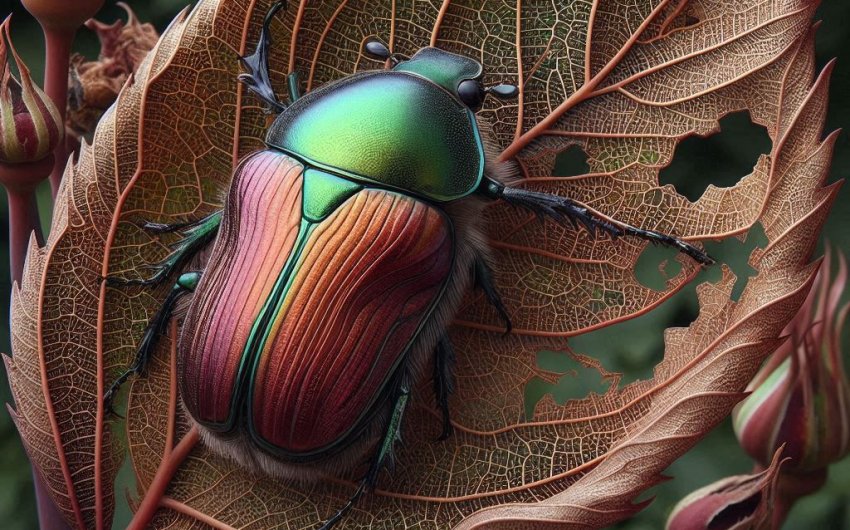
Among the most notorious pests that can devastate your garden is the Japanese beetle. With its metallic green and bronze body, this invasive species may appear harmless at first glance, but its feeding habits can quickly turn beautiful landscapes into areas of devastation. Native to Japan, the Japanese beetle (Popillia japonica) was first discovered in the United States in 1916. Since then, it has spread across much of North America, where it wreaks havoc on a wide range of plants.
This guide will help you understand how to identify Japanese beetles, recognize the damage they cause, and implement effective strategies to control and prevent infestations.
What Are Japanese Beetles?
The Japanese beetle is a small, invasive insect known for its destructive feeding habits. Adult beetles are easily recognized by their iridescent green heads and copper-colored wings. They measure about 1/2 inch long and have six tiny tufts of white hairs along each side of their abdomen.
These beetles thrive in warm, sunny environments and feed on over 300 species of plants, making them a widespread threat to both home gardens and commercial agriculture. Japanese beetles are especially fond of roses, grapes, raspberries, and linden trees, but they are not picky eaters and can quickly devastate a variety of ornamental plants, fruits, and vegetables.
Explore reliable Japanese beetle traps to capture and monitor infestations in your garden.
Life Cycle of Japanese Beetles
To control Japanese beetles effectively, it's essential to understand their life cycle. Like many insects, they go through four stages: egg, larva (grub), pupa, and adult. This cycle takes about one year to complete.
1. Eggs
Female Japanese beetles lay their eggs in grassy areas, such as lawns or pastures. They typically lay eggs in midsummer, and within two weeks, these eggs hatch into grubs.
2. Grubs
The larval stage, or grub stage, is the longest and most damaging part of the Japanese beetle life cycle. The grubs, which are white and C-shaped, live underground and feed on the roots of grasses and other plants. This feeding weakens the plants and can cause significant damage to lawns, leading to yellow or dead patches.
Grubs overwinter in the soil and resume feeding in the spring before pupating and emerging as adult beetles in early summer.
3. Pupae
The pupal stage lasts about two weeks, during which the larvae transform into adult beetles. Once they emerge, they begin feeding on plants and mating.
4. Adults
The adult Japanese beetles emerge in early summer and immediately begin feeding on plants. They can live for 30 to 45 days, during which time they mate and lay eggs, continuing the cycle.
Prevent larvae from damaging your lawn with effective grub control products for your garden.
Identifying Japanese Beetle Damage
Recognizing Japanese beetle damage early is key to preventing widespread destruction in your garden. Adult beetles are voracious feeders, and their damage is typically easy to spot.
1. Skeletonized Leaves
One of the most characteristic signs of Japanese beetle feeding is skeletonized leaves. The beetles chew away the soft tissue of the leaf, leaving behind only the veins, creating a lacy, skeleton-like appearance. This type of damage is most commonly seen on roses, grapes, linden trees, and fruit trees.
2. Defoliation
As adult Japanese beetles continue to feed, they can cause widespread defoliation, where large portions of leaves are eaten, leaving only the stems. Severe infestations can defoliate entire plants or trees, weakening them and making them more vulnerable to other stresses, such as disease or drought.
3. Flower and Fruit Damage
In addition to leaves, Japanese beetles also feed on flowers and fruits, especially soft fruits like grapes, peaches, and raspberries. Damaged flowers may become stunted or misshapen, while fruits can develop scars, holes, or deformities that reduce their marketability.
Protect your fruit trees and plants with plant netting to prevent beetles from accessing sensitive areas.
4. Lawn Damage
While adult Japanese beetles cause visible damage above ground, their larvae (grubs) can destroy your lawn from below. Grubs feed on the roots of grasses, which can lead to brown or dead patches in your yard. If you notice large areas of dying grass that can be easily pulled up like a carpet, it's likely the work of Japanese beetle grubs.
Use lawn repair kits to restore your grass after damage from beetle grubs.
Natural Predators of Japanese Beetles
While Japanese beetles are highly destructive, nature provides some help in the form of natural predators. Encouraging these beneficial organisms in your garden can help keep Japanese beetle populations in check.
1. Birds
Many species of birds, including starlings, robins, and grackles, will feed on both adult beetles and grubs. Setting up bird feeders or birdbaths can attract these birds to your garden, providing natural pest control.
Attract helpful birds to your garden with well-designed bird feeders to reduce beetle populations.
2. Nematodes
Beneficial nematodes are microscopic roundworms that can be applied to your lawn to target and kill Japanese beetle grubs. These nematodes enter the grubs' bodies and release bacteria that kill them from the inside. They are an excellent option for environmentally friendly pest control.
Introduce beneficial nematodes into your soil to target beetle larvae naturally.
3. Predatory Insects
Certain insects, such as tachinid flies and parasitic wasps, are natural enemies of Japanese beetles. These insects lay their eggs on the adult beetles, and when the eggs hatch, the larvae consume the beetles from within. Encouraging a healthy, diverse insect population in your garden can help control beetle numbers.
Encourage beneficial insects with natural insect habitats for better pest control.
Organic Methods to Control Japanese Beetles
If you're looking for environmentally friendly ways to control Japanese beetles, several organic methods can reduce their numbers without harming beneficial insects or plants.
1. Handpicking
One of the most straightforward methods of controlling Japanese beetles is by handpicking them off your plants. While this may seem tedious, it can be highly effective in small gardens or early infestations. Simply knock the beetles into a bucket of soapy water to kill them.
Use a practical garden pail for collecting beetles and disposing of them easily.
2. Neem Oil
Neem oil is a natural pesticide derived from the seeds of the neem tree. It works by interfering with the beetles' feeding and reproductive cycles. To use neem oil, mix it with water and spray it directly onto affected plants. It’s most effective when applied early in the beetle’s lifecycle.
Control pests with natural neem oil to protect your plants from beetle damage.
3. Milky Spore
Milky spore is a bacterial disease that specifically targets Japanese beetle larvae in the soil. When the grubs ingest the spores, they die, and the disease spreads to other grubs in the area. Milky spore is safe for pets, humans, and beneficial insects and provides long-term protection by persisting in the soil for several years.
Apply milky spore powder to your lawn for lasting control of Japanese beetle grubs.
4. Companion Planting
Companion planting involves growing certain plants together to repel pests naturally. Plants like garlic, chives, catnip, and marigolds are known to deter Japanese beetles. Incorporating these plants into your garden can help keep beetles away from more vulnerable crops.
Start companion planting with garlic bulbs to naturally repel Japanese beetles and other pests.
Chemical Control for Japanese Beetles
In cases where organic methods are not enough, chemical insecticides may be necessary to control large infestations of Japanese beetles. However, these should be used sparingly and with caution to avoid harming beneficial insects and pollinators.
1. Pyrethrin-Based Insecticides
Pyrethrin is a natural insecticide derived from chrysanthemum flowers. It’s highly effective against Japanese beetles and works by attacking their nervous system. Pyrethrin sprays can be applied directly to plants where beetles are present. However, care should be taken to avoid spraying during peak pollination hours to protect bees and other pollinators.
Use pyrethrin sprays for targeted and effective Japanese beetle control.
2. Carbaryl Insecticide
Carbaryl is a broad-spectrum insecticide that can be used to control Japanese beetles. While it’s effective, it should only be applied when necessary, as it can harm beneficial insects. Follow the label instructions carefully, and apply the insecticide during the early morning or late evening to minimize the impact on pollinators.
Apply carbaryl insecticide to treat severe beetle infestations in your garden.
3. Systemic Insecticides
Systemic insecticides are absorbed by the plant and provide long-term protection against pests like Japanese beetles. These insecticides are particularly useful for treating trees, shrubs, and larger plants. As the beetles feed on the treated plant, they ingest the insecticide and die. Systemic insecticides are often applied as soil drenches or injected into the plant itself.
Choose systemic insecticides for long-lasting protection against Japanese beetles.
Preventing Future Japanese Beetle Infestations
The best way to control Japanese beetles is to prevent them from becoming a problem in the first place. Implementing preventive measures can keep your garden beetle-free.
1. Regular Monitoring
One of the simplest ways to prevent large Japanese beetle infestations is to regularly monitor your plants. Look for signs of beetle activity, such as skeletonized leaves, and take action as soon as you spot them.
Use magnifying glasses to inspect plants closely for early signs of beetle damage.
2. Trap Placement
While Japanese beetle traps can help reduce beetle numbers, they should be used with caution. Traps can attract more beetles to your yard, so place them at least 30 feet away from your garden or the plants you want to protect.
Set up Japanese beetle traps to capture beetles before they damage your plants.
3. Lawn Care and Grub Prevention
Since Japanese beetles lay their eggs in lawns, maintaining a healthy lawn can reduce the number of grubs. Water your lawn sparingly during midsummer, as the beetles prefer moist soil for laying eggs. Applying a grub control product in the spring can also prevent larvae from maturing into adult beetles.
Maintain a healthy lawn with grub preventers to stop beetles before they hatch.