
Root Aphids: The Underground Garden Menace
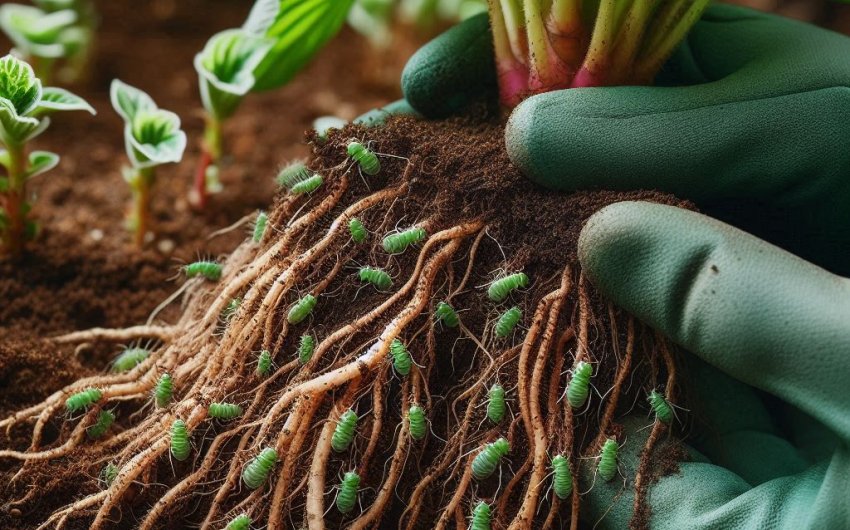
In the world of gardening, pests are an inevitable challenge, but one of the most insidious and difficult to detect is the root aphid. Unlike their more commonly known counterparts that feed on the foliage of plants, root aphids attack the underground portions of plants, targeting the roots. These pests can weaken or even kill plants by disrupting their ability to absorb water and nutrients from the soil. Root aphids are particularly frustrating because they often go unnoticed until the damage is significant. Understanding how to identify, control, and prevent root aphids is critical for maintaining a healthy garden.
This guide will cover everything you need to know about root aphids, including their lifecycle, the damage they cause, and the most effective ways to combat them in your garden.
What Are Root Aphids?
Root aphids (family Phylloxeridae) are small, soft-bodied insects that feed on the roots of plants. While they share many characteristics with traditional aphids that attack above-ground plant parts, root aphids are a subterranean threat. Their presence can lead to stunted growth, yellowing leaves, and, in severe infestations, the death of the plant. Root aphids produce a waxy, white substance that can coat the soil, making detection even more difficult.
These pests are particularly attracted to greenhouses, indoor gardens, and hydroponic systems, but they can also be found outdoors in traditional soil-based gardens. They target a wide variety of plants, including vegetables, flowers, and ornamentals, making them a versatile threat to both amateur gardeners and commercial growers.
Prevent root aphid infestations with reliable soil pest control products for your garden.
Identifying Root Aphids
Detecting a root aphid infestation can be challenging because the pests live below the soil surface. However, there are some telltale signs to look out for.
1. Yellowing and Wilting Leaves
One of the most common signs of a root aphid problem is the yellowing or wilting of leaves, even when the plant is receiving adequate water. Because root aphids feed on the plant's roots, they impair the plant's ability to absorb water and nutrients, leading to visible stress on the above-ground parts of the plant.
2. Stunted Growth
Plants affected by root aphids often exhibit stunted growth. As the aphids feed on the roots, they disrupt the plant’s ability to grow properly. Plants may fail to flower or produce fruit, and seedlings may struggle to establish themselves.
3. Waxy Residue
Root aphids secrete a waxy, white substance as they feed, which can coat the soil or the roots themselves. This residue is often one of the first visible signs that there may be an infestation below the surface.
4. Presence of Ants
Ants are often attracted to root aphids because the aphids produce a sweet substance known as honeydew. Ants "farm" the aphids by protecting them from predators and feeding on the honeydew. If you notice an unusual number of ants near your plants, it could be a sign of a root aphid problem.
Detect root aphid infestations early with an efficient soil inspection tool for your garden.
Root Aphid Life Cycle
Understanding the life cycle of root aphids is crucial for effective management and control. Like other aphids, root aphids reproduce rapidly, allowing their populations to explode if left unchecked.
1. Egg Stage
Root aphids begin their life cycle as eggs, which are laid on the roots or in the soil near plants. These eggs can survive cold temperatures, which is why root aphids can be a problem both indoors and outdoors.
2. Nymph Stage
After hatching, root aphids enter the nymph stage. Nymphs resemble adult aphids but are smaller and lack wings. During this stage, they begin feeding on plant roots, causing damage as they grow.
3. Adult Stage
As they mature, root aphids develop into adults. While most adults are wingless and remain in the soil, some can develop wings, allowing them to spread to other plants or areas of the garden. Adult root aphids reproduce both sexually and asexually, meaning they can quickly increase their population without the need for mating.
Break the life cycle of root aphids with effective insecticidal soil treatments to protect your plants.
Damage Caused by Root Aphids
The damage caused by root aphids can be extensive, especially when infestations go unnoticed for long periods. These pests can affect the health of your plants in several ways.
1. Impaired Nutrient Uptake
By feeding on the roots, root aphids prevent plants from effectively absorbing nutrients from the soil. This leads to nutrient deficiencies, which manifest as yellowing leaves, slow growth, and poor overall health.
2. Root Damage
As root aphids feed, they physically damage the roots, making it difficult for the plant to take up water and nutrients. Over time, this can lead to root rot, especially if the soil is overly damp. In severe infestations, plants may be unable to recover and will eventually die.
3. Increased Susceptibility to Disease
Damaged roots make plants more vulnerable to fungal infections and bacterial diseases. The stress caused by root aphids weakens the plant's natural defenses, leaving it more susceptible to pathogens in the soil.
4. Honeydew and Mold Growth
The honeydew produced by root aphids can create further problems in your garden. This sticky substance encourages the growth of sooty mold, a black fungus that coats the plant's leaves, blocking sunlight and reducing photosynthesis.
Protect your garden with high-quality fungicide treatments to prevent mold growth from honeydew.
Natural Methods for Controlling Root Aphids
Many gardeners prefer to use natural methods to control root aphids, especially when growing edible plants or working in organic gardens. There are several effective strategies for managing root aphid infestations without resorting to harsh chemicals.
1. Beneficial Insects
Beneficial insects can help control root aphid populations naturally. Predatory nematodes, ladybugs, and lacewings are known to feed on aphids and can be introduced into your garden to reduce pest numbers.
Predatory Nematodes
Predatory nematodes are microscopic worms that enter the soil and feed on aphid larvae. These nematodes are safe for plants and people, and they provide long-term control by targeting the aphids in their early stages.
Introduce beneficial nematodes into your soil for effective biological control of root aphids.
2. Neem Oil
Neem oil is a natural insecticide derived from the seeds of the neem tree. It works by disrupting the feeding and reproductive cycles of root aphids, making it a popular choice for organic gardeners. Neem oil can be mixed with water and applied directly to the soil to target aphids at the root level.
Use neem oil as a natural and effective treatment for root aphid infestations.
3. Diatomaceous Earth
Diatomaceous earth is a fine powder made from the fossilized remains of diatoms. It works by cutting into the soft bodies of insects like root aphids, causing them to dehydrate and die. Sprinkle diatomaceous earth around the base of plants to create a barrier that kills aphids as they attempt to move through the soil.
Protect your plants with diatomaceous earth to naturally kill root aphids and other pests.
4. Companion Planting
Certain plants can help repel root aphids and other pests when used in companion planting. Plants like garlic, onions, and marigolds are known to deter aphids. By incorporating these plants into your garden, you can create a more hostile environment for pests while promoting healthier plant growth.
Try companion planting with garlic bulbs to naturally deter root aphids in your garden.
Chemical Control for Root Aphids
In cases where natural methods are not enough to control an infestation, chemical treatments may be necessary. Several insecticides are effective against root aphids, but care must be taken to avoid damaging beneficial insects or contaminating the soil.
1. Systemic Insecticides
Systemic insecticides are absorbed by the plant and kill pests that feed on it. These insecticides are particularly useful for root aphids because they target the pests directly at the source. When using systemic insecticides, it's important to follow the label instructions carefully to ensure that your plants are treated safely.
Choose systemic insecticides to eliminate root aphids and protect your plants from further damage.
2. Pyrethrin-Based Sprays
Pyrethrin is a natural insecticide derived from chrysanthemum flowers. It works by attacking the nervous systems of insects, causing paralysis and death. Pyrethrin-based sprays can be used to treat both above-ground and below-ground pests. When treating root aphids, apply the spray directly to the soil to ensure it reaches the affected areas.
Use pyrethrin insecticide to treat root aphids and other soil-dwelling pests effectively.
3. Insecticidal Soap
Insecticidal soap is a safe and effective way to control soft-bodied insects like root aphids. It works by breaking down the outer membranes of the aphids, causing them to dehydrate and die. Insecticidal soap is typically applied to the leaves, but it can also be used on the soil to target aphids near the surface.
Apply insecticidal soap for a safe, chemical-free option to manage root aphid infestations.
Preventing Root Aphid Infestations
Prevention is always better than cure when it comes to root aphids. By maintaining healthy soil conditions and taking proactive steps, you can minimize the risk of infestation.
1. Maintain Proper Watering Practices
Root aphids thrive in damp, poorly drained soil. To prevent infestations, make sure your garden has good drainage and avoid overwatering. Allow the top few inches of soil to dry out between waterings, especially in potted plants, to make the environment less hospitable to aphids.
Monitor moisture levels with a reliable soil moisture meter to prevent overwatering and root aphid infestations.
2. Regular Soil Inspections
Inspecting your soil regularly can help you catch infestations early. Look for signs of root aphids, such as stunted growth, yellowing leaves, or the presence of ants. If you detect a problem, take immediate action to prevent the aphids from spreading to other plants.
Conduct thorough inspections with garden magnifying glasses to detect aphids and other pests early.
3. Quarantine New Plants
When introducing new plants to your garden, always quarantine them for a few weeks to ensure they are not harboring pests. Root aphids can be transported in the soil of infected plants, so it's important to inspect the roots and soil before planting them in your garden.
Safeguard your garden with effective plant quarantine techniques to avoid introducing pests.
4. Rotate Crops
Crop rotation is a simple and effective way to prevent soil pests from establishing themselves in your garden. By changing the location of your crops each season, you can disrupt the life cycle of root aphids and reduce the likelihood of an infestation.
Use garden planners to organize your crop rotations and keep your soil healthy.
5. Use Mulch
Adding a layer of mulch around your plants can help deter root aphids by reducing moisture in the upper layers of the soil. Mulch also helps regulate soil temperature and suppress weeds, creating a healthier environment for your plants.
Protect your plants with quality mulch to keep root aphids at bay.