
Bay Tree: A Tree of Many Names and Varieties
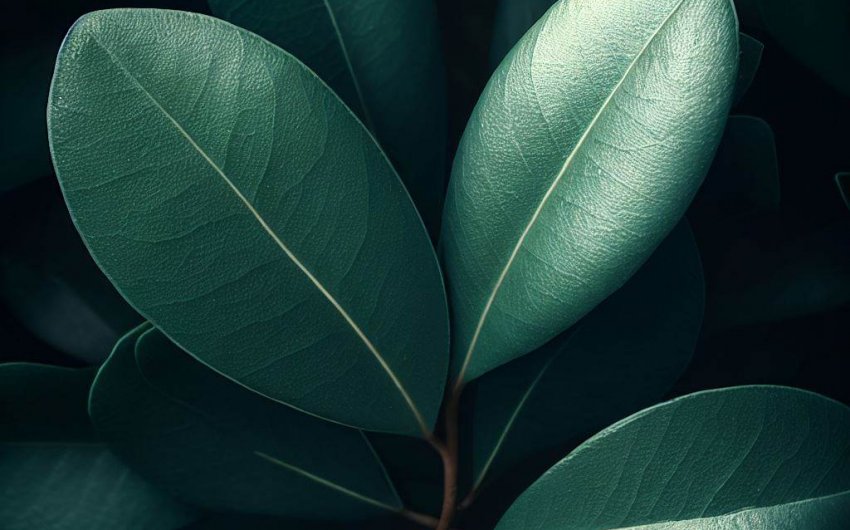
The term "bay tree" most commonly refers to the Sweet Bay Laurel (Laurus nobilis), an evergreen shrub or tree prized for its aromatic leaves used in cooking. However, due to its global popularity and diverse habitats, "bay tree" can also encompass other plants with similar aromatic foliage or growth habits, leading to a confusing array of names and varieties.
What is the true "Bay Tree" used for culinary purposes?
The true "Bay Tree," universally recognized for its culinary leaves, is the Sweet Bay Laurel (Laurus nobilis). This evergreen shrub or small tree is native to the Mediterranean region and has a rich history dating back to ancient Greece and Rome, where it symbolized honor and victory. Its glossy, dark green leaves are a staple herb in kitchens worldwide.
What are the characteristics of Laurus nobilis?
- Evergreen foliage: Retains its leaves year-round, providing continuous beauty and harvest.
- Aromatic leaves: The leathery leaves release a distinct, somewhat floral and spicy aroma when bruised or cooked.
- Slow growth: Laurus nobilis grows slowly, making it manageable in gardens and containers.
- Size: Can grow into a large shrub or small tree, reaching 20-60 feet tall in ideal conditions, but is often kept smaller with pruning or container growing.
- Small flowers and berries: Produces inconspicuous yellow-green flowers in spring, followed by small, black berries on female plants.
Where did the name "bay laurel" come from?
The name "bay laurel" is rooted in its botanical classification and historical significance. "Laurel" comes from its genus, Laurus, while "bay" is a common term for various evergreen trees or shrubs. Historically, wreaths made from bay laurel branches were used to crown victors and scholars, leading to terms like "baccalaureate" and "poet laureate," signifying high achievement.
What other trees are sometimes called "bay tree"?
The common name "bay tree" can be quite confusing, as it's applied to several other distinct species around the world. These plants share some characteristics with Laurus nobilis, such as aromatic leaves or an evergreen nature, but they are not the true culinary bay laurel.
What is California Bay Laurel (Umbellularia californica)?
The California Bay Laurel (Umbellularia californica), also known as Oregon Myrtle or Pepperwood, is a large evergreen tree native to California and Oregon. Its leaves are also aromatic but have a much stronger, more pungent, almost medicinal scent than Laurus nobilis. While sometimes used in cooking, its flavor can be overpowering. It is a distinct species from the true bay laurel.
What is Indian Bay Leaf (Cinnamomum tamala)?
The Indian Bay Leaf (Cinnamomum tamala), also known as tejpat, is botanically a type of cinnamon. Its leaves are used in Indian and Nepalese cuisine, often having a fragrance reminiscent of cinnamon, cloves, and bay leaf. These leaves are quite different in aroma and texture from Laurus nobilis and are from a completely different plant family.
What about West Indian Bay Tree (Pimenta racemosa)?
The West Indian Bay Tree (Pimenta racemosa) is known for its fragrant leaves, from which bay rum essential oil is distilled. It is native to the Caribbean. Its leaves are not typically used in cooking like Laurus nobilis; rather, they are primarily used in cosmetics and traditional medicine. This tree is related to allspice, not true laurel.
What are the ideal growing conditions for Laurus nobilis?
To successfully grow the true culinary bay tree (Laurus nobilis), understanding its preferred growing conditions is essential. It's a relatively easy-going plant, but consistent care ensures healthy growth and abundant leaves.
How much sun does a bay tree need?
A bay tree thrives in full sun to partial shade. In its native Mediterranean habitat, it enjoys plenty of sunlight. Aim for at least 6 hours of direct sunlight per day for the best growth and strongest leaf flavor. In very hot climates, some afternoon shade can prevent leaf scorch.
What kind of soil is best for a bay tree?
Bay trees prefer well-draining soil that is fertile and rich in organic matter. They can tolerate a range of soil types, from sandy to clay, as long as it doesn't become waterlogged. A slightly acidic to neutral pH (6.0-7.0) is ideal.
What is the optimal temperature range for Laurus nobilis?
Bay trees are hardy in USDA Zones 8-10 for outdoor planting. They can tolerate light frosts but are not fully cold-hardy and will suffer damage or die in prolonged freezing temperatures. In colder climates (Zones 7 and below), they are best grown in containers and brought indoors for winter.
How do you plant a bay tree correctly?
Whether you're starting with a small plant from a nursery or a rooted cutting, proper planting techniques give your bay tree the best chance to establish and thrive.
What are the steps for planting a bay tree in the garden?
- Choose a site: Select a sunny, well-draining location.
- Dig the hole: Dig a planting hole that is twice as wide as the root ball and just as deep.
- Prepare the plant: Gently remove the bay tree from its container. Loosen any circling roots.
- Place the plant: Position the tree in the center of the hole so that the top of the root ball is level with the surrounding soil. The root flare should be visible.
- Backfill: Backfill with the excavated soil, gently tamping it down to remove large air pockets. You can amend the soil with compost to improve fertility and drainage.
- Water deeply: Water thoroughly immediately after planting to settle the soil.
- Mulch (optional): Apply a 2-4 inch layer of organic mulch around the base of the tree, keeping it a few inches away from the trunk. This helps retain moisture and regulate soil temperature.
How do you plant a bay tree in a container?
Growing a bay tree in a container is ideal for colder climates or for those who want to move their tree indoors or to protected areas.
- Choose a suitable pot: Select a sturdy pot at least 12-18 inches in diameter for a young plant, with good drainage holes. Unglazed terracotta pots work well as they allow for better airflow to the roots.
- Use appropriate potting mix: Use a high-quality, well-draining potting mix for trees and shrubs. You can add perlite or grit to enhance drainage.
- Plant: Follow the same steps as planting in the ground, ensuring the root ball is at the correct level.
- Water: Water thoroughly after potting.
How much water does a bay tree need?
Consistent watering is essential for bay trees, especially when they are young or grown in containers. They prefer moist soil but dislike being waterlogged.
How often should you water a newly planted bay tree?
Newly planted bay trees, both in the ground and in containers, need regular watering to establish. Water deeply 2-3 times a week for the first year, ensuring the soil remains consistently moist but not soggy.
How much water do established bay trees need?
Established bay trees in the ground are more drought-tolerant but will still benefit from supplemental watering during dry spells. Water deeply when the top few inches of soil feel dry. Container-grown bay trees will need more frequent watering, often daily or every other day during hot, dry weather, as pots dry out much faster. Using a soil moisture meter can help gauge water needs.
Does a bay tree need fertilizer?
Bay trees are not heavy feeders. If planted in good soil or regularly repotted with fresh potting mix, they may require minimal or no additional fertilizer. Over-fertilization can lead to leggy growth and reduced flavor in the leaves.
When should you fertilize a bay tree?
- In-ground trees: If growth is slow or leaves are pale, apply a balanced, slow-release granular fertilizer in early spring.
- Container plants: These may benefit from a diluted, balanced liquid fertilizer every 4-6 weeks during the growing season (spring and summer), as nutrients leach out of pots more quickly.
Always follow the instructions on your fertilizer product label for proper application rates and timing.
How do you prune a bay tree?
Pruning is an important aspect of bay tree care, especially for maintaining its shape, size, and encouraging bushy growth suitable for harvesting leaves. Bay trees are very forgiving of pruning.
When is the best time to prune a bay tree?
The best time for major pruning is in late spring or early summer, after the risk of frost has passed and before the hottest part of summer. Light trimming for shaping or harvesting can be done anytime.
What are common pruning techniques for bay trees?
- Shaping: Bay trees can be pruned into various forms, including formal standards (lollipops), pyramids, or kept as dense shrubs. Use clean, sharp pruning shears to maintain your desired shape.
- Harvesting: When harvesting leaves, simply snip off individual leaves or small branches. Regular harvesting is a form of light pruning that encourages new growth.
- Renewal pruning: For older, overgrown trees, you can remove up to one-third of the oldest, thickest branches each year to stimulate new growth.
- Remove dead/damaged wood: Always remove any dead, diseased, or damaged branches as soon as you notice them.
How do you harvest and use bay leaves?
Harvesting bay leaves is one of the most rewarding aspects of growing your own bay tree. Knowing how to pick, dry, and store them ensures you get the most flavor.
When is the best time to harvest bay leaves?
You can harvest bay leaves year-round as needed. However, the flavor tends to be most concentrated during the warmer months when the tree is actively growing. Avoid harvesting more than one-third of the leaves at any one time to prevent stressing the tree.
How do you harvest and dry bay leaves?
- Select leaves: Choose mature, healthy, blemish-free leaves.
- Cut: Snip individual leaves or small stems using clean shears.
- Wash (optional): Rinse leaves gently under cool water and pat dry.
- Dry: Lay leaves in a single layer on a clean screen, drying rack, or paper towel in a warm, dry, well-ventilated area away from direct sunlight. They can also be hung in small bundles. Drying typically takes 1-2 weeks until they are completely brittle.
- Store: Once thoroughly dry, store whole leaves in an airtight container (like a glass herb jar) in a cool, dark place. Dried bay leaves retain their flavor for about a year.
How are bay leaves used in cooking?
Bay leaves add a subtle, aromatic, and somewhat savory depth to many dishes. They are typically used whole and then removed before serving.
- Soups and stews: A classic addition to slow-cooked dishes.
- Sauces: Enhance the flavor of tomato sauces, béchamel, and gravies.
- Braises and roasts: Tuck leaves into pot roasts or under poultry skin.
- Pickling and brining: Add to brines for vegetables or meats.
- Rice dishes: Infuse flavor into rice pilafs or other grain preparations.
What are common problems when growing a bay tree?
While bay trees are generally hardy, they can encounter some issues, especially if their basic needs are not met or if they are grown in less-than-ideal climates.
Why are bay tree leaves turning yellow or brown?
Yellowing or browning leaves on a bay tree can indicate several problems:
- Overwatering or poor drainage: The most common cause. Roots suffocate in soggy soil.
- Underwatering: Prolonged drought can also cause leaves to brown and crisp.
- Cold damage: In colder climates, leaves can turn brown or black after a frost.
- Nutrient deficiency: Especially nitrogen, if older leaves are yellowing.
- Sunburn: Direct, intense sun can scorch leaves, especially for container plants or those newly moved outdoors.
What pests commonly affect bay trees?
- Scale insects: Small, immobile bumps on stems and leaves, sucking sap.
- Mealybugs: White, cottony insects in leaf axils.
- Aphids: Small, soft-bodied insects on new growth.
How do you treat bay tree pests?
- Physical removal: Scrape off scale or dab mealybugs with a cotton swab dipped in rubbing alcohol.
- Insecticidal soap: Apply insecticidal soap to control aphids and mealybugs.
- Horticultural oil: A dormant oil spray can help control overwintering scale or other pests.
- Pruning: Remove heavily infested branches.
The bay tree, particularly the venerable Laurus nobilis, is far more than just a culinary herb; it's a plant steeped in history and offering year-round beauty. By understanding its specific needs for sun, well-draining soil, and consistent moisture, along with proper pruning, you can successfully grow and enjoy your own aromatic bay tree, whether in your garden or as a cherished container plant.