
What is Hot Tub Landscaping and Why Is It Important?
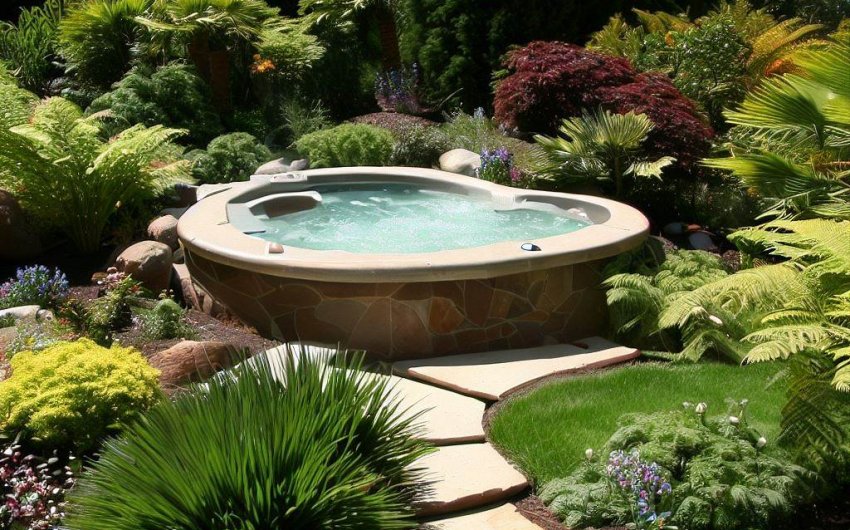
Hot tub landscaping is the intentional design and arrangement of plants, hardscaping, lighting, and other elements around a hot tub to create a cohesive, functional, and aesthetically pleasing outdoor space. It's important because it enhances privacy, safety, usability, and the overall enjoyment of your hot tub, transforming it from a standalone feature into an integrated oasis.
Why is thoughtful hot tub landscaping so crucial?
Thoughtful hot tub landscaping elevates the experience of owning a hot tub far beyond just having a bubbling tub of water. It considers the hot tub as an integral part of your outdoor living space, creating an environment that is not only beautiful but also highly functional, comfortable, and safe. Without proper landscaping, a hot tub can look like an afterthought, diminish privacy, and even pose safety risks.
What are the main benefits of good hot tub landscaping?
- Enhanced privacy: Creates secluded areas, shielding users from neighbors or other parts of the yard.
- Improved aesthetics: Integrates the hot tub into the overall garden design, making it a natural and attractive feature.
- Increased safety: Addresses slippery surfaces, provides clear pathways, and ensures adequate lighting.
- Greater comfort and usability: Offers convenient storage, seating, and easy access.
- Extended enjoyment: Encourages more frequent use by making the area inviting and functional year-round.
- Increased property value: A well-designed outdoor space, including a hot tub area, can significantly boost home appeal and value.
What key elements make up effective hot tub landscaping?
Effective hot tub landscaping combines various design elements to achieve a harmonious and functional space. These elements work together to address aesthetics, privacy, safety, and comfort, ensuring your hot tub area meets all your needs.
What hardscaping features are important?
Hardscaping refers to the non-living elements in your landscape. For a hot tub, these are critical for foundational support, access, and surrounding aesthetics.
- Solid foundation: A level concrete slab or reinforced deck is essential to support the hot tub's weight (which can be thousands of pounds when filled).
- Pathways and decking: Non-slip, durable materials like pavers, natural stone, or composite decking create safe and comfortable access to and from the hot tub. Consider materials that stay cool in the sun and won't get too slippery when wet.
- Steps and benches: Integrated steps provide easy entry and exit, while built-in benches or retaining walls can offer seating and define the space.
- Retaining walls: Can be used to create level areas on sloped terrain, provide additional seating, or define planter beds.
- Pergolas or gazebos: These structures offer shade, privacy, and a sense of enclosure, enhancing the "room-like" feel of the hot tub area. Many options for hot tub gazebos are available.
How do plants contribute to hot tub landscaping?
Planting is crucial for softening hard lines, adding beauty, fragrance, and natural privacy.
- Privacy screens: Tall, dense evergreens, bamboo (in contained planters), or fast-growing shrubs create natural barriers.
- Fragrant plants: Herbs like lavender, mint, or scented geraniums, and flowering shrubs like jasmine or gardenias, can add pleasant aromas.
- Texture and color: Use a variety of plants with different leaf shapes, sizes, and flower colors to create visual interest.
- Low-maintenance options: Choose plants that are drought-tolerant, disease-resistant, and require minimal pruning to reduce maintenance.
- Container plants: Allow flexibility for changing arrangements and can bring a touch of greenery to paved areas.
Why is proper lighting important for a hot tub area?
Lighting transforms the hot tub area for evening use, ensuring safety and creating ambiance.
- Path lighting: Guides users safely to and from the hot tub, preventing trips and falls.
- Task lighting: Brighter lights where needed, such as near steps or controls.
- Ambient lighting: Softer, diffused lighting (e.g., string lights, lanterns, LED strips) creates a relaxing and inviting atmosphere.
- Accent lighting: Highlights key features like plants, water features, or architectural details.
- Dimmers: Allow you to adjust the light intensity for different moods and uses. Many outdoor lighting kits offer smart controls.
What other accessories enhance a hot tub space?
Beyond the basics, various accessories can elevate the hot tub experience.
- Outdoor furniture: Comfortable seating, side tables, or a dining set extend the usability of the area.
- Towel storage: Baskets, hooks, or a small cabinet for easy access to towels.
- Outdoor speakers: For enjoying music or podcasts while soaking.
- Water features: A small fountain or waterfall nearby can add soothing sounds.
- Fire pit: Creates a cozy focal point and extends enjoyment beyond the hot tub itself.
How do you plan an effective hot tub landscape design?
Planning is the cornerstone of effective hot tub landscaping. A well-thought-out design ensures that all elements work together, meeting your needs and budget.
What considerations are essential before starting?
- Location:
- Proximity to house: Easy access from indoors, especially in colder weather.
- Privacy: Away from direct view of neighbors.
- Sunlight/shade: Consider sun exposure throughout the day and year.
- Utility access: Close to electrical and water sources.
- Drainage: Ensure water runoff won't cause issues.
- Foundation: A solid, level surface is non-negotiable.
- Budget: Determine how much you're willing to spend on the hot tub itself, installation, and all landscaping elements.
- Style: Match the landscaping to your home's architectural style and your personal aesthetic.
- Maintenance: How much time are you willing to dedicate to upkeep? Choose plants and materials accordingly.
- Local regulations: Check for permits, setbacks, and fencing requirements.
What are the steps for designing your hot tub area?
- Assess your space: Measure the area, note existing features, sun patterns, and drainage.
- Define your goals: What is your primary purpose for the hot tub? Relaxation? Entertainment? Exercise?
- Sketch ideas: Draw out different layouts, considering placement of the hot tub, pathways, privacy screens, seating, and other features.
- Choose materials: Select hardscaping and planting materials that complement each other and your home.
- Plan utilities: Map out electrical wiring for the hot tub and lighting, and consider water supply.
- Consider safety: Integrate non-slip surfaces, adequate lighting, and potentially a safety cover or fence.
- Phased approach: If your budget is limited, consider building the hot tub landscaping in phases.
How do you create privacy around your hot tub?
Privacy is often a top concern for hot tub owners. Creating a secluded space allows for maximum relaxation without feeling exposed.
What natural elements offer privacy?
- Tall, dense shrubs: Evergreens like arborvitae, hollies, or junipers provide year-round privacy. Deciduous shrubs like hydrangeas or viburnums offer seasonal screening.
- Vining plants on trellises: Fast-growing vines like jasmine, clematis, or morning glories can quickly cover a trellis or pergola, creating a green wall.
- Bamboo (contained): While highly effective, bamboo must be planted in large, root-barrier-lined containers or a sturdy planter box to prevent invasive spread.
- Container trees/shrubs: Strategically placed large potted plants can offer flexible privacy.
What structural elements enhance privacy?
- Fencing: A solid fence, lattice fence with climbing plants, or decorative panels can create an immediate visual barrier.
- Pergolas or gazebos: These structures provide overhead and sometimes side privacy, especially when combined with curtains or climbing plants. Many come with integrated privacy screens.
- Privacy screens/panels: Movable screens or permanent decorative panels can be placed strategically.
- Retaining walls: Can be designed with enough height to offer a degree of privacy from certain angles.
What plants are best suited for hot tub landscaping?
Selecting the right plants is vital. You need plants that can tolerate the hot tub environment, provide desired aesthetics and privacy, and be relatively low-maintenance.
What to look for in hot tub plants?
- Humidity tolerance: Plants that don't mind the steam from the hot tub.
- Splash tolerance: Some plants may get splashed with chlorinated or brominated water.
- Non-shedding: Avoid plants that drop excessive leaves, flowers, or seeds, as these can clog filters or require constant cleaning.
- Non-thorny: Avoid plants with thorns or sharp edges near access points.
- No strong pollen: Consider allergy sufferers.
- Drought tolerance (for hardscaping edges): If near a dry, sunny patio, choose plants that can handle less frequent watering.
- Fragrance (optional): Pleasant scents enhance relaxation.
Recommended plants for hot tub areas:
| Plant Type | Examples | Benefits | Considerations |
|---|---|---|---|
| Tall Shrubs | Arborvitae, Holly, Skip Laurel, Emerald Green Arborvitae | Year-round privacy, dense screening. | Need space, ensure non-toxic varieties if animals are present. |
| Flowering Shrubs | Hydrangea, Azalea, Camellia, Daphne | Color, sometimes fragrance. | Seasonal interest, some prefer shade. |
| Grasses | Feather Reed Grass, Dwarf Mondo Grass, Blue Fescue | Soft texture, movement, low maintenance. | Can get tall, check mature size. |
| Perennials | Hosta, Ferns, Lavender, Heuchera | Varied foliage, color, some fragrance. | Shade/sun preference varies by species. |
| Annuals/Containers | Petunias, Impatiens, Begonias, Coleus | Flexible color, easy to change. | Need regular watering/fertilizing. |
| Vines | Clematis, Honeysuckle, Climbing Hydrangea | Rapid privacy on trellises, flowers. | Can be aggressive, requires support. |
How do you ensure safety in your hot tub landscape?
Safety is paramount in any hot tub area. Preventing slips, falls, and unsupervised access, especially for children or pets, should be a top priority in your design.
What design elements improve safety?
- Non-slip surfaces: Use materials like textured pavers, brushed concrete, or composite decking with a non-slip rating for all pathways and surrounding areas. Avoid highly polished tiles.
- Adequate lighting: Install ample pathway and ambient lighting to ensure clear visibility at night. Dimmers can allow for adjustable brightness.
- Clear pathways: Keep pathways to and around the hot tub free from clutter, loose stones, or overgrown plants.
- Secure cover: Always use a well-fitting, lockable hot tub cover when not in use to prevent accidental falls and keep debris out. Many covers come with cover lifts for easy access.
- Fencing/gates: If you have children or pets, a secure fence with a self-closing, self-latching gate around the hot tub or the entire yard may be required by local codes.
- Electrical safety: Ensure all electrical wiring is installed by a qualified electrician and meets local codes, including ground-fault circuit interrupter (GFCI) protection.
What are common mistakes to avoid in hot tub landscaping?
Even with the best intentions, some common errors can detract from the hot tub experience or create ongoing problems. Being aware of these pitfalls can save you time, money, and frustration.
What design blunders should you avoid?
- Ignoring the hot tub's size/color: Design should complement the hot tub, not overpower or clash with it.
- Overcrowding: Don't cram too many plants or features into a small space. Leave room for movement and growth.
- Blocking access: Ensure easy access for maintenance (e.g., filter changes, draining, cover removal) and for entering/exiting the tub.
- Not planning for utilities: Forgetting electrical, water, or drainage needs.
- Choosing difficult-to-maintain plants: Avoid high-shedding, messy, or overly thorny plants too close to the tub.
- Poor drainage: Allowing water to pool around the hot tub can lead to structural damage or mold.
- Ignoring local codes: Failing to check permits and safety regulations can lead to costly fines or forced changes.
Effective hot tub landscaping is an investment that transforms your hot tub into a luxurious, private, and functional retreat. By thoughtfully integrating hardscaping, strategic planting, smart lighting, and essential safety features, you can create an outdoor oasis that enhances your relaxation and enjoyment for years to come.