
How To Grow Edible Marigold Plant at Home?
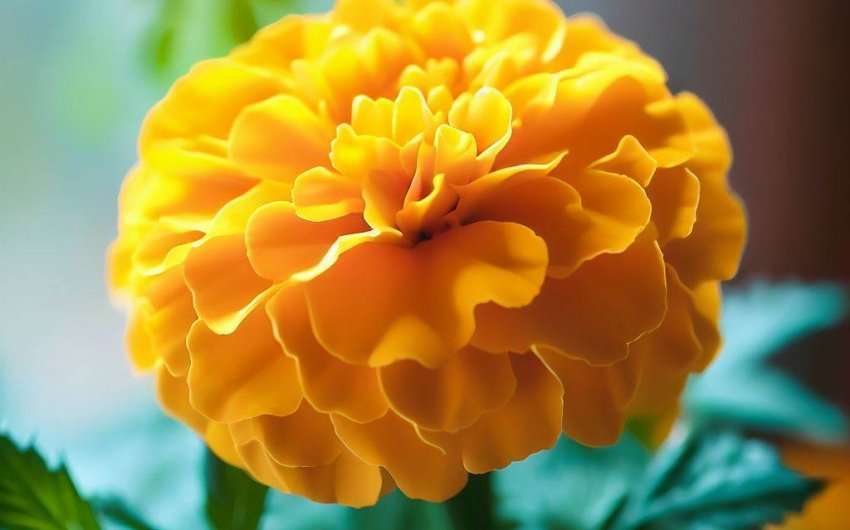
To grow edible marigold plants at home, start by selecting suitable varieties like Calendula officinalis or Tagetes tenuifolia (Signet Marigolds). Provide well-draining soil, ample sunlight (at least 6 hours daily), and consistent watering to ensure healthy growth and abundant blooms.
What are edible marigolds and why grow them at home?
Edible marigolds are specific varieties of the marigold plant whose flowers and sometimes leaves are safe and delicious to consume. These aren't your typical garden marigolds often found in ornamental beds. Growing them at home allows you to enjoy fresh, vibrant blossoms for culinary uses, adding a pop of color and unique flavor to your dishes. They are also known for their potential health benefits and are relatively easy to cultivate, making them a rewarding addition to any home garden.
What are the main types of marigolds?
While there are many types of marigolds, when considering edible varieties, you'll primarily encounter two main categories:
- Pot Marigold (Calendula officinalis): Often simply called Calendula, these are the most popular edible marigolds. Their petals have a slightly peppery, sometimes citrusy flavor and are renowned for their vibrant orange and yellow hues. They are beautiful in salads, soups, and teas.
- Signet Marigolds (Tagetes tenuifolia): These include varieties like 'Lemon Gem' and 'Tangerine Gem'. Signet marigolds have delicate, lacy foliage and small, single flowers. Their petals offer a more distinct citrusy or spicy flavor, making them excellent garnishes for savory dishes or drinks.
Other marigold types, such as French Marigolds (Tagetes patula) and African Marigolds (Tagetes erecta), are primarily grown for ornamental purposes. While some sources suggest certain parts might be edible in small quantities, they are generally not recommended for culinary use due to a stronger, sometimes bitter flavor, and it's always best to stick to the well-known edible varieties to ensure safety and taste.
What are the benefits of growing edible marigolds?
Growing edible marigolds at home offers a multitude of benefits beyond just their ornamental appeal. From culinary delights to potential health advantages and garden ecology, these plants are truly versatile.
- Culinary Versatility: The bright petals add a beautiful visual appeal and a unique flavor profile to a wide range of dishes. They can be used fresh in salads, scrambled eggs, and sandwiches, or dried for use in soups, stews, and herbal teas. Calendula petals are often called "poor man's saffron" due to their ability to impart a similar color to dishes.
- Potential Health Benefits: Calendula, in particular, has been historically used in herbal medicine. It is rich in antioxidants and is known for its anti-inflammatory and antiseptic properties. It's often used in salves and tinctures for skin ailments, and internally, it's believed to support digestion and immune health.
- Pest Repellence: Many marigold varieties are famous for their ability to deter common garden pests like nematodes, whiteflies, and even deer. Planting them among your vegetables can act as a natural, organic pest control method, reducing the need for chemical interventions.
- Attracting Pollinators: The vibrant flowers of edible marigolds are a magnet for beneficial insects such as bees and butterflies. This helps to improve pollination for other fruiting plants in your garden, leading to better yields for crops like tomatoes, peppers, and squash.
- Easy to Grow: Edible marigolds are incredibly forgiving and low-maintenance, making them ideal for beginner gardeners. They tolerate various soil conditions and are relatively drought-tolerant once established.
- Continuous Blooms: With proper care, marigolds produce flowers continuously from late spring until the first frost. This means a steady supply of fresh petals for your kitchen and a constant splash of color in your garden.
- Sustainability: Growing your own herbs and edible flowers reduces your reliance on store-bought options, which may have traveled long distances or been treated with pesticides. It promotes a more sustainable and self-sufficient lifestyle.
Where is the best place to grow edible marigolds?
Selecting the right location is crucial for thriving edible marigold plants. They are sun-loving plants and will perform best when their environmental needs are met.
How much sunlight do edible marigolds need?
Edible marigolds require full sun, meaning at least 6 hours of direct sunlight per day. The more sun they receive, the more abundant their blooms will be. In hotter climates, they can benefit from some afternoon shade to prevent scorching, but in most regions, full sun is ideal. A spot on a south-facing balcony, a sunny windowsill (if growing indoors), or an open garden bed will be perfect.
What kind of soil is best for edible marigolds?
Marigolds are not overly fussy about soil, but they thrive in well-draining soil with a neutral to slightly acidic pH (between 6.0 and 7.0).
- Good Drainage: This is paramount. If soil retains too much water, roots can rot. If you have heavy clay soil, amend it with organic matter like compost or perlite to improve drainage.
- Fertility: While they don't need highly rich soil, incorporating some well-rotted compost before planting will provide essential nutrients for strong growth.
- Container Growing: For pots, use a high-quality potting mix specifically designed for containers. This ensures good drainage and provides a light, airy environment for roots. A good organic potting mix like Foxfarm Ocean Forest Potting Soil is an excellent choice.
Can I grow edible marigolds in pots or containers?
Absolutely! Edible marigolds are excellent candidates for container gardening. This is a fantastic option if you have limited garden space, live in an apartment, or want to move your plants to optimize sun exposure.
- Pot Size: Choose pots that are at least 6-8 inches in diameter for single plants. Larger containers (10-12 inches) can accommodate multiple plants or allow for more robust growth. Ensure containers have drainage holes to prevent waterlogging.
- Material: Terracotta pots look great and help with drainage, but plastic or glazed ceramic pots also work well.
- Placement: Place containers on a sunny patio, balcony, or even a windowsill indoors if it receives enough light. Remember that container plants tend to dry out faster than garden beds, so they will require more frequent watering.
How do I start edible marigold seeds?
Starting edible marigolds from seed is a straightforward and cost-effective way to get many plants. They germinate quickly and grow vigorously.
When is the best time to plant edible marigold seeds?
You can start edible marigold seeds indoors 4-6 weeks before your last anticipated frost date in spring. This gives them a head start and results in earlier blooms. If you prefer direct sowing, wait until all danger of frost has passed and the soil has warmed up, usually in late spring or early summer.
What materials do I need to start marigold seeds?
Gathering your materials beforehand will make the seed-starting process smooth and enjoyable.
- Edible Marigold Seeds: Purchase seeds from a reputable source. Look for 'Calendula officinalis' (Pot Marigold) or 'Tagetes tenuifolia' (Signet Marigolds like 'Lemon Gem' or 'Tangerine Gem'). A good option is Botanical Interests Calendula Seeds.
- Seed Starting Mix: Use a fine, sterile, seed-specific potting mix. This prevents diseases and provides an ideal environment for delicate seedlings.
- Seed Trays or Small Pots: Trays with individual cells or small pots (2-4 inches) are perfect.
- Mister or Spray Bottle: For gently watering seeds and seedlings.
- Light Source: If starting indoors, a grow light is highly recommended to prevent leggy seedlings. A simple shop light with fluorescent bulbs works, or you can opt for a dedicated LED grow light.
- Heat Mat (Optional): A seedling heat mat can speed up germination, especially in cooler environments.
- Labels: To keep track of varieties and planting dates.
Step-by-step guide to starting marigold seeds indoors
- Prepare Containers: Fill your seed trays or small pots with the seed-starting mix, gently firming it down. Leave about a 1/2 inch space from the rim.
- Sow Seeds: Plant seeds about 1/4 to 1/2 inch deep. You can plant 2-3 seeds per cell or pot to ensure germination, thinning to the strongest seedling later. Cover lightly with the seed-starting mix.
- Water Gently: Lightly mist the soil surface with your spray bottle until it's evenly moist. Avoid heavy watering that can dislodge seeds.
- Provide Warmth: If using a heat mat, place your trays on it. Marigolds germinate best with soil temperatures between 70-75°F (21-24°C).
- Ensure Light: Once seedlings emerge (typically within 5-10 days), remove them from the heat mat (if used) and place them under a grow light immediately. Position the light 2-4 inches above the seedlings and keep it on for 12-16 hours per day.
- Maintain Moisture: Keep the soil consistently moist but not waterlogged. Water from the bottom if possible by placing trays in a shallow pan of water for 15-20 minutes until the top soil is moist.
- Thin Seedlings: Once seedlings have their first set of true leaves (not the initial round or cotyledons), thin them to one strong seedling per cell by snipping the weaker ones at the soil line with small scissors.
- Harden Off: Before transplanting outdoors, harden off your seedlings. This involves gradually exposing them to outdoor conditions over 7-10 days, starting with a few hours in a sheltered spot and progressively increasing their exposure to sun and wind.
How do I care for edible marigold plants?
Once your edible marigold plants are established, their care is relatively straightforward, focusing on consistent watering, light feeding, and regular deadheading.
How often should I water edible marigolds?
Edible marigolds prefer consistent moisture but do not like to sit in soggy soil.
- Established Plants: Once established, water them deeply when the top 1-2 inches of soil feel dry to the touch. This might be every few days during hot, dry spells, or once a week in cooler weather.
- Container Plants: Plants in pots will generally need more frequent watering, sometimes daily in hot weather, as containers dry out faster. Always check the soil moisture before watering.
- Watering Technique: Water at the base of the plant to avoid wetting the foliage, which can encourage fungal diseases. A soaker hose or drip irrigation system works well for garden beds, and a watering can with a narrow spout is good for pots. Using a soil moisture meter can provide accurate readings throughout the pot.
Do edible marigolds need fertilizer?
Edible marigolds are not heavy feeders. If your soil was amended with compost at planting time, they may not need any additional fertilizer.
- Moderate Growth: If your plants seem to be growing slowly or have pale leaves, you can provide a light feeding of a balanced liquid fertilizer once a month, especially for container-grown plants which leach nutrients more quickly.
- Low Nitrogen: Choose a fertilizer with a slightly lower nitrogen content to encourage more blooms rather than excessive leafy growth. An organic option like Neptune's Harvest Organic Fish & Seaweed Fertilizer is excellent for edible plants.
- Avoid Over-Fertilizing: Too much fertilizer, especially nitrogen, can lead to lush foliage but fewer flowers.
How do I deadhead edible marigolds?
Deadheading is the practice of removing spent or faded flowers. This is crucial for edible marigolds for several reasons:
- Encourages More Blooms: When you remove old flowers, the plant redirects its energy from seed production into creating new blooms, resulting in a continuous show of flowers throughout the season.
- Maintains Appearance: It keeps your plants looking tidy and vibrant.
- Prevents Self-Seeding (if desired): While marigolds are often allowed to self-seed, deadheading prevents this, giving you more control over where new plants emerge.
To deadhead, simply snip or pinch off the faded flower head just above the first set of healthy leaves or a side shoot. Do this regularly, every few days or weekly, as you harvest petals.
What are common pests and diseases of edible marigolds?
Edible marigolds are generally robust and pest-resistant, but they can occasionally encounter issues.
- Pests:
- Aphids: Small, soft-bodied insects that cluster on new growth. Blast them off with a strong spray of water or use an insecticidal soap.
- Spider Mites: Tiny arachnids that cause stippling on leaves and fine webbing. Increase humidity and use insecticidal soap.
- Slugs and Snails: Especially problematic for young seedlings. Use slug bait (organic options are available), hand-pick them at night, or create barriers.
- Diseases:
- Powdery Mildew: A white, powdery coating on leaves, usually caused by poor air circulation and high humidity. Ensure good spacing between plants, water at the base, and use a fungicidal spray if severe.
- Root Rot: Caused by overwatering and poor drainage. Ensure well-draining soil and avoid soggy conditions.
Regularly inspect your plants for any signs of trouble. Early detection makes treatment much easier.
When and how do I harvest edible marigold flowers?
Harvesting edible marigold flowers is simple and can be done continuously throughout their blooming season.
What part of the marigold plant is edible?
For Calendula (Pot Marigold), the petals are the primary edible part. You can also eat the entire flower head, but the taste can be more intense or slightly bitter. For Signet Marigolds (Tagetes tenuifolia), the entire small flower head (petals and reproductive parts) is typically consumed due to its delicate size and flavor. Avoid the leaves of most marigold varieties, as they tend to be bitter, although some people use very young Calendula leaves in small quantities. Always be sure you are consuming the correct edible varieties to ensure safety.
What is the best time to harvest marigold flowers?
The best time to harvest marigold flowers is in the morning after the dew has dried, but before the heat of the day. At this time, the petals will be fresh, vibrant, and at their peak flavor. Avoid harvesting after rain, as the petals can be damaged or waterlogged.
How do I harvest marigold petals?
The method depends on whether you're harvesting individual petals or entire flower heads.
- For individual Calendula petals: Gently pull the petals from the base of the flower head. They should detach easily.
- For entire Signet Marigold flower heads (or whole Calendula heads): Use clean sharp scissors or pinch the stem just below the base of the flower head.
Regular harvesting also acts as a form of deadheading, encouraging the plant to produce more blooms. The more you harvest, the more flowers your plant will likely produce!
How can I use edible marigold flowers in the kitchen?
Edible marigold flowers are incredibly versatile in the kitchen, offering both a beautiful visual appeal and a unique flavor profile to a variety of dishes.
What are some culinary uses for Calendula (Pot Marigold)?
Calendula officinalis petals are often described as having a mild peppery, slightly bitter, or subtly citrusy taste. They are primarily used for their vibrant color.
- Salads: Sprinkle fresh petals over green salads, fruit salads, or pasta salads for a pop of color and a mild flavor boost.
- Soups and Stews: Add petals to clear broths, vegetable soups, or hearty stews towards the end of cooking. They will impart a beautiful golden hue.
- Grains: Stir into rice, quinoa, or couscous dishes for color.
- Eggs: Mix into scrambled eggs, omelets, or frittatas.
- Baked Goods: Incorporate into bread dough, muffins, or shortbread cookies for both color and a subtle flavor.
- Butter and Cheese: Churn fresh petals into homemade butter or sprinkle over soft cheeses.
- Teas and Infusions: Dried calendula petals make a lovely herbal tea, often blended with other herbs like chamomile or mint. They are believed to have soothing properties.
- Coloring Agent: Calendula petals are often used as a natural food coloring, sometimes called "poor man's saffron," to give a golden tint to rice, pasta, or custards.
What are some culinary uses for Signet Marigolds (Tagetes tenuifolia)?
Signet Marigolds like 'Lemon Gem' or 'Tangerine Gem' have a more pronounced citrusy or spicy flavor. The entire small flower head is typically used.
- Garnishes: Their small, delicate flowers are perfect as edible garnishes for desserts, cocktails, or savory dishes.
- Salads: Add whole flowers to salads for a burst of citrus flavor.
- Desserts: Incorporate into fruit tarts, puddings, or candied for cake decorations.
- Beverages: Float whole flowers in iced tea, lemonade, or other refreshing drinks.
- Marinades and Sauces: The lemony flavor pairs well with chicken or fish marinades.
- Spice Substitute: The slightly spicy notes can complement Mexican or Asian-inspired dishes.
How do I store harvested marigold petals?
Proper storage helps preserve the freshness and flavor of your harvested marigold petals.
- Fresh Use: For immediate use, gently rinse the petals and pat them dry. Store them loosely in a sealed container lined with a damp paper towel in the refrigerator for 2-3 days.
- Drying: For longer storage, dry the petals. Spread them in a single layer on a clean screen, parchment-lined baking sheet, or a food dehydrator tray in a well-ventilated area away from direct sunlight. Once completely dry and crisp (this can take several days depending on humidity), store them in an airtight container in a cool, dark place for up to a year.
- Freezing: While less common for petals, you can freeze whole flower heads in ice cube trays with water for use in drinks or for later adding to soups.
Remember to always wash edible flowers gently before consumption to remove any dust or small insects.
Can I save seeds from my edible marigold plants?
Saving seeds from your edible marigold plants is an excellent way to continue your harvest year after year and share with friends. It's an easy process that contributes to self-sufficiency in your garden.
How do I collect marigold seeds?
- Allow Flowers to Mature: Instead of deadheading all your flowers, allow some of the best-looking, healthiest blooms to remain on the plant and fully mature. They will fade and dry out on the plant.
- Wait for Dryness: The key is to wait until the flower heads are completely dry and brown. They should feel crispy to the touch. This indicates the seeds inside are fully developed and ready.
- Harvest Dry Heads: Gently snip off the dry flower heads.
- Extract Seeds:
- For Calendula, carefully pull apart the dried flower head. You'll find crescent-shaped, often ridged or spiny seeds at the base of where the petals were attached.
- For Signet Marigolds, the seeds are typically straight, slender, and black with a white tuft at one end, located within the dry flower base.
- Clean Seeds: Remove any chaff (dried flower bits) or debris from the seeds. A simple way to do this is to gently blow on them, as the lighter chaff will fly away.
- Further Dry (if needed): Spread the cleaned seeds on a paper towel or screen in a single layer in a warm, dry, well-ventilated area for another week or two to ensure they are thoroughly dry. Any moisture can lead to mold and ruin your seed stock.
How do I store edible marigold seeds?
Proper storage is vital to maintain the viability of your saved seeds.
- Air-tight Container: Place the completely dry seeds in a small paper envelope, a glass jar, or a plastic bag.
- Labeling: Label the container clearly with the plant type (e.g., "Calendula - Pot Marigold"), the variety (if known), and the date of harvest. This will help you keep track of your seed stock.
- Cool, Dark, Dry Place: Store the labeled containers in a cool, dark, and dry location. A closet, pantry, or even a refrigerator (if kept perfectly dry) is ideal. Avoid areas with fluctuating temperatures or high humidity.
Stored correctly, edible marigold seeds can remain viable for 3-5 years, ensuring you have a continuous supply for future plantings without having to purchase new seeds each season. Enjoy the process of growing edible marigolds and savoring their delightful contributions to your home garden and kitchen!