
Best Garden Carts for Hauling Heavy Loads
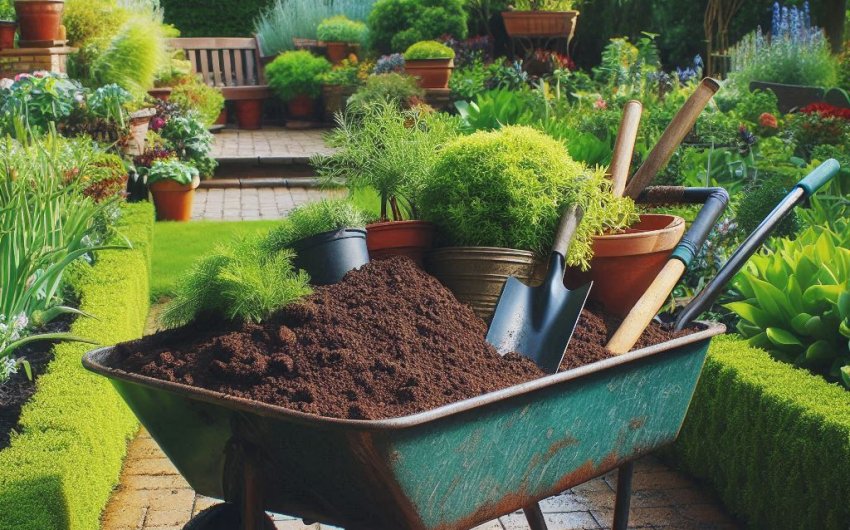
For anyone who loves spending time in their garden, tackling outdoor projects, or managing a large yard, the task of moving heavy materials can quickly become a back-breaking chore. Whether it's bags of soil, sacks of mulch, cumbersome rocks, or piles of weeds, lugging these items by hand is inefficient and exhausting. This is where a reliable garden cart becomes an indispensable tool, transforming strenuous labor into manageable tasks. Discover why choosing one of the best garden carts for hauling heavy loads can revolutionize your outdoor work, saving your back and your time.
Why Do You Need a Good Garden Cart for Heavy Loads?
Beyond just moving things, a well-chosen garden cart offers significant advantages for anyone serious about their yard work.
What Makes a Garden Cart Essential for Heavy Lifting?
- Ergonomics and Back-Saving: The primary benefit. Instead of repeatedly bending, lifting, and carrying, a garden cart allows you to load items at a comfortable height and easily transport them using leverage and wheels. This significantly reduces strain on your back, shoulders, and knees.
- Increased Efficiency: You can move much more material in a single trip with a cart than you could by hand or even with a small wheelbarrow. This means fewer trips, saving you valuable time and energy.
- Versatility for Various Tasks: A good garden cart isn't just for dirt. It's perfect for hauling mulch, compost, firewood, gardening tools, bags of fertilizer, rocks, debris, and even potted plants. Some carts are also designed for specific jobs like harvesting.
- Durability and Longevity: Carts designed for heavy loads are built to withstand tough conditions, resisting rust, punctures, and heavy impacts, making them a long-term investment.
- Improved Safety: Carrying heavy, awkward loads by hand increases the risk of trips, falls, and injuries. A stable cart reduces these risks.
What's the Difference Between a Garden Cart and a Wheelbarrow?
While often confused, garden carts and wheelbarrows serve different primary purposes, though they can overlap.
- Wheelbarrow:
- Wheels: Typically one wheel (sometimes two).
- Balance: Requires balance to operate, especially with heavy or uneven loads.
- Maneuverability: Excellent for navigating tight spaces or dumping contents directly (tipping forward).
- Primary Use: Best for dumping loose materials like soil or concrete quickly in a specific spot.
- Garden Cart:
- Wheels: Two, four, or sometimes more wheels.
- Balance: Much more stable than a wheelbarrow, especially for heavy, static loads. Easier to push/pull over varied terrain.
- Maneuverability: Some have steering mechanisms (like a wagon), others pivot. Generally less nimble in very tight spots than a single-wheelbarrow but more stable.
- Primary Use: Ideal for hauling heavy, bulky items, often over longer distances, where stability is key. Easier on slopes or uneven ground due to multiple wheels.
What Key Features Define the Best Garden Carts for Heavy Loads?
When shopping for a garden cart, certain features are crucial for ensuring it can handle demanding tasks effectively.
1. Load Capacity and Volume
- Weight Capacity (lbs): This is the maximum weight the cart is designed to carry. For heavy loads, look for carts with a high weight capacity, typically ranging from 400 lbs up to 1200 lbs or more. Exceeding this limit can damage the cart or compromise safety.
- Volume Capacity (Cubic Feet): This refers to how much material the cart's bed can hold, usually measured in cubic feet. A larger volume means fewer trips for loose materials like mulch or soil. Consider your typical load size.
2. Bed Material: Durability and Versatility
The material of the cart's bed impacts its durability, weight, and suitability for different materials.
- Steel/Metal Mesh:
- Pros: Extremely durable, can handle very heavy and sharp objects (rocks, firewood). Mesh sides often allow dirt to fall through while retaining larger items.
- Cons: Can be heavy, may rust if not properly coated or maintained, some loose materials might fall through the mesh.
- Poly (Heavy-Duty Plastic):
- Pros: Lightweight, rust-proof, easy to clean (great for wet soil, compost, or mixing concrete). Less likely to scratch delicate surfaces.
- Cons: Can be less durable than steel for extremely heavy or sharp loads, can sometimes crack in very cold weather if impacted.
- Wood:
- Pros: Classic aesthetic, can be strong depending on the wood type and construction.
- Cons: Requires more maintenance (sealing, painting), can rot or warp over time, generally heavier.
3. Dumping Mechanism: Ease of Unloading
For hauling loose materials, a convenient dumping feature is a huge plus.
- Dump Carts: These carts have a design that allows the bed to tilt and unload its contents, similar to a dump truck.
- Lever-Actuated Dump: A handle or lever releases a latch, allowing the bed to pivot and dump. This is the most common and user-friendly type.
- Pivot Point: Look for a well-designed pivot point that allows for smooth, controlled dumping even with heavy loads. A Gorilla Carts dump cart is a popular choice for this feature.
4. Wheel and Tire Type: Terrain and Durability
The wheels and tires are crucial for maneuverability and handling heavy loads over varied terrain.
- Pneumatic (Air-Filled) Tires:
- Pros: Provide excellent cushioning, making the cart easier to pull over uneven terrain, rocks, and bumps. Distribute weight well.
- Cons: Can go flat (puncture risk), require air pressure maintenance.
- Solid (Flat-Free) Tires:
- Pros: Never go flat, no maintenance required.
- Cons: Less cushioning, can make for a bumpier ride on rough terrain, potentially harder to pull with very heavy loads.
- Wheel Size: Larger diameter wheels generally make it easier to roll over obstacles and uneven ground.
- Tread: Look for tires with good tread for traction, especially if you'll be on soft ground or slight inclines.
5. Handle and Steering Mechanism
- Handle Type:
- D-Handle: Common on poly dump carts, comfortable for pushing and pulling.
- Loop/T-Handle: Often found on flatbed or wagon-style carts, excellent for pulling and allows for two-handed control.
- Convertible Handle: Some carts offer a handle that can switch from a pull handle to one that attaches to an ATV or lawn tractor for towing.
- Steering:
- Fixed Axle: Wheels turn with the body of the cart. Maneuverability comes from pushing/pulling.
- Steerable Front Wheels (Wagon Style): The front axle pivots, allowing the cart to be steered like a wagon. This offers much better maneuverability, especially for longer carts or tighter turns. A heavy-duty garden wagon is known for this.
6. Frame Construction: Strength and Stability
- Steel Frame: Look for a sturdy steel frame (often powder-coated for rust resistance). The thickness and gauge of the steel indicate its strength.
- Welded Joints: Welded joints are generally stronger and more durable than bolted joints.
- Axle Material: Heavy-duty steel axles are essential for supporting significant weight.
7. Removable Sides: Versatility
- Fold-Down/Removable Sides: Many mesh or poly carts feature sides that can fold down or be entirely removed.
- Benefits: This turns the cart into a flatbed wagon, ideal for hauling oversized or awkwardly shaped items like long lumber, branches, or large potted trees.
What Are the Best Types of Garden Carts for Heavy Loads?
Different designs excel at specific tasks. Understanding the types can help you choose the best fit.
1. Poly Dump Carts
These are perhaps the most popular for general heavy-duty yard work.
- Characteristics: Feature a large, durable poly (plastic) bed and a lever-activated dumping mechanism. Typically have four pneumatic wheels.
- Best For: Hauling loose materials like soil, mulch, gravel, sand, and compost. Easy to clean.
- Why They're Great for Heavy Loads: The poly bed is resistant to dents and rust, and the dumping feature makes unloading bulk materials effortless, even when full and heavy. The four-wheel design provides excellent stability.
- Popular Models: The Gorilla Carts poly dump cart is a prime example of a highly-rated and durable option.
2. Steel Mesh Carts (Wagons)
Often resemble traditional wagons but are built for heavy-duty use.
- Characteristics: A strong steel frame with a mesh bed and mesh sides (often removable). Feature steerable front wheels controlled by a pull handle.
- Best For: Hauling heavy, bulky, or oddly shaped items like firewood, rocks, bags of concrete, large tools, and branches. With sides down, they become flatbeds for lumber.
- Why They're Great for Heavy Loads: The robust steel construction can handle rough treatment and sharp objects. The steerable front wheels make them very maneuverable, especially for longer loads or navigating around garden beds.
- Popular Models: Many manufacturers offer robust steel utility wagons with high weight capacities.
3. Garden Wagons with All-Terrain Tires
These are a subset of the steel mesh or poly carts but with an emphasis on rugged wheels.
- Characteristics: Designed specifically for rough or varied terrain, featuring larger, wider, often pneumatic, all-terrain tires. They typically have a steerable front axle.
- Best For: Yards with uneven ground, rocky paths, soft soil, or hilly terrain. Ideal for transporting heavy materials over long distances in challenging landscapes.
- Why They're Great for Heavy Loads: The enhanced tires provide superior traction and shock absorption, making it significantly easier to pull heavy loads without getting stuck or tipping.
4. Heavy-Duty Yard Carts (Flatbed/Platform Carts)
Less common for casual gardening but excellent for specialized heavy hauling.
- Characteristics: Often a simple, flat platform with heavy-duty wheels, sometimes with stake-side options. Designed purely for maximum weight capacity and moving very large, heavy, and often rigid items.
- Best For: Moving large appliances, heavy lumber, multiple large potted trees, construction materials. Some are designed for towing behind lawn tractors.
- Why They're Great for Heavy Loads: Their low center of gravity and extremely robust construction allow them to handle immense weights that would overwhelm other cart types.
How Do You Maintain Your Garden Cart for Long-Lasting Performance?
Proper care ensures your heavy-duty garden cart remains a reliable workhorse for years.
1. Regular Cleaning
- Rinse After Use: After each use, especially when hauling dirt, compost, or wet materials, rinse the cart thoroughly with a hose.
- Prevent Buildup: Don't let wet soil or debris sit in the bed, as this can lead to rust (for steel) or simply become harder to clean later.
- Dry Thoroughly: If possible, allow metal carts to dry completely in the sun or wipe them down to prevent rust.
2. Check and Lubricate Moving Parts
- Wheels and Axles: Periodically check the wheels and axles for any wobbles or unusual noises.
- Lubrication: Apply a general-purpose lubricant (like WD-40 or silicone spray) to moving parts like wheel axles, steering mechanisms, and dump levers, especially before and after peak season.
- Bolts and Nuts: Check that all bolts and nuts are tight. Re-tighten as needed.
3. Tire Maintenance (for Pneumatic Tires)
- Check Air Pressure: Regularly check and maintain the recommended air pressure in pneumatic tires. Under-inflated tires make the cart harder to pull and more prone to punctures.
- Inspect for Damage: Look for cracks, punctures, or excessive wear on the tires. Replace damaged tires promptly. A tire repair kit can be handy.
4. Rust Prevention (for Steel Carts)
- Powder Coating: Most quality steel carts come with a powder-coated finish for rust resistance. If you notice chips or scratches in the coating, touch them up with rust-resistant paint.
- Store Indoors/Covered: Whenever possible, store your steel cart in a dry place like a shed or garage. If it must stay outdoors, use a heavy-duty, waterproof cover.
5. Proper Storage
- Clean and Dry: Always store your cart clean and dry.
- Elevate (if needed): If storing on damp ground, place boards under the tires or frame to prevent moisture contact.
By carefully considering your needs and focusing on these key features, investing in one of the best garden carts for hauling heavy loads will undoubtedly make your gardening and yard work much more manageable and enjoyable. It's an investment in your productivity and, most importantly, in saving your back for future gardening adventures.