
Top Gardening Gloves for Thorny Plants
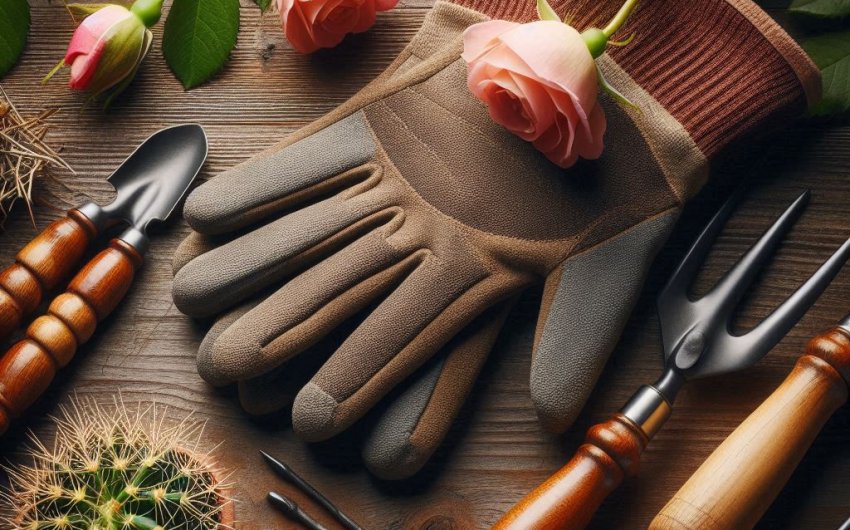
When tending to thorny plants, choosing the right pair of gardening gloves isn't just about comfort; it's about essential protection. Working with roses, cacti, blackberries, or pyracantha demands robust hand and arm coverage that can reliably defend against painful pokes, scratches, and irritations. The ideal glove combines puncture resistance with flexibility, ensuring gardeners can perform delicate tasks without compromising their safety.
Why Are Specific Gloves Essential for Thorny Plants?
Working with thorny plants poses unique challenges that standard gardening gloves simply cannot meet. The sharp defenses of roses, cacti, and other prickly specimens necessitate specialized protection to prevent injuries and ensure comfortable, efficient work in the garden.
What are the Risks of Not Wearing Proper Gloves?
Failing to wear appropriate gardening gloves for thorny plants can lead to a variety of painful and potentially serious injuries.
- Puncture Wounds: Thorns can easily pierce bare skin or thin gloves, leading to puncture wounds that can be painful, bleed, and potentially become infected.
- Scratches and Abrasions: Even if a thorn doesn't fully penetrate, it can cause deep scratches and abrasions, which are uncomfortable and can irritate the skin.
- Skin Irritation: Some thorny plants, like certain euphorbias or cacti with glochids (tiny, barbed hairs), can cause severe skin irritation, rashes, or allergic reactions.
- Embedded Thorns: Tiny thorns or glochids can break off and embed themselves in the skin, being difficult and painful to remove.
- Infections: Any break in the skin, especially from garden dirt, increases the risk of bacterial or fungal infections.
What Makes Gloves "Thorn-Proof"?
Truly "thorn-proof" gardening gloves are designed with specific features to resist punctures and tears.
- Material Thickness: They use thicker, denser materials than regular gloves, making it harder for thorns to penetrate.
- Material Strength: Materials like leather (especially cowhide or goatskin), synthetic leathers, or specialized puncture-resistant fabrics are chosen for their high tensile strength and tear resistance.
- Reinforcement: Often, key areas like the palm, fingertips, and knuckles are reinforced with extra layers of material or specialized padding to provide additional protection where thorns are most likely to strike.
- Gauntlet Cuffs: Many gloves for thorny plants feature extended gauntlet cuffs that protect the forearms, which are vulnerable when reaching into dense, thorny bushes.
How Do They Protect Beyond the Hands?
The protection offered by the best gardening gloves for thorny plants extends well beyond just the palms and fingers.
- Forearm Protection: The long gauntlet cuffs are a crucial feature, shielding the vulnerable forearms from scratches and punctures as you prune, weed, or handle large thorny branches. This is particularly important when working with plants like roses, blackberries, or pyracantha.
- Wrist Coverage: The cuffs also ensure the wrists are covered, an area often exposed with shorter gloves, preventing thorns from slipping in.
- Chemical Splash Protection: While not their primary purpose, the dense materials can offer a minor barrier against contact with certain plant saps that might be irritating.
Are There Different Levels of Thorn Protection?
Yes, not all gardening gloves for thorny plants offer the same level of protection, and choosing depends on the task.
- Light Protection: Thicker general-purpose gloves might be suitable for light pruning of less aggressively thorny plants like some evergreens with sharp needles.
- Medium Protection: Gloves with reinforced palms and fingers, often made of a single layer of thicker leather, are good for roses and most common thorny shrubs.
- Heavy-Duty/Maximum Protection: These gloves feature multiple layers of tough leather, synthetic armor, or even Kevlar lining in critical areas, and extend far up the forearm. They are designed for handling very aggressive thorns like those on cacti, bougainvillea, or mature berry brambles. A robust option like the Pine Tree Tools Bamboo Gardening Gloves can offer good protection.
Understanding these needs clarifies why investing in proper gardening gloves for thorny plants is not a luxury, but a necessity for safe and enjoyable gardening.
What Materials Are Best for Thorny Plant Gloves?
The effectiveness of gardening gloves for thorny plants hinges largely on the materials used in their construction. Different materials offer varying degrees of puncture resistance, durability, flexibility, and breathability. Understanding these properties helps in selecting the optimal glove for your specific gardening needs.
Is Leather the Best Choice?
Leather is widely considered one of the best materials for gardening gloves for thorny plants due to its natural strength and puncture resistance.
- Cowhide: This is a very common and durable leather, offering excellent puncture resistance and longevity. It can be a bit stiff initially but softens with use.
- Goatskin: Lighter and more supple than cowhide, goatskin provides good dexterity while still offering substantial thorn protection. It's often preferred for tasks requiring more fine motor skills, like deadheading roses.
- Pigskin: Offers good durability and tends to remain soft after getting wet and drying, unlike some other leathers that can stiffen.
- Deerskin: Very soft and flexible, offering excellent dexterity but sometimes less heavy-duty puncture resistance than cowhide. Leather gloves like the Stone & Beam Leather Gardening Gloves are popular choices.
- Pros of Leather: Excellent puncture and abrasion resistance, durable, molds to your hand over time for better fit.
- Cons of Leather: Can be less breathable than synthetics, can stiffen if repeatedly wet and dried (unless treated), typically more expensive.
Are Synthetic Materials an Option?
Yes, advanced synthetic materials are increasingly used in gardening gloves for thorny plants, offering alternatives to leather with unique benefits.
- Kevlar/Dyneema: These high-performance fibers are known for their exceptional cut and puncture resistance (often used in bulletproof vests and industrial safety gear). Gloves lined with or made from these materials offer superior protection against very sharp thorns.
- Nylon/Spandex Blends with Coatings: Durable nylon or spandex bases are often coated with layers of nitrile, polyurethane, or latex on the palm and fingers. These coatings provide grip and a moderate level of puncture resistance. Thicker coatings or multiple layers enhance protection.
- Pros of Synthetics: Often more flexible and breathable than thick leather, can be more water-resistant, good grip with coated palms, some offer superior cut resistance.
- Cons of Synthetics: Puncture resistance varies greatly by material and thickness; some coatings can wear off over time; may not offer the same natural feel as leather.
What About Fabric or Blends?
Some gardening gloves for thorny plants use a combination of fabric and other materials to balance protection, flexibility, and breathability.
- Canvas/Heavy Cotton: While somewhat durable, heavy cotton or canvas alone provides minimal thorn protection. They are usually reinforced with leather or synthetic materials in critical areas.
- Spandex/Elastic Blends: Used for the back of the hand to provide flexibility and breathability, while the palm and fingers will use tougher materials like leather or puncture-resistant synthetics.
- Padding/Reinforcement: Some gloves incorporate specialized padding (e.g., foam, gel, or layered fabric) in high-impact areas like the knuckles or fingertips to absorb shock and provide extra protection.
How Does Gauntlet Length Affect Material Choice?
The length of the gauntlet cuff also influences material choices.
- Full Leather Gauntlet: Many robust gloves for thorny plants feature full leather gauntlet cuffs that extend far up the forearm. This provides consistent, heavy-duty protection against thorny branches.
- Fabric/Synthetic Gauntlet: Some gloves may use a lighter, more flexible fabric or synthetic material for the cuff, which can be more comfortable and breathable, but might offer slightly less puncture resistance than a full leather gauntlet.
- Elastic Cuffs: For gloves that offer basic thorn resistance, a simple elasticized wrist cuff can keep dirt out and secure the glove, but provides no forearm protection. A pair of G & F Products Rose Gardening Gloves will have the necessary forearm protection.
The optimal material for your gardening gloves for thorny plants will ultimately be a balance between the level of protection required by your plants, the dexterity needed for your tasks, and your personal comfort preferences.
What Features Should I Look for in Thorn-Proof Gloves?
Beyond the material, several design features contribute to making gardening gloves truly effective for thorny plants. These elements enhance protection, comfort, and functionality, allowing you to work safely and efficiently.
How Important is Gauntlet Length?
The gauntlet length (the extended cuff of the glove) is a critical feature for gloves designed for thorny plants.
- Forearm Protection: Longer gauntlets, typically extending 6 to 8 inches or more past the wrist, provide essential protection for your forearms. This is crucial when reaching into dense rose bushes, blackberry brambles, or other prickly shrubs, as your forearms are highly susceptible to scratches and punctures.
- Prevents Debris Entry: A well-fitting gauntlet also helps prevent dirt, thorns, and other debris from falling inside the glove, keeping your hands cleaner and safer.
- Coverage for Specific Tasks: For pruning large rose bushes or handling long, thorny branches, a long gauntlet is non-negotiable. For handling smaller potted cacti, a shorter glove might suffice if arm protection isn't the primary concern.
What About Dexterity and Flexibility?
While protection is paramount, dexterity and flexibility are also very important for gardening gloves for thorny plants.
- Performing Tasks: You need to be able to grip tools (like pruning shears), pick up small items, and manipulate plant stems without feeling like your hands are in stiff boxes.
- Material Choice: Softer, more supple leathers (like goatskin or deerskin) or thinner, high-performance synthetics often offer better dexterity than thick, stiff cowhide. However, a trade-off between dexterity and puncture resistance sometimes exists.
- Fit: A glove that fits snugly (but not too tightly) will always offer better dexterity than one that is too loose. Look for gloves that conform to the shape of your hand.
How Does Grip Affect Performance?
A good grip is essential for safety and efficiency when working with thorny plants.
- Tool Handling: You need a firm grip on your gardening tools, especially when pruning, to prevent slips that could lead to injury.
- Plant Handling: A textured or reinforced palm can help you grasp thorny stems or branches more securely, preventing them from slipping and causing scratches.
- Wet Conditions: Some gloves feature specialized coatings (like textured nitrile or latex) on the palms and fingers that enhance grip even in wet conditions, which is beneficial when watering or working after rain. A pair of Magid Glove & Safety BE199T Classic Rose Gloves often includes good grip.
What Other Features Should I Consider?
- Reinforced Fingertips and Palms: Extra layers of material or specialized padding in these high-impact zones provide crucial protection against direct thorn punctures. This is where most contact with thorns occurs.
- Breathability: While tough materials can sometimes compromise breathability, look for gloves that incorporate some breathable fabric on the back of the hand or have perforations to help prevent excessive sweating and discomfort, especially in warmer climates.
- Adjustable Cuffs: Some gauntlet gloves feature elasticized wrists or adjustable straps (Velcro) to ensure a snug fit, preventing debris from entering and keeping the glove securely in place.
- Washability: For fabric or synthetic gloves, consider if they are machine washable for easy cleaning. Leather gloves typically require specialized cleaning and conditioning.
- Color/Visibility: While not directly protective, bright colors can make gloves easier to spot if dropped in the garden.
By carefully considering these features, you can select gardening gloves for thorny plants that offer the optimal blend of safety, comfort, and practicality for your specific gardening tasks.
What Are the Top Recommended Gloves for Thorny Plants?
Choosing among the many options for gardening gloves for thorny plants can be daunting. Based on materials, features, and overall performance, several types consistently stand out as highly recommended for their ability to protect against thorns while maintaining functionality.
Best for Roses and General Thorny Shrubs?
For pruning and tending to roses, holly, and other common thorny shrubs, you need a balance of strong protection and reasonable dexterity.
- Leather Gauntlet Gloves (Goatskin or Cowhide): These are the gold standard. Goatskin offers excellent puncture resistance with superior dexterity, making it easier to handle delicate rose stems and shears. Cowhide provides maximum durability and puncture resistance, though it might be a bit stiffer. Look for models with reinforced palms and fingers. A popular choice is the HANDLANDY Rose Pruning Gloves, often praised for its long gauntlets and good fit.
- Features to Look For: Long gauntlet cuffs to protect forearms, reinforced stitching, and a comfortable fit that allows for good grip on tools.
Best for Cacti and Succulents (Tiny Spines)?
Cacti often have fine, irritating glochids or numerous tiny spines that can be difficult to remove.
- Heavy-Duty Leather Gloves with Textured Palms: While leather is good, some cactus gardeners prefer very thick, reinforced leather or specialized synthetic gloves that have a slightly tacky or textured surface to help grip the often smooth and slippery cactus bodies.
- Multi-Layered Synthetic Gloves: Gloves with multiple layers of dense synthetic material or even Kevlar lining can offer excellent protection against micro-spines. The key is preventing the tiny glochids from embedding.
- Rubber Coated/Nitrile Gloves (Thicker Gauge): For very fine glochids, a thick rubber-coated or nitrile glove can sometimes provide a smooth, impenetrable surface that prevents attachment, but might lack the dexterity for precise tasks. A good option to consider is the Wonder Grip Comfort Gardening Gloves for handling delicate plants.
- Features to Look For: Smooth, impenetrable outer surface (for glochids), high puncture resistance, and potentially longer cuffs to protect arms.
Best for Blackberries and Dense Brambles?
Tackling dense, aggressive brambles like blackberries or thorny vines requires maximum protection.
- Extra-Thick Cowhide Leather Gauntlet Gloves: These are typically the toughest option. Look for gloves made from very heavy-duty cowhide, often with double stitching and additional reinforcement in the palm and finger areas. The gauntlet must be very long and robust.
- Industrial-Grade Puncture-Resistant Gloves: Some gloves designed for industrial use (e.g., handling sharp metal) might cross over into gardening. These often incorporate synthetic fibers like Kevlar or Dyneema for extreme puncture resistance.
- Features to Look For: Highest possible puncture resistance, extreme durability, very long and sturdy gauntlet cuffs, and robust construction to withstand harsh environments.
Are There Options for All-Around Thorn Protection?
If you work with a variety of thorny plants and want a versatile, strong glove, consider these:
- Premium Goatskin/Cowhide Blend Gauntlet Gloves: Many high-quality gardening glove brands offer a blend of goatskin (for dexterity) on the palm and cowhide (for durability) on the back and gauntlet, providing a good balance.
- Hybrid Leather and Puncture-Resistant Synthetic Gloves: Some gloves combine leather palms with synthetic materials on the back of the hand for breathability and a synthetic gauntlet for forearm protection.
- Well-Reviewed General Purpose Thorn Gloves: Look for gloves that consistently receive high ratings from gardeners who tackle various thorny plants. Brands like Garden Master Professional Rose Gloves are often highly rated.
- Features to Look For: A balance of high puncture resistance, good dexterity, long gauntlet, and comfortable fit for prolonged use.
No matter which specific thorny plants you're handling, investing in high-quality gardening gloves designed for puncture resistance is a critical step in ensuring your safety and enjoyment in the garden.
How Do I Maintain My Thorn-Proof Gloves?
Proper maintenance of your gardening gloves for thorny plants is just as important as choosing the right pair. Good care ensures their longevity, maintains their protective qualities, and keeps them comfortable for many seasons of use. Neglect can lead to stiff, brittle, or less protective gloves.
How Should I Clean Leather Gloves?
Cleaning leather gardening gloves properly helps them stay supple and prevents cracking or stiffening.
- Remove Excess Dirt: After each use, vigorously clap your gloved hands together or use a stiff brush to knock off as much dry soil and debris as possible.
- Damp Wipe (If Necessary): If the gloves are muddy, wipe them down with a damp (not soaking wet) cloth. Avoid fully submerging leather gloves in water unless absolutely necessary.
- Use Leather Cleaner: For deeper cleaning, use a specialized leather cleaner for gloves. Apply it according to the product instructions, usually with a soft cloth, and gently wipe the glove surface.
- Air Dry Slowly: Never dry leather gloves in direct sunlight, on a radiator, or with a hairdryer, as rapid drying will cause the leather to shrink, crack, and stiffen. Instead, reshape the gloves on your hands, then allow them to air dry slowly at room temperature, ideally with some airflow (e.g., hanging by the cuffs or laid flat).
How Should I Clean Synthetic/Fabric Gloves?
Synthetic or fabric gardening gloves are often easier to clean than leather, but still require proper care.
- Remove Loose Dirt: Shake or brush off as much dry soil as possible.
- Rinse or Machine Wash: Many synthetic/fabric gloves can be rinsed under a tap or even machine washed on a gentle cycle with cold water and a mild detergent. Check the care label specifically.
- Air Dry: Hang them to air dry completely. Avoid machine drying, as high heat can damage coatings or synthetic fibers and cause shrinkage.
How Do I Keep Them Supple?
Keeping leather gloves supple is crucial for maintaining their comfort and flexibility, and preventing them from becoming stiff and prone to cracking.
- Conditioning: After cleaning and drying, or when the leather starts to feel a bit stiff, apply a leather conditioner for gloves. This restores the natural oils in the leather. Apply a small amount with a soft cloth and rub it in gently.
- Regular Use: Surprisingly, regular use and the natural oils from your hands can also help keep leather supple. Don't let them sit unused for too long.
- Avoid Over-Drying: As mentioned, repeated cycles of getting soaked and then rapidly dried will strip natural oils and cause stiffness.
How Should I Store My Gloves?
Proper storage protects your gardening gloves for thorny plants from damage and environmental degradation.
- Clean and Dry: Always ensure gloves are thoroughly clean and completely dry before storing them. Storing damp gloves encourages mold and mildew, and can cause leather to rot or synthetics to degrade.
- Cool, Dry Place: Store them in a cool, dry place, away from direct sunlight and extreme temperatures. A shed, garage, or utility room is ideal.
- Airflow: Avoid storing them in airtight containers where moisture can get trapped. Hanging them on a hook or placing them in a breathable bag allows for good air circulation.
- Keep Them Together: Store pairs together to avoid misplacing one glove.
By diligently following these maintenance tips, your investment in high-quality gardening gloves for thorny plants will pay off with years of comfortable and effective protection in the garden.