
How to Choose the Best Leaf Blower for Small Gardens?
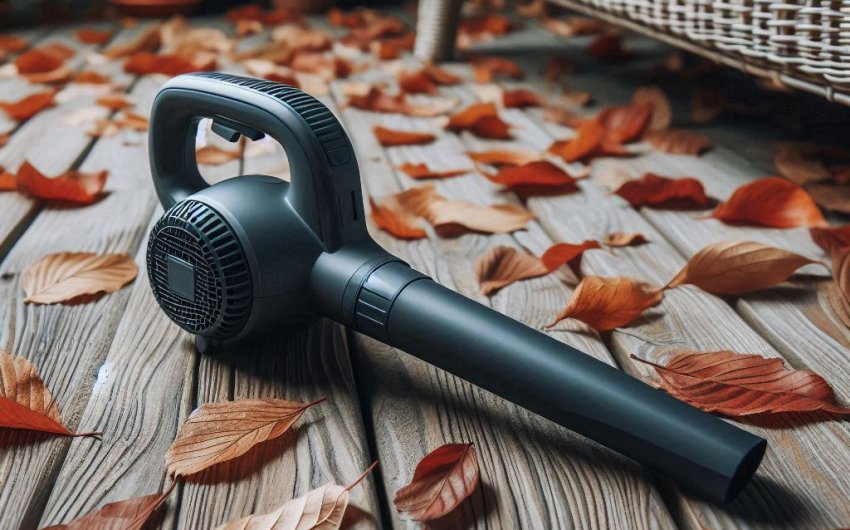
Maintaining a tidy outdoor space, especially as seasons change, often brings the task of clearing leaves and debris. For those with more compact properties, understanding how to choose the best leaf blower for small gardens is essential to efficiently manage yard waste without unnecessary power or bulk. The ideal blower for a smaller area balances adequate performance with user-friendly features like lightweight design, quiet operation, and easy maneuverability.
Why is a Leaf Blower Beneficial for Small Gardens?
While a rake might seem sufficient for compact spaces, a leaf blower offers several distinct advantages that can significantly streamline cleanup, even in a small garden. Understanding these benefits highlights why investing in the right tool for your specific needs is a smart move.
Efficiency and Speed
Even in a modest yard, manual raking can be surprisingly time-consuming and labor-intensive.
- Faster Cleanup: A leaf blower dramatically reduces the time spent on cleanup. What might take an hour or more with a rake could be done in 15-30 minutes with a blower. This is especially true for intricate areas.
- Less Effort: Blowing requires less physical exertion compared to repetitive raking motions, saving your back and muscles.
- Access to Tight Spaces: Rakes struggle with debris nestled between shrubs, in flower beds, around obstacles, or on uneven surfaces. A leaf blower's focused airflow can easily dislodge and move debris from these tricky spots.
Versatility Beyond Leaves
A leaf blower isn't just for autumn leaves. Its strong airflow makes it useful for a variety of tasks in a small garden.
- Clearing Grass Clippings: After mowing, use the blower to clear grass clippings from patios, driveways, and sidewalks, giving your garden a tidy finish.
- Sweeping Light Debris: Quickly clear small twigs, dirt, and general garden debris from hard surfaces.
- Drying Surfaces: Can be used to quickly dry a patio, deck, or outdoor furniture after rain or washing.
- Light Snow Removal: Some powerful blowers can even move light, fluffy snow from sidewalks or car.
- Gutter Cleaning (with attachments): Certain models offer attachments that allow for safer and easier cleaning of gutters.
Ease of Use and Storage
Modern leaf blowers, especially those designed for residential use, are much more user-friendly than their older, heavy counterparts.
- Lightweight: Models suitable for small gardens are typically very lightweight, making them easy to hold and maneuver for extended periods.
- Compact Storage: Many are designed to be compact, fitting easily into small sheds, garages, or even closets, which is a significant advantage in limited spaces.
- Reduced Physical Strain: For individuals with back problems, arthritis, or limited mobility, a leaf blower can be a game-changer, allowing them to maintain their garden independently.
By offering superior efficiency, versatility, and ease of use, a well-chosen leaf blower can transform garden cleanup from a chore into a quick and satisfying task, making it a valuable addition to the tool shed of any small garden owner.
What Are the Different Types of Leaf Blowers?
Before deciding how to choose the best leaf blower for small gardens, it's crucial to understand the main types available. Each power source offers distinct advantages and disadvantages in terms of power, convenience, and environmental impact.
1. Electric Leaf Blowers (Corded)
Corded electric leaf blowers are a popular and affordable choice for small gardens due to their consistent power and lightweight design.
- Pros:
- Unlimited Run Time: As long as they're plugged in, they provide continuous power, so you never have to worry about batteries dying or running out of fuel.
- Lightweight: Typically the lightest type of leaf blower, making them easy to maneuver and reducing arm fatigue.
- Quiet: Generally quieter than gas models.
- Low Maintenance: No fuel or spark plugs to worry about. Just plug and play.
- Affordable: Usually the least expensive option upfront. A corded electric leaf blower can be a great entry point.
- Cons:
- Limited Range: Requires an extension cord, which can limit your reach and be a tripping hazard or get tangled around obstacles.
- Power Outlet Needed: Requires access to a power outlet.
- Best For: Very small yards, patios, driveways, or areas close to a power source.
2. Cordless (Battery-Powered) Leaf Blowers
Cordless leaf blowers offer the convenience of no cord with the eco-friendliness of electric power. They are rapidly gaining popularity and are often considered the best choice for small gardens.
- Pros:
- Portability: No cord means complete freedom of movement around your garden.
- Quiet: Quieter than gas models, similar to corded electric.
- Low Maintenance: Like corded electric, minimal upkeep.
- Environmentally Friendly: No emissions.
- Lightweight: Often comparable in weight to corded models.
- Battery System Compatibility: Many brands offer battery systems where the same battery can be used with multiple tools (e.g., string trimmers, hedge trimmers), saving money on additional batteries. A cordless leaf blower kit usually includes a battery and charger.
- Cons:
- Limited Run Time: Battery life can range from 15-60 minutes, depending on the battery's Amp-hour (Ah) rating and the blower's power setting. This might not be enough for larger tasks.
- Recharge Time: Batteries take time to recharge.
- Higher Upfront Cost: Often more expensive than corded electric, especially if buying multiple batteries.
- Battery Degradation: Batteries can lose capacity over time.
- Best For: Small to medium-sized yards where portability is key and you value quiet operation and low maintenance.
3. Gas-Powered Leaf Blowers
Gas leaf blowers are the most powerful option, typically used for large properties or heavy-duty commercial use.
- Pros:
- Maximum Power: Best for moving wet, heavy debris, large piles of leaves, or clearing expansive areas quickly.
- Unlimited Run Time: As long as you have fuel.
- Complete Portability: No cord limitations.
- Cons:
- Loud: Very noisy, often requiring hearing protection.
- Heavy: Heavier than electric models, leading to more fatigue.
- High Maintenance: Requires fuel mixing (for 2-stroke engines), spark plug changes, air filter cleaning, etc.
- Emissions/Smell: Produces exhaust fumes and a gas smell.
- Not Ideal for Small Gardens: Often overkill for small spaces, and their bulk and noise can be a nuisance.
- Best For: Large properties, commercial use, and very heavy debris. Not generally recommended for small gardens.
For small gardens, the choice typically boils down to corded electric (for budget and consistent power) or cordless battery-powered (for ultimate convenience and portability).
What Power and Features Do You Need for a Small Garden Leaf Blower?
When considering how to choose the best leaf blower for small gardens, focusing on appropriate power levels and useful features is crucial. You don't need the industrial strength of a gas blower; instead, aim for efficiency, comfort, and versatility.
Understanding Power Ratings (CFM and MPH)
Leaf blower power is typically measured by two main metrics:
Cubic Feet per Minute (CFM): This measures the volume of air moved by the blower. Higher CFM means it can move more leaves at once. For a small garden, aim for 150-350 CFM.
Miles Per Hour (MPH): This measures the speed of the air coming out of the nozzle. Higher MPH is good for dislodging wet or stubborn debris. For a small garden, aim for 100-200 MPH.
Balance is Key: A good balance of both CFM and MPH is ideal. High CFM without decent MPH won't dislodge stubborn debris, and high MPH without decent CFM won't move much volume.
For Small Gardens: You generally prioritize CFM for moving light, dry leaves, and then sufficient MPH for loosening damp ones. Don't fall for marketing hype of extremely high numbers that are overkill for your needs.
Key Features for Convenience and Performance
Look for these features to enhance your experience with a leaf blower in a small garden:
- Lightweight Design: Crucial for maneuverability and reducing arm fatigue, especially when working around beds or obstacles. For handheld models, aim for a weight under 7 pounds.
- Variable Speed Settings: This allows you to control the airflow.
- Low Speed: Ideal for delicate areas like flower beds (to avoid blowing away mulch or small plants), or for moving light dust on patios.
- High Speed: For tougher jobs like moving wet leaves or clearing stubborn debris from cracks.
- A leaf blower with variable speed offers great versatility.
- Ergonomic Handle/Grip: A comfortable grip reduces hand strain, particularly important for cordless models where you'll be holding the unit.
- Low Noise Level (Decibels): Electric and cordless blowers are significantly quieter than gas models. For residential areas, choose a model that is considerate of your neighbors. Look for decibel ratings (dB) below 65 dB for quieter operation.
- Blower-Vac-Mulcher Combo: Many models offer a 3-in-1 function:
- Blower: For moving debris.
- Vacuum: For sucking up leaves into a bag (useful for flower beds or small areas).
- Mulcher: An impeller shreds the vacuumed debris, reducing its volume, making it great for composting or bagging.
- A blower-vac-mulcher combo can be incredibly versatile for a small garden.
- Battery System (for Cordless): If choosing cordless, consider models where the battery is compatible with other tools from the same brand (e.g., string trimmers, hedge trimmers). This saves money and simplifies battery management.
- Concentrator Nozzle: A narrower nozzle attachment helps to direct the airflow into a concentrated stream, which is useful for dislodging stubborn debris or cleaning tight corners.
By carefully evaluating these power metrics and practical features, you can confidently determine how to choose the best leaf blower for small gardens, ensuring it's powerful enough for the task without being cumbersome or excessive.
How Do You Use a Leaf Blower Effectively and Safely?
Once you've chosen the best leaf blower for your small garden, knowing how to use it effectively and safely is paramount. Proper technique maximizes efficiency, protects your plants, and ensures your own well-being.
Effective Usage Techniques
Using a leaf blower isn't just about pointing and shooting. A few techniques will help you achieve a cleaner garden with less effort.
- Start with Low Speed (Variable Speed Models): Begin with a lower speed for light debris, especially around delicate plants, mulch, or gravel. This prevents blowing away desirable materials. Gradually increase speed as needed for heavier debris.
- Sweep, Don't Blast: Use a sweeping motion, moving debris in one direction. Instead of pointing directly down, aim the nozzle at a slight angle to the ground.
- Work in Rows or Zones: Break down your garden into manageable sections. Start from the edges and blow debris towards a central collection point.
- Clear Difficult Areas First: Tackle areas around obstacles, in flower beds, or against fences where debris tends to accumulate before moving to open areas.
- Plan Your Collection Point: Decide beforehand where you will gather the debris (e.g., a tarp, a designated pile, directly into a vacuum bag if using a mulcher).
- Blow Dry Leaves: Leaf blowers are most effective on dry leaves. Wet leaves are heavy and stick to surfaces, making them much harder to move. If leaves are wet, wait for them to dry, or use a rake for smaller, stubborn clumps.
Safety Precautions
Leaf blowers, even smaller electric models, are powerful tools that require adherence to safety guidelines.
- Eye Protection: Always wear safety glasses or goggles to protect your eyes from flying debris (twigs, pebbles, dust).
- Hearing Protection: Even electric blowers can be noisy over extended periods. Consider wearing ear protection, especially if using the blower for more than a few minutes.
- Dust Mask: If working in dry, dusty conditions or if you have respiratory sensitivities, wear a dust mask.
- Appropriate Footwear: Wear sturdy, closed-toe shoes to protect your feet from any debris.
- Clear the Area: Before starting, ensure children, pets, or anyone else is clear of the work area and won't be in the path of flying debris.
- Check for Obstacles: Before blowing, quickly scan the area for loose items (small toys, fragile decorations, pet waste) that could be picked up by the airflow.
- Beware of Cords (Electric Models): Be constantly aware of your extension cord's position to avoid tripping or cutting it. Keep it behind you and away from the blower's intake.
- Proper Ventilation (Gas Models): Never use a gas-powered blower in an enclosed space due to carbon monoxide fumes. (Less relevant for small electric blowers, but good general practice).
By implementing these effective usage techniques and prioritizing safety, you can harness the full power of your leaf blower to efficiently maintain your small garden, enjoying a tidier outdoor space with ease and confidence.
What Are the Best Practices for Leaf and Debris Management in Small Gardens?
Once you've effectively used your leaf blower to gather leaves and debris, the next step is responsible management. In a small garden, thoughtful debris management contributes to a neat appearance, promotes garden health, and reduces waste. This holistic approach ensures your leaf blower is part of a sustainable gardening strategy.
1. Composting Leaves and Organic Debris
This is perhaps the most environmentally friendly and beneficial way to manage leaves and organic garden waste.
- Rich Resource: Leaves are a fantastic source of carbon ("brown" material) for your compost pile, balancing out "green" materials like grass clippings and food scraps.
- How to:
- Blow leaves into a central pile.
- If your blower has a mulching function, vacuum and shred the leaves first; this significantly reduces their volume and speeds up decomposition in the compost pile. You can get a leaf mulcher if your blower doesn't have a vacuum feature.
- Add shredded leaves to your compost bin in layers with green materials.
- Benefits: Creates nutrient-rich compost ("black gold") for your garden, reduces landfill waste, and saves money on soil amendments.
2. Using Leaves as Mulch
Leaves, especially shredded leaves, make an excellent natural mulch for garden beds.
- Weed Suppression: A 2-4 inch layer of shredded leaves suppresses weeds by blocking sunlight.
- Moisture Retention: Helps retain soil moisture, reducing the need for frequent watering.
- Soil Improvement: As leaves decompose, they slowly add organic matter and nutrients to the soil, improving its structure and fertility over time.
- How to: Apply a layer of shredded leaves around trees, shrubs, and perennial beds. Keep mulch a few inches away from plant stems and tree trunks.
3. Smart Collection and Disposal
For material that can't be composted or used as mulch, efficient collection methods are key.
- Tarps: Blow leaves onto a large garden tarp. Once gathered, you can easily drag or lift the tarp to transfer the debris to a compost bin, garden waste bag, or curbside collection.
- Yard Waste Bags: Use large, sturdy paper yard waste bags for material destined for municipal yard waste collection.
- Wheelbarrows/Garden Carts: For heavier debris like twigs or damp clippings, a wheelbarrow or garden cart is invaluable.
4. Integrate into Your Gardening Calendar
Make leaf and debris management a regular part of your seasonal garden routine.
- Autumn Cleanup: The busiest time for leaf blowing. Plan a few major cleanup sessions.
- Spring Tidy-Up: Use the blower to clear winter debris and prepare beds for planting.
- Year-Round Maintenance: Use the blower weekly or bi-weekly to clear grass clippings, light debris from patios, and keep pathways tidy.
By strategically using your leaf blower in conjunction with thoughtful debris management practices, you can maintain a pristine and healthy small garden year-round, proving that the right tools and habits make all the difference in garden maintenance.