
Best Long-Handled Tools for Raised Garden Beds
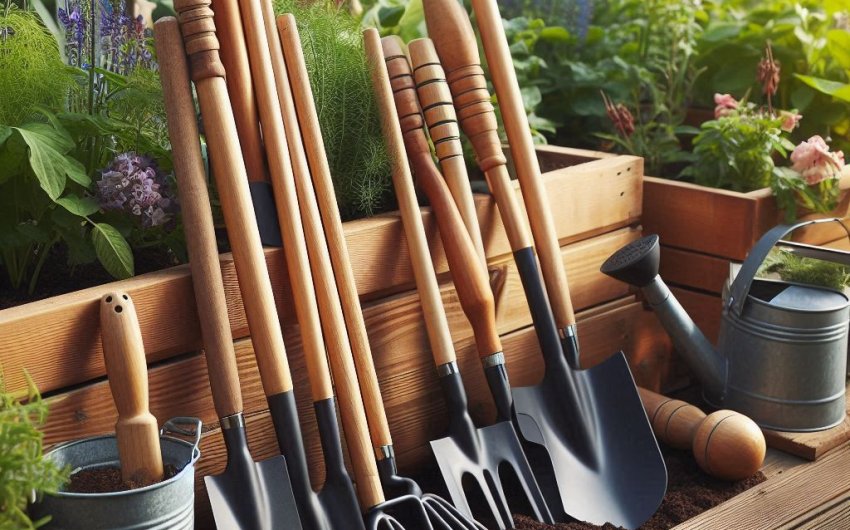
Discovering the best long-handled tools for raised garden beds can significantly enhance your gardening experience, making tasks more comfortable and efficient. Raised garden beds are fantastic for their accessibility and improved soil conditions, but reaching into them, especially wider ones, can still lead to bending and back strain. Long-handled tools bridge this gap, allowing you to cultivate, weed, plant, and harvest without excessive stooping or kneeling. This guide will explore essential tools designed to maximize comfort and productivity in your elevated growing spaces, helping you maintain a flourishing garden with less physical effort.
Why are long-handled tools important for raised garden beds?
Raised garden beds are popular for their many benefits, including better drainage, warmer soil, and reduced pest issues. However, even with elevated beds, gardeners often find themselves bending, kneeling, or overreaching, which can lead to discomfort. Long-handled tools specifically address these challenges.
How do long-handled tools help?
- Reduces back strain: The primary benefit. Long handles allow you to work from a standing or comfortably bent position, significantly reducing the need to stoop or kneel.
- Improves reach: Essential for wider raised beds where the center might be difficult to access without stepping into the bed and compacting the soil.
- Increases efficiency: With better posture and reach, you can work more effectively and for longer periods without fatigue.
- Enhances comfort: For gardeners with mobility issues, knee problems, or chronic back pain, these tools can make gardening possible and enjoyable.
- Minimizes soil compaction: By allowing you to work from the edges, you avoid stepping into the bed, keeping the soil loose and aerated.
What are common challenges in raised beds that long-handled tools solve?
- Reaching the middle of wide beds: Without long tools, you might have to step into the bed, compacting the soil.
- Weeding: Bending over for extended periods to pull weeds is tiresome. Long-handled weeders make this easier.
- Planting: Creating furrows or small holes without stooping.
- Cultivating/Aerating: Loosening soil without heavy bending.
- Harvesting: Reaching fruits or vegetables without straining.
What types of long-handled tools are best for raised beds?
A variety of long-handled tools are specifically designed or perfectly suited for the unique dimensions and tasks of raised garden beds.
What are long-handled hoes?
Hoes are versatile tools for weeding, cultivating, and shaping soil. Their long handles make them ideal for reaching across raised beds.
- Stirrup Hoe (or Oscillating Hoe):
- Blade: A rectangular, open blade that rocks back and forth as you push and pull it.
- Uses: Excellent for shallow weeding, cutting weeds just below the soil surface, and cultivating lightly.
- Benefits: Requires minimal effort, slices weeds cleanly, and doesn't disturb the soil deeply. Prevents new weed seeds from being brought to the surface.
- Key features: Look for a sturdy, sharp blade that pivots smoothly. A True Temper stirrup hoe is a reliable choice.
- Dutch Hoe:
- Blade: A flat, sharp blade attached to the handle at an angle, pushed forward to cut weeds.
- Uses: Similar to a stirrup hoe for shallow weeding and cultivating.
- Benefits: Good for precise weeding close to plants.
- Considerations: Requires a bit more effort to push than a stirrup hoe.
- Collinear Hoe (or Trapezoid Hoe):
- Blade: A thin, sharp blade that runs parallel to the ground.
- Uses: Very effective for cutting young weeds just below the surface with a sweeping motion.
- Benefits: Lightweight, highly efficient for large areas of shallow weeding.
- Considerations: Not for deep digging or breaking up compacted soil.
- Warren Hoe (or Pointed Hoe):
- Blade: A pointed, heart-shaped blade.
- Uses: Digging furrows for planting, creating small holes, mounding soil around plants (e.g., potatoes).
- Benefits: Versatile for planting tasks.
What are long-handled cultivators?
These tools help aerate the soil, break up crusts, and prepare seedbeds without compacting.
- 3-Prong Cultivator:
- Head: Three sharp, curved tines.
- Uses: Breaking up compacted soil, aerating, mixing in compost or fertilizer, preparing seedbeds.
- Benefits: Effective for loosening soil without full-bed turning. Excellent for raised beds where deep digging isn't usually necessary. A Bond 3-prong cultivator is a solid choice.
- Broadfork:
- Head: A row of sturdy tines attached to a broad crossbar, operated by stepping on the crossbar and rocking back.
- Uses: Loosening compacted soil deeply without inverting soil layers, creating aeration and drainage.
- Benefits: Excellent for no-dig gardens, vital for maintaining healthy soil structure. Reduces compaction in raised beds.
- Considerations: Can be heavy and requires some strength. Not for everyday use. A Meadow Creature broadfork is a premium option.
What are long-handled planters and seeders?
Tools that help with the precision and ergonomics of planting.
- Long-Handled Dibber:
- Tool: A pointed tool for making uniform holes for seeds or seedlings.
- Uses: Creating planting holes to a consistent depth.
- Benefits: Eliminates bending for precise planting.
- Long-Handled Seeder:
- Tool: A specialized tool that drills a hole, drops seeds, and covers them, all from a standing position.
- Uses: Planting seeds, especially small ones, in rows.
- Benefits: Saves back strain, ensures consistent spacing and depth for seeds. A Garden Weasel seeder can be useful.
What are long-handled weed pullers?
Tools specifically designed to remove weeds by their roots.
- Stand-Up Weeder:
- Tool: A specialized tool with prongs that grasp the weed root, and a foot lever to extract it from the ground.
- Uses: Removing dandelions, thistles, and other taprooted weeds.
- Benefits: Excellent for targeting individual weeds without bending or kneeling.
- Key features: Look for durable steel claws and a strong handle. A Fiskars stand-up weeder is highly rated.
What about other versatile long-handled tools?
- Long-Handled Hand Forks/Trowels (with extended reach):
- Tools: Essentially oversized versions of common hand tools, allowing you to reach into the bed.
- Uses: Transplanting, loosening soil around specific plants, light digging.
- Benefits: Offers more precision than larger hoes for delicate tasks from a standing position. A AMES long handle hand trowel can be effective.
- Garden Rake:
- Tool: A classic tool for leveling soil, removing debris, and gently cultivating.
- Uses: Smoothing out soil after tilling, breaking up small clumps, gathering loose material.
- Benefits: Essential for bed preparation.
- Push-Pull Weeder (Ho-Mi tool on a stick):
- Tool: A triangular or flat, sharp blade that cuts weeds on both the push and pull stroke.
- Uses: General weeding, cultivating.
- Benefits: Very efficient for larger areas.
What key features should you look for in long-handled tools?
Choosing the right long-handled tool involves more than just its type. The quality of materials, handle design, and overall construction significantly impact its performance and comfort.
What about handle length and material?
- Length: Crucial for preventing bending. Look for handles that allow you to stand upright or with a slight, comfortable bend in your knees while working. This often means handles from 50 to 60 inches (127-152 cm) or even longer, depending on your height and the width of your raised bed. Some handles are adjustable.
- Material:
- Ash Wood: Traditional, strong, good flex, absorbs shock well. Requires occasional oiling to prevent drying and cracking. Can be heavy.
- Fiberglass: Very strong, lightweight, weather-resistant, and excellent at absorbing shock. Does not require maintenance. Often a good choice for minimizing fatigue.
- Steel/Aluminum: Strong and durable. Steel can be heavy; aluminum is lightweight but might flex more if not a thick gauge. Often covered with rubber for grip.
- Grip: Look for ergonomic grips or comfortable non-slip coatings on the handle to prevent blisters and hand fatigue.
What about head material and construction?
The part of the tool that does the work needs to be durable and effective.
- Stainless Steel:
- Pros: Rust-resistant, easy to clean, glides through soil smoothly.
- Cons: Can be more expensive. Might not be as tough for extreme prying if very thin.
- Best for: Most weeding and cultivating tasks in typical garden soil.
- Forged Carbon Steel:
- Pros: Extremely strong and durable, holds a sharp edge well. Excellent for tough soil, roots, and heavier duty tasks.
- Cons: Prone to rust if not cleaned and maintained properly.
- Best for: Broadforks, heavy-duty hoes, any tool that will encounter significant resistance.
- Stamped vs. Forged: Forged heads are generally superior, made from a single piece of steel heated and hammered into shape, resulting in greater strength and longevity. Stamped heads are cut from sheet metal and can be weaker.
What about weight and balance?
- Overall Weight: While "long-handled," the tool shouldn't be excessively heavy, especially if you'll be using it for extended periods. A lighter tool reduces fatigue.
- Balance: A well-balanced tool feels comfortable and natural in your hands, allowing for smooth, controlled movements. The weight should be distributed evenly or slightly towards the head, depending on the tool's purpose.
How important is durability and warranty?
- Construction: Inspect the connection point between the head and the handle. It should be robust, often a solid socket connection or securely bolted. Avoid flimsy designs.
- Brand Reputation: Stick to reputable brands known for quality garden tools, such as Fiskars, Sneeboer, Corona, or Ames.
- Warranty: A good warranty indicates the manufacturer stands behind their product.
How do you use long-handled tools effectively in raised beds?
Proper technique enhances the efficiency of long-handled tools and further reduces strain.
What are general tips for using long-handled tools?
- Maintain good posture: Keep your back straight, bend at your knees, and use your core muscles. Let the tool do the work.
- Use sweeping motions: For hoes and cultivators, use long, sweeping motions rather than short, choppy ones.
- Work from the edge: Position yourself at the edge of the raised bed, extending your reach to the center. This keeps your weight off the soil.
- Sharpen regularly: A sharp blade on your hoe or weeder cuts through weeds and soil much more easily, reducing effort. Use a sharpening file for garden tools.
- Clean after use: Remove soil and debris from the tool head to prevent rust and maintain performance.
How do you use specific tools?
- Stirrup Hoe: Place the blade on the soil surface, then push and pull, allowing the blade to oscillate and slice through weeds just below the surface.
- 3-Prong Cultivator: Drag the tines through the soil to loosen it, breaking up clods and aerating the soil before planting.
- Stand-Up Weeder: Position the prongs over the center of the weed, step down on the foot lever to push the prongs into the soil, and then pull the handle back to extract the weed and its root.
How do you maintain long-handled tools?
Proper maintenance ensures your investment in long-handled tools pays off with years of reliable service.
What are essential maintenance steps?
- Clean after each use:
- Remove soil: Scrape off all soil and plant debris from the head and handle. A stiff brush or old rag works well.
- Rinse: Rinse the metal parts with water.
- Dry thoroughly: This is crucial to prevent rust. Hang tools to dry completely before storing.
- Sharpen blades: Regularly sharpen the cutting edges of hoes and weeders. A sharp edge makes them significantly more effective.
- Lubricate:
- Metal heads: Apply a thin layer of oil (e.g., linseed oil, mineral oil, or WD-40) to metal heads, especially carbon steel, to prevent rust.
- Wood handles: Occasionally rub wood handles with linseed oil to prevent them from drying out, splintering, and cracking.
- Inspect and repair: Periodically check all parts of the tool for any signs of damage, rust, loose connections, or splinters on wood handles. Tighten bolts or make minor repairs as needed.
- Proper storage: Store tools in a dry place, ideally hanging them on a garden tool rack or in a shed, to prevent moisture accumulation and extend their lifespan.
By carefully selecting the best long-handled tools for raised garden beds and maintaining them well, you can transform your gardening routine into a much more comfortable and enjoyable activity. These tools are truly game-changers for anyone looking to maximize efficiency and minimize strain in their elevated garden spaces.