
How to Sharpen Gardening Tools with a File?
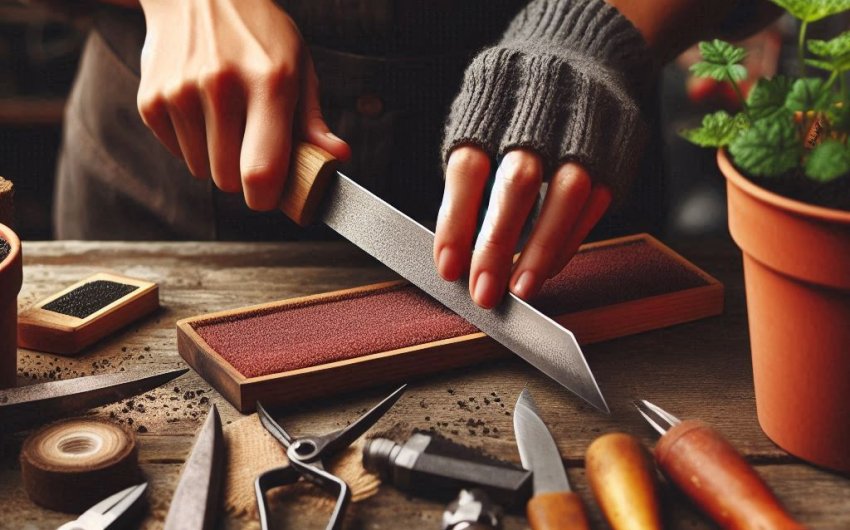
Keeping your gardening tools sharp is fundamental for efficiency and safety in the garden, and learning how to sharpen gardening tools with a file is an accessible skill for any enthusiast. A dull blade can turn a simple task into a strenuous chore, tearing rather than cutting, and potentially causing injury. Fortunately, with just a few basic tools and a bit of practice, you can restore a keen edge to your shovels, hoes, pruners, and more, ensuring they perform at their best.
Why is Sharpening Gardening Tools Important?
Maintaining sharp gardening tools isn't just about making work easier; it's crucial for plant health, tool longevity, and your personal safety. A dull edge can cause more harm than good in multiple ways.
1. For Plant Health
Clean cuts are vital for the well-being of your plants.
- Promotes Faster Healing: A sharp blade makes a clean, precise cut, which allows the plant to heal quickly. This rapid healing minimizes the time the plant's vascular system is exposed, reducing stress and preventing disease entry.
- Reduces Plant Stress: Dull tools crush and tear plant tissue rather than severing it cleanly. These ragged wounds are harder for the plant to recover from, increasing stress and making it more susceptible to pests and diseases.
- Prevents Disease Spread: Ragged cuts create more surface area and open wounds that act as entry points for bacteria, fungi, and viruses, potentially spreading diseases throughout your garden.
2. For Gardener's Efficiency and Effort
Sharp tools make gardening tasks significantly easier and faster.
- Less Physical Exertion: A keen edge glides through soil, cuts through branches, and slices through weeds with minimal resistance, reducing strain on your hands, wrists, arms, and back.
- Faster Completion: Tasks that once felt like a struggle become quick and effortless, allowing you to get more done in less time.
- Improved Accuracy: Sharp tools provide better control, enabling more precise cuts and detailed work, especially important for pruning and shaping.
3. For Tool Longevity
Proper maintenance, including sharpening, extends the life of your gardening implements.
- Reduces Wear and Tear: When a blade is dull, you apply more force, which puts extra stress on the tool's components (pivot points, springs, handles). This accelerates wear and tear, leading to premature failure of the tool itself.
- Prevents Damage: Dull blades are more likely to bend, chip, or deform when forced through tough material, whereas a sharp blade cuts efficiently without undue stress.
- Protects Investment: Gardening tools, especially good quality ones, are an investment. Keeping them sharp ensures you get the most out of that investment over many years.
4. For Gardener's Safety
A sharp tool is a safe tool. Counterintuitively, dull blades are more dangerous.
- Less Slippage: A sharp blade bites into the material cleanly. A dull blade is more likely to slip off the target, potentially causing the tool to glance off and injure you or bystanders.
- Reduced Muscle Strain: Struggling with a dull tool can lead to fatigue, muscle strains, and repetitive stress injuries.
- Better Control: A sharp tool requires less force to operate, giving you better control and reducing the risk of accidental cuts.
By understanding these critical reasons, it becomes clear that learning how to sharpen gardening tools with a file is not just a chore but a fundamental aspect of effective, safe, and sustainable gardening.
What Tools and Materials Do You Need?
Before you begin the sharpening process, gathering the right tools and materials is crucial. Having everything at hand will ensure a smoother, safer, and more effective sharpening experience as you learn how to sharpen gardening tools with a file.
Essential Tools and Materials
- Files:
- Mill Bastard File: This is your primary sharpening file for most larger gardening tools like shovels, hoes, axes, and even tougher pruner blades. "Mill" refers to its parallel edges, and "bastard" refers to its medium coarseness. A 10-inch or 12-inch mill bastard file is a versatile choice.
- Half-Round File or Round File (Optional): Useful for curved blades, such as those found on some scythes, billhooks, or even some pruner inner curves. A half-round file gives you both a flat and a curved filing surface.
- Small Flat File or Diamond File (for Pruners/Loppers): For smaller, more delicate blades found on bypass pruners or loppers, a smaller, finer file is better. A 4-inch or 6-inch flat file or a diamond sharpening file is excellent for precision work.
- Cleaning Supplies:
- Stiff Wire Brush: Essential for removing caked-on dirt, rust, and sap from blades before sharpening. A wire brush can quickly clean rough surfaces.
- Rag/Paper Towels: For wiping down tools and applying oil.
- Rubbing Alcohol or Mineral Spirits (Optional): For stubborn sap or grime.
- Honing and Deburring Tools:
- Sharpening Stone (Whetstone) or Diamond Sharpening Card: After filing, these are used to refine the edge and remove any burrs (tiny bits of metal pushed to the edge during filing). A medium/fine sharpening stone is a good all-around option.
- Small Ceramic Rod or Fine Diamond Rod (for Pruners/Loppers): For the back side of bypass pruners, a small rod is often more effective than a flat stone for deburring.
- Lubrication/Protection:
- Sharpening Oil (for Whetstones): If using an oil stone, a small bottle of honing oil is necessary.
- Rust Inhibiting Oil (e.g., 3-in-1 oil, WD-40, Camellia Oil): For lubricating pivot points and protecting sharpened blades from rust. Camellia oil is a popular, natural choice for garden tools.
- Safety Gear:
- Work Gloves: To protect your hands from sharp edges, splinters, and chemicals. Cut-resistant gloves are especially recommended when sharpening.
- Safety Glasses/Goggles: Absolutely essential to protect your eyes from flying metal shavings or dust. Don't skip these! A pair of comfortable safety glasses should be a gardening staple.
- Holding Devices:
- Work Bench with Vise: The safest and most stable way to hold tools steady while sharpening. A sturdy workbench with a vise is ideal for repetitive tasks.
- Clamps (C-clamps, spring clamps): If you don't have a vise, you can use clamps to secure the tool to a sturdy table or other surface.
- Old Towels/Rags: To pad the jaws of your vise or clamps, protecting the tool's finish and providing a better grip.
Having these tools ready will ensure you're well-equipped to undertake the task of learning how to sharpen gardening tools with a file effectively and safely.
What is the Sharpening Process with a File?
Sharpening gardening tools with a file is a methodical process that, when done correctly, restores a keen edge. The key is to understand the correct angle, direction of filing, and how to finish the edge. This general process applies to most tools like shovels, hoes, and axes, with specific adaptations for pruners and loppers.
1. Safety First!
Before you touch a file to a tool, prioritize your safety.
- Wear Gloves: Always wear sturdy work gloves, preferably cut-resistant ones, to protect your hands from the blade's edge and potential slips.
- Wear Safety Glasses: Metal shavings can fly. Safety glasses are non-negotiable to protect your eyes.
- Secure the Tool: A stable tool is a safe tool. Clamp the tool firmly in a workbench vise or use strong clamps to hold it to a sturdy surface. It should not wobble or move during filing.
2. Clean the Tool Blade
A clean blade allows for better visibility of the edge and prevents dulling your file prematurely.
- Remove Dirt and Debris: Use a wire brush or stiff brush to scrub off all caked-on dirt, mud, rust, and sap from the blade.
- Wipe Down: For stubborn sap or grime, wipe the blade with a rag dampened with rubbing alcohol or mineral spirits. Ensure the blade is dry before proceeding.
3. Identify the Bevel Angle
The bevel is the angled surface that forms the cutting edge. Most gardening tools have a single bevel (sharpened on one side only).
- Observe Existing Angle: Look at the current sharpened edge of your tool. You'll see a specific angle where the metal thins down to the edge. Your goal is to maintain or re-establish this angle.
- Common Angles:
- Shovels/Spades: Often have a fairly steep angle, around 45 degrees, designed for pushing through soil.
- Hoes: Usually a shallower angle, 25-35 degrees, for slicing through weeds.
- Axes: A wide, robust bevel, typically 25-30 degrees per side.
- Pruners/Loppers: Typically 20-25 degrees for precise cutting (for the main cutting blade).
4. Position the File
Hold the file correctly for control and effective sharpening.
- Firm Grip: Hold the file with two hands: one hand on the handle and the other hand gripping the tip end (rat tail) of the file.
- Angle Match: Place the file flat against the bevel you are sharpening, matching the existing angle. If you're unsure, aim for a consistent, somewhat shallow angle.
- Direction: The file only cuts on the push stroke. Always push the file away from your body and away from the cutting edge. Never drag the file backward over the blade.
5. File the Edge
Apply consistent strokes to create a new, sharp edge.
- Consistent Strokes: Use long, smooth, consistent strokes, pushing the file away from you along the entire length of the bevel. Apply moderate, even pressure.
- Focus on One Side (for single-bevel tools): For tools like shovels or hoes, you only sharpen one side (the top/front). The back side remains flat.
- Even Sharpening: Work evenly along the entire edge, ensuring you sharpen consistently from the tip to the base.
- Look for a Burr: As you file, tiny metal shavings will be pushed to the opposite side of the blade, forming a thin, wire-like edge called a "burr." This indicates you've removed enough metal to create a new edge. You might feel it with your gloved finger.
- Continue Until Burr is Formed: Keep filing until you feel a consistent burr along the entire length of the edge you are sharpening.
6. Remove the Burr (Deburr)
A burr creates a ragged, less effective edge. Removing it refines the sharpness.
- Single-Bevel Tools (Shovels, Hoes):
- Place the file flat against the back (unsharpened) side of the blade.
- Use one or two light, flat strokes, pushing the file away from the edge to push the burr off.
- Alternatively, you can lightly draw a sharpening stone flat along the back side of the blade.
- Double-Bevel Tools (Axes):
- After creating a burr on one side, flip the tool and repeat the filing process on the second bevel until a burr forms on the first side.
- Then, you can alternate light strokes on each side, or use a sharpening stone, to "walk" the burr off the edge.
- Pruners/Loppers (Specific Steps): These usually have a single bevel on the cutting blade and a flat "hook" blade.
- Sharpen the main cutting blade on its beveled side with a small flat file or diamond file, pushing the file from the pivot towards the tip.
- Once a burr forms on the flat back side of the cutting blade, use a small sharpening stone or ceramic rod to gently remove the burr by stroking it flat against the back side. Never file the flat back of a bypass blade, as this will create a gap between the blades.
7. Refine the Edge (Honing - Optional but Recommended)
For a truly sharp, polished edge, use a finer abrasive after filing.
- Sharpening Stone/Diamond Card: Using a fine-grit sharpening stone (lubricated with water or honing oil, depending on the stone), gently pass the blade over the stone at the same angle as your bevel. Alternate sides if it's a double-bevel tool. This removes microscopic imperfections and polishes the edge.
8. Clean and Lubricate
Protect your freshly sharpened tool.
- Clean Blade: Wipe down the sharpened blade to remove any metal filings or abrasive dust.
- Lubricate: Apply a thin coat of rust-inhibiting oil (like 3-in-1 oil, WD-40, or Camellia oil) to the sharpened edge. This prevents rust.
- Lubricate Pivot Points: For pruners and loppers, apply a drop of oil to the pivot bolt and spring to ensure smooth operation.
By consistently applying this methodical process, you will master how to sharpen gardening tools with a file, keeping your implements ready for any task and ensuring your garden thrives.
How to Sharpen Specific Gardening Tools with a File?
While the general principles of filing remain consistent, different gardening tools have unique blade geometries that require specific approaches when learning how to sharpen gardening tools with a file. Understanding these nuances ensures you achieve the best cutting edge for each implement.
1. Shovels and Spades
These tools are designed for digging and cutting through soil, so they need a durable, fairly steep edge.
- Blade Type: Usually a single bevel, sharpened on the top/front side of the blade. The back side remains flat.
- Setup:
- Clean the blade thoroughly with a wire brush to remove all dirt and rust.
- Secure the shovel or spade in a vise with the sharpened edge facing up and towards you.
- Sharpening:
- Identify the existing bevel angle, usually around 45 degrees.
- Using a 10-inch or 12-inch mill bastard file, place the file flat against the bevel, matching the angle.
- Push the file away from your body along the cutting edge with firm, consistent strokes. File in one direction only (the push stroke).
- Work evenly across the entire edge, from one side to the other.
- Continue filing until you feel a consistent burr on the underside (flat side) of the blade.
- Deburring:
- Flip the shovel over or carefully hold it, exposing the flat underside.
- Using the same file or a sharpening stone, lightly pass it flat along the underside of the blade, pushing away from the edge, to remove the burr. A few light strokes are usually enough.
- Finish: Wipe clean and apply rust-inhibiting oil.
2. Hoes and Mattocks
These tools are designed for slicing weeds just below the surface and breaking up soil. They benefit from a sharper, shallower angle.
- Blade Type: Typically a single bevel on the top/front side of the blade.
- Setup:
- Clean the blade.
- Secure the hoe or mattock in a vise, exposing the top of the blade.
- Sharpening:
- Identify the existing bevel angle, usually 25-35 degrees, or aim for this shallower angle.
- Use a mill bastard file, placing it flat against the bevel.
- Push the file away from your body, maintaining a consistent angle across the entire cutting edge.
- Continue until a burr forms on the underside of the blade.
- Deburring:
- Flip the tool.
- Lightly run the file or a sharpening stone flat along the underside of the blade to remove the burr.
- Finish: Clean and oil.
3. Pruners and Loppers (Bypass Style)
Bypass pruners and loppers work like scissors, with one blade overlapping another. Only one blade is sharpened.
- Blade Type: One beveled cutting blade (the sharp one), and one flat "hook" blade (the dull one that holds the branch). Never sharpen the flat hook blade.
- Setup:
- Disassemble (Recommended): For best results, disassemble your pruners. This allows you to sharpen the cutting blade independently and clean all parts. If not disassembling, fully open the pruners and secure the cutting blade firmly.
- Clean off sap and debris with a wire brush or steel wool. For sticky sap, use rubbing alcohol.
- Sharpening (Cutting Blade):
- Identify the bevel angle on the cutting blade (usually 20-25 degrees).
- Using a small flat file or diamond sharpening file, place it flat against the bevel.
- Push the file in one direction, from the pivot point towards the tip of the blade, matching the angle.
- Work evenly along the entire curved edge until a burr forms on the flat backside of the blade.
- Deburring (Cutting Blade):
- Flip the cutting blade over.
- Using a small, fine sharpening stone or ceramic rod, gently run it flat against the back (unbeveled) side of the blade to remove the burr. Do not create a new bevel on this side. The goal is to keep it perfectly flat so it can meet the hook blade cleanly.
- Finish: Reassemble the pruners (if disassembled). Clean all parts and apply a light coat of rust-inhibiting oil to the blade and a drop to the pivot point.
4. Pruners and Loppers (Anvil Style)
Anvil pruners have a single cutting blade that closes against a flat "anvil" piece.
- Blade Type: Only the cutting blade needs sharpening; the anvil is usually made of softer material and is not sharpened.
- Setup:
- Clean the tool.
- Open the pruner/lopper fully and secure the cutting blade.
- Sharpening (Cutting Blade):
- Identify the bevel angle (similar to bypass, 20-25 degrees).
- Using a small flat file or diamond sharpening file, file the beveled side of the blade from the pivot towards the tip, maintaining the angle.
- Continue until a burr forms on the flat back side.
- Deburring (Cutting Blade):
- Lightly run a sharpening stone or the flat side of your file flat along the back of the cutting blade to remove the burr.
- Finish: Clean and oil.
5. Axes
Axes require a robust, durable edge suitable for splitting wood.
- Blade Type: Double bevel (sharpened on both sides).
- Setup:
- Clean the axe head.
- Secure the axe head firmly in a vise with the blade pointing upwards and one bevel exposed.
- Sharpening:
- Identify the existing bevel angle (usually 25-30 degrees per side).
- Using a mill bastard file, place it flat against the bevel.
- Push the file away from your body along the length of the bevel. Work evenly from toe to heel.
- Continue until a burr forms on the opposite side of the blade.
- Flip the axe head, expose the other bevel, and repeat the filing process on this side until a burr forms on the first side.
- Deburring/Refining:
- Alternate light strokes on each side with the file, or switch to a medium/fine sharpening stone, passing it over the bevels. The goal is to "walk" the burr off the edge by pushing it back and forth until it breaks off.
- Finish with a few light passes with the stone on each side to refine the edge.
- Finish: Clean and oil the blade.
By following these specific instructions for each tool type, you'll be well on your way to mastering how to sharpen gardening tools with a file for a precise and effective edge.
How to Maintain and Store Sharpened Tools?
Sharpening your gardening tools is only half the battle; proper maintenance and storage are equally vital to preserve that keen edge and extend the overall lifespan of your implements. Neglecting these steps means your hard work sharpening will quickly go to waste.
1. Cleaning After Every Use
This is the most fundamental step in tool maintenance.
- Remove Dirt and Debris: Immediately after each gardening session, use a stiff brush or old rag to wipe off all soil, mud, sap, and plant residue from blades, shovels, hoes, and any other metal parts. Dried sap is particularly corrosive.
- For Stubborn Sap/Grime: For sticky sap on pruners or loppers, use a rag dampened with rubbing alcohol or mineral spirits. A steel wool pad can also help remove stubborn rust or caked-on dirt.
- Dry Thoroughly: Ensure all metal surfaces are completely dry before storage. Moisture is the number one enemy, leading to rust.
2. Oiling for Protection
A thin layer of oil protects metal from oxidation and keeps tools moving smoothly.
- Rust Prevention: After cleaning and drying, apply a thin coat of rust-inhibiting oil (like 3-in-1 oil, WD-40, or even vegetable oil for non-food contact tools, though not ideal long-term) to all metal parts, especially the sharpened edges. Use a rag to wipe it on.
- Lubricate Moving Parts: For pruners, loppers, and shears, apply a drop of oil to the pivot point, springs, and any other moving parts. This ensures smooth operation and reduces friction, extending their mechanical life.
- Wooden Handles: For wooden handles, consider applying boiled linseed oil periodically (e.g., once or twice a year). This nourishes the wood, preventing it from drying out, cracking, and splintering, while also improving grip.
3. Proper Storage Practices
Where and how you store your tools significantly impacts their condition.
- Dry Environment: Always store gardening tools in a dry shed, garage, or tool chest. Avoid leaving them exposed to rain, dew, or high humidity.
- Off the Ground: Don't leave tools lying on damp ground or concrete, as this promotes rust and handle rot. Use a tool organizer rack or hooks to hang them up.
- Protect Edges: Ideally, store tools with their sharp edges protected to prevent accidental dulling or injury. For sharp tools like axes or pruners, consider using blade guards or sheaths.
- Dedicated Space: Having a designated, organized spot for each tool encourages proper storage and makes it easier to find what you need.
4. Regular Inspection and Touch-ups
Keep an eye on your tools' condition and perform minor maintenance as needed.
- Visual Check: Before and after each use, quickly inspect blades for nicks, dullness, or rust.
- Regular Sharpening Schedule: Depending on how frequently you use your tools and what you're cutting/digging, establish a sharpening routine.
- Heavily Used Tools (Shovels, Hoes): May need a quick touch-up every few weeks or months.
- Pruners/Loppers: Sharpen every few weeks during peak season or after heavy use.
- Annual Tune-up: At the end of the gardening season, or before it begins, give all your tools a thorough cleaning, sharpening, and oiling.
- Light Honing: For tools that are just slightly dull, you might not need the file. A few passes with a fine sharpening stone can often restore the edge.
By diligently following these maintenance and storage guidelines, you'll not only reap the benefits of having learned how to sharpen gardening tools with a file but also ensure your tools remain in excellent working condition for many seasons to come.