
How to Manage Lawn Problems Caused by Soil Erosion?
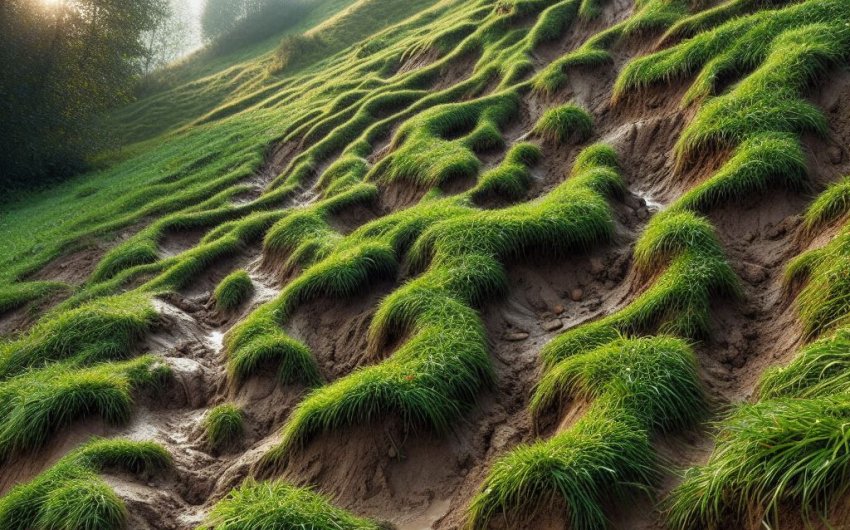
To manage lawn problems caused by soil erosion, the primary strategy is to stabilize the soil surface, slow down water flow, and establish dense vegetation. This often involves a combination of regrading, installing physical barriers, improving soil health, and selecting appropriate erosion-resistant plants to protect your lawn from further degradation.
What is Soil Erosion and How Does It Affect Your Lawn?
Soil erosion is the displacement of the uppermost layer of soil, primarily by the action of wind, water, or gravity. In lawns, water erosion is the most common culprit, especially on slopes or in areas with poor drainage.
How Water Erosion Happens:
- Rainfall Impact: Raindrops striking bare soil dislodge particles.
- Surface Runoff: Water flowing over the surface carries dislodged soil particles away, forming rivulets and eventually gullies.
- Poor Infiltration: Compacted or unhealthy soil prevents water from soaking in, leading to more runoff.
Common Causes of Lawn Erosion:
- Slopes: Areas with a noticeable incline are highly susceptible to runoff.
- Bare Spots: Areas with sparse or no grass cover leave the soil exposed and vulnerable.
- Poor Drainage: Impermeable soil (like heavy clay) or improper grading can cause water to pool and then rush over the surface.
- High Traffic: Compacted soil from foot traffic or vehicles reduces water infiltration and increases runoff.
- Thatch Buildup: A thick thatch layer can prevent water from reaching the soil, forcing it to run off.
- New Construction: Disturbed soil around newly built homes is highly prone to erosion.
Lawn Problems Caused by Erosion:
- Loss of Topsoil: The most fertile layer of soil, rich in nutrients and organic matter, is washed away, leaving behind infertile subsoil.
- Thinning/Bare Spots: Grass struggles to grow or dies off as its root zone is exposed and nutrients are depleted.
- Uneven Surface: Ruts, channels, and exposed roots develop, making the lawn unsightly and difficult to mow.
- Poor Drainage: Erosion often exacerbates existing drainage issues, leading to more puddling.
- Sediment Deposition: Eroded soil can wash onto driveways, sidewalks, or into storm drains, causing blockages and pollution.
- Nutrient Depletion: The loss of topsoil means less available nutrients for your lawn, leading to weak growth.
Recognizing these problems is the first step in effectively managing lawn problems caused by soil erosion.
How Do You Identify Soil Erosion on Your Lawn?
Spotting the signs of erosion early allows you to intervene before the damage becomes severe. Here's how to identify soil erosion in your lawn.
1. Visible Channels and Ruts
- Observation: Look for small, defined pathways or channels where water consistently flows during rain, especially on slopes. These can range from narrow rivulets to deeper ruts.
- Exposed Roots: In severe cases, you might see the roots of your grass or other plants exposed, as the soil around them has been washed away.
2. Thinning or Bare Spots
- Pattern: Eroded areas often show patchy or thin grass, especially on inclines, where the turf struggles to establish or maintain density.
- Comparison: Compare these areas to healthier parts of your lawn.
3. Sediment Accumulation
- Observation: Look for deposits of fine soil particles on hard surfaces like driveways, sidewalks, patios, or in flowerbeds at the bottom of a slope. This is the soil that has been washed away from your lawn.
- Gritty Texture: The remaining soil in eroded areas might feel gritty, indicating the loss of lighter, finer topsoil particles.
4. Exposed Rocks or Roots
- Sign of Loss: If rocks that were previously buried are now visible, or if the root crowns of your grass plants are exposed above the soil line, it indicates significant topsoil loss.
5. Water Runoff and Ponding
- Runoff: During heavy rain, observe if water is rapidly flowing off your lawn rather than soaking in.
- Ponding: Conversely, if water consistently pools in certain areas, it might be due to a dip created by erosion or underlying compaction exacerbating runoff.
6. Soil Compaction
- Test: Use a screwdriver or trowel to probe the soil. If it's very hard and difficult to penetrate, it's likely compacted. Compacted soil has poor infiltration rates, leading to increased runoff and erosion.
By regularly inspecting your lawn for these indicators, you can address lawn problems caused by soil erosion proactively.
What Are the Immediate Steps to Address Lawn Erosion?
When you identify active soil erosion on your lawn, immediate action is crucial to prevent further damage.
1. Divert Water Flow
- Temporary Barriers: For active or anticipated heavy rain, use sandbags, temporary berms (small earthen mounds), or straw waddles (Erosion Control Wattles) to temporarily redirect water away from severely eroding areas.
- Repair Downspouts: Ensure all downspouts are properly extended away from the house foundation and do not discharge directly onto bare soil or a slope. Use Downspout Extenders if needed.
2. Cover Bare Soil
- Mulch: For small, bare spots, apply a layer of organic mulch (like straw, shredded bark, or wood chips) to cover the exposed soil. This protects it from rain impact and slows surface runoff.
- Erosion Control Blankets: For larger slopes or areas that will be seeded, use biodegradable erosion control blankets (Erosion Control Blanket) made from straw or coir. Pin them down securely. These provide immediate protection while new grass establishes.
3. Loosen Compacted Areas
- Manual Aeration: For small compacted spots contributing to runoff, use a manual core aerator (Manual Core Aerator) or a garden fork to poke holes in the soil. This helps water penetrate rather than run off.
- Compost: Lightly rake a thin layer of compost into the loosened soil to improve structure.
4. Plant Quick-Growing Cover Crops or Grass Seed
- Temporary Solution: For areas where grass has been washed away, immediately sow a quick-germinating grass seed (like annual ryegrass, especially if conditions are favorable for its growth) or a fast-growing cover crop. While not a permanent solution, it provides temporary root structure to hold soil.
- Hydroseeding (Large Areas): For very large, severely eroded areas, professional hydroseeding can be an immediate and effective solution, spraying a mixture of seed, mulch, fertilizer, and water.
Taking these swift actions can minimize ongoing damage and prepare your lawn for more permanent solutions to manage lawn problems caused by soil erosion.
What Are Long-Term Solutions for Managing Lawn Erosion?
To permanently manage lawn problems caused by soil erosion, you need to implement long-term solutions that address the root causes of the issue.
1. Improve Soil Health and Drainage
- Aeration: Regularly aerate your lawn (especially in compacted areas) to improve water infiltration and reduce runoff. Core aeration is most effective.
- Compost Topdressing: Apply a thin layer (1/4 to 1/2 inch) of organic compost annually or every other year. Compost improves soil structure, increases water absorption, and encourages healthy root growth.
- Soil Test: Conduct a soil test to identify any nutrient deficiencies or pH imbalances. Amending the soil based on these results will lead to stronger, denser grass that is more resilient to erosion.
2. Re-Establish Dense Vegetation
- Overseeding/Reseeding: After addressing drainage and soil health, overseed thin areas or reseed bare patches with a suitable, erosion-resistant grass blend. Choose grass types with strong, fibrous root systems.
- Hydraulic Mulching/Hydroseeding: For large slopes, this professional method applies a slurry of seed, fertilizer, mulch, and tackifier, creating a protective layer and promoting rapid germination.
- Sodding: For immediate coverage and stabilization, installing sod can be a quick and effective solution, especially on slopes where seed might wash away. A Sod Cutter Rental might be needed for removal of old grass if re-sodding.
3. Strategic Grading and Landscaping
- Minor Regrading: For gentle slopes or depressions, minor regrading can direct water away from vulnerable areas or into rain gardens.
- Swales: Create shallow, vegetated ditches (swales) that gently guide runoff away from eroded areas and allow it to slowly infiltrate the ground.
- Terracing: For steeper slopes, consider terracing with retaining walls to create flat, level areas. This completely breaks up the slope, preventing long runs of water.
- Contour Planting: On slopes, plant grass or other vegetation in rows that follow the contours of the land, rather than straight up and down. This slows water flow.
4. Install Physical Barriers
- Check Dams: In small ruts or channels, install small, temporary barriers made of rocks, logs, or sandbags to slow down water flow and allow sediment to settle.
- Retaining Walls: For significant slopes, a professionally installed retaining wall provides structural stability and creates level planting areas.
- Riprap: For areas with concentrated water flow (like along a ditch), installing riprap (a layer of loose rocks) can dissipate energy and prevent erosion.
By combining these long-term strategies, you can effectively resolve and prevent lawn problems caused by soil erosion, fostering a stable and healthy landscape.
What Are the Best Plants for Erosion Control in Lawns and Landscapes?
Selecting the right plants is a cornerstone of how to manage lawn problems caused by soil erosion. Plants with extensive, fibrous root systems are particularly effective.
1. Grasses (Turfgrass and Ornamental Grasses)
- Deep-Rooting Turfgrasses:
- Tall Fescue: Known for its deep root system and ability to withstand some drought and compaction. Good for slopes.
- Bermuda Grass (in appropriate climates): While invasive elsewhere, if you're in a warm-season zone and it's your desired turf, its aggressive spreading through rhizomes and stolons makes it excellent for erosion control.
- Zoysia Grass: Another warm-season grass that forms a dense, strong sod, very good for stabilization.
- Native Grasses: Research native grass species for your region. Many are naturally adapted to local conditions and have strong root systems.
- Ornamental Grasses:
- Switchgrass (Panicum virgatum): Deep, fibrous roots, adaptable to various conditions.
- Big Bluestem (Andropogon gerardii): Tall, strong roots, good for slopes.
- Little Bluestem (Schizachyrium scoparium): Shorter, excellent for naturalized areas.
2. Groundcovers
- Purpose: Provide dense, low-growing cover that spreads to form a mat of roots, protecting the soil surface.
- Examples:
- Creeping Phlox (Phlox subulata): Attractive flowers, dense growth.
- Creeping Juniper (Juniperus horizontalis): Evergreen, good for slopes.
- Pachysandra (Pachysandra terminalis): Dense evergreen cover for shaded slopes.
- Vinca minor (Periwinkle): Evergreen, fast-spreading for shaded areas.
- Liriope/Monkey Grass (Liriope spicata): Spreading habit, tolerant of various conditions.
3. Shrubs
- Purpose: Provide deeper, woody root systems that anchor soil on slopes, plus above-ground canopy to break rain impact.
- Examples:
- Viburnum species: Many native viburnums offer dense root systems and berries for wildlife.
- Dogwood species (Cornus): Shrubby varieties like Red Osier Dogwood can spread and root along stems.
- Sumac (Rhus species): Fast-growing, colonizing shrubs good for challenging sites.
- Cotoneaster: Dense branching, good for slopes.
4. Trees (Deep-Rooting Varieties)
- Purpose: Provide long-term, deep soil stabilization on very large slopes or along stream banks.
- Examples:
- Oaks (Quercus species): Strong, extensive root systems.
- Maples (Acer species): Many varieties have good fibrous roots.
- Native Pines/Conifers: Offer year-round root stability.
Key Considerations for Erosion Control Plants:
- Native vs. Non-Native: Prioritize native plants as they are best adapted to your local climate and soil, often requiring less maintenance once established.
- Sunlight/Shade: Choose plants appropriate for the light conditions of the eroded area.
- Soil Type: Select plants that thrive in your specific soil (clay, sand, loam).
- Root System: Always look for plants known for their fibrous, spreading, or deep root systems.
By strategically planting a diverse array of these erosion-resistant species, you build a resilient, beautiful, and stable landscape that naturally helps manage lawn problems caused by soil erosion.
How Does Proper Mowing and Watering Prevent Erosion?
Beyond specific erosion control plants and structures, fundamental lawn care practices play a significant role in managing lawn problems caused by soil erosion.
1. Mowing Practices
- Mow at the Highest Recommended Height:
- Why It Helps: Taller grass blades create a denser canopy that breaks the impact of raindrops before they hit the soil. This prevents soil particles from being dislodged and washed away.
- Denser Roots: Taller grass also correlates with a deeper, more extensive root system, which acts like a net to hold soil in place.
- Improved Infiltration: The longer blades help slow down surface water flow, giving it more time to soak into the ground.
- Leave Grass Clippings:
- Why It Helps: When you mow at the correct height and only remove 1/3 of the blade, leave the clippings on the lawn. They quickly decompose, returning organic matter to the soil, improving soil structure, and acting as a mini-mulch layer that protects the soil surface.
- Avoid Scalping: Cutting the grass too short (scalping) weakens the grass, reduces its root system, and exposes the soil, making it highly vulnerable to erosion.
2. Watering Practices
- Water Deeply and Infrequently:
- Why It Helps: This encourages grass roots to grow deeper into the soil, creating a stronger, more resilient root system that can hold soil more effectively. Shallow, frequent watering leads to shallow roots, making the lawn more susceptible to erosion.
- Improved Infiltration: Deep watering ensures the soil is thoroughly moistened, increasing its capacity to absorb subsequent rainfall rather than shedding it as runoff.
- Avoid Overwatering:
- Why It Helps: Constantly saturated soil can lead to waterlogging and compaction (especially in clay soils), which then reduces infiltration and increases surface runoff during heavy rain.
- Water in the Early Morning:
- Why It Helps: Watering in the morning minimizes water loss due to evaporation and allows the water to soak in before the heat of the day. This reduces surface runoff compared to watering during peak heat or evening.
By diligently adhering to these simple yet powerful mowing and watering guidelines, you significantly reduce the conditions that contribute to lawn problems caused by soil erosion, fostering a more stable and healthy lawn.
When Should You Call a Professional for Erosion Problems?
While many strategies for managing lawn problems caused by soil erosion can be tackled by homeowners, some situations warrant professional expertise.
- Severe Slope Erosion: If you have a very steep slope with deep ruts, significant washouts, or unstable soil, a professional grading contractor or landscape architect will have the equipment and knowledge to safely and effectively regrade, terrace, or install robust retaining walls.
- Complex Drainage Issues: If water pools persistently in certain areas, flows into your foundation, or causes flooding, you likely have complex drainage problems that require expert assessment. Professionals can design and install proper drainage systems (e.g., French drains, catch basins, swales).
- Structural Damage: If erosion is threatening the stability of your house foundation, retaining walls, or other structures, immediately consult with a structural engineer or a specialized contractor.
- Large-Scale Projects: For very large areas that require extensive earthmoving, large-scale planting, or complex engineering solutions, professionals have the heavy equipment, experience, and workforce to handle the job efficiently and safely.
- Uncertainty: If you're unsure about the cause or the best solution for your erosion problem, a consultation with a landscape designer, soil engineer, or university extension agent can provide valuable insights and prevent costly mistakes.
- Lack of Time or Equipment: If you simply don't have the time, physical ability, or necessary equipment for significant earthwork or planting, hiring professionals is a practical choice.
Recognizing when to seek professional help ensures that your efforts to manage lawn problems caused by soil erosion are effective and long-lasting.
FAQs About Managing Lawn Problems Caused by Soil Erosion
Here are answers to common questions about managing lawn problems caused by soil erosion.
Can I just add more soil to fill in eroded spots?
You can add soil to fill in small, minor eroded spots, but it's important to use topsoil rich in organic matter and to address the underlying cause of erosion. Simply adding soil without slowing water flow or establishing vegetation will likely lead to the new soil washing away again. For larger or persistent issues, this is only a temporary fix.
What is the best grass seed for eroded slopes?
The best grass seed for eroded slopes depends on your climate zone (cool-season vs. warm-season).
- Cool-Season Climates: Tall fescue is an excellent choice due to its deep and fibrous root system, which helps anchor the soil. A mix containing tall fescue with some perennial ryegrass (for quick germination) is often recommended.
- Warm-Season Climates: Bermuda grass or Zoysia grass are very effective for erosion control due to their aggressive spreading habits (rhizomes and stolons) that form a dense sod. In all cases, look for seed blends designed for "slopes" or "erosion control," and always check for disease resistance.
How do erosion control blankets work?
Erosion control blankets are rolls of biodegradable material (like straw, excelsior, or coir fibers) held together by netting.
- Protection: They provide immediate protection for bare soil from the impact of raindrops and slow down surface runoff, preventing soil particles from being dislodged.
- Moisture Retention: They help retain soil moisture, which aids in seed germination and establishment.
- Anchoring: Their fibrous structure provides a stable environment for new grass roots to establish.
- Decomposition: As they decompose, they add organic matter to the soil. They are typically pinned down securely over freshly seeded areas on slopes. You can find them at garden centers or online: Erosion Control Blanket.
Will aerating my lawn help with erosion?
Yes, aerating your lawn can significantly help with erosion, especially in compacted areas. Compacted soil prevents water from soaking in, leading to increased surface runoff. Core aeration creates channels in the soil, allowing water, air, and nutrients to penetrate deeper. This reduces runoff, improves water infiltration, and promotes a stronger, deeper root system in your grass, which helps hold the soil in place.
Is it better to plant grass or groundcover on a slope?
It depends on the slope, desired appearance, and maintenance level.
- Grass: Good for gentle to moderate slopes where you want a traditional lawn appearance. Requires mowing.
- Groundcover: Often a better choice for steeper slopes where mowing is difficult or unsafe. They create a dense mat of roots and foliage that provides excellent erosion control and often requires less maintenance once established. Many beautiful flowering and evergreen groundcovers are available. Combining both (e.g., grass on a gentler upper slope, groundcover on a steeper lower slope) can also be effective.
How can I prevent erosion around newly constructed homes?
New construction sites are highly vulnerable due to disturbed, bare soil.
- Immediate Action: As soon as grading is complete, plant a fast-growing cover crop, lay sod, or apply hydroseed.
- Silt Fences: Install Silt Fences around the perimeter of disturbed areas to trap sediment runoff.
- Straw Mulch: Spread a layer of straw over seeded areas for immediate protection.
- Erosion Control Blankets: Use these on slopes.
- Proper Grading: Ensure final grading directs water away from the foundation and into proper drainage areas.
Does a thick layer of thatch cause erosion?
While thatch itself doesn't directly cause erosion, a very thick thatch layer (over 1/2 inch) can indirectly contribute to it. A thick thatch layer can become hydrophobic (repel water), preventing water from reaching the soil below. This causes water to run off the surface, just as it would from compacted soil, leading to erosion. Dethatching is important for managing lawn problems caused by soil erosion by ensuring water can penetrate effectively.
Addressing lawn problems caused by soil erosion requires a multi-faceted approach that considers both immediate stabilization and long-term soil health. By implementing these strategies, you can restore your lawn, prevent future damage, and create a resilient and beautiful landscape.