
What Are the Best Grass Types for a Lawn in Desert Climates?
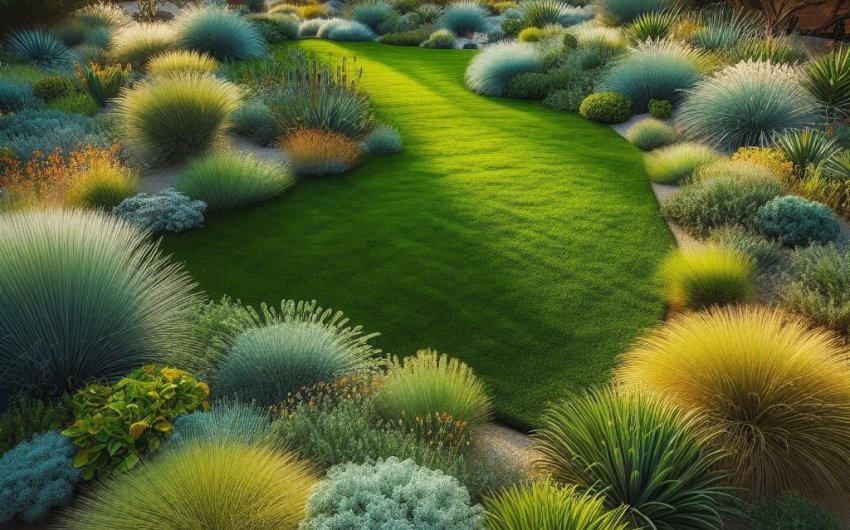
Creating a lush, green lawn in a desert climate might seem like a dream, or even an irresponsible use of water. But with the right choices and smart lawn care, it's absolutely possible to have a beautiful turfgrass area that fits your lifestyle. The key to success lies in selecting the best grass types for a desert climate, which means choosing varieties that are incredibly drought-tolerant, can handle extreme heat, and still provide that desired green carpet. Forget about traditional cool-season grasses; in the desert, it's all about warm-season grasses and water-wise practices.
Why Is Choosing the Right Grass So Important in Desert Climates?
The unique challenges of a desert climate make grass selection a critical decision for your lawn's survival and your water bill.
Extreme Heat and Sun Exposure
Desert climates are defined by intense, prolonged heat and relentless sun. Most traditional grasses simply can't handle these conditions without excessive watering. The best desert grasses are those that can photosynthesize efficiently in high temperatures and resist scorching.
Water Scarcity and Drought Tolerance
Water is a precious resource in the desert. Cities often have strict water restrictions, making it essential to choose drought-tolerant grass types. These grasses are designed to survive on minimal water, go dormant (turn brown) during dry spells and bounce back, or have deep root systems to access water more efficiently.
Poor Soil Conditions
Desert soils are often sandy, rocky, or heavily alkaline, lacking the rich organic matter found in other regions. The chosen grass type needs to be adaptable to these challenging soil conditions or you'll need to invest heavily in soil amendments.
What Are the Main Types of Grasses for Desert Lawns?
In desert climates, the focus is almost exclusively on warm-season grasses. These grasses thrive in hot temperatures and go dormant (turn brown) when temperatures consistently drop below 50-60°F (10-15°C).
Warm-Season Grasses: The Desert Champions
Warm-season grasses are adapted to hot summers and mild winters. They are typically planted in late spring or early summer and grow vigorously throughout the hot months.
- Bermuda Grass: Extremely drought-tolerant and heat-loving.
- Zoysia Grass: Moderate drought-tolerance but forms a dense, durable turf.
- St. Augustine Grass: Good heat tolerance, but needs more water than Bermuda grass.
- Buffalo Grass: A native, extremely drought-tolerant option for a more natural look.
- Kikuyu Grass: Fast-growing and tough, but can be invasive.
Best Warm-Season Grasses for Desert Climates: Detailed Look
Let's dive into the characteristics of the top contenders for a desert lawn, focusing on their strengths and specific needs.
1. Bermuda Grass (Cynodon dactylon)
Often considered the king of desert lawns, Bermuda grass is a top choice for its exceptional drought tolerance, heat resistance, and durability.
- Drought Tolerance: Excellent. It can go dormant and turn brown during prolonged droughts but will green up quickly when water returns.
- Heat Tolerance: Very high. Thrives in intense summer heat.
- Foot Traffic Tolerance: Very good. It recovers quickly from wear and tear due to its aggressive growth habit (rhizomes and stolons).
- Appearance: Fine to medium texture, forms a dense, green carpet when well-maintained. Many improved hybrid varieties offer superior color and density.
- Maintenance:
- Watering: Needs moderate watering to stay green, but survives on much less. Deep and infrequent watering is best to encourage deep roots.
- Mowing: Needs frequent mowing (2-3 times a week during peak growth) at a lower height (0.5-1.5 inches) for best appearance. A reel mower (like a Great States 815-18 Reel Mower) is often preferred for a clean cut.
- Fertilizing: Requires regular fertilization during its growing season to maintain density and color.
- Overseeding: Often overseeded with ryegrass in winter for year-round green.
- Considerations: Can be invasive if not contained. Becomes completely dormant (brown) in winter if not overseeded or in areas with frosts.
- Ideal For: Active family lawns, golf courses, sports fields. You can find Bermuda Grass Seed or sod.
2. Zoysia Grass (Zoysia spp.)
Zoysia grass is known for forming a very dense, carpet-like lawn that feels soft underfoot. It’s a good option for those seeking a lush look with moderate drought tolerance.
- Drought Tolerance: Good. It will go dormant during severe droughts but is quite resilient.
- Heat Tolerance: Very high. Performs well in hot summers.
- Foot Traffic Tolerance: Excellent. Its dense growth makes it incredibly durable and able to recover from heavy use.
- Appearance: Fine to medium texture, forms a very thick, green turf. Slower to establish than Bermuda grass.
- Maintenance:
- Watering: Requires moderate watering, less than St. Augustine but more than dryland Bermuda.
- Mowing: Mow less frequently than Bermuda grass (once a week) at a slightly higher height (1-2 inches). Its tough blades can be challenging for some mowers; ensure a sharp blade.
- Fertilizing: Needs less fertilizer than Bermuda grass.
- Winter: Turns dormant (brown) in winter.
- Considerations: Slower to establish from seed or sod. Its dense growth can lead to thatch buildup, requiring occasional dethatching.
- Ideal For: Play areas, pathways, high-traffic home lawns where density and durability are key. Look for Zoysia Grass Seed or plugs.
3. St. Augustine Grass (Stenotaphrum secundatum)
While not as drought-tolerant as Bermuda or Zoysia, St. Augustine grass is a popular choice in warmer desert regions (like parts of Arizona or Southern California) that have access to more consistent water or don't experience extreme water restrictions. It thrives in humid heat and is known for its distinctive broad, flat blades.
- Drought Tolerance: Moderate. Needs more water than other desert grasses to stay green, but can tolerate some short dry spells.
- Heat Tolerance: High. Loves hot, humid conditions.
- Foot Traffic Tolerance: Good. Recovers well from moderate use.
- Appearance: Coarse texture, dense, dark green lawn.
- Maintenance:
- Watering: Requires more consistent watering than Bermuda or Zoysia.
- Mowing: Mow at a higher setting (2-4 inches) to maintain density and health.
- Fertilizing: Needs regular fertilization during its active growing season.
- Shade: More shade-tolerant than other warm-season grasses, making it suitable for areas with some tree cover.
- Considerations: Not suitable for very cold desert nights as it is sensitive to frost. Can develop thatch and is susceptible to some diseases. Best established from sod or plugs.
- Ideal For: Lawns where a broader blade is desired and consistent water is available. Look for St. Augustine Grass Plugs.
4. Buffalo Grass (Bouteloua dactyloides)
If extreme drought tolerance and minimal maintenance are your top priorities, and you're willing to embrace a more natural, informal lawn appearance, Buffalo grass is an excellent native option.
- Drought Tolerance: Extremely high. It's one of the most drought-tolerant turfgrasses available, requiring very little supplemental water once established.
- Heat Tolerance: Very high.
- Foot Traffic Tolerance: Moderate. Not ideal for high-traffic areas, as it recovers slowly.
- Appearance: Fine-textured, blue-green, forms a thinner turf than other grasses. Can have a slightly "wilder" look.
- Maintenance:
- Watering: Needs very little water once established.
- Mowing: Can be left unmown for a natural prairie look, or mowed just a few times a year for a tidier appearance (at 2-4 inches).
- Fertilizing: Needs very little or no fertilization.
- Considerations: Does not tolerate shade. Slower to establish. Less dense than other turfgrasses, so weeds can be an issue if not actively managed. Can be brown for a longer period in winter.
- Ideal For: Low-maintenance areas, large open spaces, highly drought-restricted zones. Find Buffalo Grass Seed.
How Do I Establish a New Lawn in a Desert Climate?
Establishing a new lawn in a desert climate requires careful preparation and specific techniques to ensure success.
Soil Preparation: The Foundation
Desert soils are often poor. Proper soil preparation is essential.
- Soil Test: Start with a soil test to understand your soil's pH and nutrient levels. Desert soils often have high alkalinity (high pH).
- Amend with Organic Matter: Amend the soil generously with compost or other organic matter. This improves soil structure, helps with drainage, increases water retention, and adds nutrients. Aim for a 4-6 inch layer tilled into the top 6-8 inches of soil. You can find Black Gold Composted Manure.
- Leveling: Level the area to ensure uniform water distribution and prevent puddling.
Seeding, Sodding, or Sprigging?
- Seeding: The most cost-effective method. Best for Bermuda grass or Buffalo grass. Plant in late spring/early summer when soil temperatures are consistently warm. Requires consistent watering (lightly, frequently) until germination and establishment.
- Sodding: Provides an instant lawn. Best for Zoysia grass or St. Augustine grass, which are slow from seed. More expensive but reduces establishment time and immediate weed pressure. Lay sod in late spring/early summer. Requires immediate and frequent watering until roots establish.
- Sprigging/Plugging: Planting small pieces of grass (sprigs) or small plugs. More affordable than sod, faster than seeding for some varieties. Requires consistent watering.
Initial Watering for Establishment
Regardless of the method, constant moisture is critical during the establishment phase.
- Seeding: Keep the seedbed constantly moist (not soggy) until germination, often requiring multiple light waterings per day.
- Sodding/Sprigging/Plugging: Water deeply and frequently for the first 2-4 weeks to encourage root growth. Gradually reduce frequency as the lawn establishes.
What Are the Key Lawn Care Practices for Desert Grasses?
Once established, your desert lawn will need specific lawn care to thrive and conserve water.
Watering: Deep and Infrequent is Key
- Encourage Deep Roots: The most effective watering strategy for drought-tolerant grasses is to water deeply and infrequently. This means applying enough water to wet the soil to a depth of 6-8 inches, then waiting until the grass shows signs of needing water again (e.g., foot traffic leaves footprints, blades curl).
- Early Morning Watering: Always water in the early morning to minimize evaporation and allow grass blades to dry before night, reducing fungal disease risk.
- Smart Irrigation: Consider a smart irrigation system (like a Rachio 3 Smart Sprinkler Controller) that adjusts watering based on local weather and soil conditions, saving water.
- Rain Sensors: Ensure your irrigation system has a rain sensor to prevent watering during and immediately after rain.
- Tune Up Your System: Regularly check your sprinklers for proper coverage and leaks. A sprinkler repair kit (like a Rain Bird Sprinkler Repair Kit) can help keep your system efficient.
Mowing: The Right Height and Frequency
- Match to Grass Type: Each grass type has an ideal mowing height. Cutting too short stresses the grass, especially in the heat. Generally, warm-season grasses are mowed lower than cool-season grasses.
- Sharp Blades: Always use a lawn mower with sharp blades. Dull blades tear the grass, making it susceptible to disease and browning. Sharpen your blades regularly with a lawn mower blade sharpener.
- Never Remove More Than One-Third: Only remove one-third of the blade height at each mowing. This prevents shocking the grass.
Fertilization: Timing and Type
- During Active Growth: Fertilize warm-season grasses during their active growing season (late spring through early fall). Avoid fertilizing in winter when they are dormant.
- Balanced Fertilizer: Use a balanced fertilizer or one with a higher nitrogen content to promote green growth, but follow package directions carefully. Consider slow-release fertilizers to provide nutrients over time. Milorganite Slow-Release Nitrogen Fertilizer is a popular choice.
- Soil Test: Regular soil tests will guide your fertilization strategy, preventing over-application.
Weed Control in Desert Lawns
Weeds compete with your grass for precious water and nutrients.
- Pre-Emergent Herbicides: Apply pre-emergent herbicides in late winter/early spring to prevent weed seeds from germinating. This is crucial in desert climates where weed pressure can be high.
- Post-Emergent Herbicides: Use post-emergent herbicides for existing weeds, targeting specific weed types.
- Hand-Pulling: For scattered weeds, hand-pulling is always an effective, chemical-free method.
- Healthy Turf: A dense, healthy lawn is the best defense against weeds, as it crowds them out.
What About Overseeding for Winter Green?
Many homeowners in desert climates choose to overseed their warm-season lawns with cool-season grasses for a green lawn throughout the winter months.
Why Overseed?
- Year-Round Green: As warm-season grasses go dormant and turn brown in cooler winter temperatures, overseeding with a cool-season grass like ryegrass provides a green lawn when your primary turf is resting.
- Erosion Control: The temporary grass helps prevent soil erosion during winter rains.
How to Overseed
- Timing: The best time to overseed is in early to mid-fall, as soon as night temperatures consistently drop.
- Preparation: Mow your warm-season grass shorter than usual, and lightly dethatch or verticut to create good seed-to-soil contact.
- Seed Application: Spread annual ryegrass seed or a blend of perennial ryegrass and fine fescue evenly over the existing lawn. You can use a broadcast spreader for even distribution.
- Watering: Water frequently (1-3 times a day, lightly) until the ryegrass germinates and establishes. Gradually reduce watering as it grows.
- Transition: As spring approaches and temperatures rise, the ryegrass will start to die back, and your warm-season grass will begin to green up, creating a natural transition.
What Are Some Alternatives to a Traditional Turf Lawn in the Desert?
While turfgrass is achievable, many desert homeowners are opting for more water-wise and natural landscaping known as xeriscaping.
Xeriscaping: The Water-Wise Alternative
Xeriscaping involves designing landscapes that require little or no irrigation. It's an excellent option for areas where water conservation is paramount.
- Native Plants: Use native desert plants that are naturally adapted to the climate and soil, requiring minimal water.
- Drought-Tolerant Plants: Incorporate other drought-tolerant shrubs, cacti, succulents, and perennials that thrive with low water.
- Hardscaping: Utilize decorative gravel, rocks, pavers, and patios to create functional and attractive spaces without requiring water.
- Mulch: Apply thick layers of mulch (gravel, bark, or shredded wood) to retain soil moisture around plants and suppress weeds.
Synthetic Turf
For a maintenance-free, always-green look, synthetic turf is a popular choice in desert climates.
- Pros: No watering, no mowing, no fertilizing, always green.
- Cons: Can get very hot in direct sun, initial cost is high, not environmentally friendly in terms of production and disposal, lacks the natural ecosystem benefits of live plants.
How to Deal with Desert Soil Challenges?
Desert soils present unique challenges that must be addressed for any plant, including grass, to thrive.
High Alkalinity (High pH)
Many desert soils are alkaline, meaning they have a high pH. This can make it difficult for plants to absorb essential nutrients like iron.
- Soil Test: A soil test is essential to determine your pH.
- Lowering pH: If needed, you can gradually lower soil pH by incorporating elemental sulfur or ample amounts of organic matter (like compost) over time.
- Iron Supplements: If your grass shows signs of iron deficiency (yellowing between veins, especially on new growth), apply chelated iron supplements, which are easier for plants to absorb in alkaline soils.
Poor Nutrient Content
Desert soils often lack the rich organic matter and microbial activity found in more fertile soils.
- Organic Matter: Regular additions of compost, aged manure, or other organic amendments are the best way to improve fertility and overall soil health.
- Slow-Release Fertilizers: Choose slow-release fertilizers that feed the grass over time, as nutrients can leach away quickly in sandy soils.
Soil Compaction
Heavy equipment or foot traffic can lead to soil compaction, especially in soils with low organic matter.
- Aeration: Regular aeration helps alleviate soil compaction, allowing water, air, and nutrients to penetrate deeper into the root zone. This is especially important for warm-season grasses that can get very dense. You can rent an aerator or use aeration tools like Yard Butler Core Aerator.
Is Overseeding Necessary Every Year in Desert Climates?
The decision to overseed with ryegrass is a personal preference based on desired aesthetics and water availability.
Advantages of Overseeding Annually
- Continuous Green: Provides a lush, green lawn throughout the winter, which many homeowners prefer visually.
- Erosion Control: Helps stabilize soil against winter winds and occasional heavy rains.
- Weed Suppression: The dense ryegrass can help suppress winter weeds.
Disadvantages of Overseeding Annually
- Water Usage: Requires significant water for establishment and continued growth throughout the winter, which can be a concern in drought-prone areas.
- Cost: Involves the annual cost of seed and extra fertilizer.
- Transition Period: There can be a challenging transition period in spring as the ryegrass dies off and the warm-season grass greens up.
- Stress on Warm-Season Grass: The presence of the ryegrass can slightly stress the dormant warm-season grass by competing for light, water, and nutrients, potentially delaying its spring green-up.
Skipping Overseeding
If you prioritize water conservation and low maintenance, allowing your warm-season grass to go fully dormant and brown in winter is a perfectly valid and environmentally responsible choice. The grass will naturally green up again in spring when temperatures rise.