
How to Create and Maintain a Lawn for Backyard Sports and Activities?
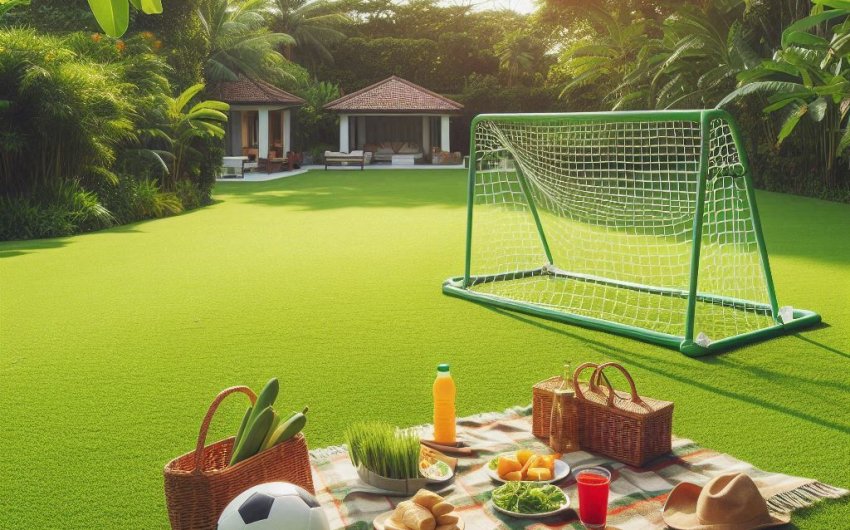
To create and maintain a lawn for backyard sports and activities, you need to prioritize grass varieties tolerant of heavy traffic, ensure excellent soil preparation and drainage, and commit to a consistent regimen of mowing, watering, fertilizing, and aeration. A robust turf can withstand the demands of play and remain visually appealing.
Why is a Specialized Lawn Important for Backyard Sports?
A standard ornamental lawn might look nice, but it often isn't durable enough to handle the wear and tear of active play. A lawn designed for backyard sports and activities needs specific characteristics to stay healthy, green, and safe for everyone using it.
What are the Benefits of a Sports-Ready Lawn?
- Durability and Resilience: A properly chosen and maintained lawn can withstand heavy foot traffic, running, jumping, and the impact of sports equipment without quickly showing bare spots or compaction.
- Safety: A dense, even lawn reduces the risk of trips, falls, and injuries that can occur on uneven or patchy surfaces. It provides better traction and a softer landing.
- Aesthetics: Even with heavy use, a robust sports lawn can maintain a lush, green appearance, enhancing the overall beauty of your backyard.
- Comfort: A well-cared-for turf is comfortable for bare feet, picnics, and general lounging after a game.
- Reduced Maintenance Long-Term: While initial setup and ongoing care are essential, a healthy, vigorous lawn is more resistant to weeds, pests, and diseases, potentially reducing the need for costly interventions later on.
- Enhanced Play Experience: A high-quality playing surface makes backyard sports like soccer, football, bocce ball, or croquet more enjoyable and fair for all participants.
- Increased Property Value: A beautiful and functional backyard space, including a resilient lawn, can add significant appeal and value to your home.
How Do You Choose the Right Grass Type?
Selecting the correct grass seed is the most fundamental step in creating a durable lawn for backyard sports and activities. Not all grasses are equally suited for heavy traffic.
Warm-Season vs. Cool-Season Grasses
The best grass type depends largely on your climate zone. Grasses are broadly categorized into warm-season and cool-season varieties.
| Feature | Warm-Season Grasses (e.g., Bermuda, Zoysia, St. Augustine) | Cool-Season Grasses (e.g., Kentucky Bluegrass, Tall Fescue, Perennial Ryegrass) |
|---|---|---|
| Ideal Climate | Hot summers, mild winters (Southern US, Transition Zone) | Cool springs/falls, cold winters, moderate summers (Northern US, Transition Zone) |
| Growth Period | Grow most actively in warm months (75-95°F / 24-35°C) | Grow most actively in cool months (60-75°F / 15-24°C) |
| Dormancy | Go dormant (turn brown) in winter | May go dormant in hot, dry summers |
| Drought Tol. | Generally good | Variable, some good (Tall Fescue) |
| Traffic Tol. | Excellent (Bermuda, Zoysia) | Good to Excellent (Kentucky Bluegrass, Perennial Ryegrass, Tall Fescue) |
| Recovery | Excellent self-repairing capabilities | Good recovery, especially Kentucky Bluegrass |
Top Grass Choices for High Traffic
- Warm-Season Grasses:
- Bermuda Grass:
- Pros: Outstanding traffic tolerance, quick recovery from damage, excellent heat and drought tolerance. Forms a very dense turf.
- Cons: Goes dormant (brown) in winter, aggressive spreader (can invade garden beds), needs full sun.
- Best for: Southern and Transition Zone lawns with heavy sports use. You can find Bermuda grass seed for large areas.
- Zoysia Grass:
- Pros: Very high traffic tolerance, dense growth, excellent drought tolerance once established. Slower growing, so less frequent mowing than Bermuda.
- Cons: Slower to establish, can also go dormant in winter (though later than Bermuda), prefers full sun.
- Best for: Southern and Transition Zone lawns where durability and lower mowing frequency are desired.
- Bermuda Grass:
- Cool-Season Grasses:
- Kentucky Bluegrass (KBG):
- Pros: Excellent traffic recovery due to strong rhizomes (underground stems that spread), dense, beautiful dark green color.
- Cons: Slower to germinate and establish from seed, needs more water in summer, prone to thatch.
- Best for: Northern and Transition Zone lawns where rapid repair of divots and high-quality appearance are important. Look for Kentucky bluegrass seed for durability.
- Tall Fescue:
- Pros: Good traffic tolerance, excellent heat and drought tolerance for a cool-season grass, deep roots. Forms a coarse-textured but durable turf.
- Cons: Does not self-repair as well as KBG, tends to grow in clumps if not seeded densely.
- Best for: Northern and Transition Zone lawns where some drought tolerance is needed, and good traffic resistance.
- Perennial Ryegrass:
- Pros: Very fast germination and establishment, good traffic tolerance, good for overseeding.
- Cons: Less drought tolerant, less cold hardy than KBG, often used in mixes for quick cover rather than as a standalone.
- Best for: Quick cover for new lawns, overseeding, or mixed with KBG for quick establishment and durability.
- Kentucky Bluegrass (KBG):
Blends and Mixes: The Best of Both Worlds
Often, the best solution for a multi-purpose sports lawn is a grass seed blend (multiple cultivars of the same species) or a mix (different grass species).
- Benefits of Blends/Mixes: Provides a lawn with a broader range of strengths, combining, for example, the quick establishment of ryegrass with the self-repairing capabilities of Kentucky bluegrass. This makes the lawn more adaptable to varying conditions and more resilient to stress.
- Look for: "Sports Mix" or "Traffic Tolerant" blends. A common cool-season mix is 70% Tall Fescue, 20% Kentucky Bluegrass, and 10% Perennial Ryegrass.
How Do You Prepare the Soil for a Sports Lawn?
Proper soil preparation is the foundational step for any healthy lawn, but it's especially critical for a lawn for backyard sports. A well-prepared soil provides the ideal environment for deep root growth and excellent drainage, both essential for durability.
Steps for Comprehensive Soil Preparation
- Clear the Area: Remove all existing vegetation, rocks, debris, and old turf. You can do this manually, by using a sod cutter (rentable), or through a non-chemical method like solarization (covering the area with clear plastic for 6-8 weeks in hot weather).
- Rough Grading: Level the area as much as possible, ensuring a slight slope (1-2%) away from your house or any structures to promote good drainage. Fill any low spots.
- Soil Testing: This is a crucial step. A soil test tells you your soil's pH level and nutrient composition. You can get a soil testing kit or send a sample to your local cooperative extension office.
- Adjust Soil pH:
- Most lawn grasses prefer a slightly acidic to neutral pH (6.0-7.0).
- If your soil is too acidic (pH below 6.0), add agricultural lime to raise the pH.
- If your soil is too alkaline (pH above 7.0), add elemental sulfur or peat moss to lower the pH.
- Follow soil test recommendations for application rates.
- Improve Soil Structure and Drainage: This is where you address the compaction and drainage issues common in heavily used areas.
- Add Organic Matter: Incorporate a 4-6 inch layer of compost, well-rotted aged manure, or other organic matter into the top 6-8 inches of soil. This improves drainage in clay soils and water retention in sandy soils, while providing nutrients. Use a rototiller for larger areas.
- Deep Tilling/Digging: Till or dig the soil to a depth of at least 6-8 inches, thoroughly mixing in the amendments. This breaks up compacted layers and creates a loose, inviting environment for grass roots.
- Address Hardpan: If you have a severe hardpan layer (a very dense, impenetrable layer beneath the topsoil), consider deep ripping or adding drainage tiles.
- Final Grading: Once amendments are incorporated, meticulously level the area with a rake, removing any remaining clumps, rocks, or debris. Aim for a smooth, even surface. This prevents puddles and ensures an even mowing height later.
- Compaction (Light Rolling): After final grading, lightly roll the area with a lawn roller (partially filled with water) to gently firm the soil. This eliminates air pockets and creates a stable base for seeding or sodding, but avoid over-compacting.
How Do You Plant a Durable Sports Lawn?
Once your soil is perfectly prepared, it's time to establish your lawn. You have two main options: seeding or laying sod. Both have their advantages and disadvantages for creating a lawn for backyard sports.
Seeding vs. Sodding
| Feature | Seeding | Sodding |
|---|---|---|
| Cost | Less expensive | More expensive |
| Time to Use | 4-12 weeks for light use, 6-12 months for heavy use | Immediately looks established, 2-4 weeks for light use, 6-8 weeks for heavy use |
| Flexibility | More grass type choices, can blend custom mixes | Limited to what's available from suppliers, less blending |
| Effort | Initial less intensive, but more long-term watering/care | More intensive initial labor, less long-term care |
| Best For | Larger areas, budget-conscious, patient gardeners | Instant lawn, erosion control, sloped areas |
Seeding Your Sports Lawn
- Timing:
- Cool-Season Grasses: Late summer to early fall (45 days before first frost) is ideal. Spring is a secondary option.
- Warm-Season Grasses: Late spring to early summer, when soil temperatures are consistently warm.
- Spreading Seed: Use a seed spreader to ensure even distribution. Apply half the seed in one direction and the other half perpendicular to the first to avoid skips. Follow package instructions for application rates for a thick turf.
- Lightly Cover: Rake the seeded area lightly to just barely cover the seeds with about 1/8 inch of soil. Don't bury them too deep. You can also lightly roll the area again after seeding.
- Mulch (Optional but Recommended): Apply a very thin layer of straw (weed-free!) over the seeded area. This helps retain moisture, prevents erosion, and protects seeds from birds. Do not use hay, which contains weed seeds.
- Watering: This is the most crucial step for successful germination. Keep the seedbed consistently moist until seeds germinate and seedlings are established.
- Lightly water 2-3 times a day for short periods. Don't let the surface dry out.
- Once seedlings are 1-2 inches tall, gradually reduce frequency and increase duration to encourage deeper root growth.
- First Mowing: Wait until seedlings are at least 3-4 inches tall before the first mowing. Use a sharp blade and only remove the top third of the grass height.
Laying Sod for Immediate Results
- Timing: Can be laid almost any time of year when the ground isn't frozen, but spring and early fall are generally best for establishment. Avoid extreme heat.
- Preparation: Have your sod delivered only when you are ready to lay it. Sod should be laid within 24 hours of delivery.
- Laying: Start along a straight edge. Lay sod pieces tightly together, staggering the seams like bricks. Press down firmly to ensure good contact with the prepared soil.
- Rolling (Optional): Lightly roll the freshly laid sod to ensure good root-to-soil contact.
- Watering: Water immediately and thoroughly after laying. The goal is to saturate the sod and the top 4-6 inches of soil beneath it. Keep sod consistently moist until it has rooted into the soil (you can gently lift a corner to check). This usually takes 2-4 weeks.
- First Mowing: Wait until the sod is firmly rooted, usually about 2 weeks. Use a sharp blade and avoid turning sharply to prevent tearing.
How Do You Maintain a High-Traffic Sports Lawn?
Maintaining a lawn for backyard sports and activities requires a more rigorous regimen than a purely ornamental lawn. Consistent care will ensure its durability, health, and appearance.
Essential Lawn Maintenance Practices
- Mowing:
- Frequency: Mow more frequently than a regular lawn, often 2-3 times per week during peak growing season. This encourages denser growth.
- Height: Maintain a slightly higher cutting height (e.g., 2.5-3.5 inches for most grasses) to promote deeper roots and better resilience. Never remove more than one-third of the grass blade at a time.
- Sharp Blade: Always use a sharp mower blade to get a clean cut and prevent tearing, which stresses the grass and makes it susceptible to disease.
- Mulch Clipping: Leave grass clippings on the lawn (if not excessive). They return valuable nutrients to the soil.
- Watering:
- Deep and Infrequent: Encourage deep root growth by watering deeply and less frequently. Aim for 1 inch of water per week, either from rain or irrigation.
- Timing: Water early in the morning (before 10 AM) to minimize evaporation and allow foliage to dry before nightfall, reducing disease risk.
- Observe Your Lawn: Water when the grass shows signs of stress (footprints remain, blades turn dull green or bluish-gray).
- A lawn sprinkler system can make watering easier and more efficient.
- Fertilizing:
- Regular Feeding: Sports lawns consume more nutrients due to heavy use. Follow a regular fertilization schedule tailored to your grass type and soil test results.
- Cool-Season Grasses: Fertilize in early spring, late spring, early fall, and late fall (dormant feeding).
- Warm-Season Grasses: Fertilize in late spring/early summer and mid-summer.
- Type of Fertilizer: Use a balanced granular lawn fertilizer. Slow-release formulations are often best. A lawn fertilizer spreader ensures even application.
- Aeration:
- Why Aerate? Heavy traffic compacts soil, restricting air, water, and nutrient movement to grass roots. Aeration punches holes in the soil, relieving compaction.
- Frequency: Aerate at least once a year, and possibly twice for very high-traffic areas.
- Timing:
- Cool-Season Grasses: Early fall or mid-spring.
- Warm-Season Grasses: Late spring to early summer.
- Equipment: Rent a core aerator for best results.
- Overseeding:
- Why Overseed? Helps fill in thin spots, increases density, and introduces new, resilient grass varieties.
- Frequency: Annually, especially for cool-season grasses (which don't self-repair as much as some warm-season types).
- Timing: After aeration, during the optimal planting time for your grass type.
- Process: Spread grass seed over the existing lawn, preferably after aeration, which provides good seed-to-soil contact. Lightly rake in or top-dress with a thin layer of compost, then water consistently until established.
- Weed Control:
- Healthy Lawn is Best Defense: A dense, healthy lawn is the best weed deterrent.
- Manual Removal: Hand-pull weeds before they go to seed.
- Pre-Emergent: Consider a pre-emergent herbicide in early spring (for crabgrass) or fall (for broadleaf weeds) if weeds are a persistent problem. Follow product instructions carefully.
- Spot Treatment: Use spot treatments for persistent broadleaf weeds.
How Do You Repair Damaged Areas on a Sports Lawn?
Despite the best prevention and maintenance, a lawn for backyard sports and activities will inevitably experience some damage. Quick and effective repair is essential to keep the turf playable and attractive.
Common Damage and Repair Strategies
- Bare Spots/Thinning:
- Cause: Heavy traffic, divots, disease, or pests.
- Repair:
- Loosen the soil in the affected area with a rake.
- Mix in some compost or fresh topsoil.
- Spread new grass seed (same type as existing lawn or a compatible blend).
- Lightly cover with soil or straw mulch.
- Water regularly and gently until the new grass is established.
- For larger bare spots, consider a small patch of sod for quicker results.
- Compacted Areas (Even with Aeration):
- Cause: Concentrated heavy foot traffic (e.g., goal mouths, pivot points).
- Repair: Beyond annual aeration, use a manual aerator tool for spot treating heavily compacted areas. Loosen soil, then overseed.
- Divots:
- Cause: Sharp stops, pivots, or impacts during sports play.
- Repair (immediate): If the divot still has a piece of turf attached, simply push it back into place and stomp on it to re-establish root contact. Water well.
- Repair (missing turf): Fill the divot with a soil-compost mix, then either seed or lay a small piece of sod.
- Drainage Issues Leading to Puddles:
- Cause: Improper grading, highly compacted soil, or underlying drainage problems.
- Repair:
- For minor puddles, intense aeration in the area might help.
- For more significant issues, you may need to re-grade the area or install a French drain to carry water away. This is a larger project.
- Pest or Disease Damage:
- Cause: Grubs, chinch bugs, fungal diseases (e.g., brown patch, dollar spot).
- Repair:
- Identify the specific pest or disease. (Look for lawn disease identification guides).
- Apply appropriate organic or chemical controls (e.g., grub control, fungicide) if necessary.
- Repair the damaged grass as described above once the underlying problem is addressed.
Tips for Quick Recovery
- Act Fast: Address damage as soon as you notice it. Small problems are easier to fix than large ones.
- Restrict Traffic: If possible, temporarily restrict traffic on newly repaired areas to allow the grass to establish. Use temporary fencing or cones.
- Watering is Key: New seed or sod requires consistent moisture to establish successfully. Don't let it dry out.
- Nutrient Boost: A light application of a high-phosphorus "starter" fertilizer can help new seeds or sod develop strong roots.
What Are Additional Tips for a Premier Sports Lawn?
Beyond the core maintenance practices, a few extra considerations can elevate your lawn for backyard sports and activities to a truly premier playing surface.
Advanced Care and Considerations
- Topdressing:
- What it is: Applying a thin layer (0.25 to 0.5 inches) of high-quality compost or sand-compost mix over the entire lawn.
- Benefits: Improves soil structure, fills in minor depressions, smooths the surface (important for sports), provides slow-release nutrients, and can reduce thatch.
- Timing: After aeration and/or overseeding.
- Verticutting/Dethatching:
- What it is: Using a special machine to remove excess thatch (a layer of dead organic matter between grass blades and soil).
- Why: Too much thatch can prevent water and nutrients from reaching roots, harbor pests, and make the lawn less resilient.
- Frequency: Only when thatch exceeds 0.5 inches, often every 1-3 years depending on grass type and maintenance.
- Timing: During active growth periods for your grass type, typically after aeration.
- Growth Regulators (Professional Use):
- For extremely high-performance lawns (like professional sports fields), growth regulators can be used by professionals to promote lateral growth and increase density without excessive vertical growth, reducing mowing frequency and improving resilience. Not typically for residential use.
- Perimeter and Edging:
- Define the edges of your sports lawn clearly. This not only looks neat but also helps prevent turf from invading garden beds and provides a clear boundary for play. Use a lawn edger.
- Temporary Markings:
- For specific sports, invest in temporary line markers or non-toxic athletic field paint. This allows you to set up courts or fields quickly without damaging the grass.
- Goal Post Care:
- If you have permanent goal posts or equipment, ensure they don't create excessively shaded or compacted areas. Move them occasionally if possible, or give the grass underneath extra care.
- Drainage Solutions:
- For very wet or problematic areas, consider professional drainage solutions like French drains or grading. A consistently wet lawn is prone to disease and compaction.
- Integrated Pest Management (IPM):
- Focus on preventative measures and biological controls first. Only use targeted chemical treatments when absolutely necessary, to minimize harm to beneficial organisms.
Creating and maintaining a robust lawn for backyard sports and activities is an investment in time and effort, but the payoff is a beautiful, resilient, and safe space for endless outdoor fun. By choosing the right grass, preparing the soil meticulously, and committing to a consistent care regimen, your backyard can become the envy of the neighborhood and the favorite playground for family and friends.