
What Causes Poor Fruit Set in Peppers and How Can I Improve It?
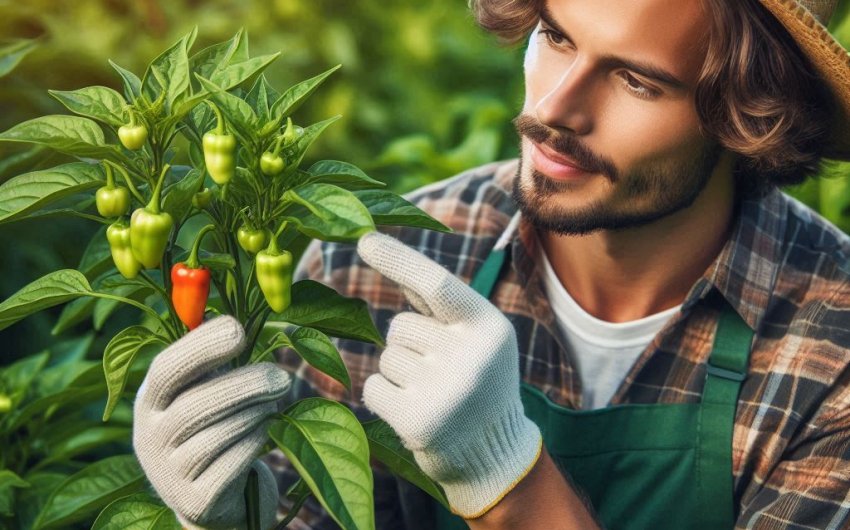
There’s nothing quite as satisfying as watching your pepper plants grow, producing vibrant green leaves and then delicate flowers. But then, the disappointment sets in: those flowers just drop off, and no peppers appear. This common problem, known as poor fruit set, can be frustrating for any gardener. Don't worry! Understanding the reasons behind it is the first step to enjoying a bountiful harvest of your favorite sweet or spicy peppers.
What Environmental Factors Affect Pepper Fruit Set?
Peppers are sensitive plants when it comes to their surroundings. Many times, poor fruit set comes down to environmental conditions that aren't quite right for them.
How Do Temperature Extremes Impact Pepper Flowers?
Temperature is one of the most critical factors for pepper fruit set. Pepper plants are a bit finicky and prefer a specific temperature range for their flowers to properly form fruit.
- Optimal Temperature Range: For most pepper varieties, the ideal daytime temperature for pollination and fruit set is between 70°F and 85°F (21°C and 29°C). Nighttime temperatures should ideally stay above 60°F (15°C) but below 75°F (24°C).
- Too Hot (High Temperatures):
- Pollen Sterility: When daytime temperatures consistently climb above 90°F (32°C), especially combined with high humidity, the pollen can become sterile. This means the pollen grains can't do their job of fertilizing the flower, so no fruit forms.
- Flower Drop: Pepper plants will often respond to excessive heat stress by dropping their flowers as a survival mechanism. They "decide" it's too hot to produce fruit and try to conserve energy.
- Reduced Pollinator Activity: Extreme heat can also make pollinators less active, further hindering pollination.
- Too Cold (Low Temperatures):
- Slowed Growth: When temperatures consistently drop below 60°F (15°C), pepper plants slow down their growth, including flower development.
- Pollen Viability: Cold nights (below 55°F or 13°C) can also reduce the viability (ability to fertilize) of pollen. The pollen might be produced, but it's not effective.
- Flower Drop: Similar to extreme heat, cold stress can also cause pepper plants to drop their flowers.
What you can do:
- Monitor Temperatures: Use a garden thermometer to keep an eye on your local temperatures.
- Provide Shade in Heat: For short heatwaves, you can use shade cloth over your pepper plants during the hottest part of the day. A good garden shade cloth can protect plants from scorching sun.
- Protect from Cold: If unexpected cold snaps occur, especially early in the season, cover plants with row covers or blankets.
Understanding these temperature sensitivities is crucial for anticipating and addressing poor fruit set.
How Does Humidity Affect Pollination?
Humidity, the amount of moisture in the air, plays a surprisingly important role in pepper pollination.
- Low Humidity:
- Dry Pollen: In very dry conditions (low humidity), pollen can become too dry and doesn't stick to the stigma (the part of the flower that receives pollen) effectively. It might just blow away or not germinate properly.
- Lack of Stickiness: The stigma itself might dry out, losing the stickiness needed to capture pollen.
- High Humidity:
- Clumpy Pollen: In extremely high humidity, pollen can become too wet and clumpy. It won't easily release from the anthers (where pollen is produced) or transfer effectively to the stigma.
- Poor Adhesion: The wet pollen might stick to itself rather than adhering to the stigma.
- Fungal Issues: Prolonged high humidity can also encourage fungal diseases on flowers, which can cause them to drop.
Optimal Humidity: Pepper flowers do best with moderate humidity, usually between 50% and 70%.
What you can do:
- Increase Humidity (Low Humidity): In very dry climates, you can mist your pepper plants lightly in the morning, or place a tray of pebbles with water near them (make sure the pots aren't sitting in water). This provides a temporary humidity boost.
- Improve Air Circulation (High Humidity): If humidity is consistently very high, ensure good air circulation around your plants. Don't overcrowd them. Pruning excessive foliage can help. For indoor or greenhouse growing, a small fan can help.
Finding that balance is key for successful pollination.
What Role Does Sunlight Play in Pepper Fruit Production?
Sunlight is the energy source for all plants, and peppers are no exception. They are sun-lovers, and insufficient light can directly lead to poor fruit set.
- Energy for Flowers and Fruit: Plants use sunlight (through photosynthesis) to create the energy needed for growth, flower production, and especially for developing fruit.
- Minimum Light Requirement: Pepper plants need at least 6-8 hours of direct sunlight per day for good fruit set. More sun is generally better, up to 10-12 hours if possible. Direct sunlight means the sun's rays hit the plant without being blocked by trees, buildings, or fences.
- Signs of Insufficient Light:
- Leggy Growth: Stems are long and stretched out, with sparse foliage, as the plant tries to reach for light.
- Few Flowers: The plant produces very few flowers, or the flowers are small and weak.
- Flower Drop: Any flowers that do form might drop off because the plant doesn't have enough energy to support fruit development.
What you can do:
- Choose the Right Location: Plant your peppers in the sunniest spot in your garden.
- Prune Nearby Obstacles: If trees or shrubs are shading your peppers later in the season, consider light pruning of the shading branches (if they are not important trees).
- Reflective Mulch (Optional): In some commercial settings, reflective mulch (like silver plastic) is used around pepper plants to bounce light back up onto the plant, increasing overall light exposure.
Ensuring your pepper plants get enough sun is a fundamental step toward abundant fruit.
How Do Pollination Issues Cause Poor Fruit Set?
Even with perfect environmental conditions, if flowers aren't properly pollinated, they won't turn into fruit. Understanding the pollination process is key to troubleshooting this issue.
Are Pepper Flowers Self-Pollinating?
Yes, pepper flowers are generally self-pollinating. This means a single pepper flower contains both male (stamens with pollen) and female (pistil with stigma) parts. They don't necessarily need another pepper plant or even a different flower on the same plant to produce fruit. The pollen from the male part of the flower can fertilize the female part of the same flower.
- How it Happens Naturally: For self-pollination to occur, the pollen simply needs to move from the anther to the stigma. In outdoor settings, this usually happens through:
- Wind: A gentle breeze can be enough to dislodge pollen and move it around the flower.
- Vibrations: Small vibrations from insects (even non-pollinators like ants crawling on the plant) can help shake the pollen loose.
- Gravity: Sometimes, pollen simply falls from the anther onto the stigma.
- No Cross-Pollination Needed for Fruit: You do not need to plant different pepper varieties next to each other for them to produce fruit. A single pepper plant can produce peppers all by itself. (Cross-pollination does matter if you are saving seeds and want them to be true to type for the next season.)
Because they are self-pollinating, peppers don't strictly need bees or other insects to set fruit. However, pollinators can certainly help!
What Role Do Bees and Other Pollinators Play?
While pepper flowers are self-pollinating, bees and other pollinators can significantly improve fruit set, especially for larger yields and better quality.
- Enhanced Pollination: When a bee visits a pepper flower, its buzzing and movements help to shake and dislodge pollen, distributing it more effectively within the flower and even between nearby flowers. This thorough pollination leads to better fertilization.
- Better Fruit Quality: More complete pollination often results in larger, more uniform, and well-formed peppers. Incomplete pollination can lead to small, misshapen peppers or ones with fewer seeds.
- Increased Fruit Set: While not strictly necessary, the activity of pollinators can increase the overall percentage of flowers that successfully turn into fruit.
Why pollinators might be absent:
- Pesticide Use: Chemical pesticides, especially insecticides, can kill or repel pollinators, even if applied to other plants nearby.
- Lack of Habitat: Not enough other nectar-rich flowers in your garden to attract pollinators.
- Environmental Extremes: As mentioned, extreme heat or cold can make pollinators less active.
What you can do to attract pollinators:
- Plant Pollinator-Friendly Flowers: Grow a diversity of nectar-rich flowers throughout your garden, especially native varieties, to create a welcoming environment for bees and butterflies. Look for pollinator friendly flower seeds.
- Avoid Pesticides: If you must use pest control, opt for organic or targeted solutions, and apply them when pollinators are not active (e.g., late evening).
- Provide Water: A shallow water source like a bird bath with pebbles can attract bees.
How Can You Hand-Pollinate Pepper Flowers?
If you suspect pollination is the issue (perhaps due to lack of wind, extreme humidity, or no pollinator activity), you can hand-pollinate your pepper flowers. This is especially useful for indoor pepper plants or those in a greenhouse.
How to hand-pollinate:
- Timing: Do this daily when the flowers are fully open, typically in the morning when pollen is most abundant.
- Gentle Shake: The simplest method is to gently flick or tap the flower stems or the plant itself. This mimics wind or insect vibrations and helps release pollen within the flower.
- Cotton Swab/Small Brush: For a more direct approach, use a small, soft paintbrush or a cotton swab. Gently swirl it inside the flower to pick up pollen from the anthers. Then, gently brush the pollen onto the stigma (the sticky tip in the center of the flower).
- Electric Toothbrush (Advanced): Some gardeners use a vibrating electric toothbrush. Gently touch the back of the flower stem with the vibrating brush. This vibrates the flower and effectively releases pollen.
Hand-pollination ensures the pollen gets where it needs to go, even if environmental factors or lack of pollinators are hindering the natural process.
What Plant Health Issues Cause Poor Fruit Set?
Sometimes, the problem isn't the environment or pollination directly, but the overall health of the pepper plant itself. Stressed or unhealthy plants will prioritize survival over fruit production.
How Does Too Much Nitrogen Affect Flowers?
Nitrogen is a key nutrient for lush, green, leafy growth. While essential for healthy plants, too much of a good thing can be detrimental to pepper fruit set.
- "All Leaf, No Fruit": If your pepper plants are getting too much nitrogen, they will put all their energy into producing abundant green foliage and very few (if any) flowers or fruit. This is often called "all leaf, no fruit."
- Delayed Flowering: High nitrogen levels can delay the onset of flowering.
- Flower Drop: Even if flowers do form, the plant might drop them because it's too busy pushing out leafy growth.
Signs of too much nitrogen:
- Excessively dark green, lush foliage.
- Very vigorous vegetative growth, but few or no flowers.
- Stems that seem weak or floppy despite a lot of leaves.
What you can do:
- Soil Test: Before fertilizing, always get a soil test. This will tell you your soil's existing nutrient levels, so you don't over-apply nitrogen.
- Balanced Fertilizer: Use a fertilizer that has a balanced N-P-K ratio (e.g., 5-10-10 or 2-3-4) or one that is slightly higher in phosphorus (P) and potassium (K) once the plant starts flowering. Phosphorus and potassium are crucial for flower and fruit development. A good vegetable plant food formulated for fruiting crops is a smart choice.
- Avoid High-Nitrogen Fertilizers: Steer clear of lawn fertilizers or those specifically for leafy greens once your pepper plants are established and ready to bloom.
- Leach Excess Nitrogen: If you suspect too much nitrogen in your soil, water deeply and frequently for a short period to help leach (wash away) some of the excess.
Balancing nutrients is crucial for encouraging fruit production over just leafy growth.
What is the Role of Phosphorus and Potassium in Fruiting?
While nitrogen fuels green growth, phosphorus (P) and potassium (K) are the powerhouses for flower and fruit production in pepper plants.
- Phosphorus (P):
- Role: Crucial for root development, energy transfer within the plant, flower formation, and fruit development. It helps the plant convert light energy into chemical energy.
- Signs of Deficiency: Purple or reddish discoloration on leaves (especially the undersides, particularly on older leaves), stunted growth, poor flowering, and weak fruit set.
- Potassium (K):
- Role: Important for overall plant vigor, disease resistance, water regulation, and the development of large, high-quality fruit. It helps with sugar movement in the plant.
- Signs of Deficiency: Yellowing or browning along leaf edges, weak stems, poor fruit quality, increased susceptibility to stress and disease.
What you can do:
- Soil Test: Again, a soil test is your best friend here. It will tell you if your soil is lacking in these essential nutrients.
- Balanced Fertilizer: Choose a fertilizer with a balanced N-P-K ratio or one that is slightly higher in the middle and last numbers (P and K) once your pepper plants begin to form flowers.
- Organic Amendments: Bone meal is a good organic source of phosphorus. Wood ash (use sparingly and only if your soil pH isn't already high) can provide potassium.
Ensuring adequate levels of phosphorus and potassium directly supports the plant's efforts to produce those delicious peppers.
How Does Lack of Water Affect Flowers and Fruit?
Pepper plants need consistent moisture, especially when they are flowering and setting fruit. Too little water can quickly lead to poor fruit set.
- Flower Drop: When a pepper plant experiences water stress (too dry), it will often drop its flowers as a survival mechanism. It sheds the parts that are most demanding of water (the developing fruit) to conserve moisture for the rest of the plant.
- Stunted Growth: Lack of water will also stunt overall plant growth, leading to smaller plants and fewer flowers.
- Poor Nutrient Uptake: Plants need water to take up nutrients from the soil. If the soil is too dry, nutrients won't be available to the roots.
- Blossom End Rot: While primarily a calcium deficiency, inconsistent watering (periods of dry followed by wet) can contribute to blossom end rot on developing peppers.
What you can do:
- Consistent Watering: The soil should be kept consistently moist, but not waterlogged. Water deeply when the top inch or two of soil feels dry to the touch. This encourages deep root growth.
- Avoid Fluctuations: Try to avoid extremes of very dry then very wet. Consistency is key.
- Mulch: Apply a layer of mulch (like straw, shredded leaves, or wood chips) around the base of your pepper plants. Mulch helps retain soil moisture, reduces weeds, and moderates soil temperature. A good organic garden mulch is beneficial.
- Drip Irrigation: A drip irrigation system for vegetables delivers water directly to the root zone, ensuring consistent moisture and minimizing waste.
Proper watering is fundamental to keeping pepper plants healthy and productive.
What is Overwatering and How Does it Hurt Peppers?
Just as important as providing enough water is avoiding too much. Overwatering can be just as detrimental, if not more so, than underwatering for pepper plants.
- Root Rot: The biggest danger of overwatering is root rot. When the soil is constantly soggy, air pockets fill with water, depriving roots of oxygen. Roots literally suffocate and start to rot, becoming mushy and unable to take up water or nutrients.
- Nutrient Lock-up: Waterlogged soil can also affect the pH and make certain nutrients unavailable to the plant.
- Weakened Plant: A plant suffering from root rot will show symptoms similar to underwatering (wilting, yellowing leaves) because the damaged roots can't supply the plant with water.
- Pest and Disease Issues: Constantly wet soil can attract fungus gnats and encourage other fungal diseases.
Signs of overwatering:
- Leaves turning yellow, often starting with older leaves, even if the soil feels wet.
- Leaves dropping.
- Stunted growth.
- Mushy stems at the soil line.
- Fungus gnats flying around the plant.
What you can do:
- Check Soil Moisture: Always check the soil moisture before watering. Stick your finger 2-3 inches deep. Only water if it feels dry.
- Good Drainage: Ensure your pepper plants are in well-draining soil and pots with drainage holes. If planting in the ground, amend heavy clay soil with lots of organic matter.
- Avoid Frequent, Shallow Watering: This keeps the top layer of soil constantly wet. Water deeply when needed, and then allow the soil to dry out partially before the next watering.
Patience with watering is a virtue for pepper plants.
How Can Other Stress Factors Lead to Poor Fruit Set?
Beyond the main environmental and nutritional issues, other forms of stress can also cause pepper plants to drop their flowers and limit fruit set.
How Does Pest and Disease Pressure Impact Fruiting?
A plant constantly battling pests or diseases is a stressed plant. When stressed, a pepper plant will divert its energy away from flower and fruit production towards defending itself.
- Sap-Sucking Pests: Aphids, spider mites, thrips, and whiteflies suck vital sap from the plant, weakening it and causing leaves to curl, distort, or yellow. A severely infested plant won't have the energy for fruiting.
- Chewing Pests: Caterpillars or beetles that eat leaves can reduce the plant's ability to photosynthesize, thereby reducing its energy reserves for fruit.
- Fungal/Bacterial Diseases: Diseases like bacterial leaf spot or powdery mildew can weaken the plant, causing leaf damage, reduced vigor, and flower drop.
What you can do:
- Regular Inspection: Inspect your pepper plants regularly (at least weekly) for any signs of pests or disease. Catching problems early makes them easier to manage.
- Integrated Pest Management (IPM): Use a combination of strategies:
- Cultural Practices: Ensure good air circulation, proper watering, and healthy soil to make plants less susceptible.
- Hand-Picking: Remove larger pests by hand.
- Water Blast: Use a strong spray of water to dislodge aphids or spider mites.
- Beneficial Insects: Encourage natural predators like ladybugs.
- Organic Pest Control: Use insecticidal soap or neem oil for common pests. A good organic insect pest control for vegetables is safe for edible crops.
- Disease Management: Prune out infected parts, ensure good air circulation, and use organic fungicides if necessary.
A healthy, pest-free plant is much more likely to focus its energy on producing abundant peppers.
What is Transplant Shock and How Can You Prevent It?
Transplant shock is the stress a plant experiences when it's moved from one environment to another (e.g., from a pot to the garden bed). This stress can cause flower drop or delays in fruit set.
- Symptoms: Wilting leaves, stunted growth, yellowing, and flower drop after moving a plant.
- Why it Happens: The plant's root system might be disturbed, making it harder to take up water. The new environment might also have different light, temperature, or humidity levels.
What you can do:
- Harden Off Seedlings: If you started pepper seeds indoors, gradually introduce them to outdoor conditions over 7-10 days before planting them in the garden. This is called hardening off. Start with a few hours in a sheltered, shady spot and gradually increase sun exposure and time outdoors.
- Proper Transplanting:
- Water Well: Water the seedling thoroughly in its original pot before transplanting.
- Minimize Root Disturbance: Dig a hole big enough for the root ball. Gently remove the plant from its pot, trying not to break up the roots.
- Plant at Correct Depth: Plant at the same depth it was in its original container.
- Water In: Water thoroughly immediately after transplanting to settle the soil around the roots.
- Plant on a Cloudy Day or Evening: Avoid transplanting during the hottest, sunniest part of the day.
- Avoid Over-Fertilizing at Transplant: Don't hit them with a high-nitrogen fertilizer right after transplanting, as this can add to stress. A starter fertilizer (high in P) can be beneficial.
Preventing transplant shock gives your pepper plants a smooth transition and helps them focus on establishing and producing.
Can Pruning Improve Fruit Set?
Proper pruning of pepper plants can indeed help improve fruit set by directing the plant's energy and improving environmental conditions.
- Remove Suckers: These are shoots that grow in the "V" where a side branch meets the main stem. While not always necessary to remove, for some pepper varieties, especially those that get very bushy, removing a few of the lower suckers can improve air circulation and direct energy to the main productive stems.
- Improve Air Circulation: Removing some lower leaves or crowded inner branches can improve air circulation, which helps with pollination (by allowing better pollen movement) and reduces the risk of fungal diseases (like powdery mildew) that thrive in stagnant conditions.
- Direct Energy: Removing some non-fruiting lower branches or excess foliage can encourage the plant to put more energy into flower and fruit development rather than just leafy growth.
- Removing Old Flowers: If a plant is holding onto a lot of non-setting flowers (they just shrivel and don't drop), gently removing them can encourage the plant to produce new, viable flowers.
Pruning should be done selectively and carefully, as over-pruning can also stress the plant. Use sharp, clean pruning shears for vegetables to make clean cuts.