
Best Native Plants for Drought-Resistant Landscaping
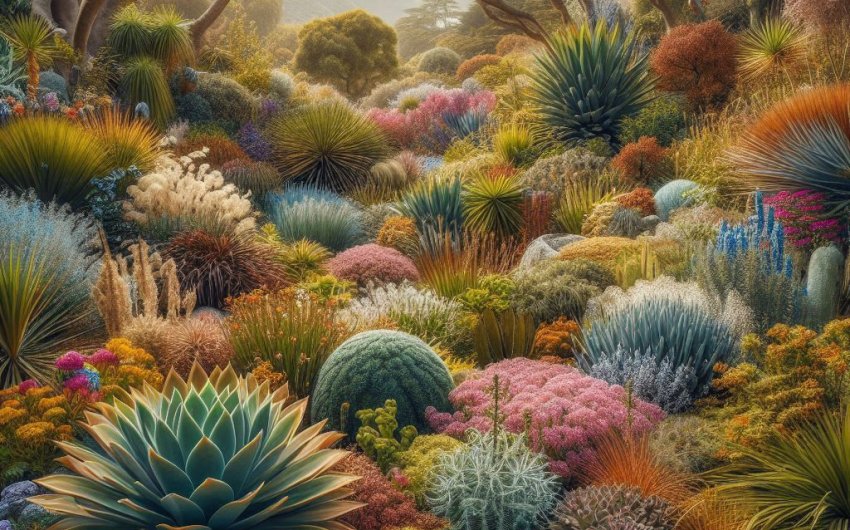
The best native plants for drought-resistant landscaping are those naturally adapted to your specific region's climate, requiring minimal supplemental water once established. These plants offer not only water-saving benefits but also enhance local biodiversity, providing habitat and food for native wildlife while creating a beautiful, sustainable landscape that thrives without excessive irrigation.
Why Choose Native Plants for Drought-Resistant Landscaping?
Choosing native plants for drought-resistant landscaping is one of the most intelligent and sustainable decisions a homeowner or gardener can make. This approach goes far beyond simply saving water; it creates a resilient, biodiverse, and beautiful landscape that benefits both the environment and your wallet.
1. Superior Drought Resistance
- Adaptation: The most compelling reason is their inherent ability to withstand dry periods. Native plants have evolved over millennia in your specific region's climate. This means they are naturally adapted to the local rainfall patterns, soil types, and temperature extremes, including periods of drought.
- Deep Roots: Many native species develop extensive, deep root systems that allow them to access water far below the soil surface, where non-native plants with shallower roots would quickly wither.
- Water-Saving Foliage: They often possess specialized leaves (e.g., small, waxy, silvery, hairy, or succulent) that reduce water loss through evaporation.
- Reduced Reliance on Irrigation: Once established, these plants typically require little to no supplemental irrigation, significantly reducing your water bill and conserving a precious resource. This is the cornerstone of truly drought-resistant landscaping.
2. Enhanced Ecological Benefits
- Habitat and Food for Wildlife: Native plants form the base of the local food web. They provide essential food (nectar, pollen, seeds, berries, leaves) and shelter for native insects, birds, and other wildlife that have co-evolved with them. This supports crucial pollinators like native bees and butterflies, which are often in decline.
- Biodiversity: By planting natives, you are restoring a piece of the local ecosystem, promoting biodiversity, and creating a healthier environment for all.
- Pest Control: Attracting beneficial insects and birds that prey on garden pests can naturally reduce the need for chemical pesticides.
3. Reduced Maintenance
- Less Watering: As mentioned, significantly less irrigation is needed once established.
- Fewer Fertilizers: Native plants are accustomed to local soil conditions and nutrient levels, so they rarely require supplemental fertilizers.
- Resistant to Local Pests and Diseases: Because they have evolved alongside local pests and pathogens, native plants often have natural resistances, reducing the need for chemical interventions.
- No Invasive Tendencies: Unlike some popular non-native ornamental plants that can escape cultivation and become invasive weeds, outcompeting native flora, native species belong where they are planted.
4. Long-Term Cost Savings
- Lower Water Bills: Dramatically reduced irrigation needs translate directly into lower utility bills.
- Fewer Inputs: Less money spent on fertilizers, pesticides, and replacement plants (due to disease or drought stress).
- Time Savings: Less time spent watering, fertilizing, and managing pest issues.
5. Aesthetic Appeal and Sense of Place
- Natural Beauty: Native landscapes often blend seamlessly with the surrounding environment, creating a natural, harmonious aesthetic that feels authentic to the region.
- Seasonal Interest: Many native plants offer year-round interest with beautiful flowers, interesting foliage, and attractive seed heads or bark.
- Support Local Nurseries: Choosing natives often means supporting local nurseries that specialize in regionally appropriate plants.
In summary, opting for native plants for drought-resistant landscaping is a holistic approach that benefits the environment, conserves water, supports wildlife, and creates a beautiful, low-maintenance, and cost-effective outdoor space. It's a key step towards creating a truly sustainable and drought-resistant garden.
How Do I Choose the Right Native Plants for My Region?
Choosing the right native plants for drought-resistant landscaping is paramount. It's not enough to simply select "native plants"; you need to select natives that are native to your specific region and suitable for your site's conditions. What thrives in one part of North America might not thrive in another, even if both are considered "drought-prone."
1. Identify Your Ecoregion and Local Climate:
- Beyond Hardiness Zones: While your USDA Plant Hardiness Zone (based on winter temperatures) is a starting point, it doesn't tell the whole story for drought resistance. You need to consider:
- Average Rainfall: How much rain does your region receive annually, and when does it typically fall?
- Dry Seasons: When are your dry periods, and how long do they typically last?
- Summer Heat Intensity: How hot do your summers get, and for how long?
- Soil Type: Is your soil sandy, loamy, or clay? Its drainage affects water retention.
- Ecoregions: Look up your ecoregion (e.g., Eastern Deciduous Forest, Sonoran Desert, Pacific Northwest). These are areas defined by climate, geology, and dominant vegetation, offering a much more precise guide to native plant communities.
2. Utilize Local Resources:
These are your best friends in finding appropriate native plants:
- Native Plant Societies: Almost every state or region has a native plant society. Their websites are goldmines of information, offering plant lists, databases, and local expertise. They often host plant sales too.
- Cooperative Extension Offices: Your local university extension office can provide lists of suitable native plants for your area, often specific down to the county level, and advice on local growing conditions.
- Local Nurseries Specializing in Natives: Seek out nurseries that explicitly market themselves as carrying "native plants" or "plants for local ecosystems." Their staff will have invaluable knowledge.
- Botanical Gardens & Arboreta: Visit local botanical gardens that showcase native plant collections. Observe which plants are thriving and note their labels.
- Walk in Natural Areas: Pay attention to the plants that grow naturally and robustly in local parks, preserves, or undeveloped areas near your home. These are the ultimate examples of plants truly adapted to your locale.
3. Match Plants to Your Site Conditions:
Once you have a list of potential native plants, evaluate them against the specific conditions in your own yard:
- Sunlight: How much sun does the planting area receive throughout the day (full sun, part sun, shade)?
- Soil Type & Drainage: Do you have sandy, loamy, or clay soil? Does it drain quickly or stay wet?
- Moisture Levels: Is the area naturally moist, dry, or somewhere in between? Are there existing irrigation zones?
- Slope: Is the area flat, or on a slope (affecting drainage)?
- Mature Size: How large will the plant get (height and spread)? Will it fit the space?
- Desired Aesthetic: What colors, textures, and forms do you want? Do you prefer trees, shrubs, perennials, or grasses?
4. Consider Specific Needs and Benefits:
- Pollinator Support: If attracting specific pollinators (butterflies, native bees, hummingbirds) is a goal, look for plants known to support them.
- Wildlife Habitat: Do you want plants that provide berries for birds or shelter for small mammals?
- Year-Round Interest: Choose a variety of plants that offer seasonal interest (spring blooms, summer foliage, fall color, winter structure) to ensure a dynamic landscape.
- Availability: Confirm that your chosen plants are actually available at local nurseries.
By systematically researching your region's unique characteristics and matching them with the specific conditions and your goals for your own yard, you will successfully select the best native plants for drought-resistant landscaping, leading to a vibrant and sustainable outdoor space that truly thrives.
Best Native Perennials and Flowers for Drought-Resistant Landscaping (by Region)
Native perennials and flowers are the heart of any drought-resistant landscaping design, bringing vibrant color, texture, and ecological benefits. They are particularly effective because once established, their deep root systems allow them to thrive with minimal supplemental water. Here's a look at some of the best native plants across different North American regions.
1. Northeast & Mid-Atlantic (Zones 3-8)
This region experiences four distinct seasons, with varying levels of summer drought.
- Purple Coneflower (Echinacea purpurea):
- Why it's great: Classic daisy-like purple flowers. Attracts butterflies and birds (for seeds). Very tough and drought-tolerant once established.
- Light: Full sun to partial shade.
- Water: Low once established.
- Black-Eyed Susan (Rudbeckia hirta):
- Why it's great: Cheerful yellow petals with dark centers. Long bloom time. Attracts pollinators. Self-seeds readily.
- Light: Full sun.
- Water: Low once established.
- Common Milkweed (Asclepias syriaca) / Butterfly Weed (Asclepias tuberosa):
- Why it's great: Essential host plant for Monarch butterfly caterpillars. Butterfly weed has bright orange flowers. Drought-tolerant once established.
- Light: Full sun.
- Water: Low once established.
- Wild Bergamot (Monarda fistulosa):
- Why it's great: Purple, shaggy flowers. Attracts bees and hummingbirds. Aromatic foliage.
- Light: Full sun to partial shade.
- Water: Medium to low once established.
- **Goldenrod (Solidago spp.)**:
- Why it's great: Misunderstood; it does not cause hay fever (Ragweed does). Brilliant late-season yellow blooms. Vital for late-season pollinators.
- Light: Full sun.
- Water: Low once established.
2. Southeast (Zones 7-10)
Known for hot, humid summers, but also prone to periods of intense dry spells.
- **Coreopsis (Coreopsis spp.)**:
- Why it's great: Many varieties with yellow, orange, or pink daisy-like flowers. Long blooming season. Attracts pollinators.
- Light: Full sun.
- Water: Low once established.
- Liatris (Blazing Star) (Liatris spicata):
- Why it's great: Tall spikes of purple flowers from top down. Attracts butterflies and hummingbirds.
- Light: Full sun.
- Water: Low once established.
- False Indigo (Baptisia australis):
- Why it's great: Attractive blue-purple pea-like flowers in spring, followed by interesting seed pods. Deep taproot for drought tolerance. Long-lived.
- Light: Full sun.
- Water: Low once established.
- Turk's Cap (Malvaviscus arboreus):
- Why it's great: Unique red, closed hibiscus-like flowers. Attracts hummingbirds. Tolerates a range of conditions, including dry shade.
- Light: Full sun to full shade.
- Water: Medium to low once established.
- Beautyberry (Callicarpa americana):
- Why it's great: Known for its striking clusters of iridescent purple berries in fall/winter, which birds love.
- Light: Full sun to partial shade.
- Water: Low once established.
3. Midwest (Zones 3-7)
Experiences cold winters and often hot, dry summers.
- Purple Coneflower (Echinacea purpurea): (See Northeast)
- Prairie Dropseed (Sporobolus heterolepis):
- Why it's great: A beautiful native grass with fine texture, golden fall color, and fragrant blooms. Extremely drought-tolerant.
- Light: Full sun.
- Water: Very low once established.
- Ohio Spiderwort (Tradescantia ohiensis):
- Why it's great: Clusters of three-petaled blue flowers. Adapts to many conditions. Attracts pollinators.
- Light: Full sun to partial shade.
- Water: Medium to low once established.
- Wild Petunia (Ruellia humilis):
- Why it's great: Purple, trumpet-shaped flowers. Reseeds readily but not aggressively. Attracts butterflies.
- Light: Full sun to partial shade.
- Water: Low once established.
- Leadplant (Amorpha canescens):
- Why it's great: Silver-green foliage and fuzzy purple flower spikes. Deep taproot makes it extremely drought-tolerant.
- Light: Full sun.
- Water: Very low once established.
4. Southwest (Zones 7-10)
Arid to semi-arid climates with intense heat and often minimal rainfall.
- Desert Willow (Chilopsis linearis):
- Why it's great: A small tree or large shrub with showy, trumpet-shaped pink, lavender, or white flowers. Very drought-tolerant. Attracts hummingbirds.
- Light: Full sun.
- Water: Very low once established.
- Turpentine Bush (Ericameria laricifolia):
- Why it's great: Distinctive resinous, aromatic foliage. Bright yellow flowers in fall. Excellent low-water shrub.
- Light: Full sun.
- Water: Very low once established.
- **Penstemon (Beard Tongue) (Penstemon spp.)**:
- Why it's great: Many varieties with tubular flowers in a rainbow of colors (red, pink, purple, blue). Attracts hummingbirds. Adaptable to dry conditions.
- Light: Full sun.
- Water: Low once established. Penstemon Seeds.
- **Agave (Agave spp.)**:
- Why it's great: Striking architectural succulents with unique forms. Extremely drought-tolerant due to water storage in leaves.
- Light: Full sun.
- Water: Extremely low once established.
- Baja Fairy Duster (Calliandra californica):
- Why it's great: Unique red, puffball flowers over a long season. Attracts hummingbirds. Evergreen.
- Light: Full sun.
- Water: Low once established.
5. Pacific Northwest (Zones 6-9)
Known for wet winters and often very dry, warm summers.
- Oregon Grape (Mahonia aquifolium):
- Why it's great: Evergreen shrub with holly-like leaves, yellow flowers, and blue berries. Very drought-tolerant once established. Provides winter interest.
- Light: Full sun to full shade.
- Water: Low once established.
- **Coneflower (Echinacea spp.)**: (See Northeast, some species native to PNW)
- Bleeding Heart (Dicentra formosa):
- Why it's great: Delicate, heart-shaped pink flowers. A beautiful shade-loving groundcover. Dormant in summer if too dry.
- Light: Partial to full shade.
- Water: Medium to low once established.
- **Sedum (Stonecrop) (Sedum spp.)**:
- Why it's great: Many varieties with succulent foliage and star-shaped flowers. Very drought-tolerant due to water storage. Excellent for rock gardens or borders.
- Light: Full sun to partial shade.
- Water: Very low once established.
- Wild Strawberry (Fragaria virginiana):
- Why it's great: Low-growing groundcover with edible (though small) fruit. Spreads easily. Good for dry slopes.
- Light: Full sun to partial shade.
- Water: Medium to low once established.
This list provides a starting point. Always cross-reference with your local native plant society or extension office to ensure you're choosing the best native plants for drought-resistant landscaping that are perfectly suited to your specific corner of the world.
Best Native Grasses and Shrubs for Drought-Resistant Landscaping (by Region)
Incorporating native grasses and shrubs is crucial for creating structured, multi-layered, and truly drought-resistant landscaping. They provide a sense of permanence, offer year-round interest, and are invaluable for supporting local ecosystems, all while requiring minimal water once established. Here are some of the best native plants in these categories across different regions.
1. Northeast & Mid-Atlantic (Zones 3-8)
- Grasses:
- Little Bluestem (Schizachyrium scoparium):
- Why it's great: Fine-textured, upright grass with blue-green summer foliage, turning russet-red in fall. Excellent winter interest. Extremely drought-tolerant.
- Light: Full sun.
- Water: Very low once established.
- Prairie Dropseed (Sporobolus heterolepis): (See Midwest section - also native here)
- Little Bluestem (Schizachyrium scoparium):
- Shrubs:
- Inkberry (Ilex glabra):
- Why it's great: Native evergreen holly, providing year-round green. Black berries for birds. Tolerates wet or dry conditions once established.
- Light: Full sun to partial shade.
- Water: Medium to low once established.
- **Sumac (Rhus spp.) (e.g., Smooth Sumac, Winged Sumac)**:
- Why it's great: Striking fall color (reds, oranges, purples). Berries provide winter food for birds. Very drought-tolerant. Can spread.
- Light: Full sun.
- Water: Very low once established.
- New Jersey Tea (Ceanothus americanus):
- Why it's great: Small deciduous shrub with white, fragrant flowers in summer. Attracts pollinators. Nitrogen fixer.
- Light: Full sun to partial sun.
- Water: Low once established.
- Inkberry (Ilex glabra):
2. Southeast (Zones 7-10)
- Grasses:
- Muhly Grass (Muhlenbergia capillaris):
- Why it's great: Famous for its airy, cloud-like pink or purple plumes in fall. Provides incredible texture. Very drought-tolerant.
- Light: Full sun.
- Water: Low once established.
- Switchgrass (Panicum virgatum):
- Why it's great: Tall, upright grass. Provides structure and movement. Good for mass plantings. Many cultivars available.
- Light: Full sun.
- Water: Low once established.
- Muhly Grass (Muhlenbergia capillaris):
- Shrubs:
- Yaupon Holly (Ilex vomitoria):
- Why it's great: Native evergreen holly. Small leaves, red berries (on females) that persist into winter, providing bird food. Can be pruned into various forms.
- Light: Full sun to partial shade.
- Water: Low to medium once established.
- Fringe Tree (Chionanthus virginicus):
- Why it's great: Large shrub or small tree with wispy, fragrant white flowers in spring. Blue fruit for birds. Tolerates urban conditions.
- Light: Full sun to partial shade.
- Water: Medium to low once established.
- Inkberry (Ilex glabra): (See Northeast - also native here)
- Yaupon Holly (Ilex vomitoria):
3. Midwest (Zones 3-7)
- Grasses:
- Little Bluestem (Schizachyrium scoparium): (See Northeast)
- Big Bluestem (Andropogon gerardii):
- Why it's great: Tall, majestic prairie grass. Provides strong vertical element. Excellent for naturalized areas.
- Light: Full sun.
- Water: Very low once established.
- Side-Oats Grama (Bouteloua curtipendula):
- Why it's great: Unique seed heads that dangle like tiny flags. Fine texture, turns purple-red in fall.
- Light: Full sun.
- Water: Low once established.
- Shrubs:
- **Serviceberry (Amelanchier spp.)**:
- Why it's great: Small tree or large shrub. White flowers in early spring, edible berries (for humans and birds!), great fall color.
- Light: Full sun to partial shade.
- Water: Medium once established.
- Nannyberry Viburnum (Viburnum lentago):
- Why it's great: Large shrub with white flowers, edible fruit, and good fall color. Very adaptable.
- Light: Full sun to full shade.
- Water: Medium to low once established.
- Leadplant (Amorpha canescens): (See Midwest Perennials - also a small shrub)
- **Serviceberry (Amelanchier spp.)**:
4. Southwest (Zones 7-10)
- Grasses:
- Pink Muhly Grass (Muhlenbergia capillaris): (See Southeast - widely used in Southwest)
- Deergrass (Muhlenbergia rigens):
- Why it's great: Large, fountain-like native grass. Provides striking architectural form. Very drought-tolerant.
- Light: Full sun.
- Water: Very low once established.
- Bouteloua gracilis (Blue Grama 'Blonde Ambition' cultivar):
- Why it's great: Unique horizontal seed heads. Excellent for borders or mass plantings. Very tough.
- Light: Full sun.
- Water: Very low once established.
- Shrubs:
- Apache Plume (Fallugia paradoxa):
- Why it's great: Fine-textured shrub with white rose-like flowers, followed by distinctive feathery seed heads. Long bloom period.
- Light: Full sun.
- Water: Very low once established.
- Texas Ranger (Leucophyllum frutescens):
- Why it's great: Silver-gray foliage. Flushes of purple or pink flowers often after rain events. Very drought-tolerant.
- Light: Full sun.
- Water: Very low once established.
- Desert Honeysuckle (Anisacanthus quadrifidus var. wrightii):
- Why it's great: Airy shrub with bright orange-red tubular flowers. Attracts hummingbirds. Long bloom period.
- Light: Full sun to partial shade.
- Water: Low once established.
- Apache Plume (Fallugia paradoxa):
5. Pacific Northwest (Zones 6-9)
- Grasses:
- **Fescue (various native Festuca spp.)**:
- Why it's great: Many types are native, forming low mounds of fine-textured, often blue-green foliage. Good for dry slopes or groundcover.
- Light: Full sun to partial shade.
- Water: Low once established.
- California Fescue (Festuca californica):
- Why it's great: Clump-forming grass with blue-green blades. Provides graceful texture.
- Light: Full sun to partial shade.
- Water: Low once established.
- **Fescue (various native Festuca spp.)**:
- Shrubs:
- Oregon Grape (Mahonia aquifolium): (See PNW Perennials - also a shrub)
- Red-Osier Dogwood (Cornus sericea):
- Why it's great: Known for its striking red stems in winter. White flowers in spring, white berries for birds. Adapts to moist or dry conditions once established.
- Light: Full sun to partial shade.
- Water: Medium to low once established.
- Salal (Gaultheria shallon):
- Why it's great: Evergreen shrub with leathery leaves, pink-white flowers, and purple berries. Good groundcover or understory plant.
- Light: Partial to full shade.
- Water: Low once established.
These native grasses and shrubs provide structure, year-round interest, and robust drought resistance, forming the backbone of sustainable landscaping. Always confirm local native status and suitability for your specific microclimate.
Designing Your Drought-Resistant Landscape with Native Plants
Creating a beautiful and effective drought-resistant landscape using native plants is a blend of horticultural knowledge and thoughtful design. It's about more than just picking dry-tolerant plants; it's about arranging them to create aesthetic appeal, functionality, and maximum water efficiency.
1. Plan Before You Plant (Site Analysis)
- Map Your Yard: Sketch your existing landscape, noting permanent features (house, patio, trees, existing pathways).
- Assess Sun Exposure: Observe how much sun each area receives throughout the day in different seasons. This is critical for plant placement.
- Analyze Soil & Drainage: Determine your soil type (sand, loam, clay) and how well it drains. Dig a test hole and fill it with water; how long does it take to drain?
- Identify Slopes & Low Spots: Note areas where water collects or runs off quickly.
- Consider Existing Irrigation: Are there active sprinkler zones? Can they be converted or reduced?
- Identify Your Goals: What is the primary purpose of this area? Curb appeal, entertaining, wildlife habitat, reduced maintenance?
2. Group Plants by Water Needs (Hydrozoning)
This is a cornerstone of drought-resistant landscaping.
- Concept: Place plants with similar water requirements together in "zones." This allows you to irrigate more efficiently, providing water only where and when it's truly needed.
- Zones:
- High Water Zone: Area closest to the house or frequently used outdoor spaces. Might include a few less drought-resistant plants or containers, receiving more frequent irrigation.
- Moderate Water Zone: Transitional areas, receiving occasional supplemental water during extended dry spells.
- Low Water Zone: Furthest from the house, on slopes, or in naturally dry areas. This zone should primarily feature native plants that thrive on natural rainfall once established.
- Action: Design your irrigation system (if any) to align with these zones, or plan to hand-water these zones differently.
3. Layer Your Planting for Visual Interest and Habitat
Think in terms of vertical layers, mimicking natural ecosystems.
- Canopy Layer: Native trees (e.g., oaks, maples, mesquite depending on region) for shade and structure.
- Understory Layer: Native large shrubs or small trees that thrive beneath the canopy.
- Shrub Layer: Medium-sized native shrubs for structure and privacy.
- Perennial/Grass Layer: Native perennial flowers and grasses for color, texture, and pollinator support.
- Groundcover Layer: Low-growing native plants that suppress weeds and retain soil moisture.
- Action: Use a mix of heights and textures to create visual depth and year-round interest. Consider bloom times to ensure continuous color.
4. Incorporate Hardscaping and Mulch
- Hardscaping: Patios, pathways, retaining walls, and rock features reduce the area needing plants and water. Use permeable materials where possible to allow rainwater to infiltrate the soil.
- Mulch: A 2-4 inch layer of organic mulch (wood chips, shredded leaves, compost) is vital.
- Benefits: Suppresses weeds, reduces soil temperature, drastically reduces water evaporation, and adds organic matter as it breaks down.
- Recommendation: Pine Bark Mulch or local arborist wood chips.
- Action: Apply mulch around all plants, keeping it a few inches away from plant stems.
5. Consider Form, Texture, and Color
Drought-resistant landscaping doesn't mean sacrificing beauty.
- Form: Mix upright, mounding, spreading, and weeping forms to create variety.
- Texture: Combine plants with fine, airy textures (like many native grasses) with bold, coarse textures (like agave or prickly pear).
- Color: Beyond flowers, consider foliage color (silvery, blue-green, dark green) and seasonal changes (fall foliage, colorful bark).
- Action: Use repeating patterns or drifts of plants to create cohesion and flow.
6. Account for Establishment Period
- Initial Watering: Even the most drought-resistant native plants need regular watering during their first one to two growing seasons to establish their deep root systems.
- Transition: Gradually reduce watering frequency as plants mature.
- Action: Be prepared to commit to consistent watering during establishment.
7. Attract Wildlife
- Nectar/Pollen: Choose native plants that provide food for local pollinators (bees, butterflies).
- Berries/Seeds: Include plants that offer berries or seeds for birds.
- Shelter: Dense shrubs or evergreens provide refuge for wildlife.
- Water Source: A bird bath or small pond can attract a diversity of creatures.
- Action: Research which native plants support specific wildlife you wish to attract.
By integrating these design principles with your carefully chosen native plants, you can create a truly beautiful, low-maintenance, and incredibly efficient drought-resistant landscaping that will thrive for years to come.