
How to Grow Organic Strawberries at Home?
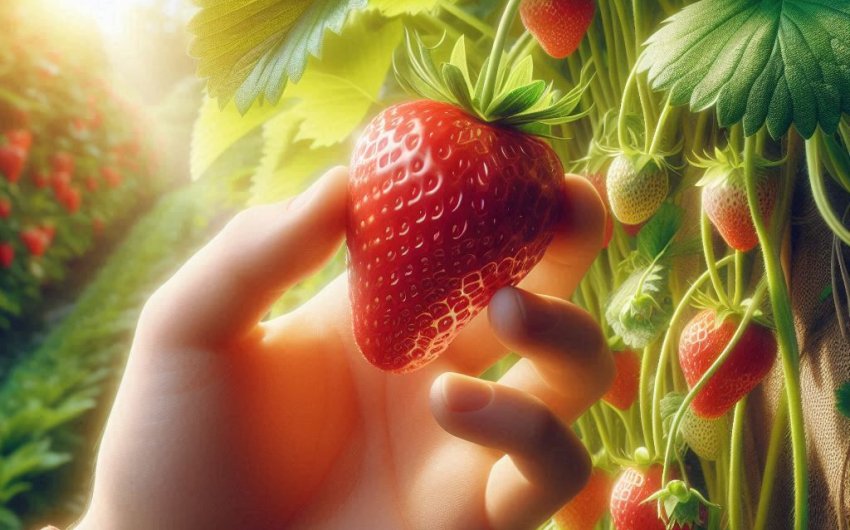
Growing organic strawberries at home is a rewarding way to enjoy delicious, chemical-free fruit straight from your garden. Strawberries are one of the most popular fruits for home gardeners and are relatively easy to grow with the right approach. They can be grown in the ground, containers, or even hanging baskets, making them versatile enough for any space.
This guide covers everything you need to know to successfully grow organic strawberries at home, from selecting the right varieties to harvesting and pest management.
Why Grow Organic Strawberries?
Organic strawberries are healthier for you and the environment. By growing strawberries organically, you avoid synthetic chemicals that can harm beneficial insects and pollinators. Organic growing also enhances the flavor and sweetness of your strawberries, making them tastier and more nutritious.
Choosing the Right Strawberry Variety
Selecting the right strawberry variety is essential for a successful harvest. There are three main types of strawberries, each with its unique growing patterns and harvest times.
1. June-Bearing Strawberries
June-bearing strawberries produce one large crop in early summer. These varieties are ideal if you want a big harvest all at once. They tend to produce larger fruit than other types and are perfect for making jam or freezing.
Look for high-quality June-Bearing Strawberry Plants ($10 - $25) to get started.
2. Everbearing Strawberries
Everbearing strawberries produce two to three harvests throughout the growing season, typically in early summer, mid-summer, and fall. They yield smaller fruit than June-bearers but provide a steady supply of berries over time.
Consider Everbearing Strawberry Plants ($10 - $25) if you want a continuous harvest.
3. Day-Neutral Strawberries
Day-neutral strawberries are perfect for those who want berries all season long. These plants produce fruit regardless of day length, providing a consistent harvest until the first frost. They are smaller but produce sweet, high-quality strawberries.
Explore Day-Neutral Strawberry Plants ($12 - $30) for season-long strawberries.
Planting Strawberries
The success of your organic strawberry crop starts with proper planting. Strawberries need a location with full sunlight, well-draining soil, and a slightly acidic pH level.
1. Choosing the Right Location
Strawberries thrive in full sun, which means they need at least 6-8 hours of direct sunlight per day. Planting them in a sunny spot encourages strong growth and sweeter fruit.
Consider using a Soil pH Tester ($10 - $20) to check the acidity of your soil, aiming for a pH between 5.5 and 6.5.
2. Preparing the Soil
Strawberries prefer well-drained, fertile soil rich in organic matter. Add compost or well-rotted manure to enrich the soil and improve drainage. Avoid planting strawberries in areas where you previously grew tomatoes, peppers, or potatoes, as these can carry soil-borne diseases that affect strawberries.
Use Organic Compost ($15 - $30) to provide essential nutrients to your strawberry plants.
3. Spacing and Planting Depth
Plant strawberries 12-18 inches apart in rows that are 24 inches apart to allow air circulation, which prevents disease. Ensure that the crown (where the stem meets the roots) sits just above the soil surface. Planting too deeply can lead to rot, while planting too shallowly can cause the roots to dry out.
Try using a Garden Trowel ($5 - $15) for precise planting depth.
Growing Strawberries in Containers
If you don’t have a garden bed, you can still grow strawberries in containers. Container gardening is perfect for small spaces, balconies, or patios, and it allows you to move plants to the best sunlit spots.
1. Choosing the Right Container
Strawberries grow well in containers, provided they are at least 8-12 inches deep. Use a pot with drainage holes to prevent waterlogging, which can damage strawberry roots. Hanging baskets and strawberry planters are popular options that also add decorative appeal to your garden.
Check out Strawberry Planters ($15 - $40) for container-growing options.
2. Soil Mix for Containers
Use a high-quality potting mix formulated for containers. Avoid garden soil, which can compact and hinder root growth. Add some compost to enrich the soil and provide essential nutrients.
Consider using Organic Potting Mix ($10 - $25) for container strawberries.
3. Watering and Fertilizing Container Strawberries
Container-grown strawberries dry out faster than those in the ground, so monitor the soil moisture closely. Water whenever the top inch of soil feels dry, but avoid overwatering.
Use a balanced Liquid Fertilizer ($10 - $20) every 4-6 weeks to promote healthy growth and fruit production.
Watering and Mulching for Optimal Growth
Proper watering and mulching are key to healthy strawberry plants and large, juicy berries.
1. Watering Tips
Strawberries need about 1-1.5 inches of water per week. Water at the base of the plants to keep leaves dry, which helps prevent fungal diseases. Avoid watering from above, as wet leaves and fruit are more susceptible to mold.
A Soaker Hose ($15 - $25) can deliver water directly to the roots.
2. Mulching for Moisture and Weed Control
Mulch helps retain moisture, suppresses weeds, and keeps berries clean. Use straw, pine needles, or shredded leaves as mulch around the plants. Apply a 1-2 inch layer, but keep it away from the plant crown to prevent rot.
Look into Organic Mulch ($10 - $25) for natural weed suppression.
Natural Pest and Disease Control
Growing strawberries organically means avoiding synthetic pesticides, which can harm beneficial insects and the environment. Here are some eco-friendly ways to manage pests and diseases.
1. Common Pests
- Aphids: These tiny insects can weaken plants. Control them with a blast of water or insecticidal soap.
- Slugs and Snails: Use crushed eggshells around the plants or a Slug Trap ($5 - $15) to catch them.
- Spider Mites: Use neem oil to control spider mites and prevent them from spreading.
2. Fungal Diseases
Strawberries are prone to powdery mildew and gray mold. To prevent these diseases:
- Space plants properly for good air circulation.
- Remove any infected leaves or fruit.
- Use a Neem Oil Spray ($10 - $20) as a natural treatment against fungus.
Fertilizing Your Strawberries
Organic strawberries need nutrient-rich soil to thrive, but it’s important not to over-fertilize, as this can reduce fruit production.
1. Fertilize at the Right Time
Apply fertilizer when planting and again after the first harvest to encourage new growth and fruit production. Avoid fertilizing late in the season, as this can lead to excessive leaf growth instead of fruit.
Try a Strawberry Fertilizer ($10 - $25) for balanced nutrients.
2. Organic Fertilizer Options
Choose a balanced organic fertilizer with equal parts nitrogen, phosphorus, and potassium (N-P-K). Compost, fish emulsion, and seaweed extract are excellent organic options.
Use Organic Fish Emulsion ($10 - $20) to boost growth naturally.
Pruning and Maintaining Strawberry Plants
Regular maintenance helps strawberry plants stay productive and healthy, ensuring a bountiful harvest year after year.
1. Remove Runners
Runners are horizontal stems that grow from the main plant to produce new plants. While runners are useful for propagation, they drain energy from the parent plant. Trim runners if you want to focus on fruit production rather than expanding your plants.
Use Garden Pruning Shears ($10 - $20) to trim runners easily.
2. Deadhead Flowers and Remove Old Leaves
Removing old flowers and leaves prevents disease and encourages new growth. Clean up dead leaves and spent flowers regularly to improve air circulation and reduce the risk of fungal issues.
3. Winterizing Strawberries
In colder climates, strawberries need winter protection to survive frost. Cover plants with straw, pine needles, or a frost blanket to insulate them. Remove the cover in early spring to allow new growth.
Look into Garden Frost Blankets ($10 - $30) to shield plants from winter weather.
Harvesting Organic Strawberries
One of the most rewarding parts of growing strawberries is harvesting fresh, ripe fruit from your garden. Knowing the right time and technique for picking ensures you get the sweetest berries.
1. When to Harvest
Harvest strawberries when they are fully red and have a sweet aroma. Pick them in the morning when they are firm and before the heat of the day.
2. How to Harvest
Use a gentle twisting motion to remove the berry from the stem, or use scissors to avoid damaging the plant. Be careful not to bruise the berries, as they are delicate and prone to spoilage.
Consider Harvesting Scissors ($5 - $10) for clean cuts.
Storing and Using Your Strawberries
Fresh strawberries don’t last long, so it’s best to use them quickly or preserve them for later enjoyment.
1. Refrigerating Strawberries
Store strawberries in the refrigerator and consume them within 3-5 days for the best flavor. Don’t wash them until you’re ready to eat, as excess moisture can lead to mold.
2. Freezing Strawberries
If you have a large harvest, consider freezing strawberries for later use. Spread them on a baking sheet to freeze individually before transferring them to a freezer bag.
Use Freezer Storage Bags ($10 - $20) to keep frozen berries fresh.
3. Making Jam and Preserves
Strawberries are perfect for making jam or preserves. Homemade jam captures the sweet taste of summer and can be stored for months. Combine strawberries with sugar and pectin for a simple recipe.
Try a Jam-Making Kit ($15 - $25) if you’re new to preserving fruit.
Growing organic strawberries at home offers fresh, flavorful berries that are free from synthetic chemicals. By following these steps, you can cultivate a healthy and productive strawberry patch, whether in a garden bed or container. Enjoy the satisfaction of harvesting your own organic strawberries right from your backyard.